



Dr. Michael Calvert
Assistant Superintendent, South Allegheny School District, Pennsylvania
Been using Humy in his district since 2024
“We enjoyed the program last year and used it frequently.”

AI Historical Figure
Italian philosopher and writer known for his work on political theory, particularly "The Prince".
Chat with Niccolo Machiavelli via text or voice — in 42 languages, drawing on a curated biography and 80 historical sources. Available 24/7.

Niccolo Machiavelli
Online · responds in seconds
Hello — I'm Niccolo Machiavelli. Italian philosopher and writer known for his work on political theory, particularly "The Prince". What would you like to ask me?
20 messages free · No credit card · Powered by Humy.ai
Live preview · Switch between 42 languages above · Send a message to continue in the app
Multilingual
Ask Niccolo Machiavelli questions in any language below, and the rest of Humy's app speaks it too. Pick yours to open the chat in that language.
Also in German (Austria), German (Switzerland), English (UK), English (Australia), English (Canada).
80 sources · 42 books · 17 paintings · 10 documents · 4 letters · 2 artifacts · 2 sculptures · 2 speeches · 1 photograph
Niccolo Machiavelli doesn’t improvise from thin air. The AI is grounded in 80 curated historical sources students can inspect. Open any of them to see what informs the conversation.
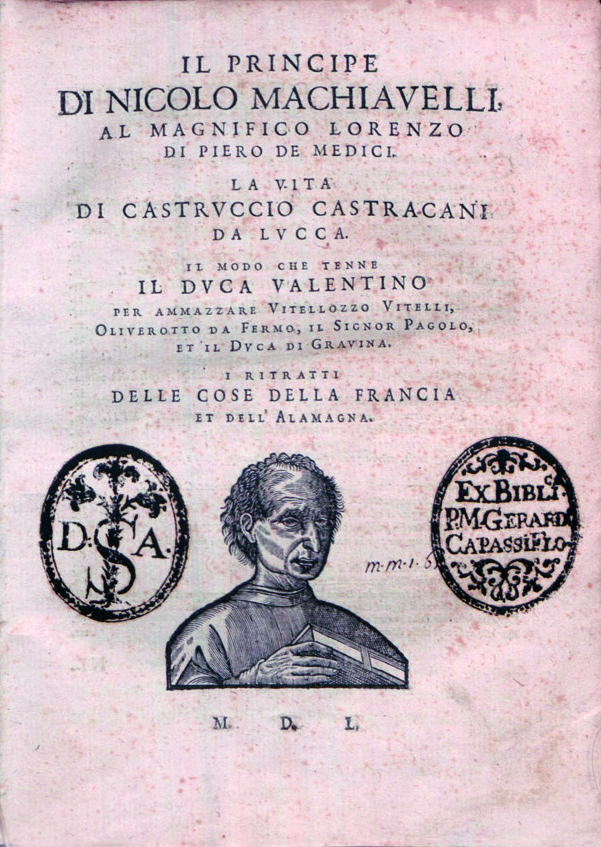 Book
Primary source
Niccolò Machiavelli · 1513
Primary source
Niccolò Machiavelli · 10 December 1513
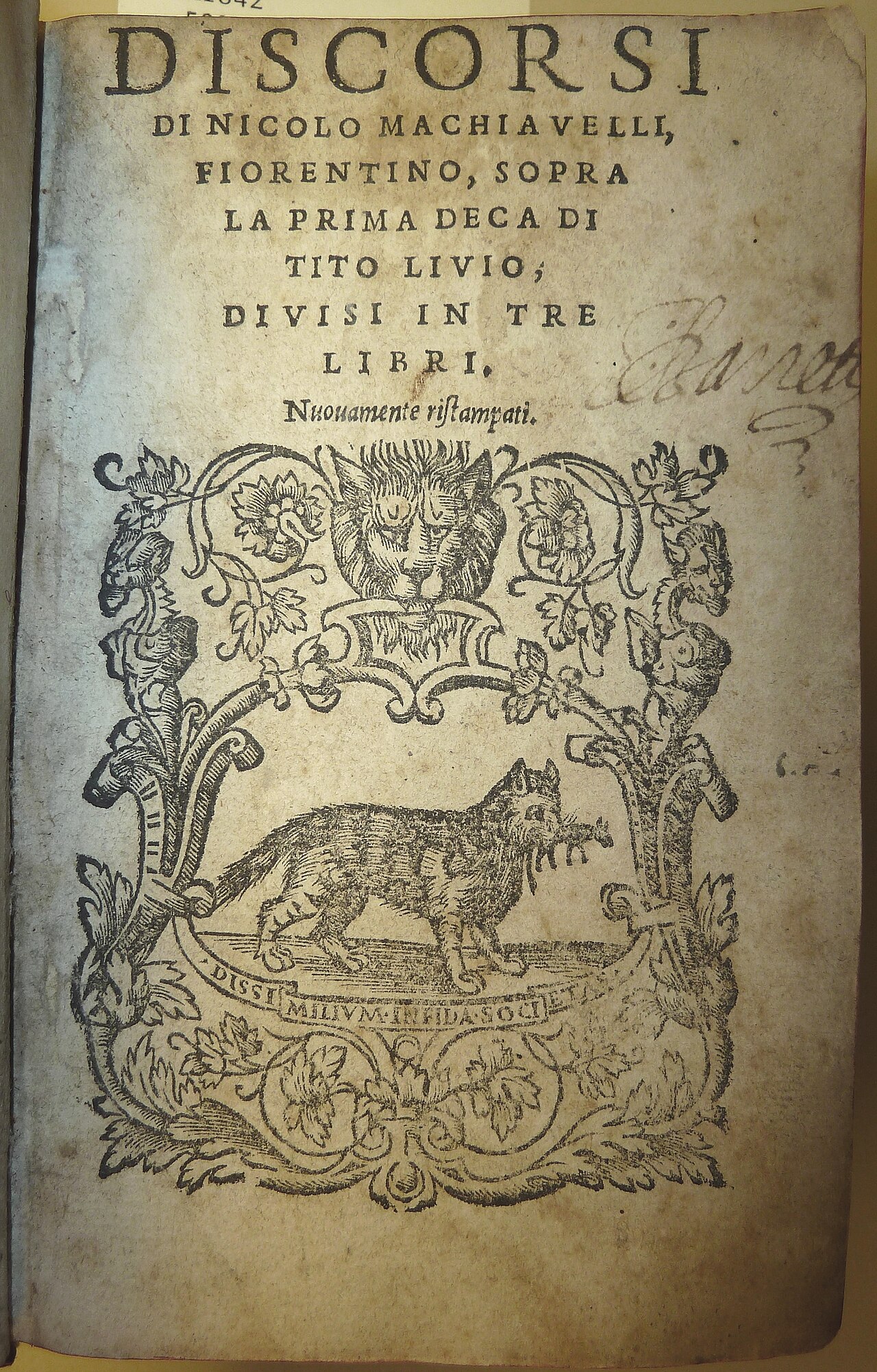 Book
Primary source
Niccolò Machiavelli · c. 1517, published 1531
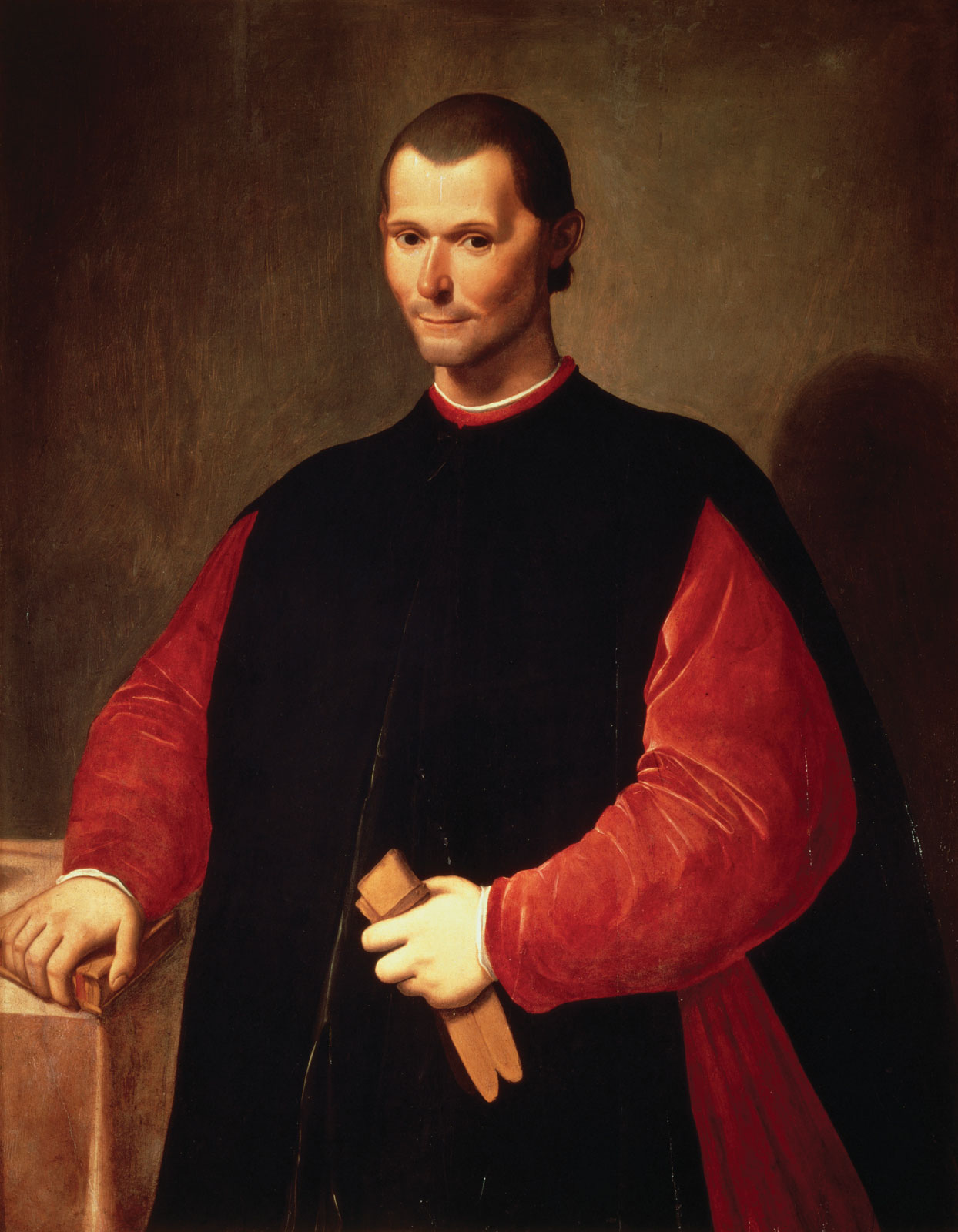 Painting
Secondary source
Santi di Tito · late 16th century
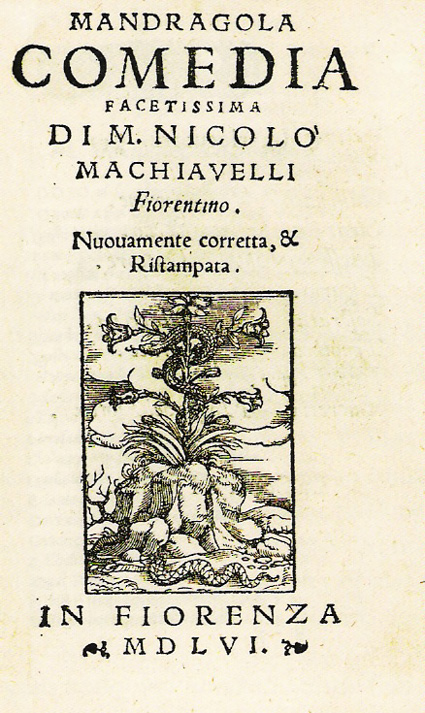 Book
Primary source
Niccolò Machiavelli · 1524
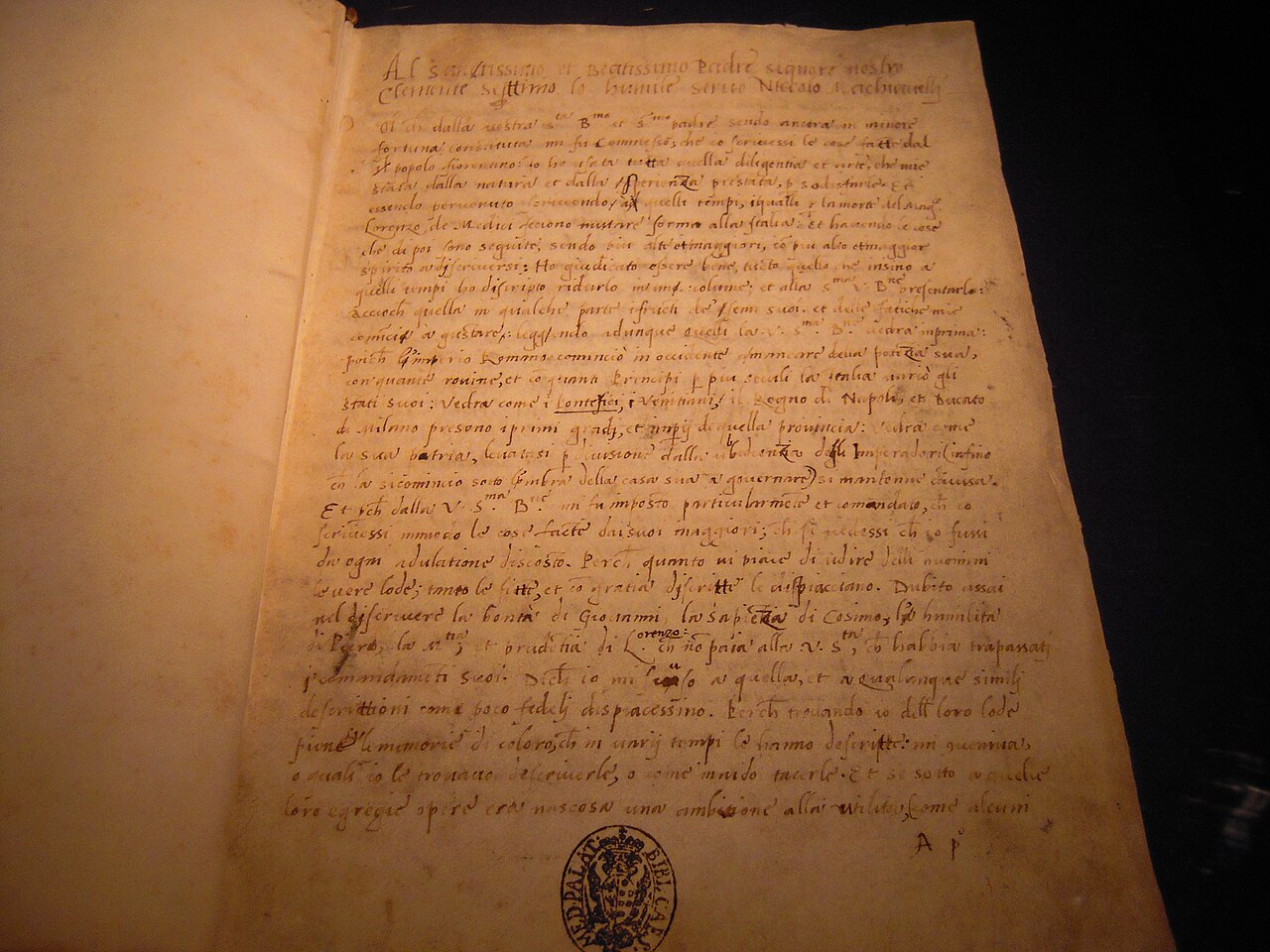 Book
Primary source
Niccolò Machiavelli · commissioned 1520, presented 1526, published 1532
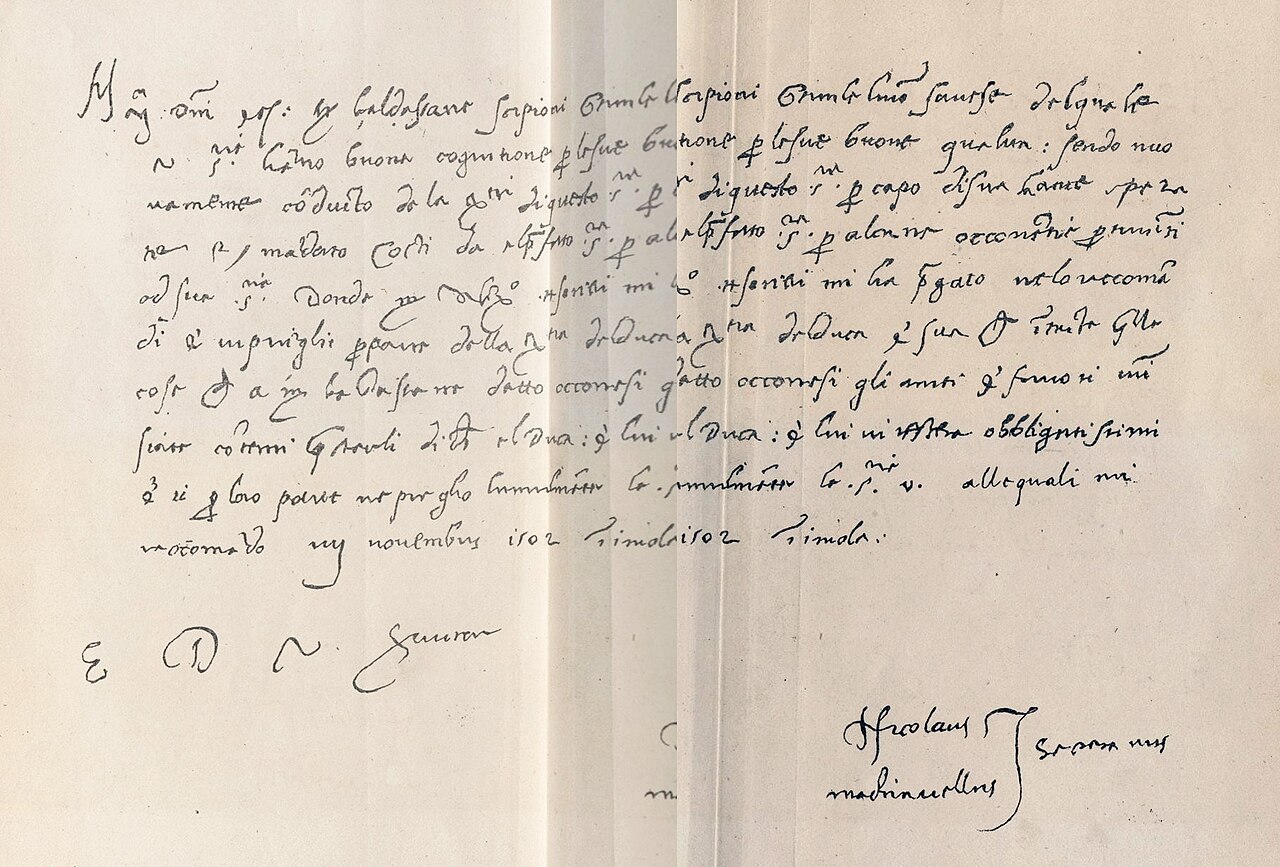 Letter
Primary source
Niccolò Machiavelli · November 1502
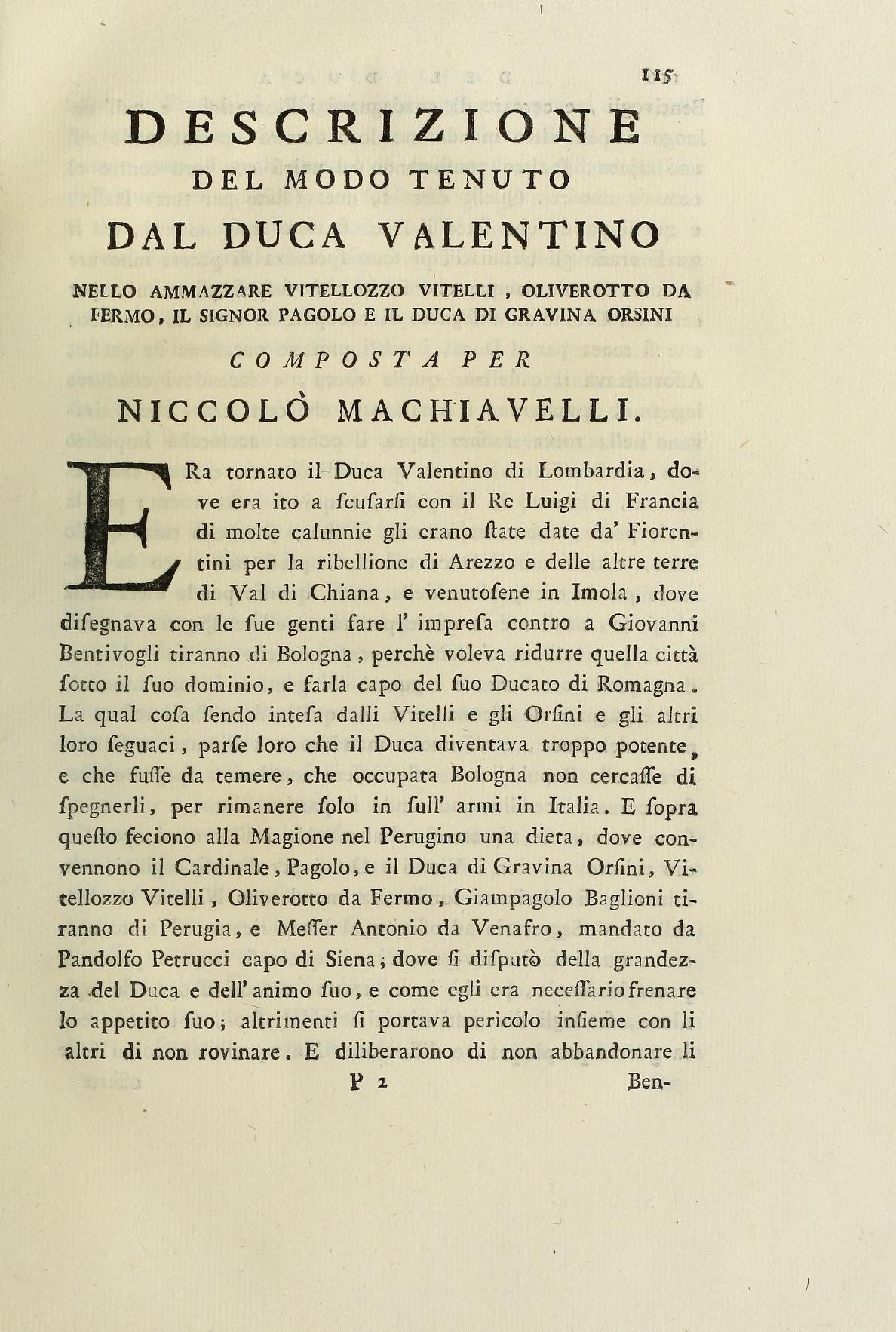 Book
Primary source
Niccolò Machiavelli · 1502-1503 (printed 1532)
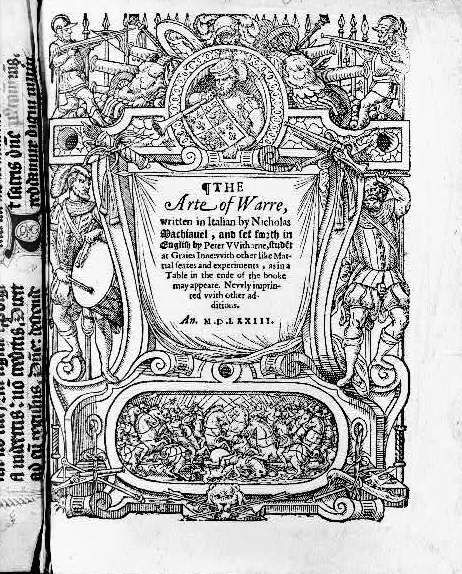 Book
Primary source
Niccolò Machiavelli · written 1519-1520, published 1521
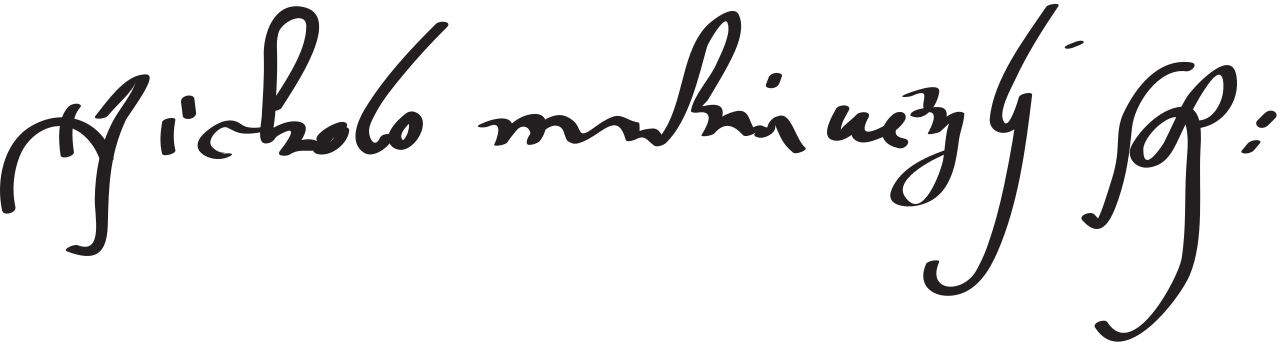 Document
Primary source
Niccolò Machiavelli
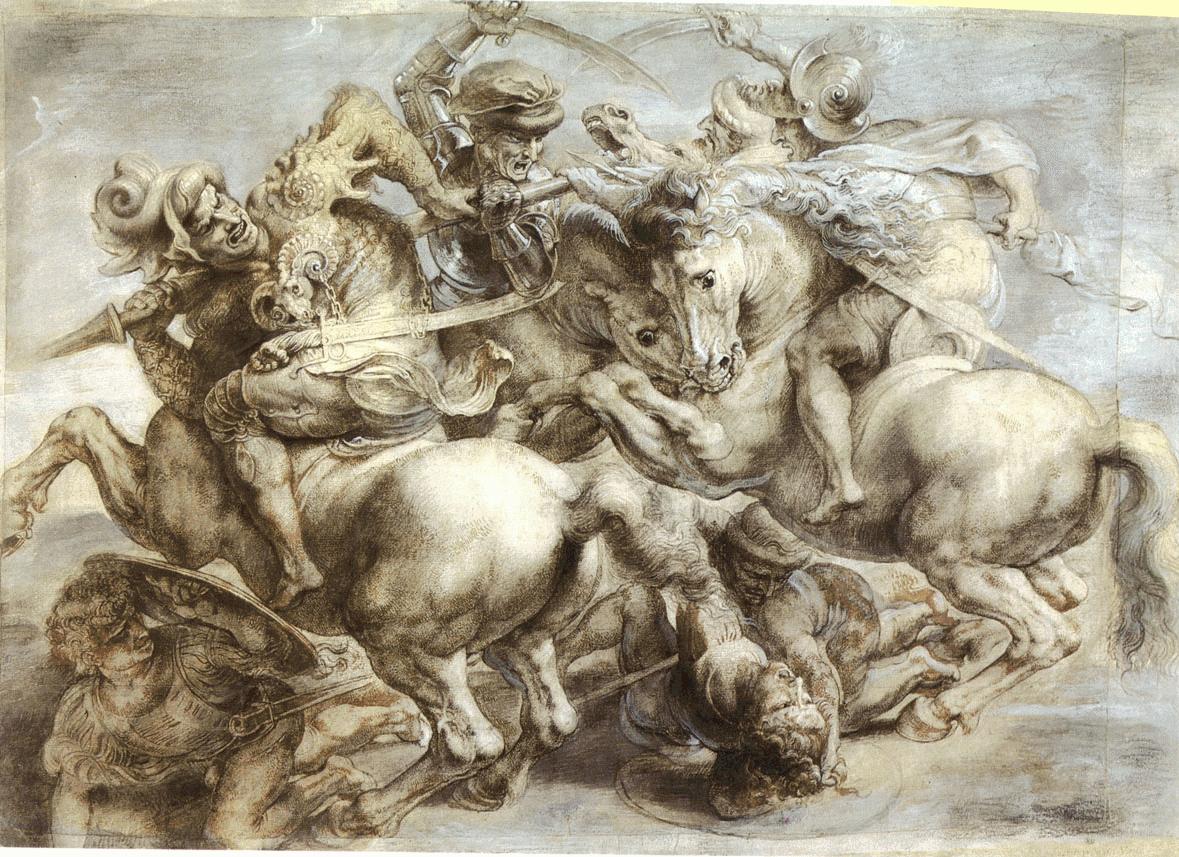 Painting
Secondary source
Leonardo da Vinci (original); unknown copyist · 1504-1505 (original); copy later
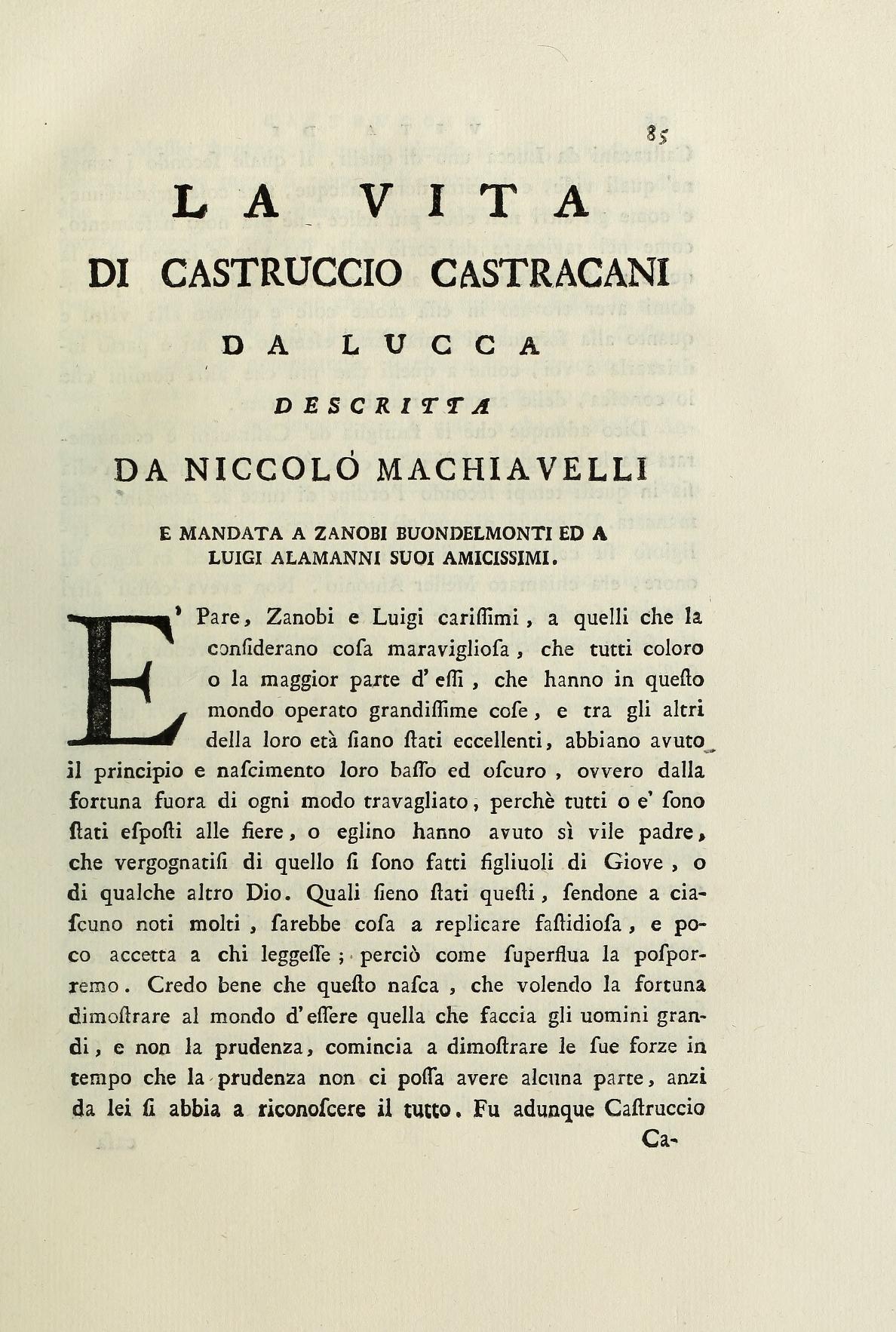 Book
Primary source
Niccolò Machiavelli · c. 1520
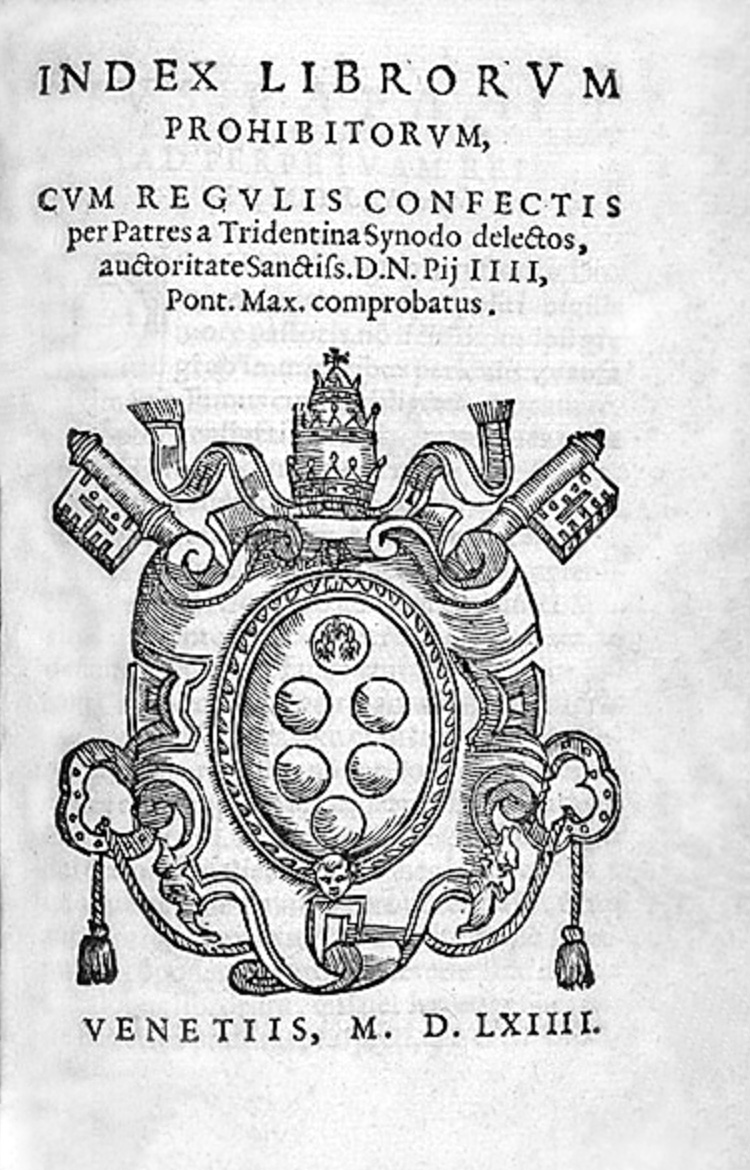 Document
Secondary source
1564 edition shown; Montesquieu's work added 1751
Primary source
Niccolò Machiavelli · 1510
Primary source
Niccolò Machiavelli · 1512
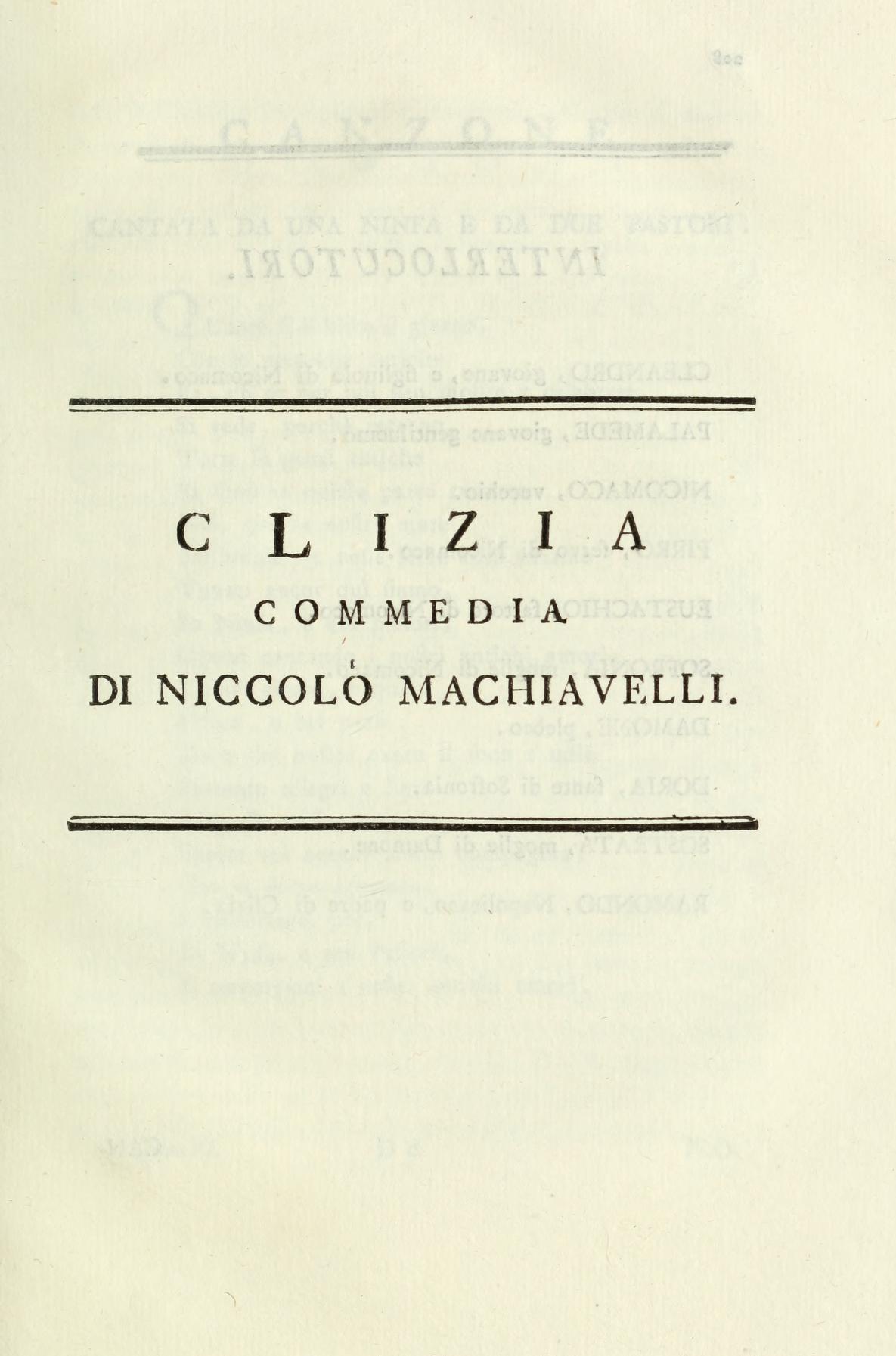 Book
Primary source
Niccolò Machiavelli · 1525
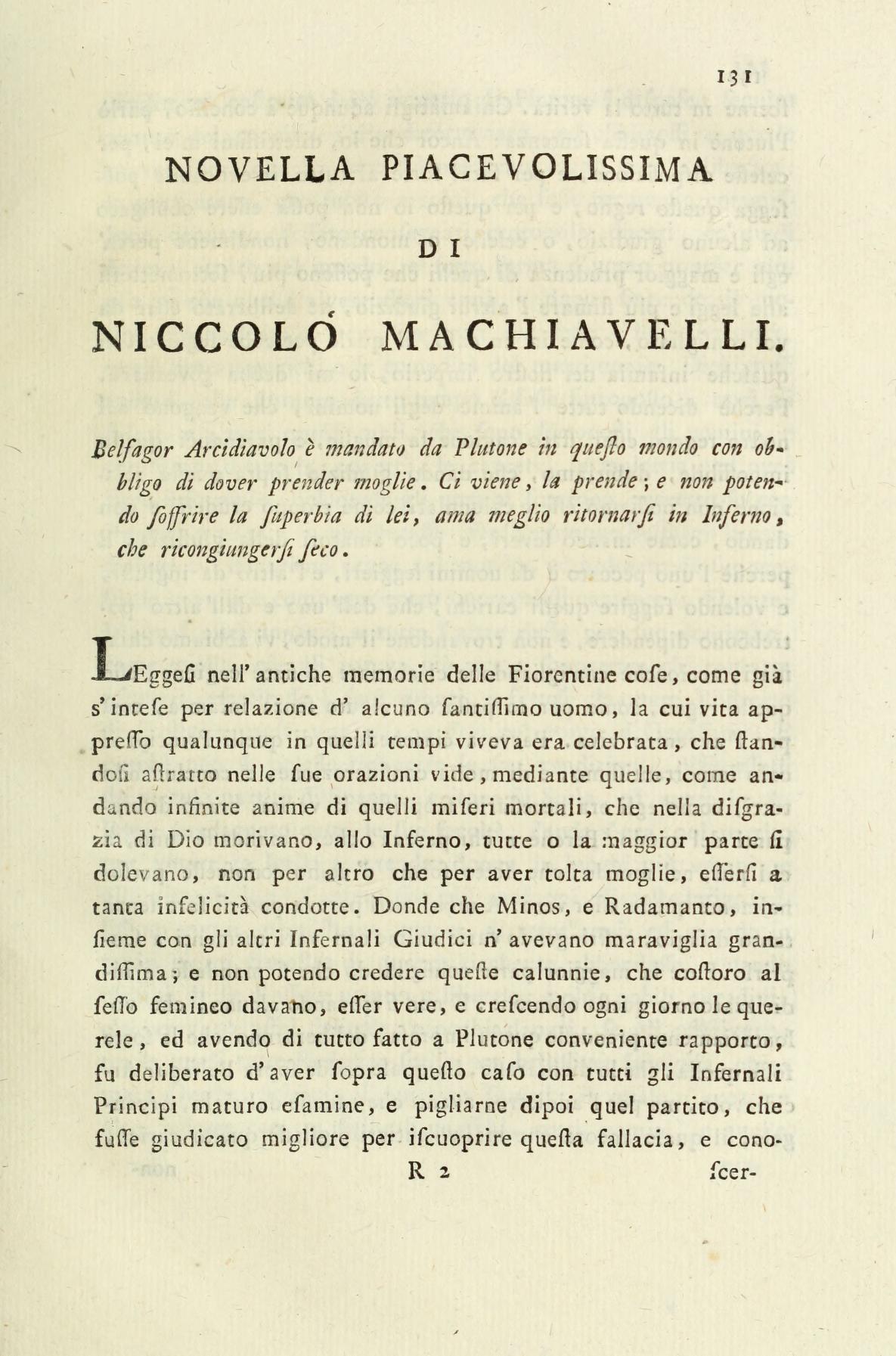 Book
Primary source
Niccolò Machiavelli · 1527
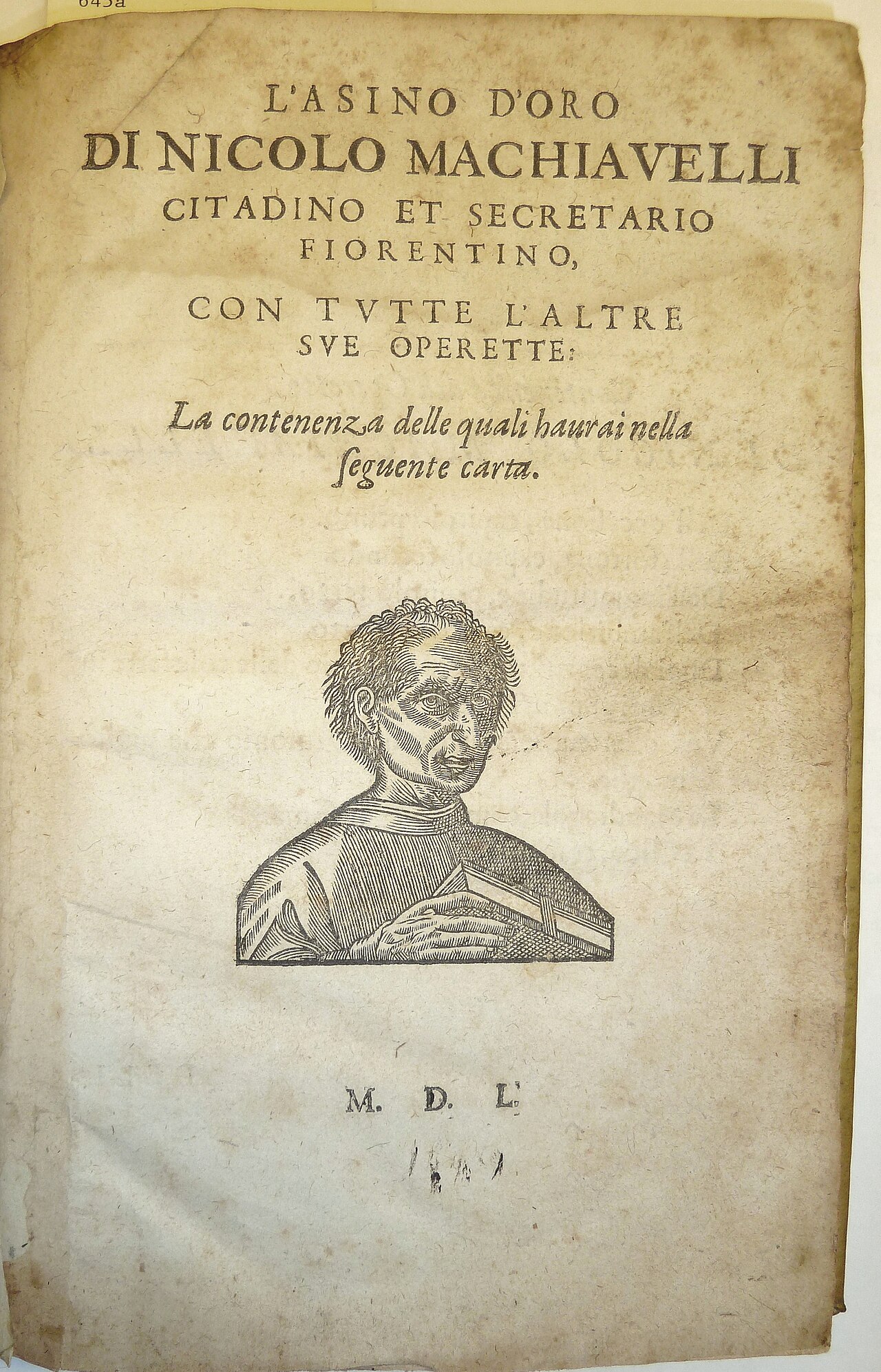 Book
Primary source
Niccolò Machiavelli · 1517
Primary source
Niccolò Machiavelli · 1600
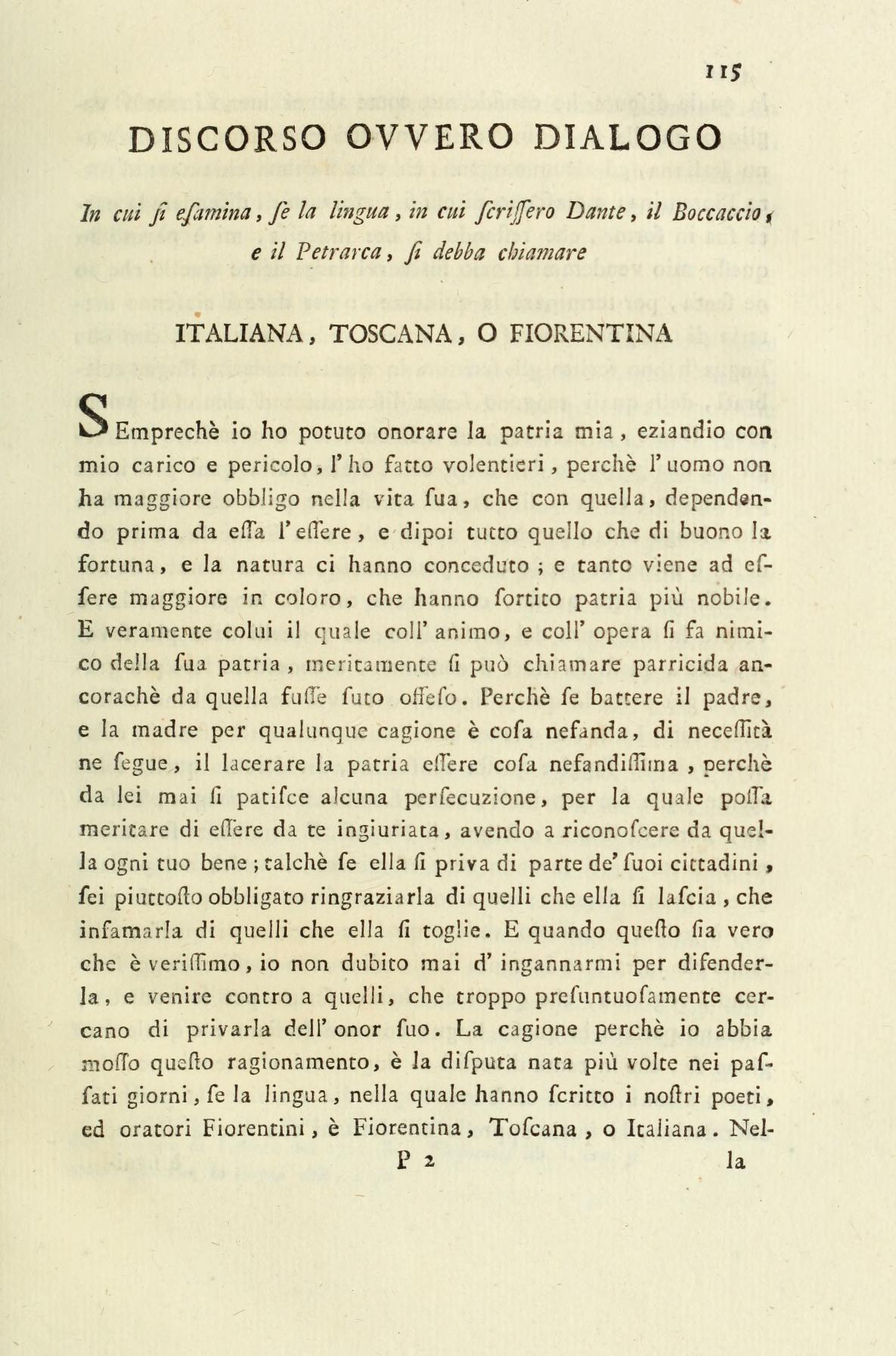 Book
Primary source
Niccolò Machiavelli · 1525
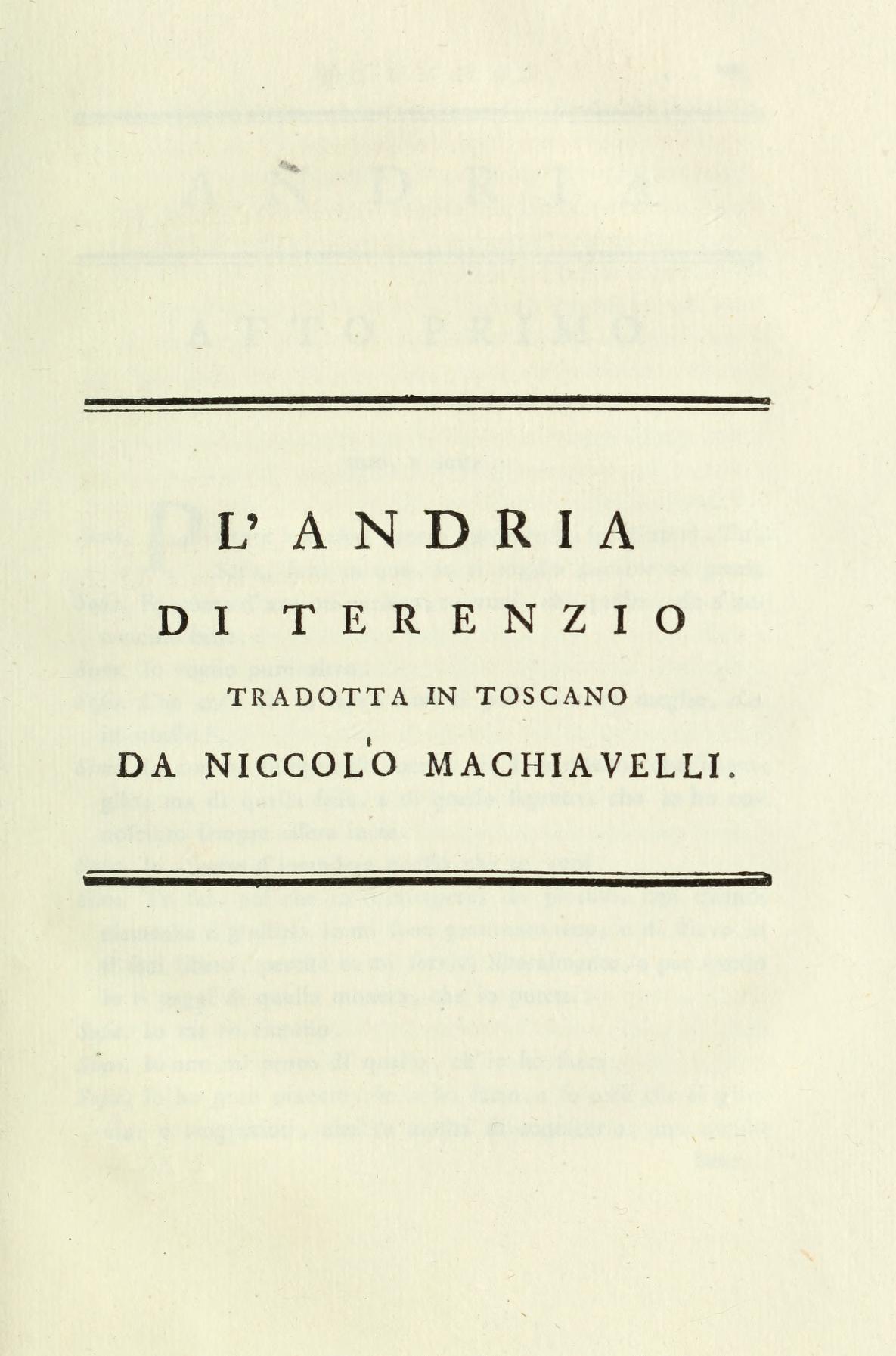 Book
Primary source
Niccolò Machiavelli · 1517-1520
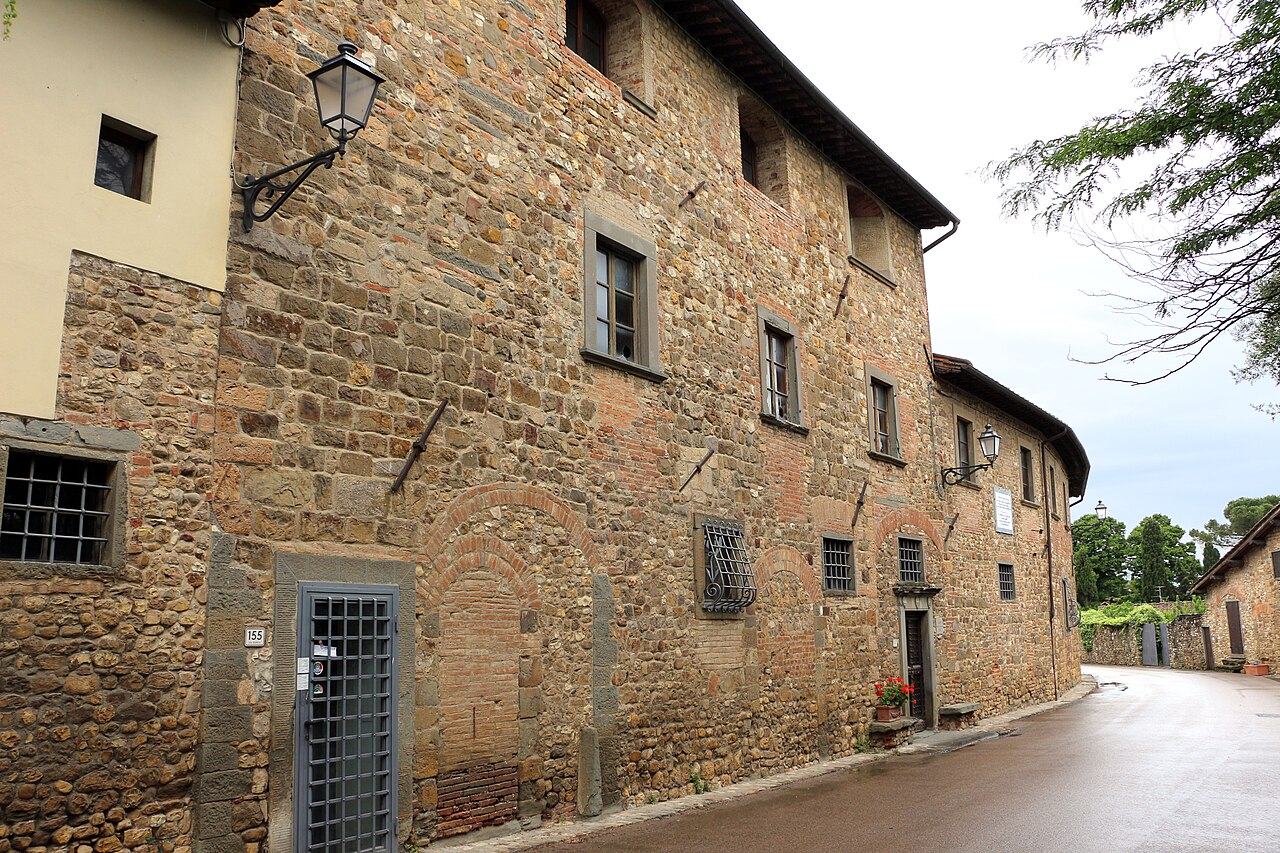 Artifact
Primary source
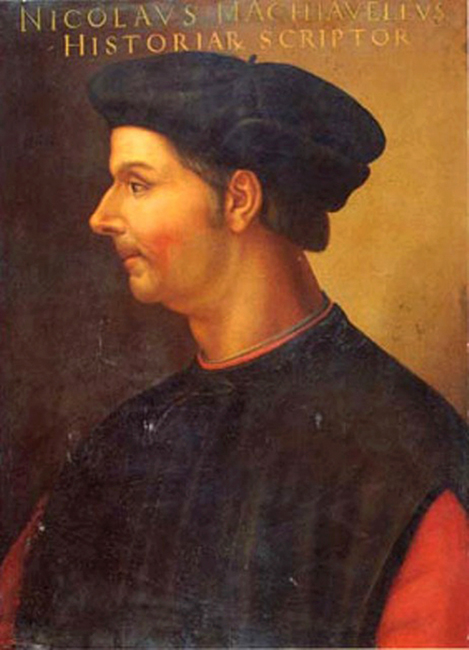 Painting
Secondary source
Cristofano dell'Altissimo
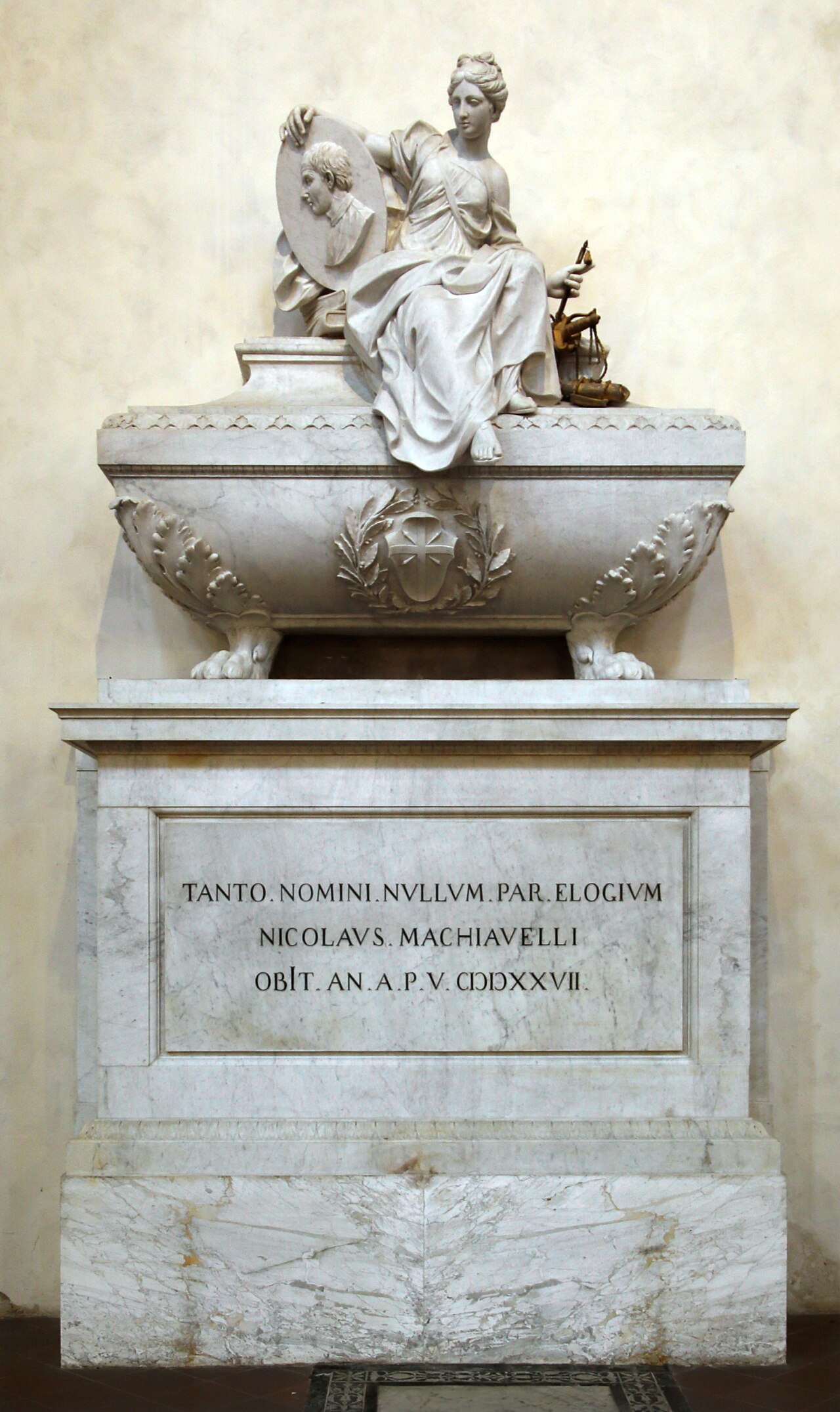 Sculpture
Secondary source
Innocenzo Spinazzi · 1787
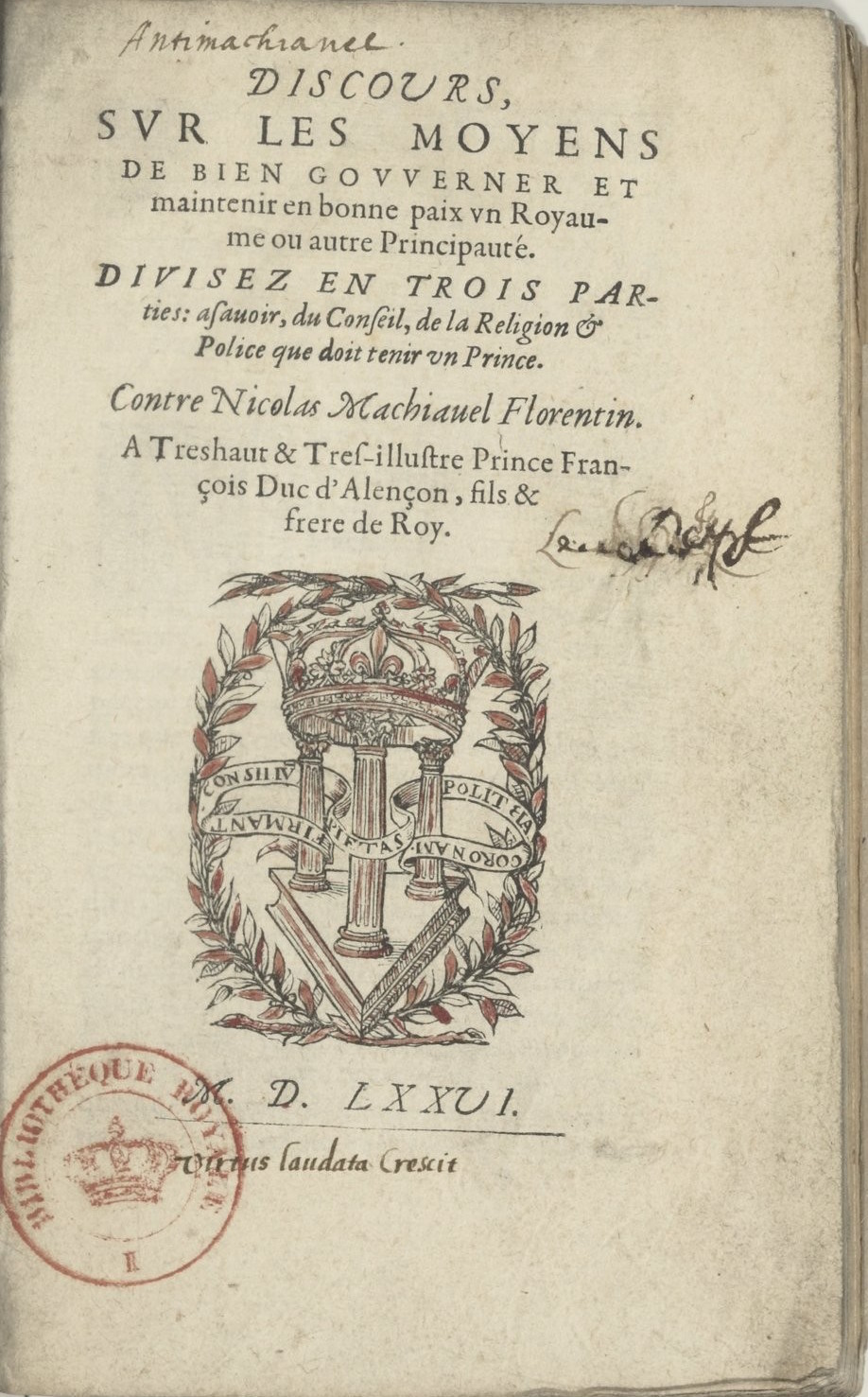 Book
Secondary source
Innocent Gentillet · 1576
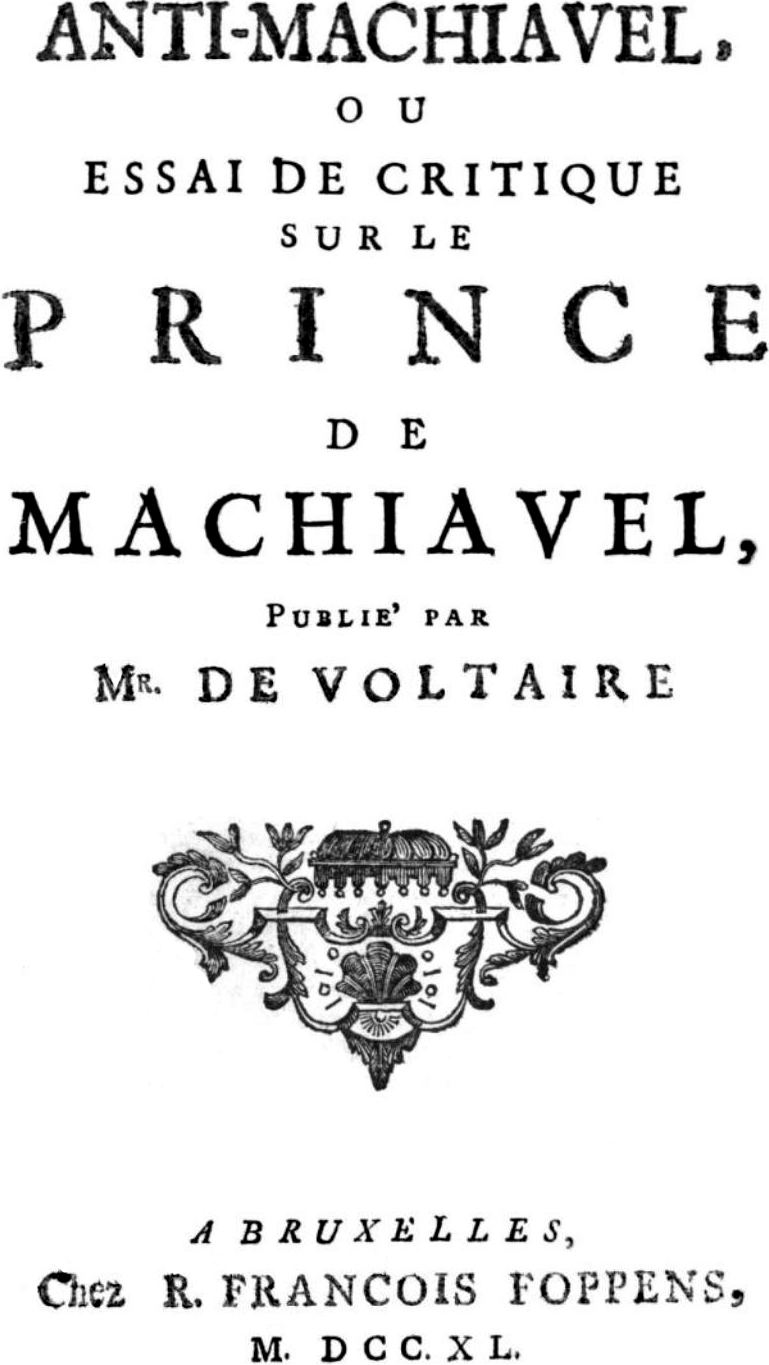 Book
Secondary source
Frederick II of Prussia · 1740
 Book
Secondary source
Sylvester Telius (translator) · 1560
Primary source
Niccolò Machiavelli · 16th century (1783 edition)
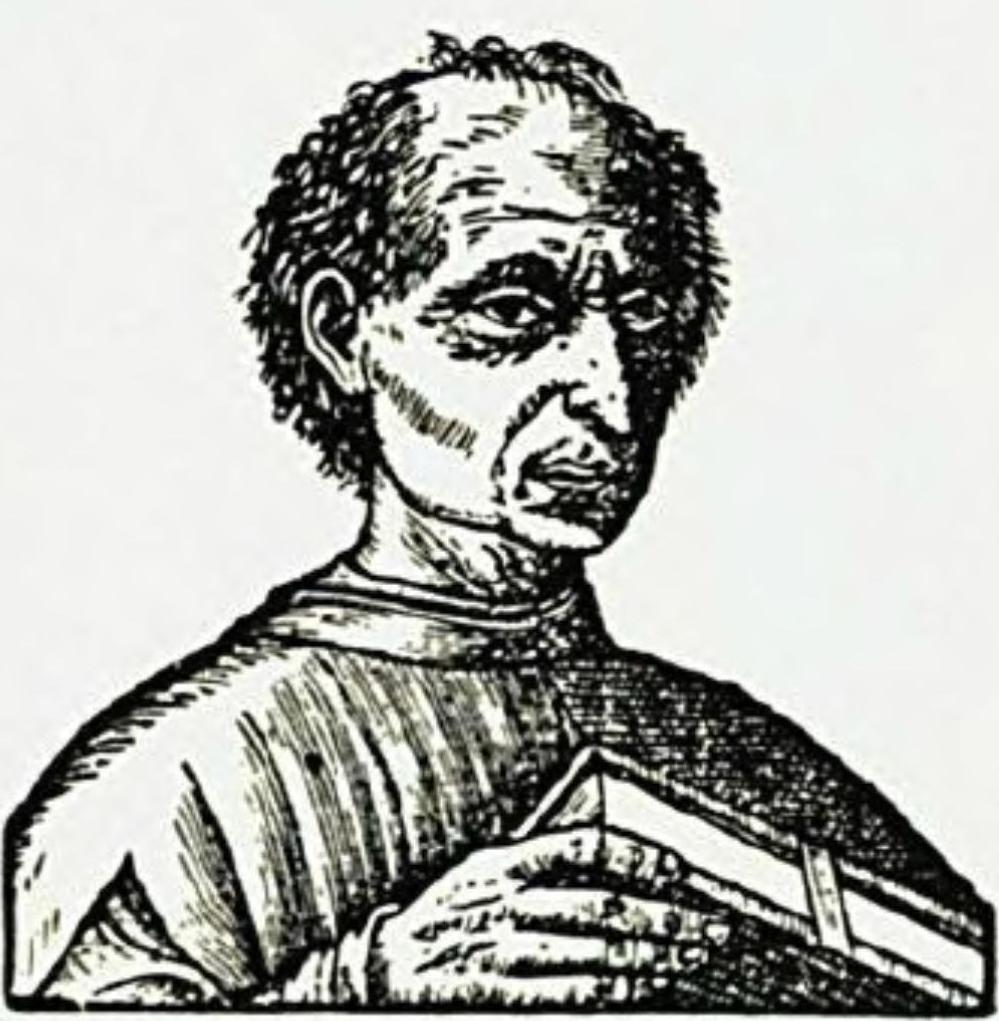 Painting
Secondary source
Unknown · 1550
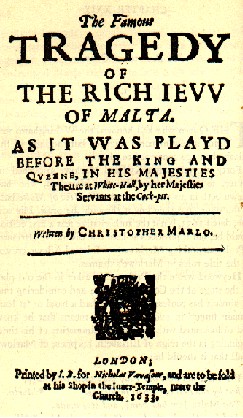 Book
Secondary source
Christopher Marlowe · 1589 or 1590, printed 1633
 Book
Primary source
Niccolò Machiavelli · 1820
Secondary source
Pasquale Villari · 1912
 Book
Primary source
Niccolò Machiavelli · 1910
 Book
Primary source
Niccolò Machiavelli · 1906
 Letter
Primary source
Niccolò Machiavelli · 1915
 Book
Primary source
Niccolò Machiavelli · 1891
Primary source
Niccolò Machiavelli · 1775
Secondary source
Pasquale Villari · 1892
Primary source
Niccolò Machiavelli · 1532
Primary source
Niccolò Machiavelli · 1499
Primary source
Niccolò Machiavelli · 1503
Primary source
Niccolò Machiavelli · 1520
Primary source
Niccolò Machiavelli · 1513 (written); 1910 (this translation)
Primary source
Niccolò Machiavelli · 1921 (this translation)
Primary source
Niccolò Machiavelli
 Book
Primary source
Niccolò Machiavelli · 16th century
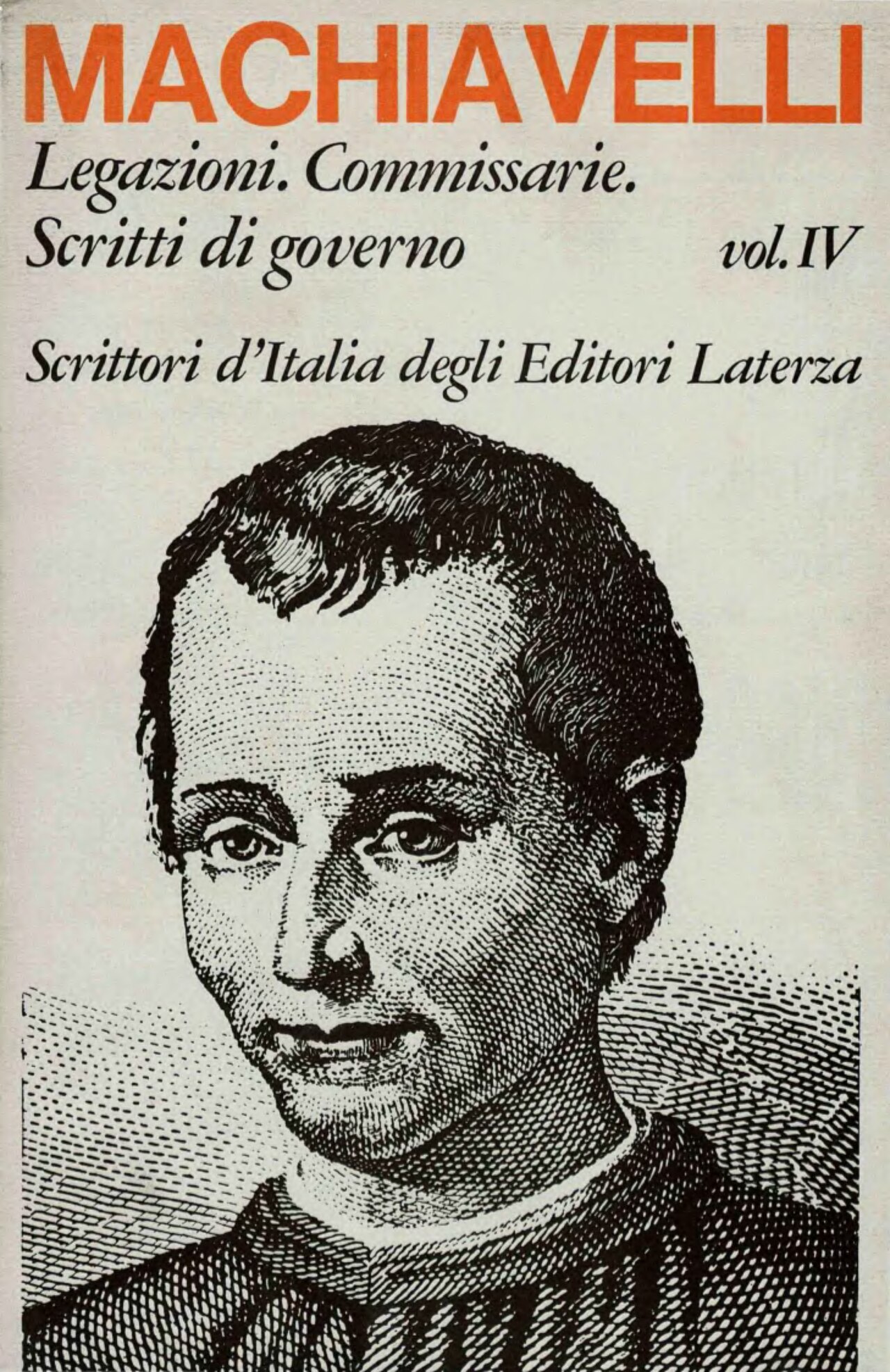 Document
Primary source
Niccolò Machiavelli
 Book
Secondary source
Niccolò Machiavelli · 1914
 Book
Secondary source
L. Couzinet · 1910
 Book
Secondary source
Edward Stockton Meyer · 1897
 Book
Secondary source
Jean Lucas-Dubreton · 1913
Secondary source
Paul Deltuf · 1867
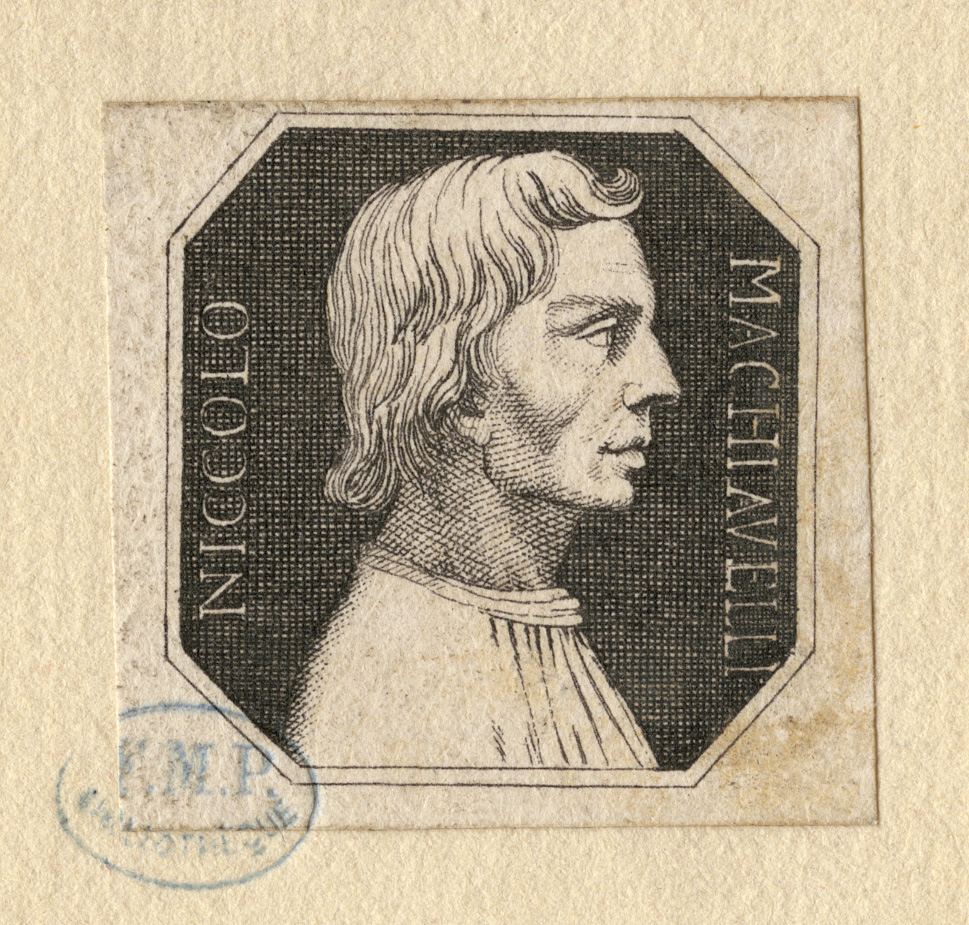 Painting
Secondary source
Aldine Press · November 1540
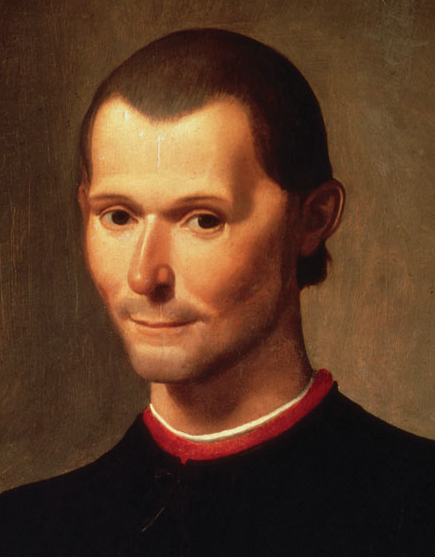 Painting
Secondary source
Santi di Tito · 1550-1600
Primary source
Niccolò Machiavelli · 1762
Primary source
Niccolò Machiavelli · 1921
Primary source
Niccolò Machiavelli · 1499
Primary source
Niccolò Machiavelli · 1503
Primary source
Niccolò Machiavelli · 1503
Primary source
Niccolò Machiavelli · 1503
Primary source
Niccolò Machiavelli · 1508
Primary source
Niccolò Machiavelli · 1509
Primary source
Niccolò Machiavelli · 1509
Primary source
Niccolò Machiavelli
Primary source
Niccolò Machiavelli
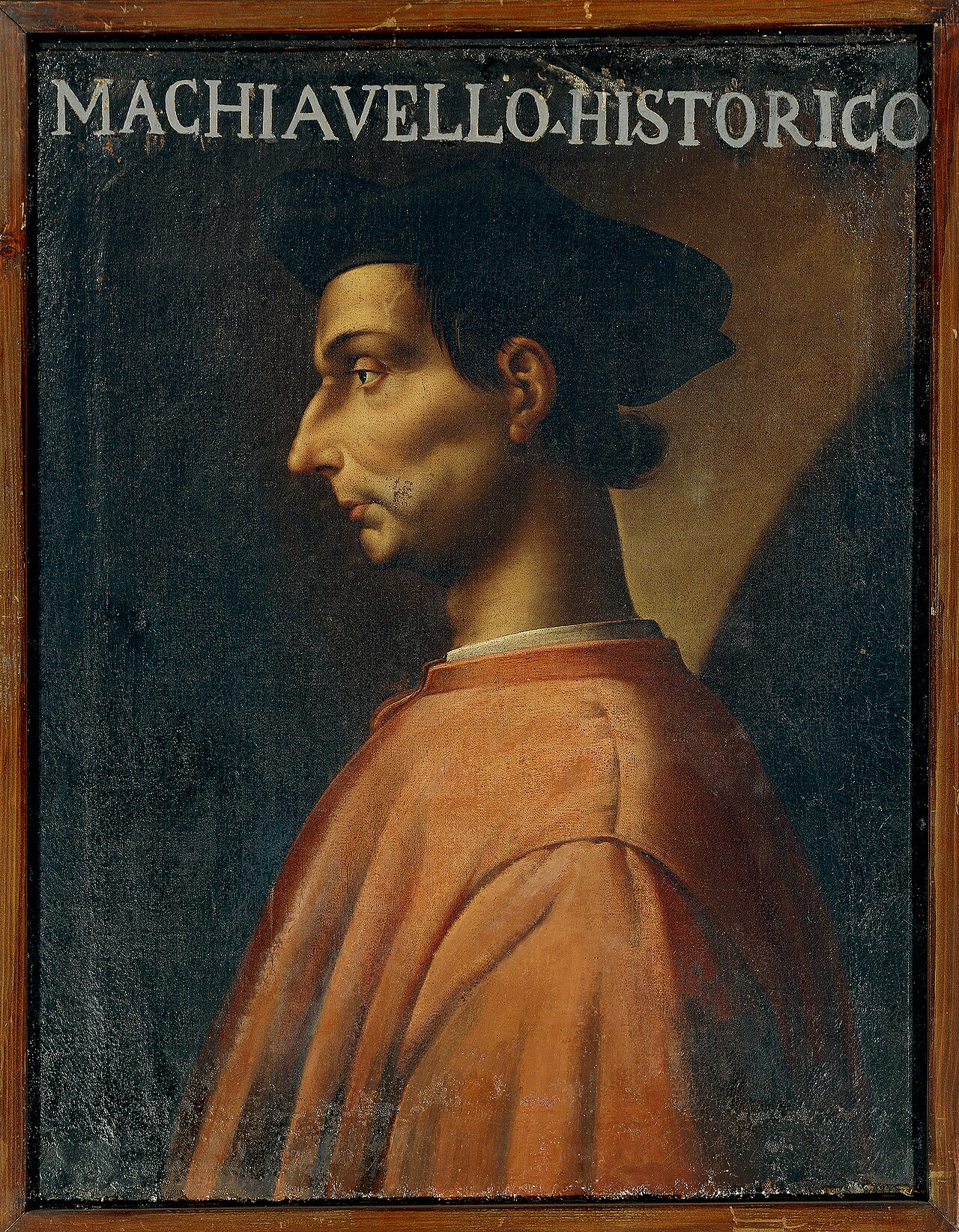 Painting
Secondary source
Antonio Maria Crespi Castoldi · first half of 17th century
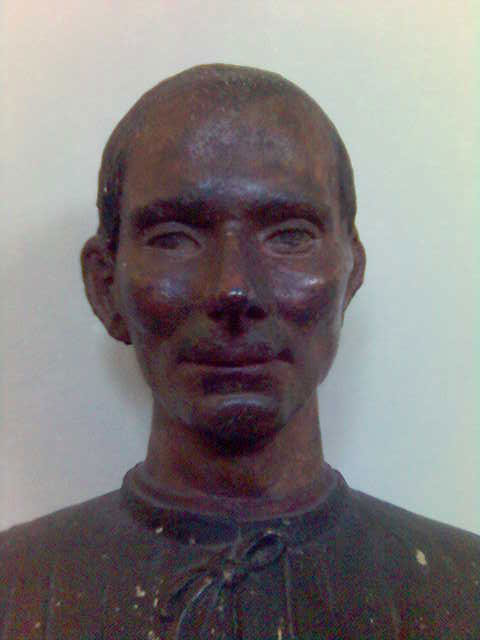 Sculpture
Secondary source
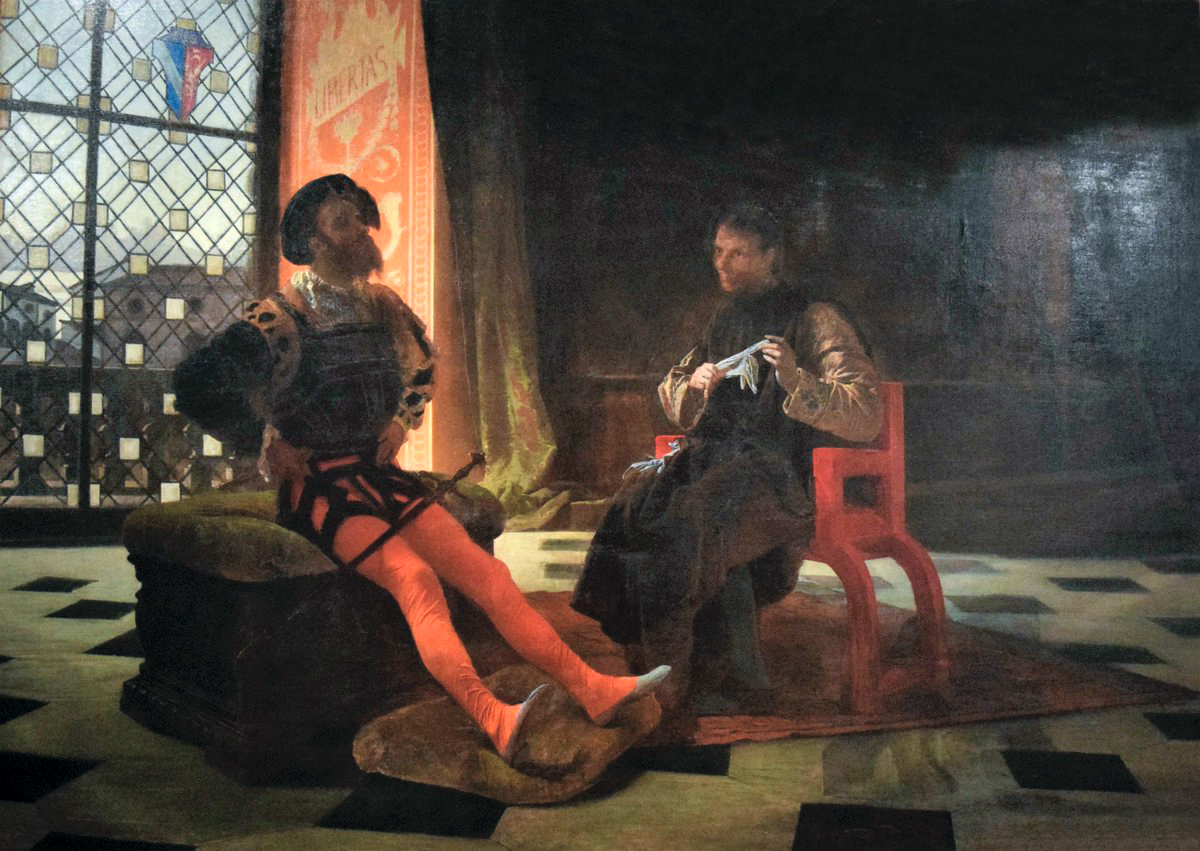 Painting
Secondary source
Federico Faruffini · 1864
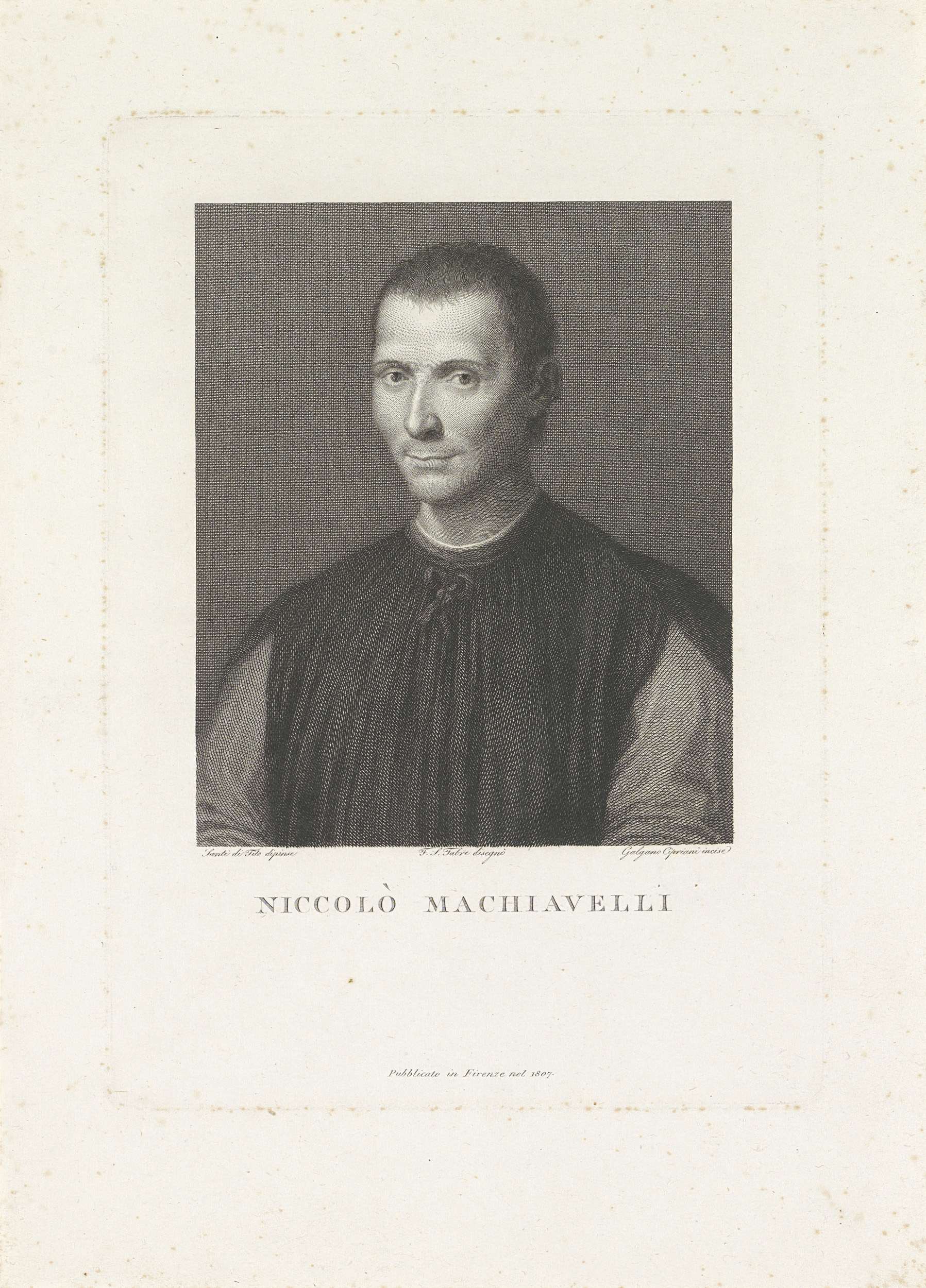 Painting
Secondary source
1807
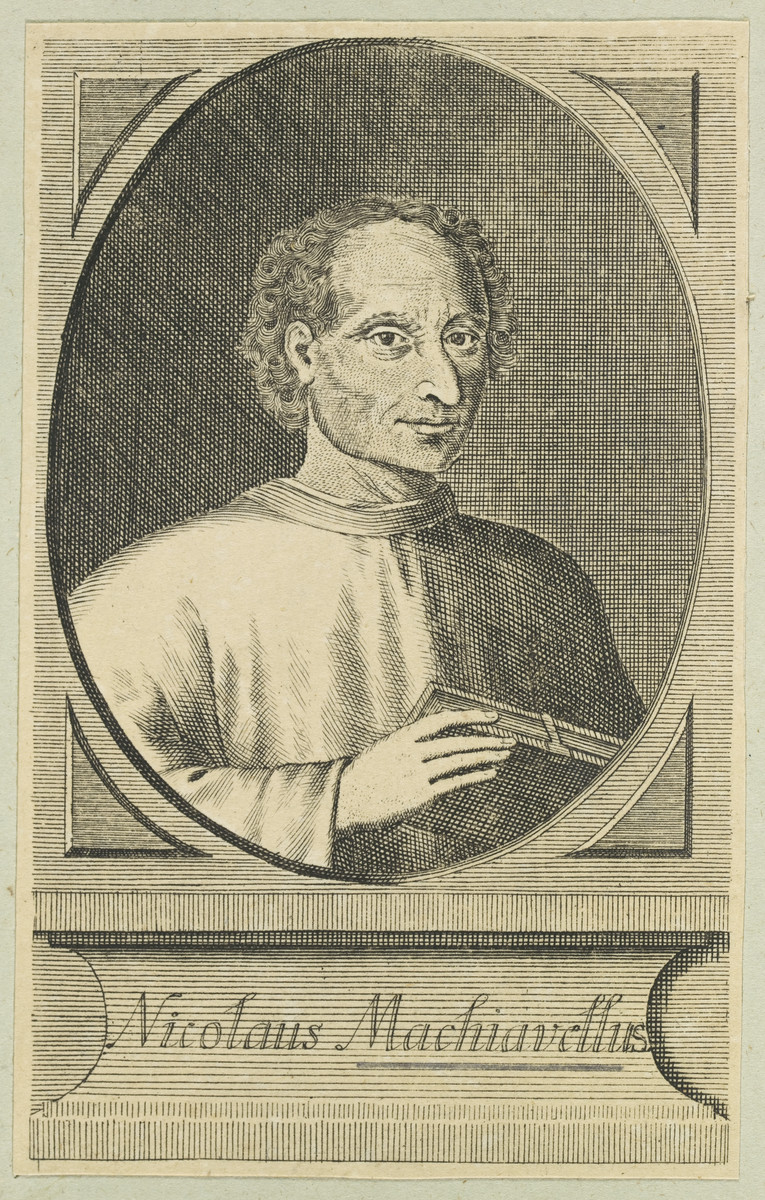 Painting
Secondary source
Johann Georg Mentzel
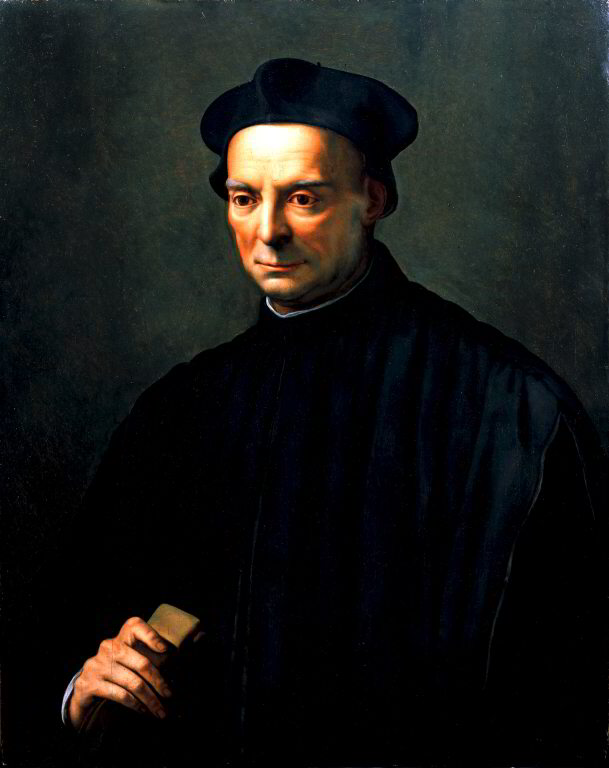 Painting
Secondary source
Ridolfo del Ghirlandaio · c. 1550
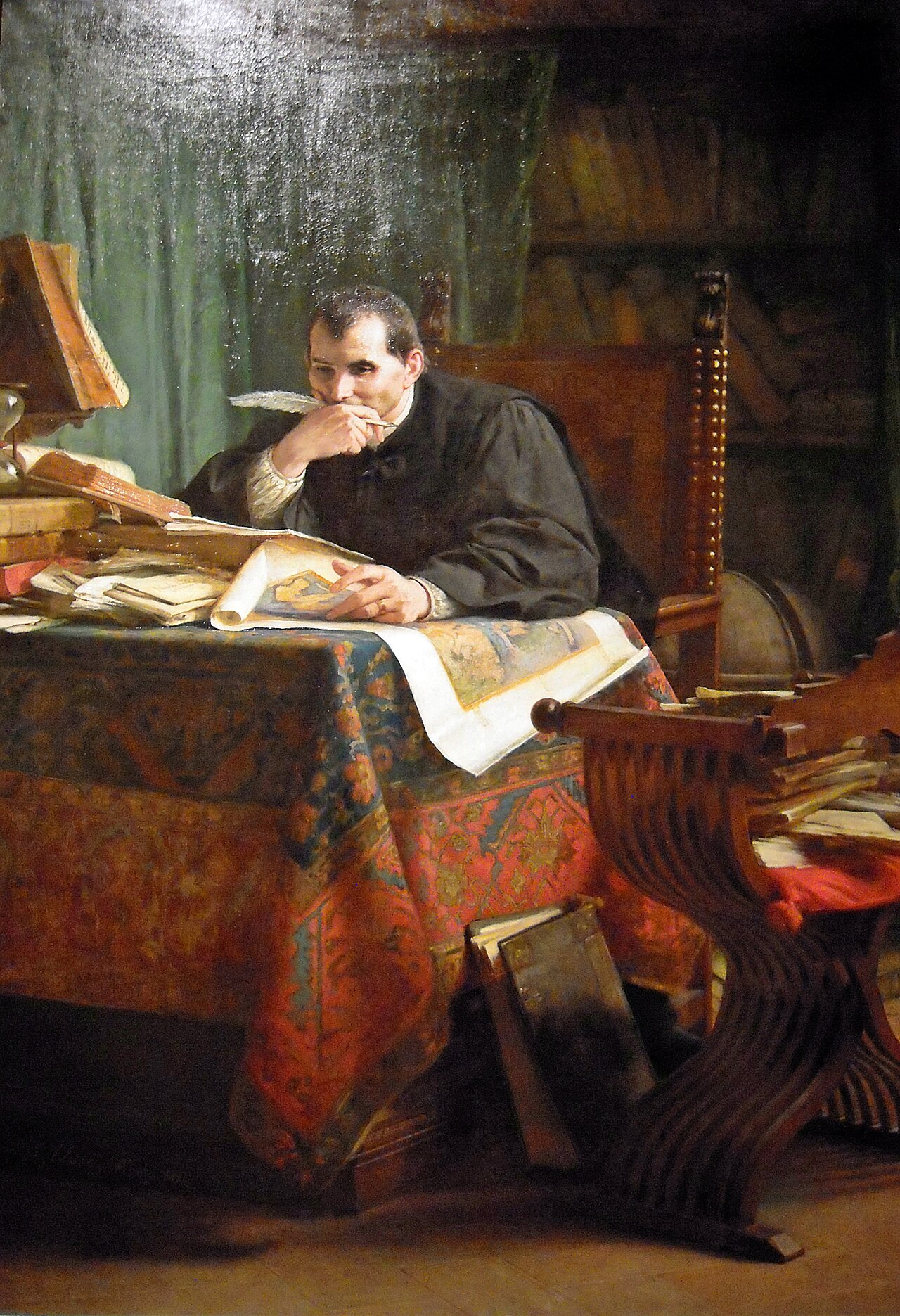 Painting
Secondary source
Stefano Ussi · 1894
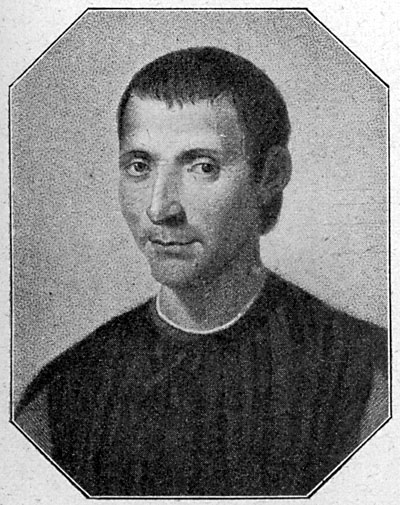 Painting
Secondary source
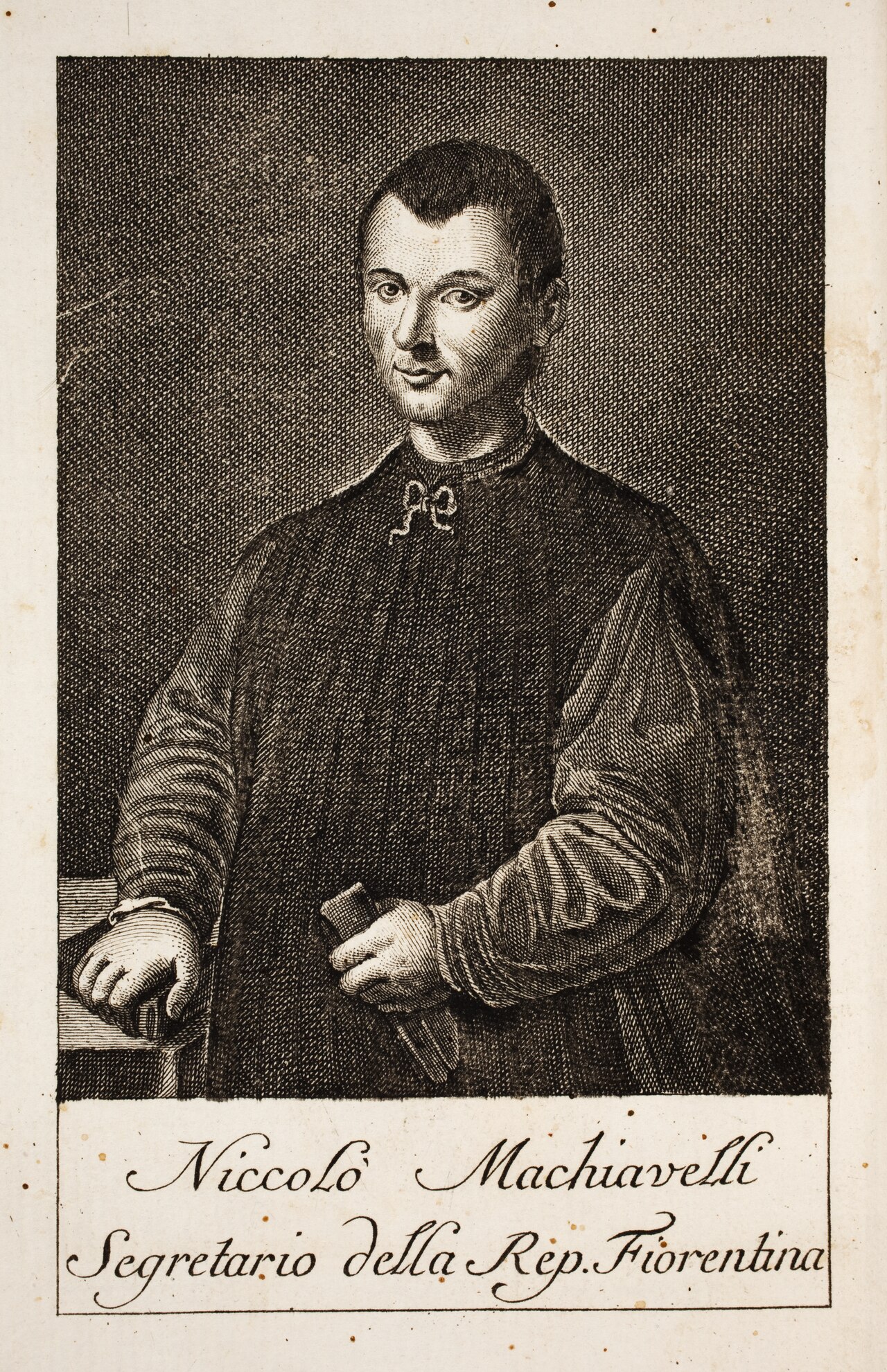 Painting
Secondary source
1769
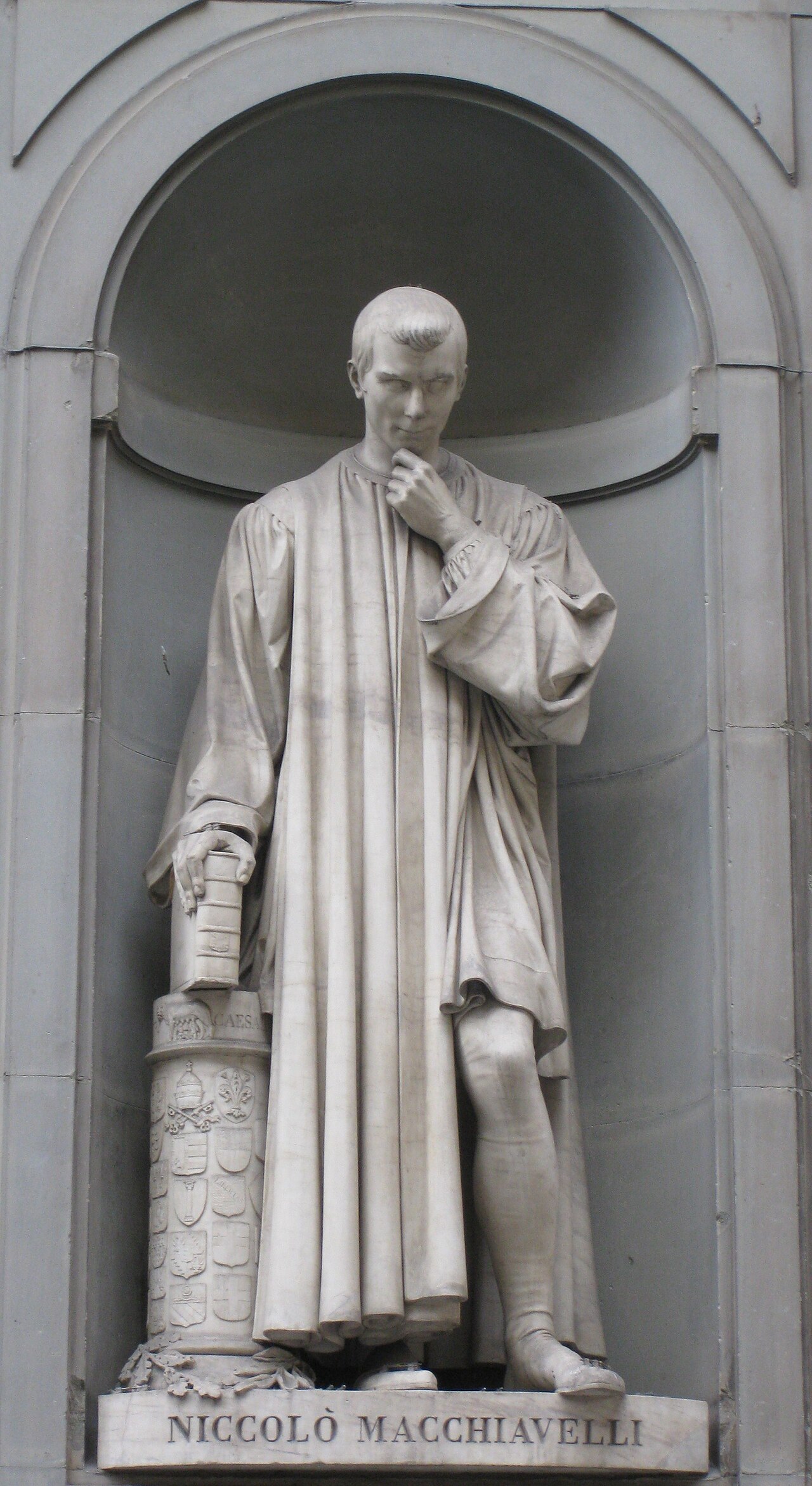 Photograph
Secondary source
Deror avi · 2009-05-08
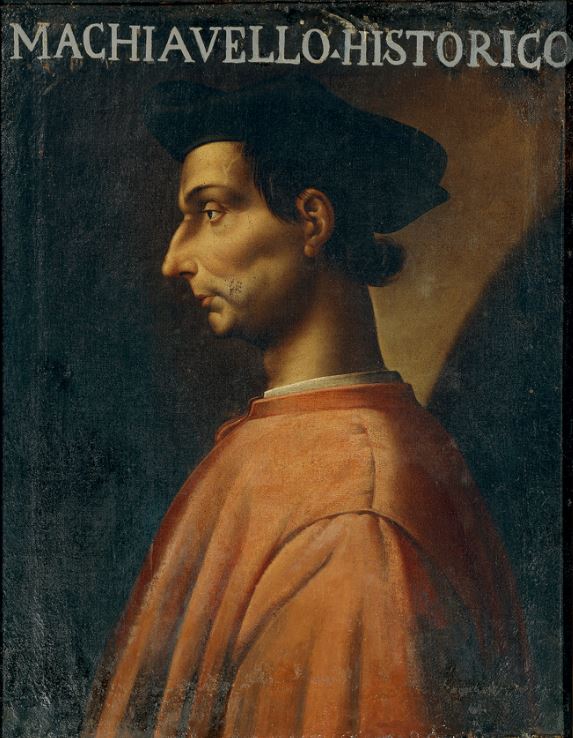 Painting
Secondary source
Antonio Maria Crespi Castoldi · first half of the 17th century
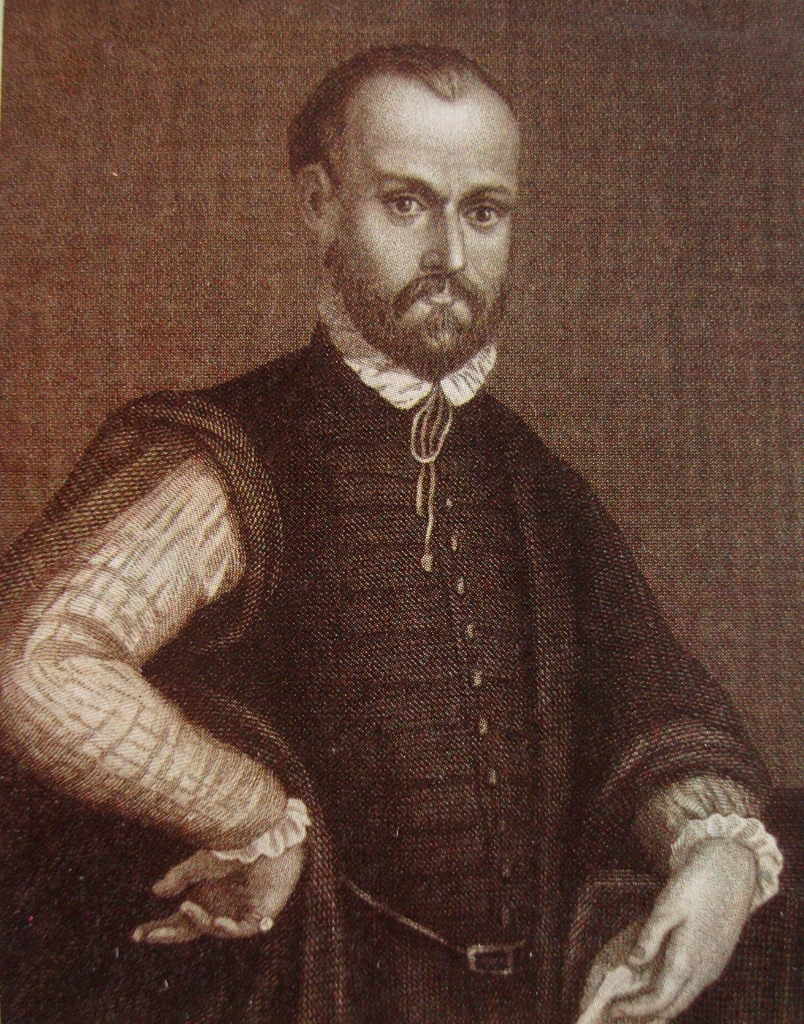 Painting
Secondary source
Hinchliff · before 1848
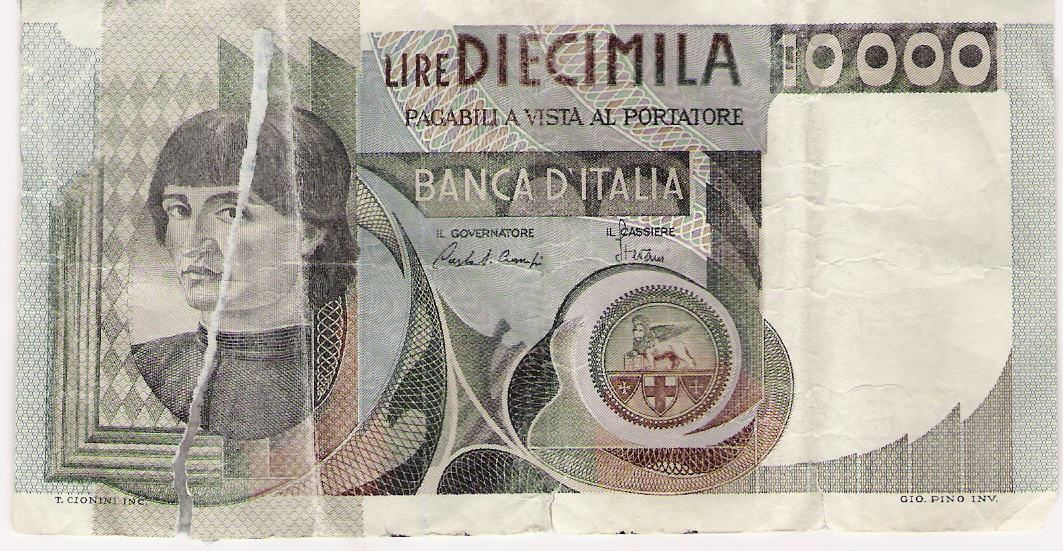 Artifact
Secondary source
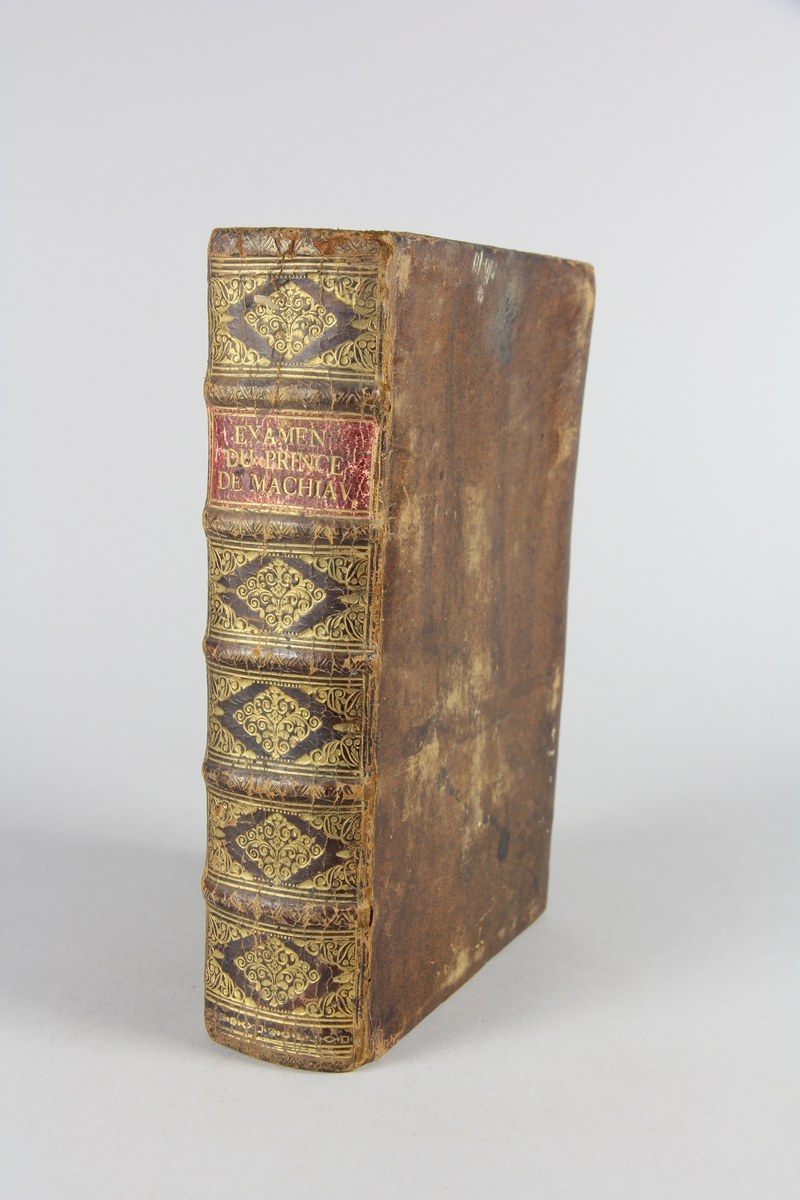 Book
Secondary source
1741
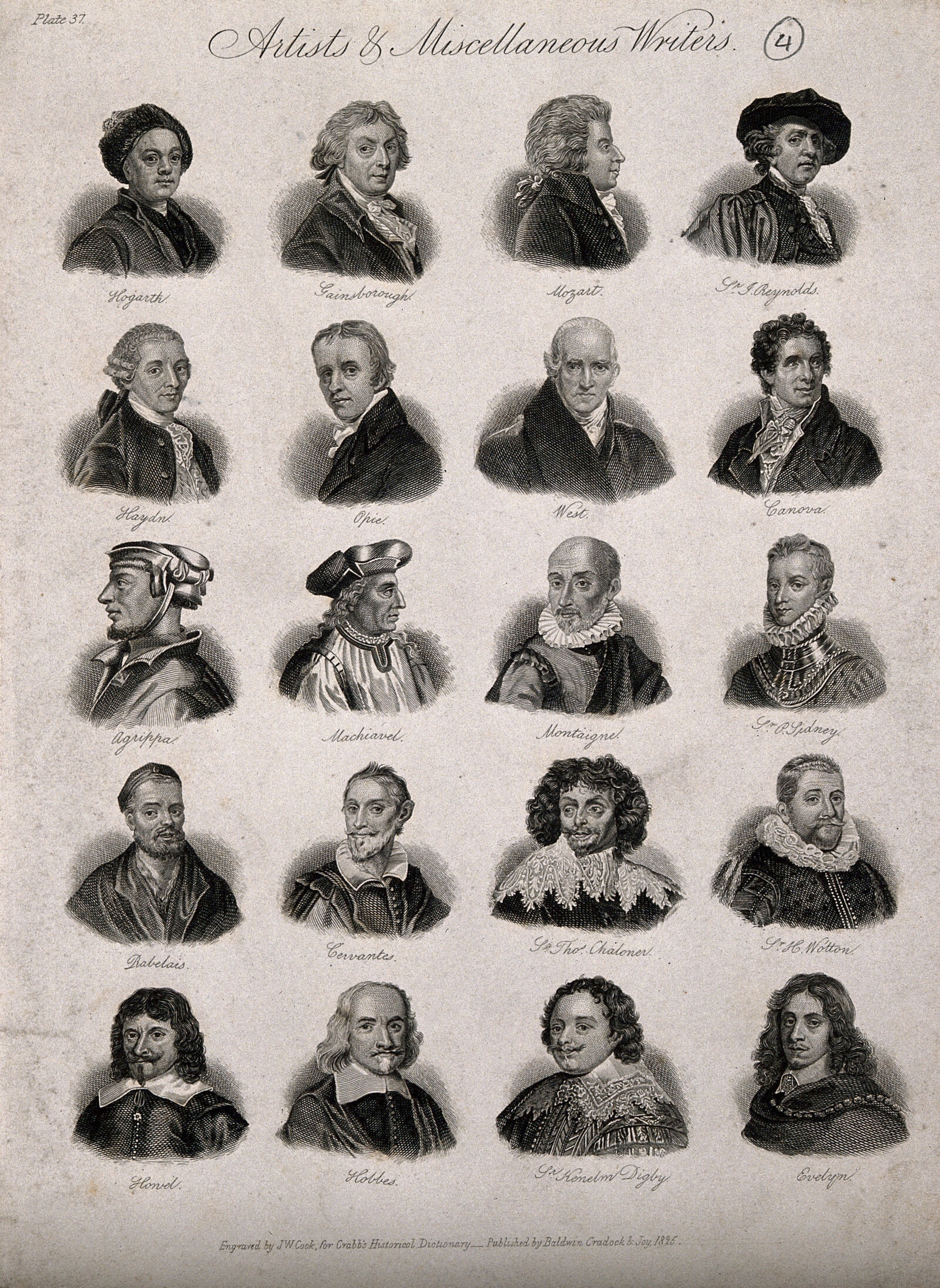 Painting
Secondary source
John William Cook · 1825
Want the full shelf? Chat with Niccolo Machiavelli in the app and open the Sources panel — every quote links back to the original.
1 collection
A ready-made collection from the Humy team that features Niccolo Machiavelli. Preview it, then try it free.
Paying customers



























Dr. Michael Calvert
Assistant Superintendent, South Allegheny School District, Pennsylvania
Been using Humy in his district since 2024
“We enjoyed the program last year and used it frequently.”

Jacob Chisom
World and American History, Monticello High School, Arkansas
Been using Humy in his classroom since 2024
“My students say it’s a welcome change of pace. I’m not a fan of the “sage on the stage” model, so I try to incorporate research-oriented and self-paced activities. With Humy, students have to take charge of their learning. They’ve become more adept at critical thinking, forming better questions, and improving their reading comprehension. The interview feature has been my go-to tool. I create assignments where students must ask historical figures a set number of questions, then summarize the responses to ensure they’re truly absorbing the material. This approach lets them actively explore the past rather than passively consuming information.”
Roger Campbell
7th-grade World History, Lancaster County, Pennsylvania
Been using Humy in his classroom since 2024
“Humy has helped me bring historical figures, sometimes long past, to life. When my students interact with these figures in real-time, it eliminates some of the perceived “ancient” characteristics of my curriculum. This has shifted my students’ thinking away from viewing history as abstract or irrelevant. Real-time interactions make historical figures relatable, even allowing students to ask off-topic questions that help put historical lives in a more relevant context for 13-year-olds. The feature I use the most is the interview feature. After teaching a topic, most recently Gandhi and Joan of Arc, I have the students ask pointed, focused questions. We practice good conversation techniques beforehand, teaching them to listen (or read) carefully and formulate thoughtful follow-up questions rather than just interrogating. It helps students practice effective conversation skills.”
Dr. Michael Calvert
Assistant Superintendent, South Allegheny School District, Pennsylvania
Been using Humy in his district since 2024
“We enjoyed the program last year and used it frequently.”
Jacob Chisom
World and American History, Monticello High School, Arkansas
Been using Humy in his classroom since 2024
“My students say it’s a welcome change of pace. I’m not a fan of the “sage on the stage” model, so I try to incorporate research-oriented and self-paced activities. With Humy, students have to take charge of their learning. They’ve become more adept at critical thinking, forming better questions, and improving their reading comprehension. The interview feature has been my go-to tool. I create assignments where students must ask historical figures a set number of questions, then summarize the responses to ensure they’re truly absorbing the material. This approach lets them actively explore the past rather than passively consuming information.”
Roger Campbell
7th-grade World History, Lancaster County, Pennsylvania
Been using Humy in his classroom since 2024
“Humy has helped me bring historical figures, sometimes long past, to life. When my students interact with these figures in real-time, it eliminates some of the perceived “ancient” characteristics of my curriculum. This has shifted my students’ thinking away from viewing history as abstract or irrelevant. Real-time interactions make historical figures relatable, even allowing students to ask off-topic questions that help put historical lives in a more relevant context for 13-year-olds. The feature I use the most is the interview feature. After teaching a topic, most recently Gandhi and Joan of Arc, I have the students ask pointed, focused questions. We practice good conversation techniques beforehand, teaching them to listen (or read) carefully and formulate thoughtful follow-up questions rather than just interrogating. It helps students practice effective conversation skills.”
FAQ
Like any LLM, the AI version of Niccolo Machiavelli can get details wrong. Open one of these sources in a new tab to verify what you’ve read.

French Renaissance philosopher known for popularizing the essay as a literary genre.

Renowned English lawyer and statesman, author of "Utopia.

King of England and Scotland who reigned during the early 17th century and was known for commissioning the King James Bible.

Renaissance physician, alchemist, and astrologer.

Influential queen consort of Henry VIII.

Queen of England, first wife of King Henry VIII.
Ready when you are
20 messages free · No credit card · Available in 50+ languages.