


Secondary sourceDocument1564 edition shown; Montesquieu's work added 1751
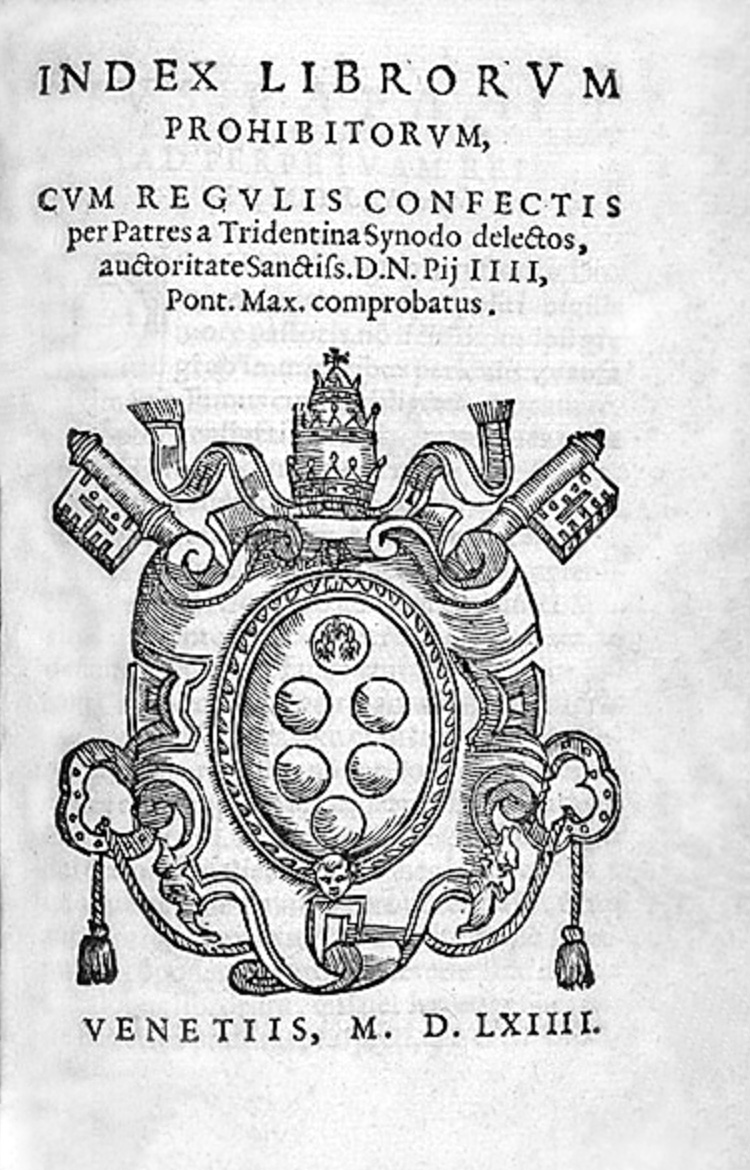
Index Librorum Prohibitorum
1564 edition shown; Montesquieu's work added 1751
The Catholic Church's list of banned books, which placed Montesquieu's The Spirit of the Laws on it in 1751, showing the religious opposition his work faced.
Montesquieu's The Spirit of the Laws was placed on this Church list of banned books in 1751, showing the controversy his ideas provoked.
About this source
What it is
The Index Librorum Prohibitorum was a changing list, maintained by the Catholic Church from 1560 to 1966, of books Catholics were forbidden to print or read because they were judged heretical or immoral. The title page shown here is from a 1564 Venice edition of the Index, decorated with a woodcut of papal arms.
Why it matters
In 1751, the Church placed Montesquieu's major work The Spirit of the Laws on this list. This shows how controversial his ideas about government and law were seen by religious authorities at the time. The Index as a whole also banned works by many other major thinkers, including Copernicus, Kepler, and Immanuel Kant, showing how widely the Church sought to control dangerous or disruptive ideas during this period.
Look closer
- Why might the Church have found Montesquieu's ideas about law and government threatening?
- What does it mean that so many major thinkers ended up on this same list?
- How might being banned affect how widely a book was actually read?
This document is part of the curated material that grounds the AI version of Baron de Montesquieu, Niccolo Machiavelli and Desiderius Erasmus on Humy.ai — when students ask about related events, the AI can quote it and cite it.
More Baron de Montesquieu sources
Meet the AI Baron de Montesquieu →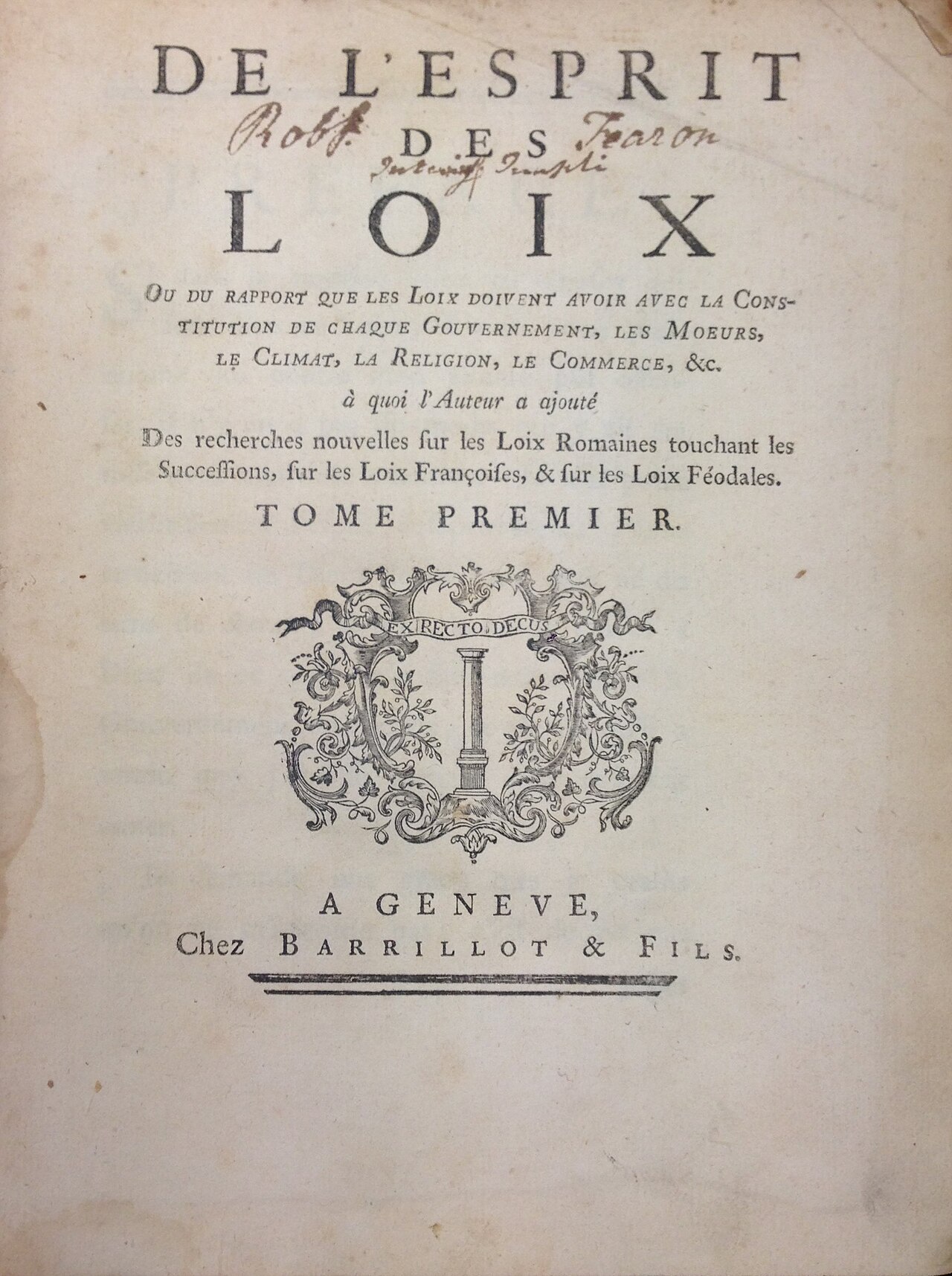 Book
Primary source
The Spirit of the Laws
Montesquieu · 1748
 Book
Primary source
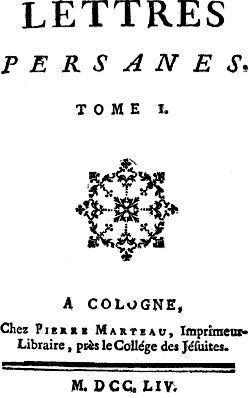
Persian Letters
Montesquieu · 1721
 Book
Primary source
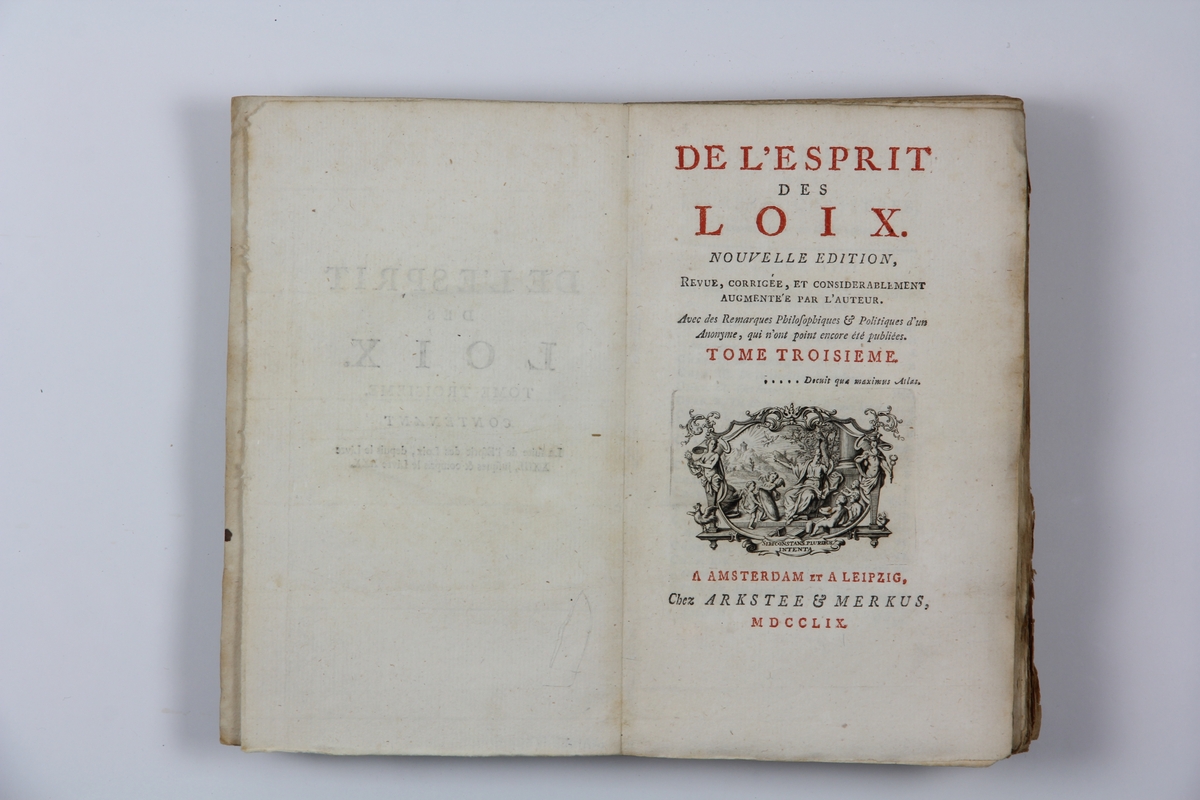
De l'esprit des loix (volume III), Amsterdam and Leipzig, 1759
Montesquieu · 1759
 Book
Primary source
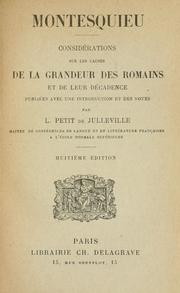
Considerations on the Causes of the Greatness of the Romans and their Decline
Montesquieu · 1734
 Document
Primary source
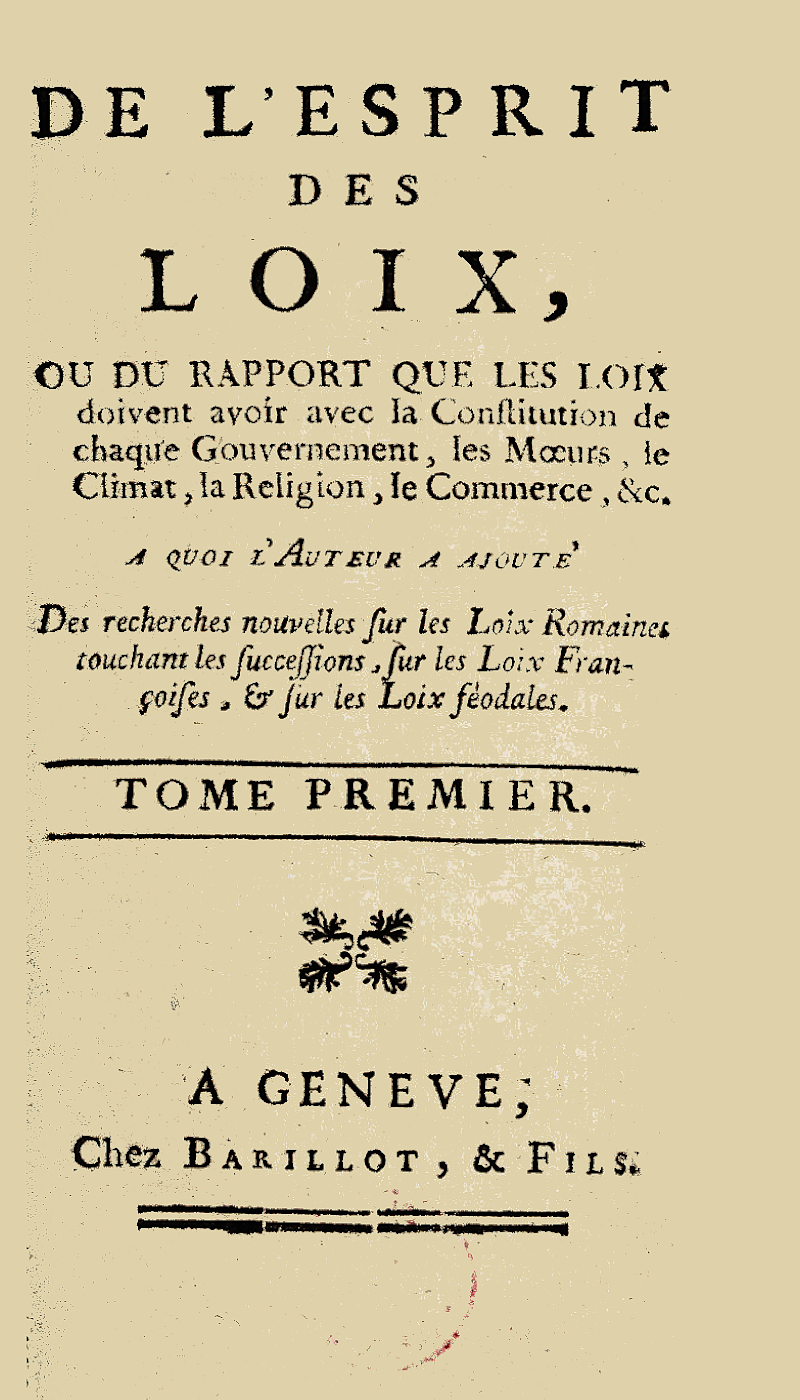
De l'Esprit des loix, Volume 1, Title Page
Montesquieu · 1748-1750
Ready when you are
Start chatting with Baron de Montesquieu now.
20 messages free · No credit card · Available in 50+ languages.