


Secondary sourceBook
The Martyrdom of Hypatia
Mangasar Mangasarian
An essay by Mangasar Mangasarian discussing Hypatia's death and her legacy as a martyr for free thought.
An essay using Hypatia's death as a symbol of martyrdom for free thought and philosophy.
Free Humy account · No credit card · 120,912 sources to read
About this source
What it is
This is an essay titled "The Martyrdom of Hypatia" by Mangasar Mugurditch Mangasarian, listed among later works about Hypatia on Wikisource. It discusses the city of Alexandria and the events surrounding her death.
Why it matters
Mangasarian's essay is part of a long tradition of later writers using Hypatia's story to make broader points about intellectual freedom, religious conflict, and the clash between philosophy and dogma. It shows how her death became a symbol used for different arguments long after her lifetime.
Look closer
- What point is the author trying to make by retelling Hypatia's story?
- How does the author describe the tensions in Alexandria, and what does that tell us about the author's own views?
- Why might writers centuries later be drawn to retell the story of Hypatia's death?
This book is part of the curated material that grounds the AI version of Hypatia on Humy.ai — when students ask about related events, the AI can quote it and cite it.
More Hypatia sources
Browse all 45 →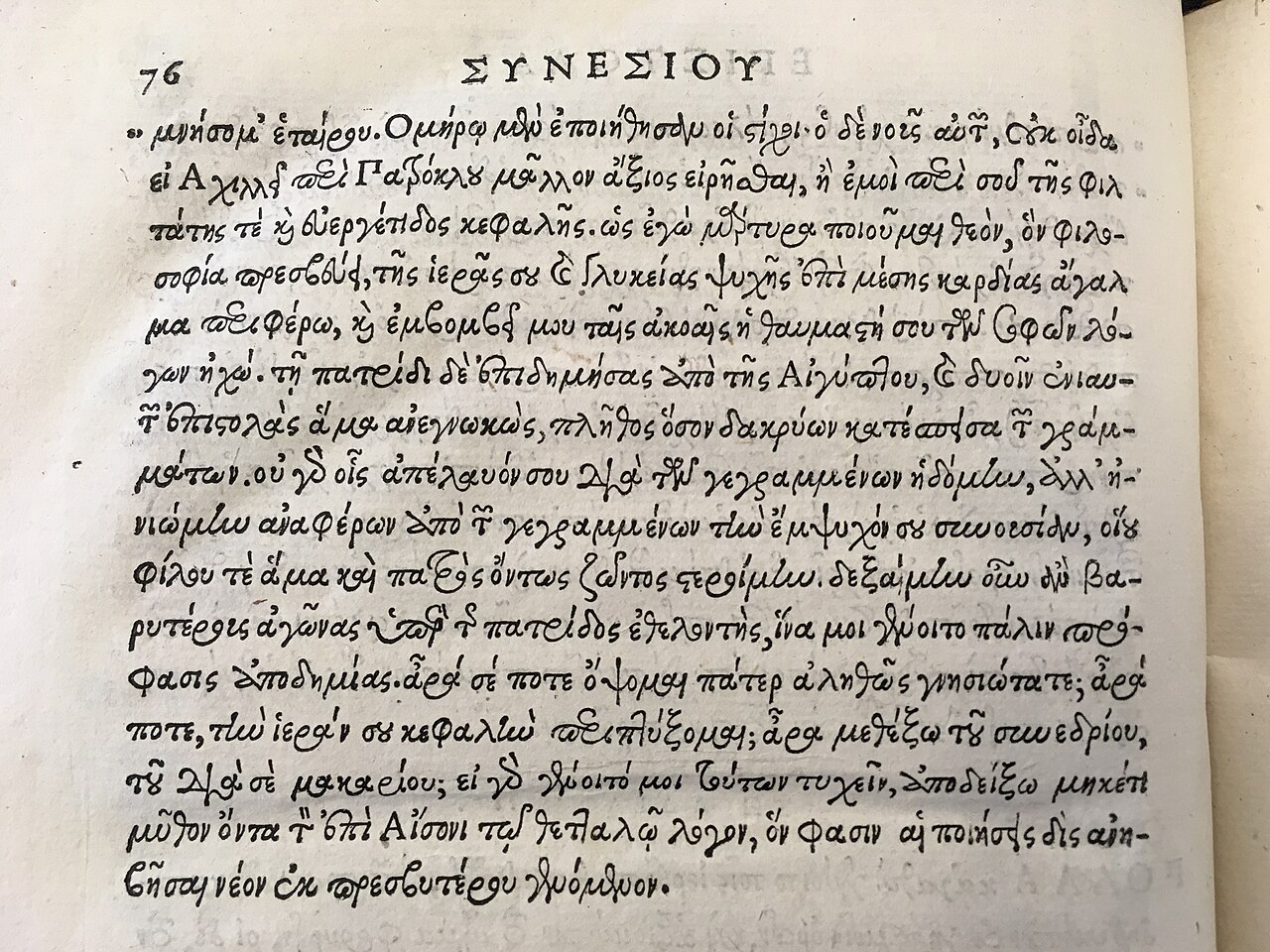 Letter
Secondary source
Letter of Synesius to Hypatia (page 76)
Synesius of Cyrene · 1553 (printed edition of a 5th-century letter)
 Letter
Secondary source
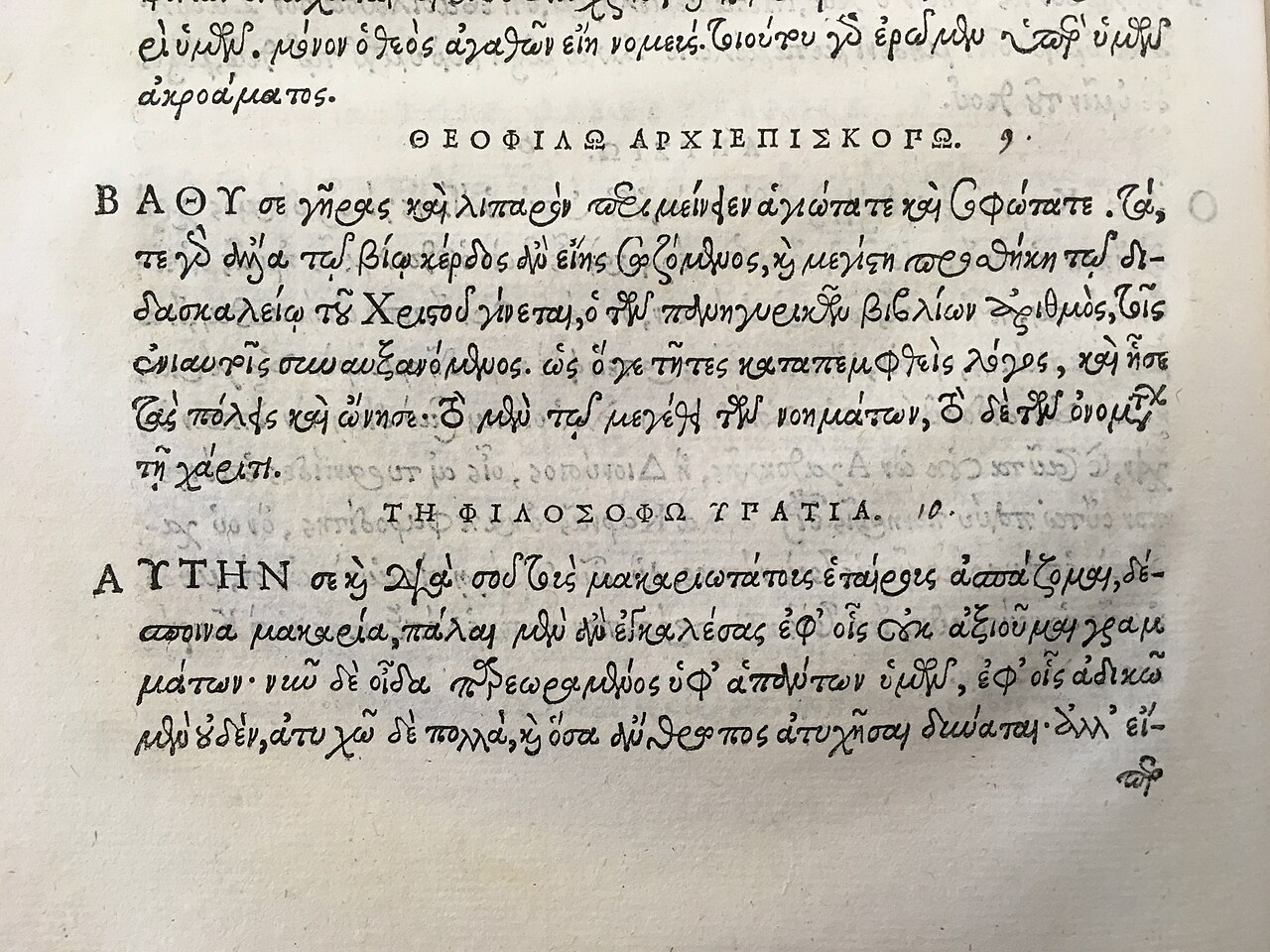
Letter of Synesius to Hypatia (page with address to Theophilus and Hypatia)
Synesius of Cyrene · 1553 (printed edition of a 5th-century letter)
 Book
Secondary source
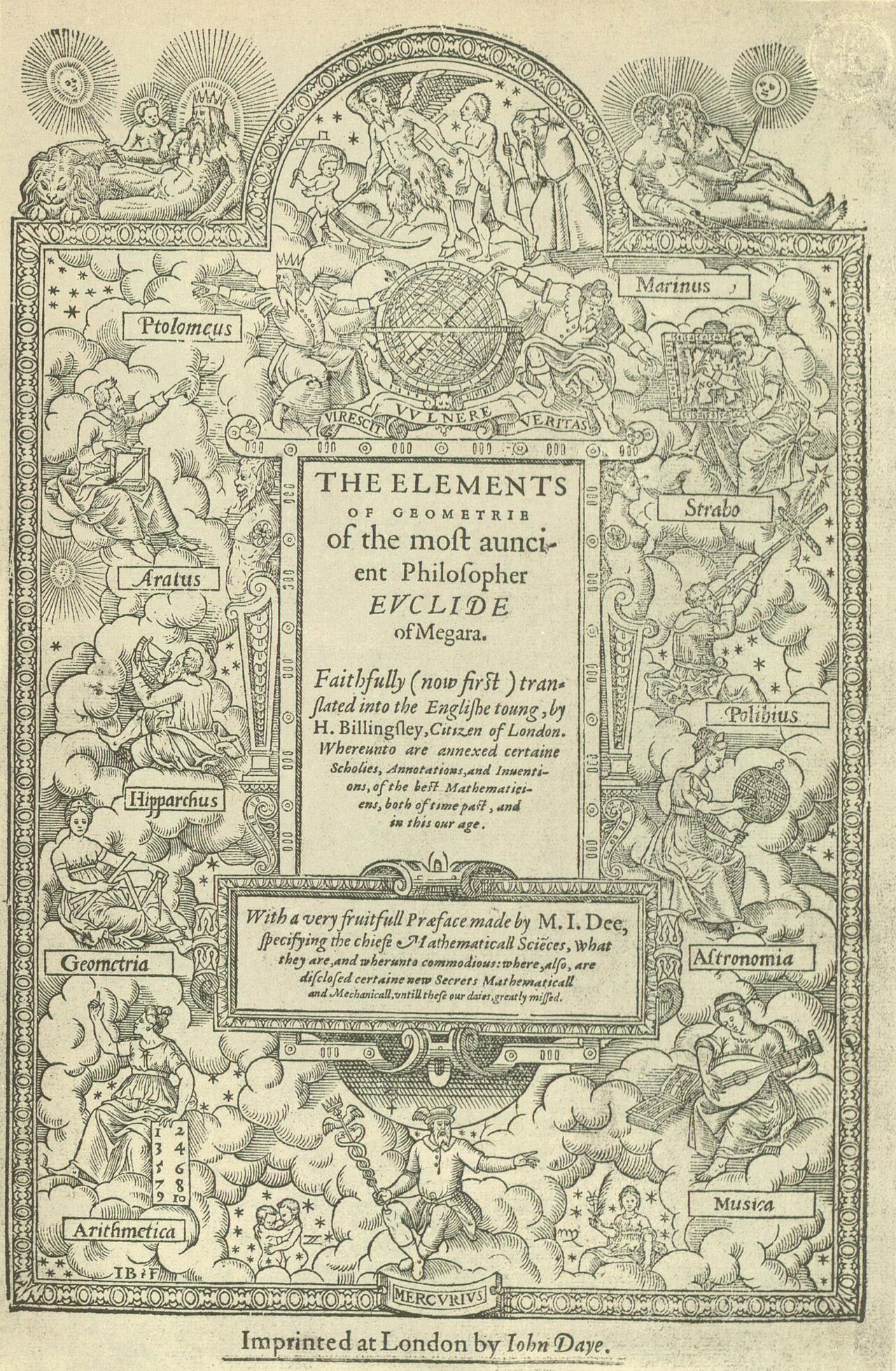
Elements
Euclid · c. 300 BC
 Document
Secondary source
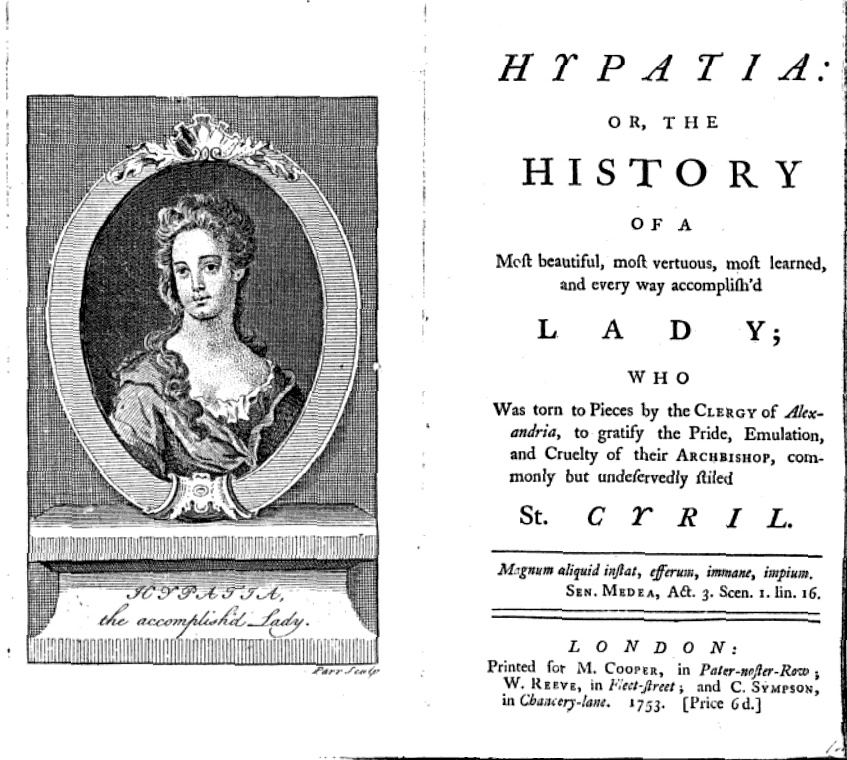
Hypatia: Or the History of a most beautiful, most vertuous, most learned, and every way accomplish'd Lady
John Toland · 1720 (republished 1753)

Free account
Read every Hypatia source
Sign up free →
Ready when you are
Start chatting with Hypatia now.
20 messages free · No credit card · Available in 50+ languages.