


Primary sourceBook1910
The Moral Equivalent of War
William James · 1910
James's 1910 essay proposing a civilian national service to channel the discipline of war into peaceful ends.
James wrote this essay himself late in life, applying his philosophy to the problem of war and civic life.
About this source
What it is
This essay was written by William James in 1910, near the end of his life. In it he argues that while war has produced real human virtues like discipline and sacrifice, society needs to find a peaceful substitute for these so-called martial virtues.
Why it matters
James was a philosopher deeply concerned with ethics and human nature, and this essay reflects his pragmatist belief in testing ideas against real consequences. The proposal — a kind of civilian service that channels youthful energy without war — later influenced thinking about national service programmes. It shows how a philosopher tried to apply abstract ideas to pressing political and moral problems of his time.
Look closer
- What examples does James use to show that people value the memory of war even while rejecting the idea of fighting again?
- Why might James, as a psychologist, be especially interested in the emotional pull of war?
- What does this essay leave unexamined about the costs of war he does acknowledge?
This book is part of the curated material that grounds the AI version of William James on Humy.ai — when students ask about related events, the AI can quote it and cite it.
More William James sources
Meet the AI William James →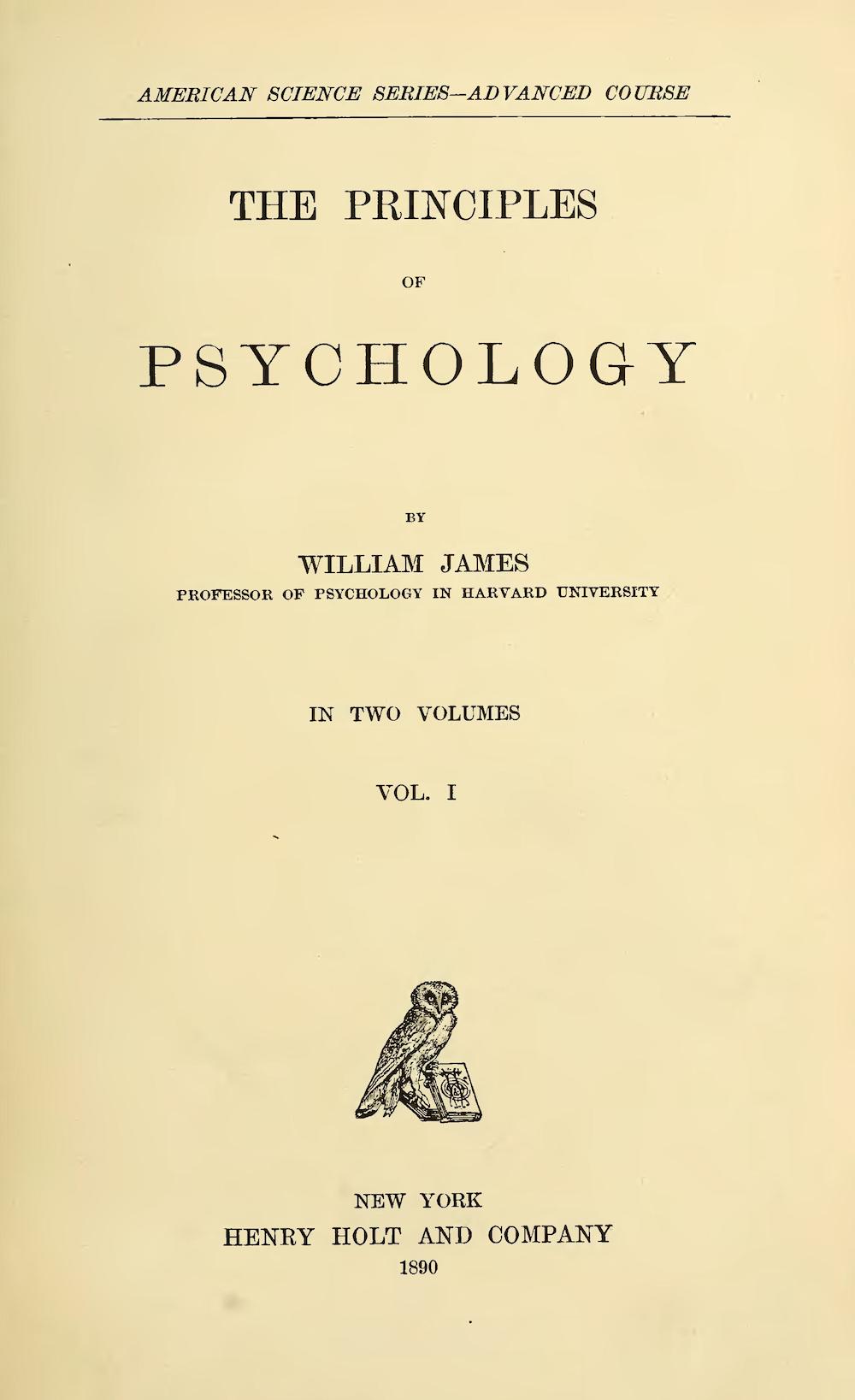 Book
Primary source
The Principles of Psychology
William James · 1890
 Book
Primary source
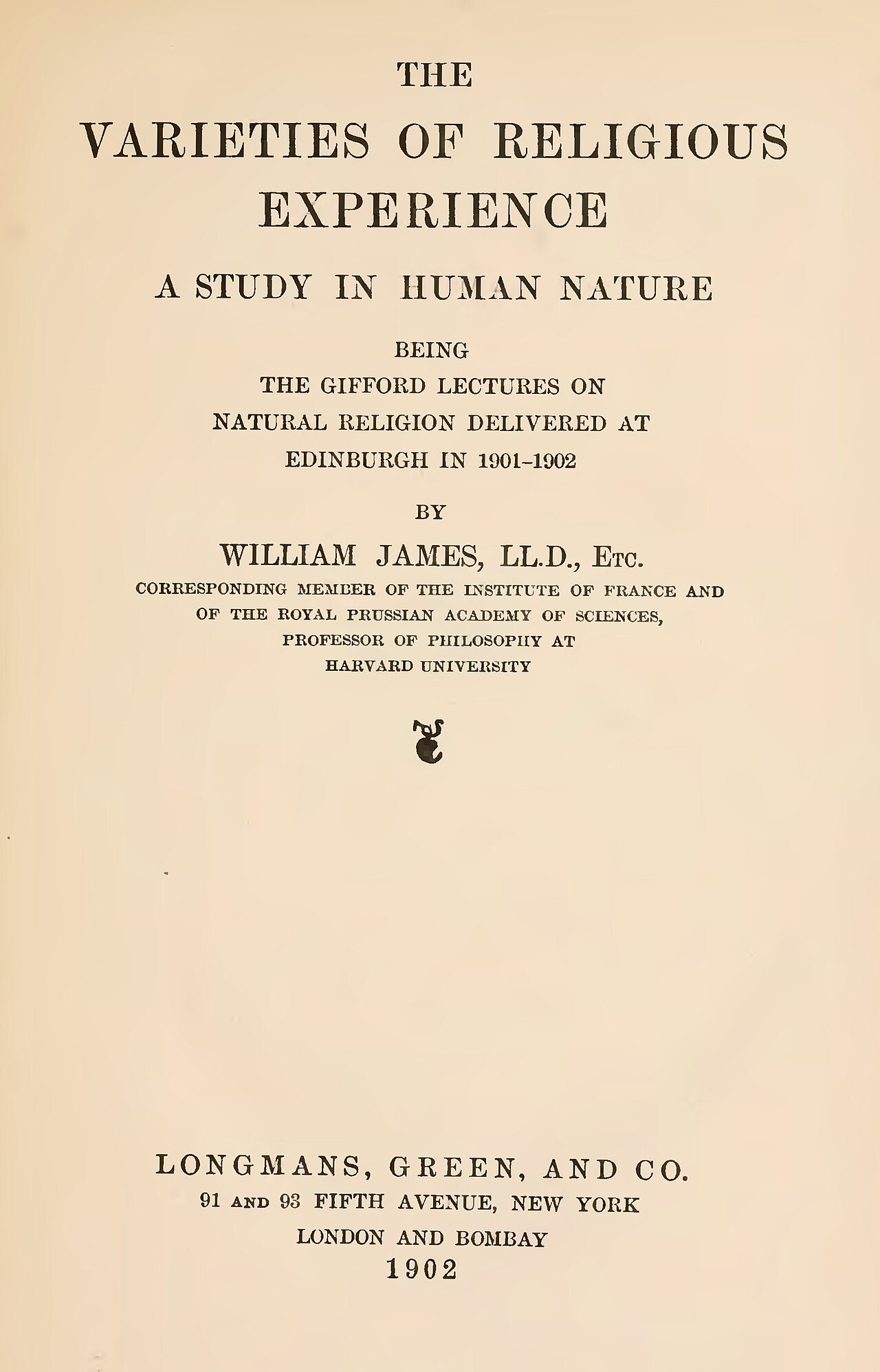
The Varieties of Religious Experience
William James · 1901-1902
Primary source
Pragmatism: A New Name for Some Old Ways of Thinking
William James · 1907
Primary source
The Will to Believe
William James · 1896
 Painting
Primary source
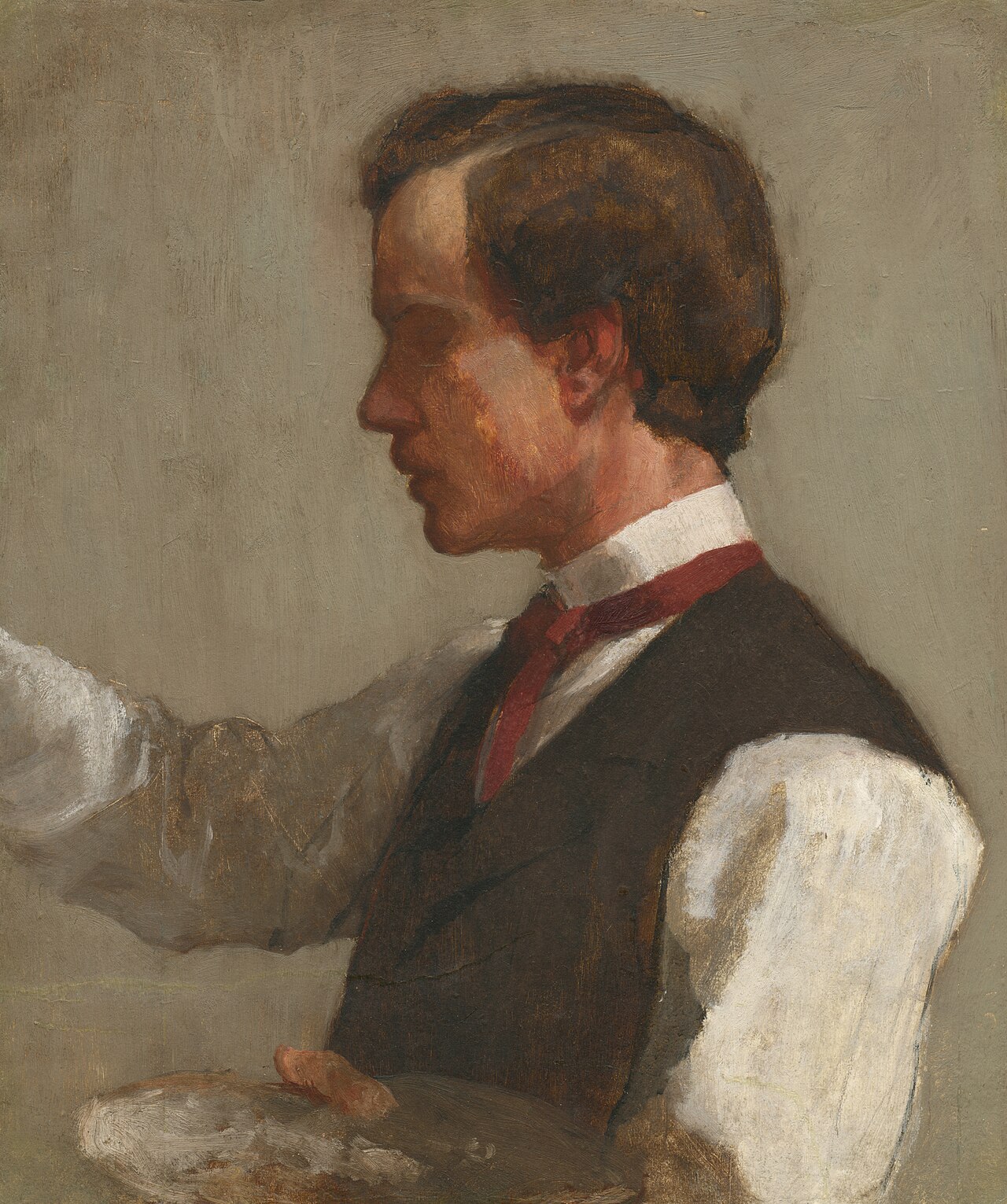
William James
John La Farge · 1859
Ready when you are
Start chatting with William James now.
20 messages free · No credit card · Available in 50+ languages.