


Primary sourcePainting1828-1829
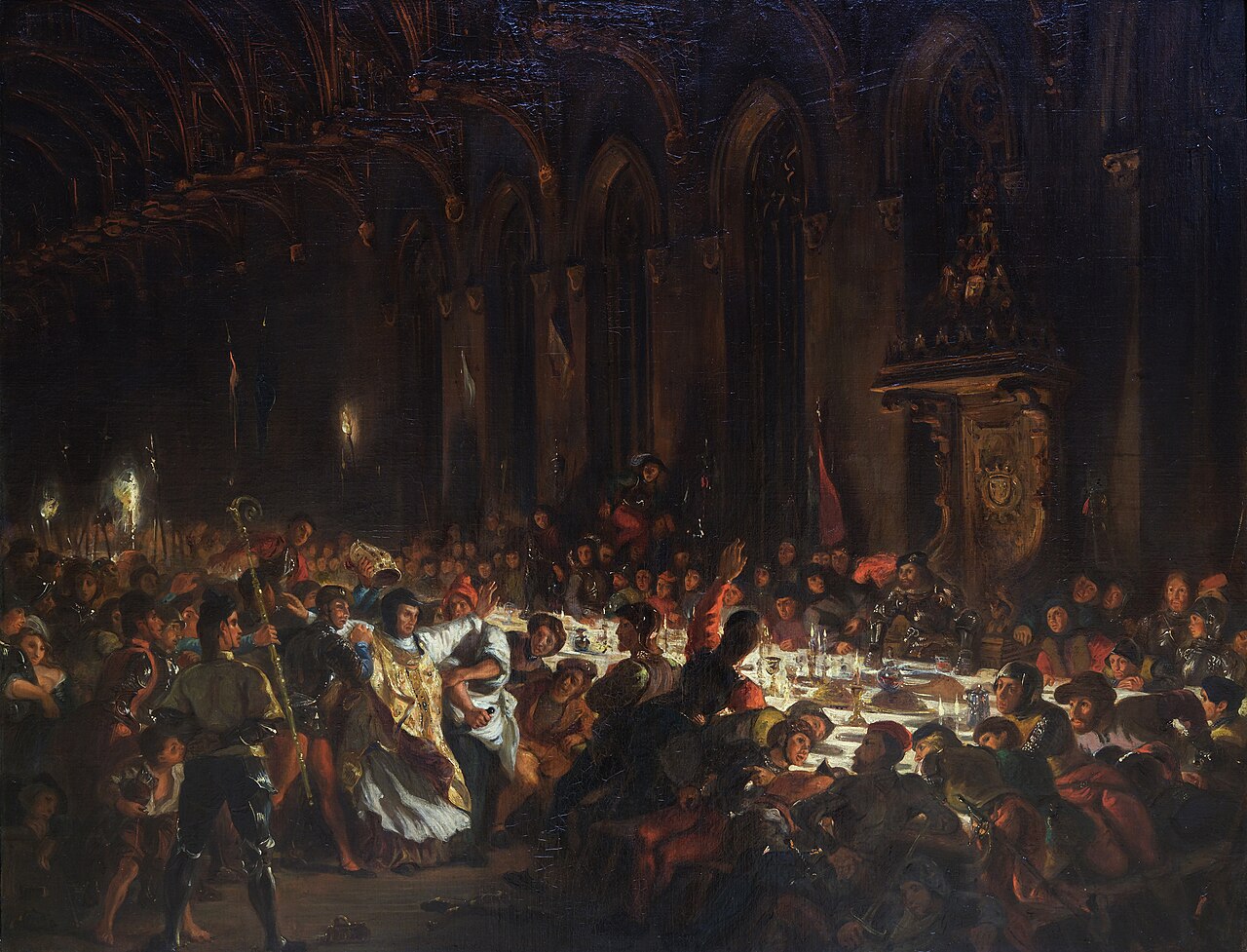
The Murder of the Bishop of Liège
Eugène Delacroix · 1828-1829
An 1828-29 oil painting by Eugène Delacroix depicting a violent scene from Walter Scott's novel Quentin Durward, now in the Louvre.
Painted by Delacroix, this work shows his Romantic engagement with literary violence and his debated painting technique.
About this source
What it is
This oil painting was made by Eugène Delacroix around 1828-29. It shows the murder of Louis de Bourbon, Bishop of Liège, as told in Walter Scott's novel Quentin Durward. It was commissioned by the Duke of Orléans, later King Louis-Philippe, and is now held in the Louvre in Paris.
Why it matters
The painting reveals Delacroix's fascination with English literature and dramatic violence, both hallmarks of French Romanticism. It sits alongside other violent, theatrical works he made in the same years, such as The Death of Sardanapalus. Critics were divided: some praised its energy and movement, others attacked its loose, unfinished-looking technique as scandalous.
Look closer
- What details make the scene feel chaotic and violent?
- Why might Delacroix have chosen a scene from literature rather than real history?
- How did critics' reactions to this painting reflect debates about art at the time?
This painting is part of the curated material that grounds the AI version of Eugène Delacroix on Humy.ai — when students ask about related events, the AI can quote it and cite it.
More Eugène Delacroix sources
Browse all 95 →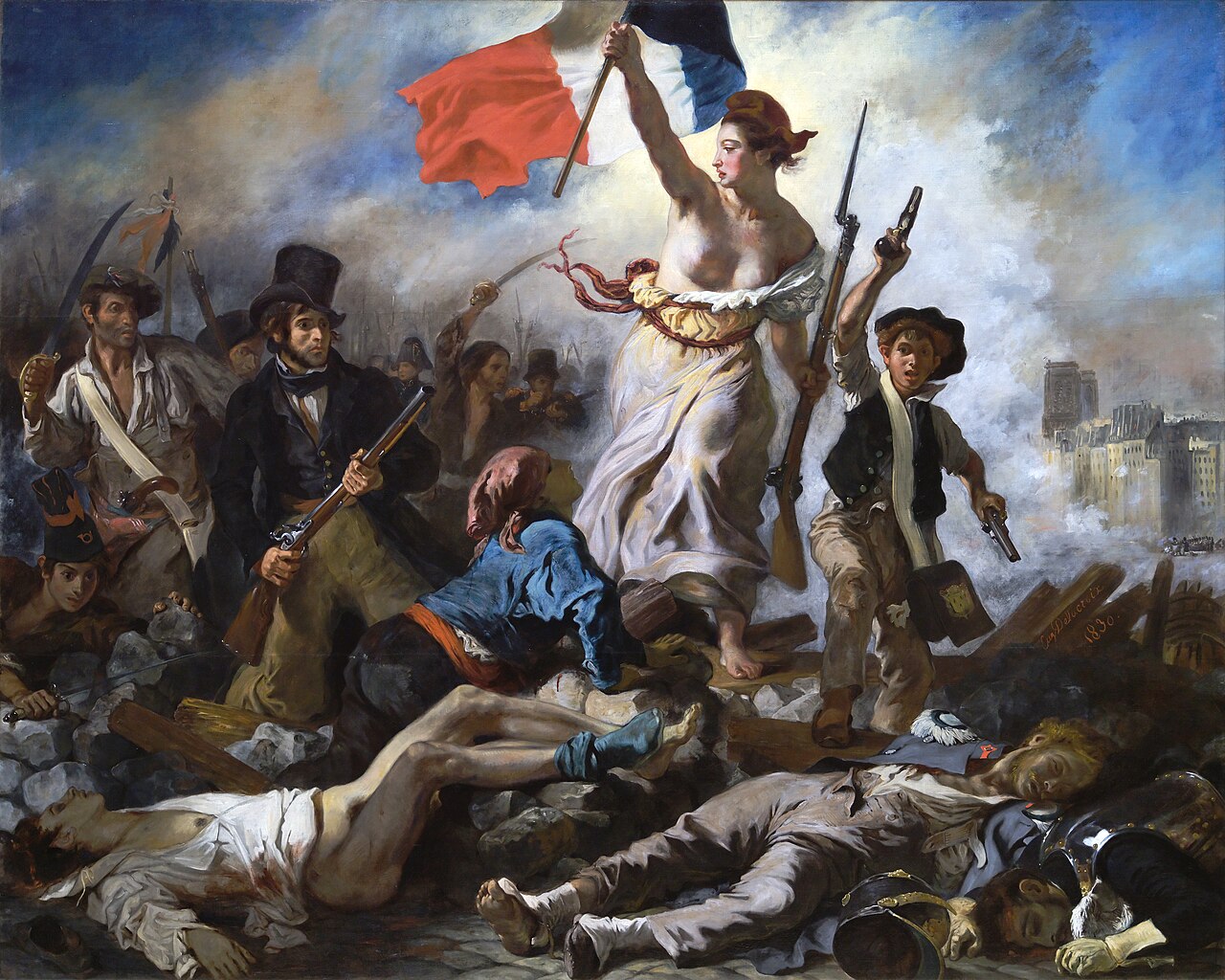 Painting
Primary source
Liberty Leading the People
Eugène Delacroix · 1830
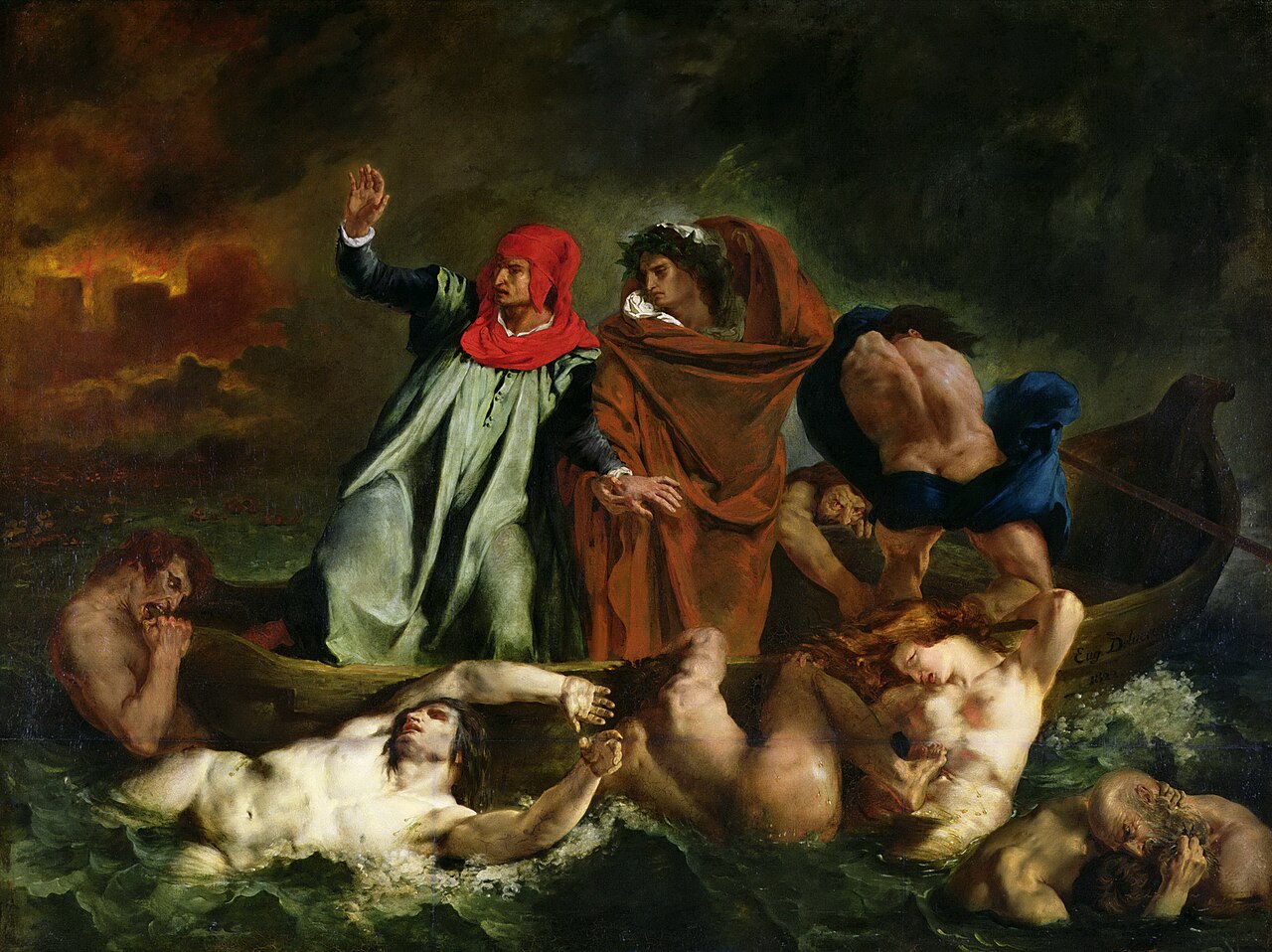 Painting
Secondary source
The Barque of Dante
Eugène Delacroix · 1822
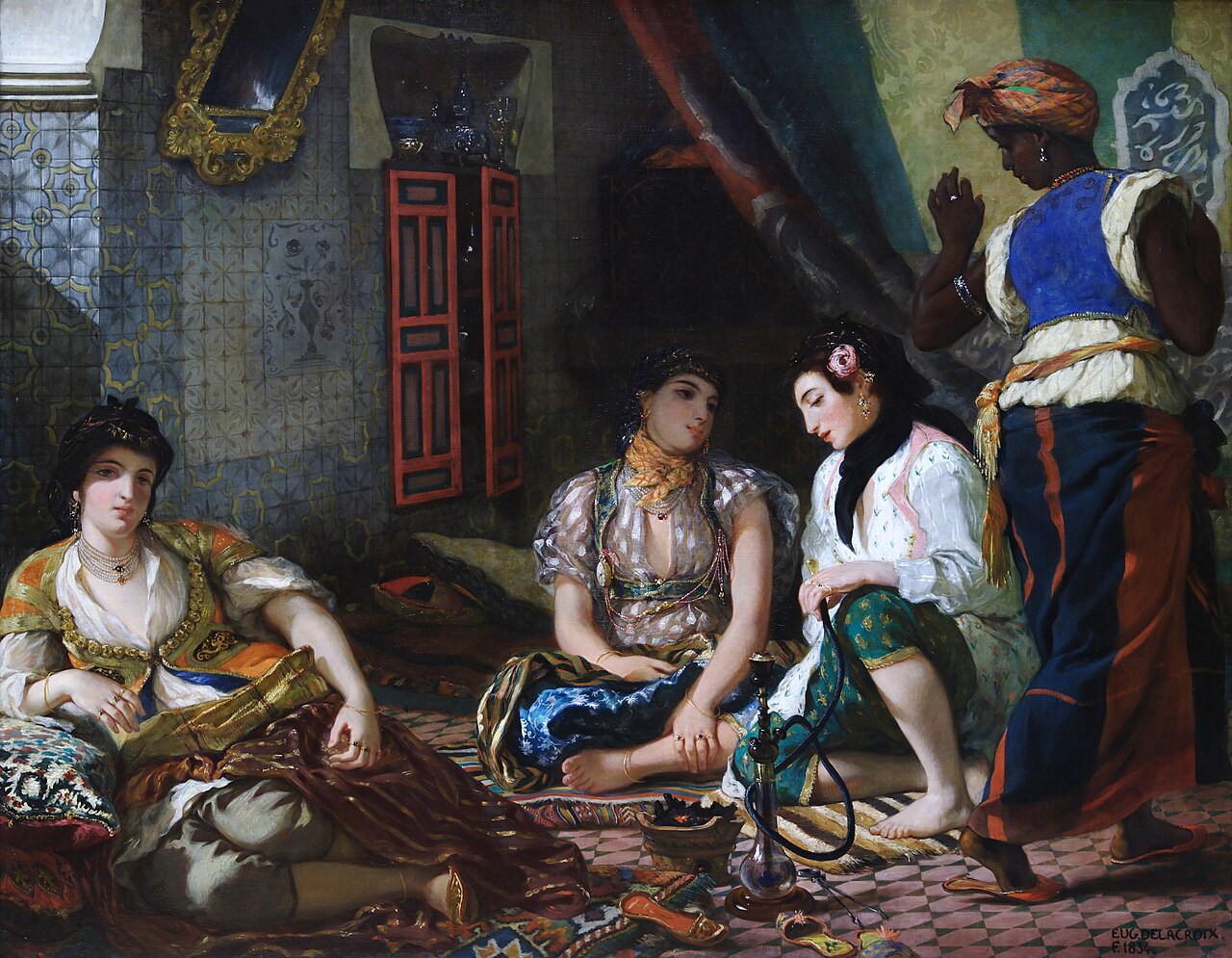 Painting
Primary source
Women of Algiers
Eugène Delacroix · 1834
Primary source
Journal of Delacroix
Eugène Delacroix · 1822–1863
Free account
Read every Eugène Delacroix source
Sign up free →
Ready when you are
Start chatting with Eugène Delacroix now.
20 messages free · No credit card · Available in 50+ languages.