


Secondary sourceBook1891
The Name Lajos Kossuth
Géza Gárdonyi · 1891
An 1891 Hungarian poem by Géza Gárdonyi that praises Lajos Kossuth as a symbol of freedom and the Hungarian nation.
Shows how Kossuth was honoured as a national symbol of freedom in Hungary, in a poem written while he was alive in exile.
Free Humy account · No credit card · 120,912 sources to read
About this source
What it is
This is a poem titled "Kossuth Lajos neve" (The Name of Lajos Kossuth), written by Géza Gárdonyi in 1891. It is written in Hungarian and divided into three stanzas. Each stanza asks whether readers know what the name Kossuth Lajos means, and then answers with images: a holy storm of swords and the wrath of God, a bright sacred banner coloured with the blood of ancestors, and the charter of freedom of the Hungarian nation.
Why it matters
The poem shows how Kossuth was turned into a national symbol in Hungary while he was still alive and living in exile. Its language links his name to freedom, honour and the nation's identity, which made it a powerful expression of public veneration. It is a literary work rather than a factual account of his life.
Look closer
- Which images does the poet use for Kossuth's name, and what feelings do they try to create in the reader?
- Why might a poet in 1891 write about a man who was then living in exile in Italy?
- What does the poem leave out about Kossuth's actions, and how does that affect the picture it gives?
This book is part of the curated material that grounds the AI version of Lajos Kossuth on Humy.ai — when students ask about related events, the AI can quote it and cite it.
More Lajos Kossuth sources
Browse all 94 →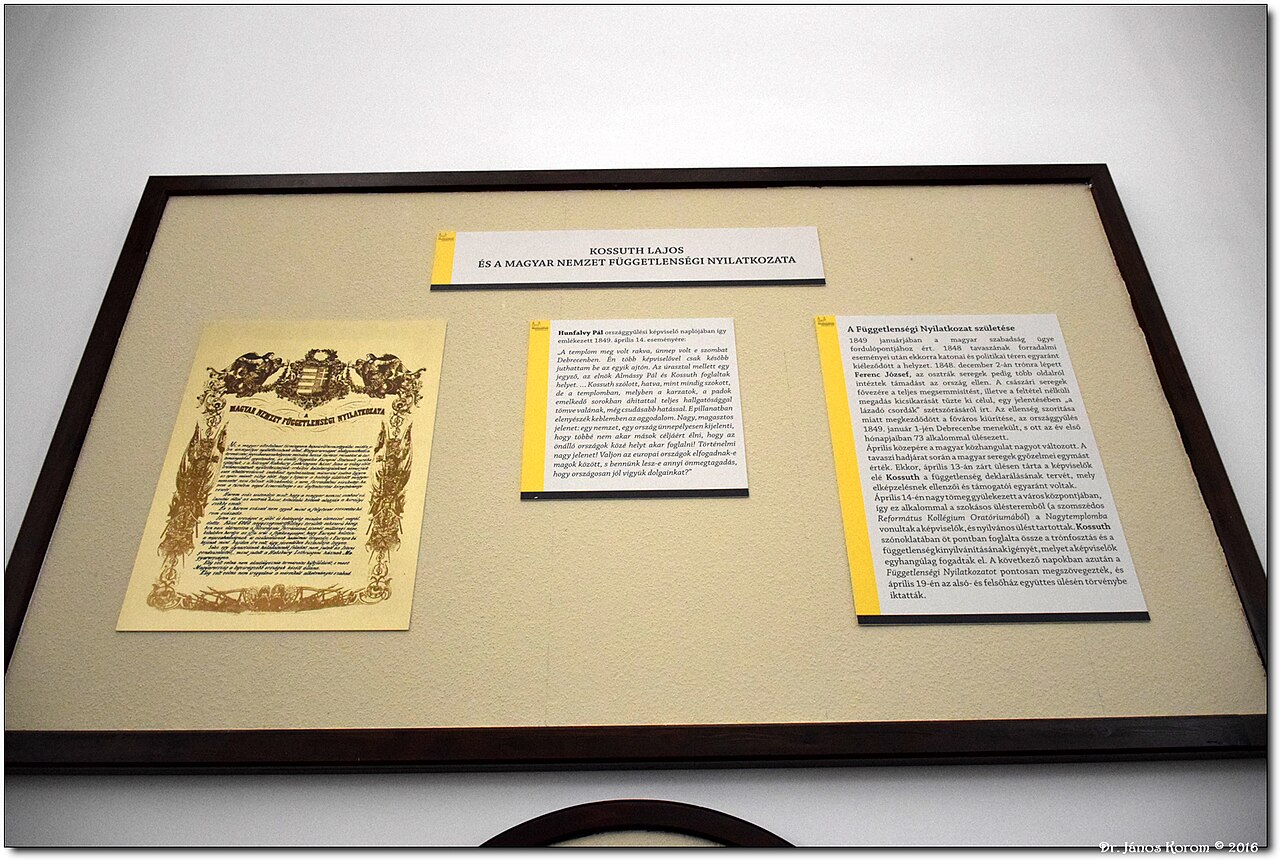 Document
Primary source
Hungarian Declaration of Independence
Lajos Kossuth · 14 April 1849
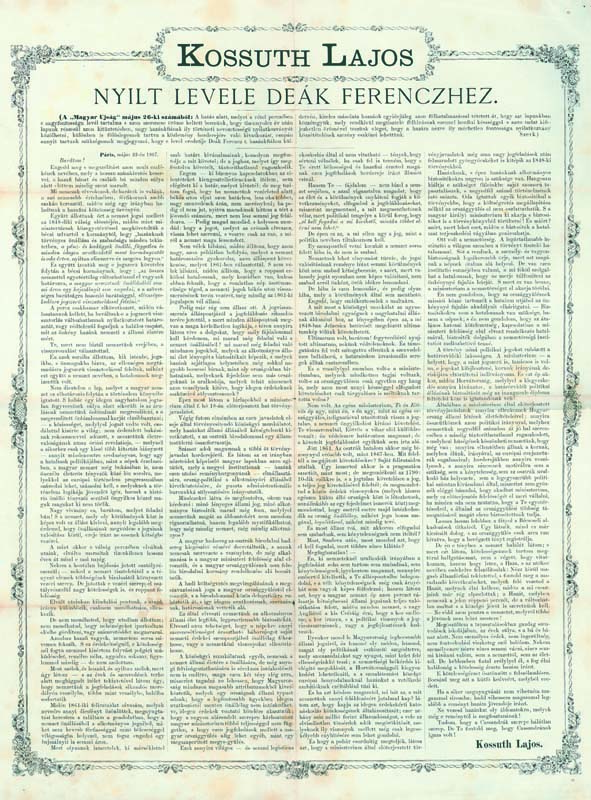 Letter
Primary source
Cassandra Letter of Lajos Kossuth
Lajos Kossuth · 1867
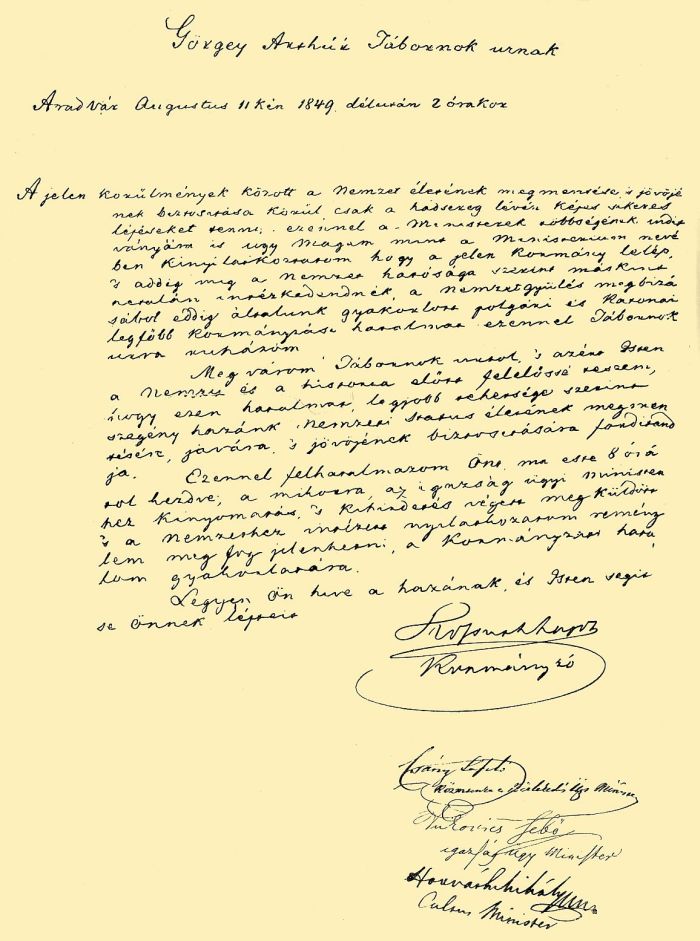 Letter
Primary source
Kossuth's Letter of Resignation to Görgei
Lajos Kossuth · 11 August 1849
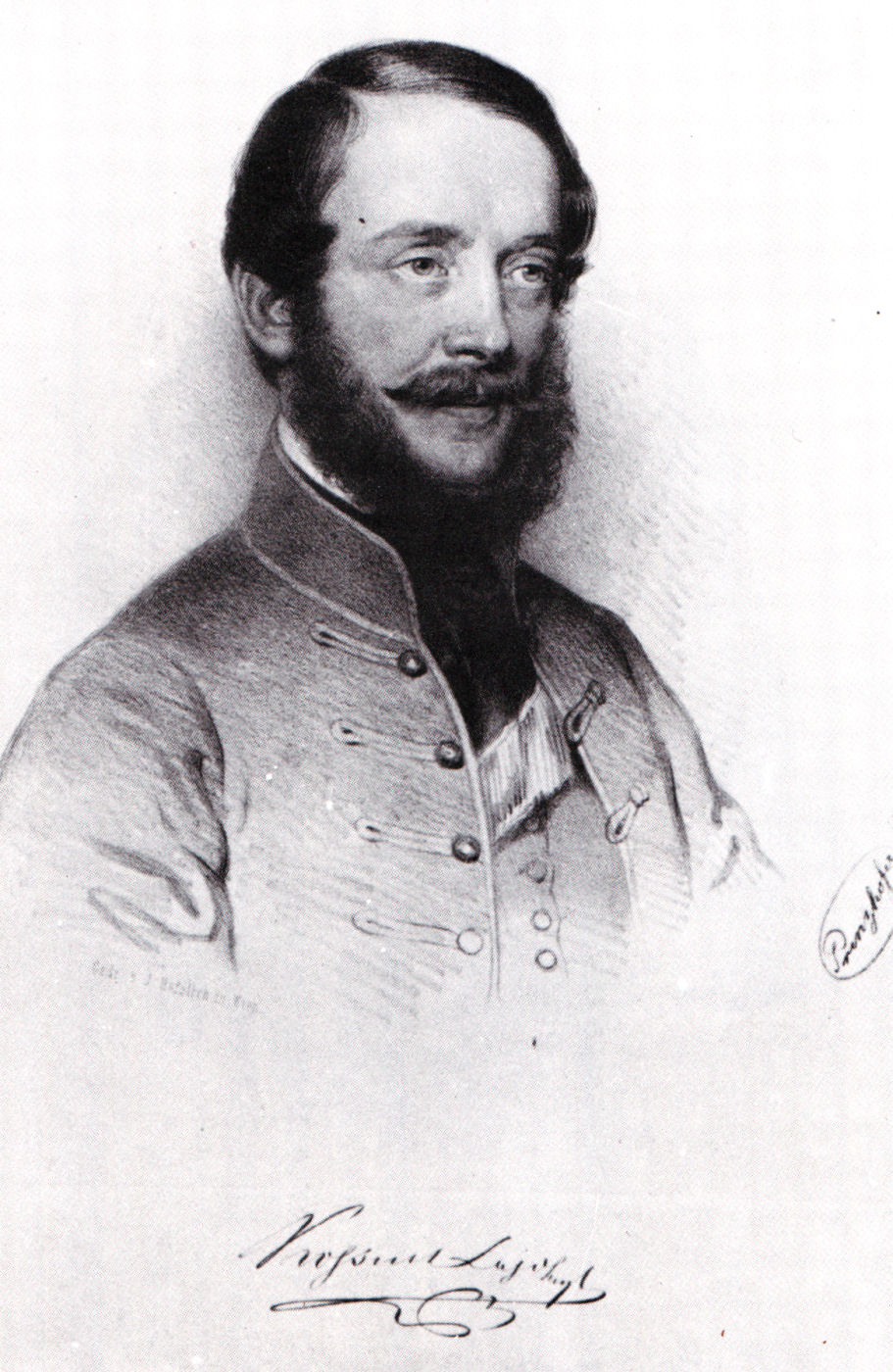 Painting
Primary source
Portrait of Lajos Kossuth by August Prinzhofer
August Prinzhofer · 1848
Free account
Read every Lajos Kossuth source
Sign up free →
Ready when you are
Start chatting with Lajos Kossuth now.
20 messages free · No credit card · Available in 50+ languages.