


Primary sourcePainting30 May 1843
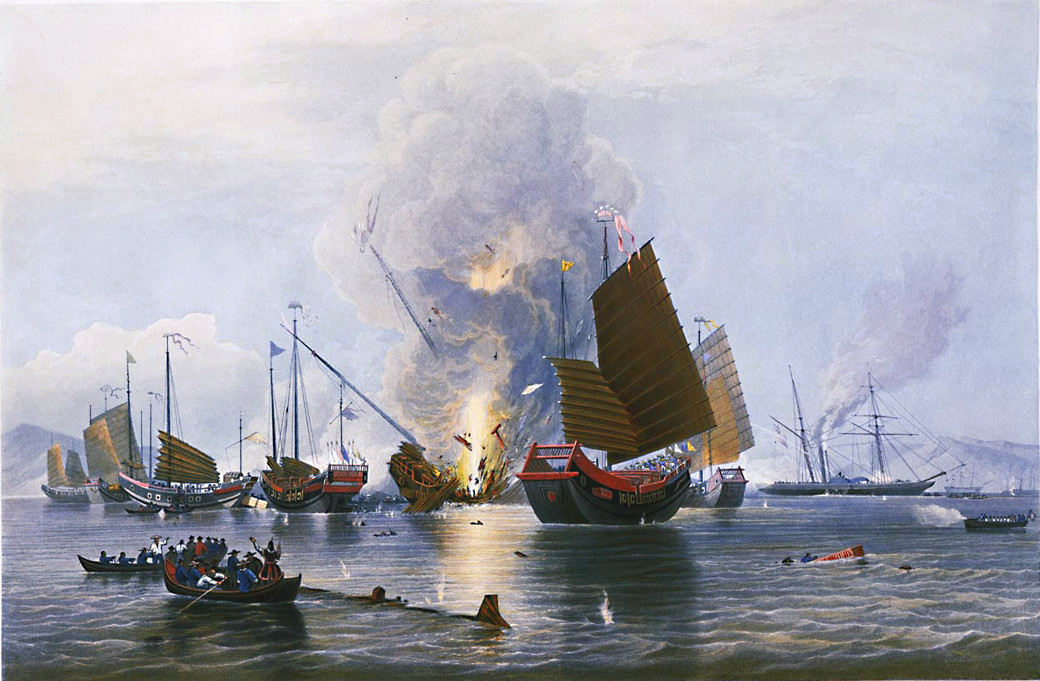
The Nemesis Destroying Chinese Junks
Edward Duncan · 30 May 1843
An 1843 painting of the steamship Nemesis destroying Chinese war junks during the First Opium War, fought under Daoguang's rule.
Depicts a major battle of the First Opium War, a crisis that defined the final years of Daoguang's reign.
About this source
What it is
This hand-coloured print, made by Edward Duncan in 1843 from an oil painting, shows the East India Company steamship Nemesis, commanded by Lieutenant William Hutcheon Hall, destroying Chinese war junks in Anson's Bay during the First Opium War.
Why it matters
The First Opium War (1839-42) was one of the defining crises of the Daoguang Emperor's reign, ending in defeats that forced China into unequal treaties with Britain. This image, made by a British artist for a British audience, shows the superior technology of the steam-powered Nemesis overpowering traditional junks, revealing the military imbalance that shaped the war's outcome.
Look closer
- Whose side made this image, and how might that affect what it shows or leaves out?
- What details highlight the difference between British and Chinese ships?
- What does this battle scene suggest about the pressures facing Daoguang's government?
This painting is part of the curated material that grounds the AI version of Daoguang Emperor on Humy.ai — when students ask about related events, the AI can quote it and cite it.
More Daoguang Emperor sources
Browse all 75 →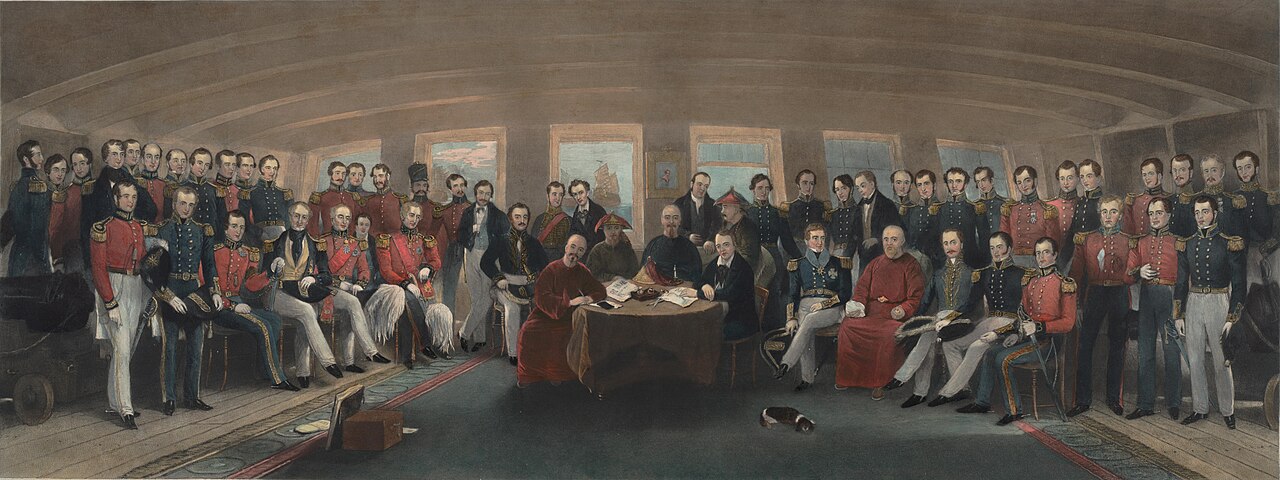 Document
Primary source
Treaty of Nanjing
29 August 1842
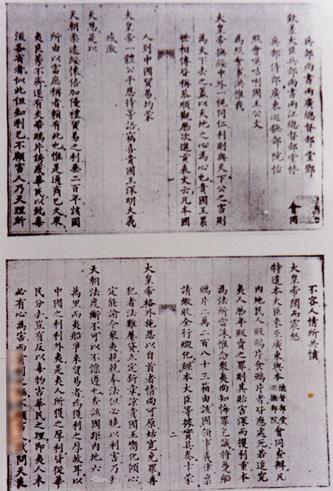 Letter
Primary source
Letter to Queen Victoria
Lin Tse-hsu · 1839
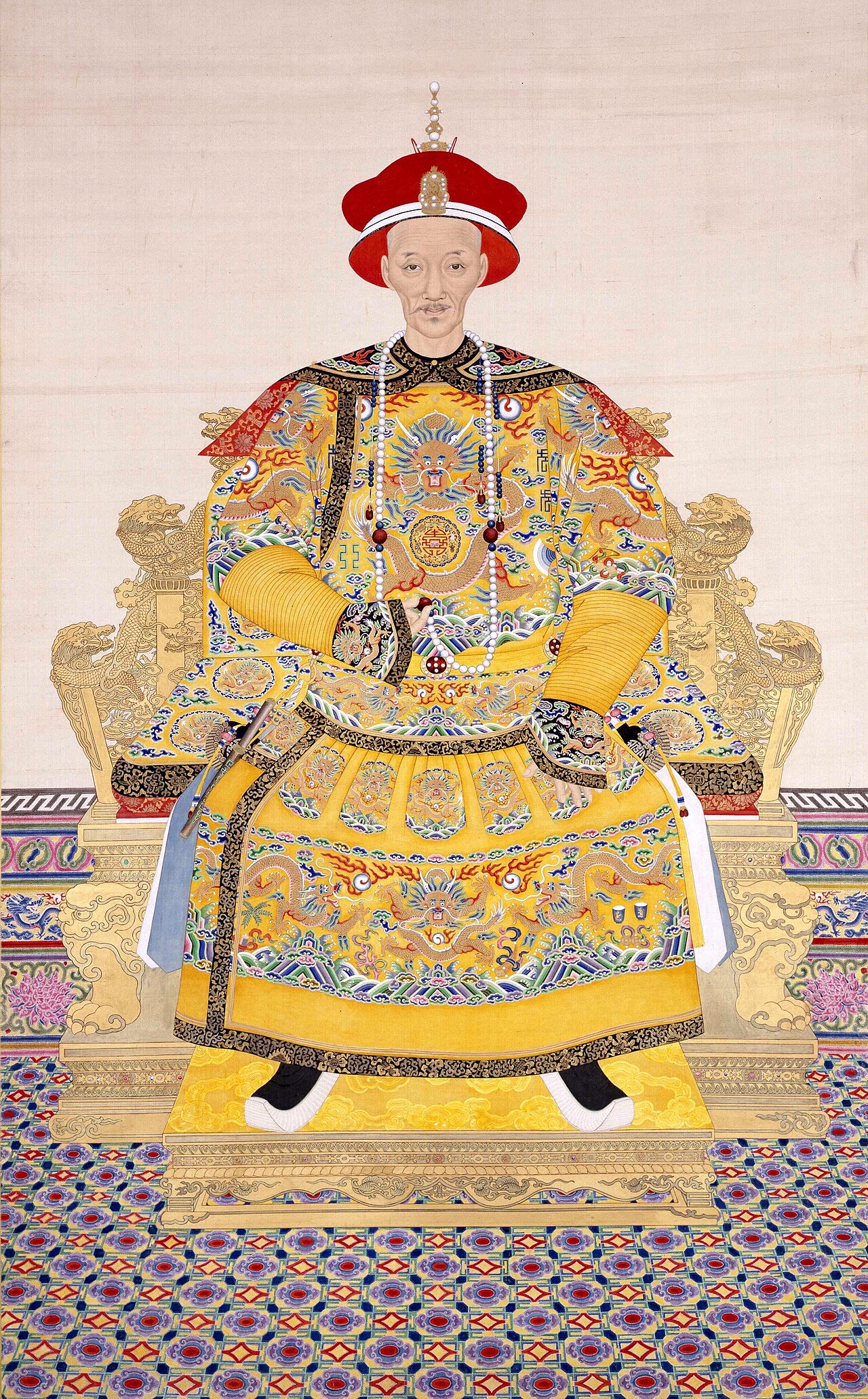 Painting
Primary source
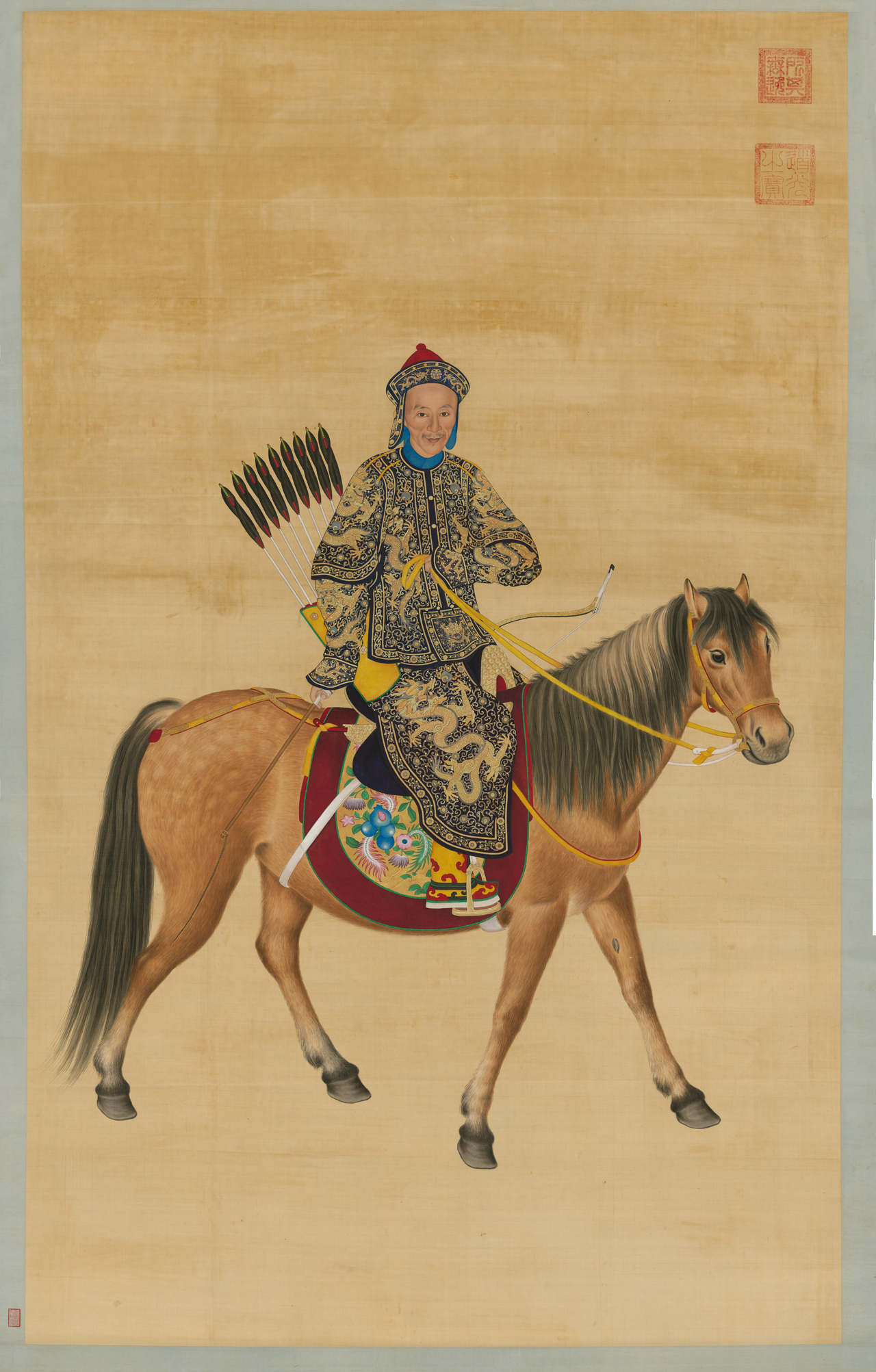
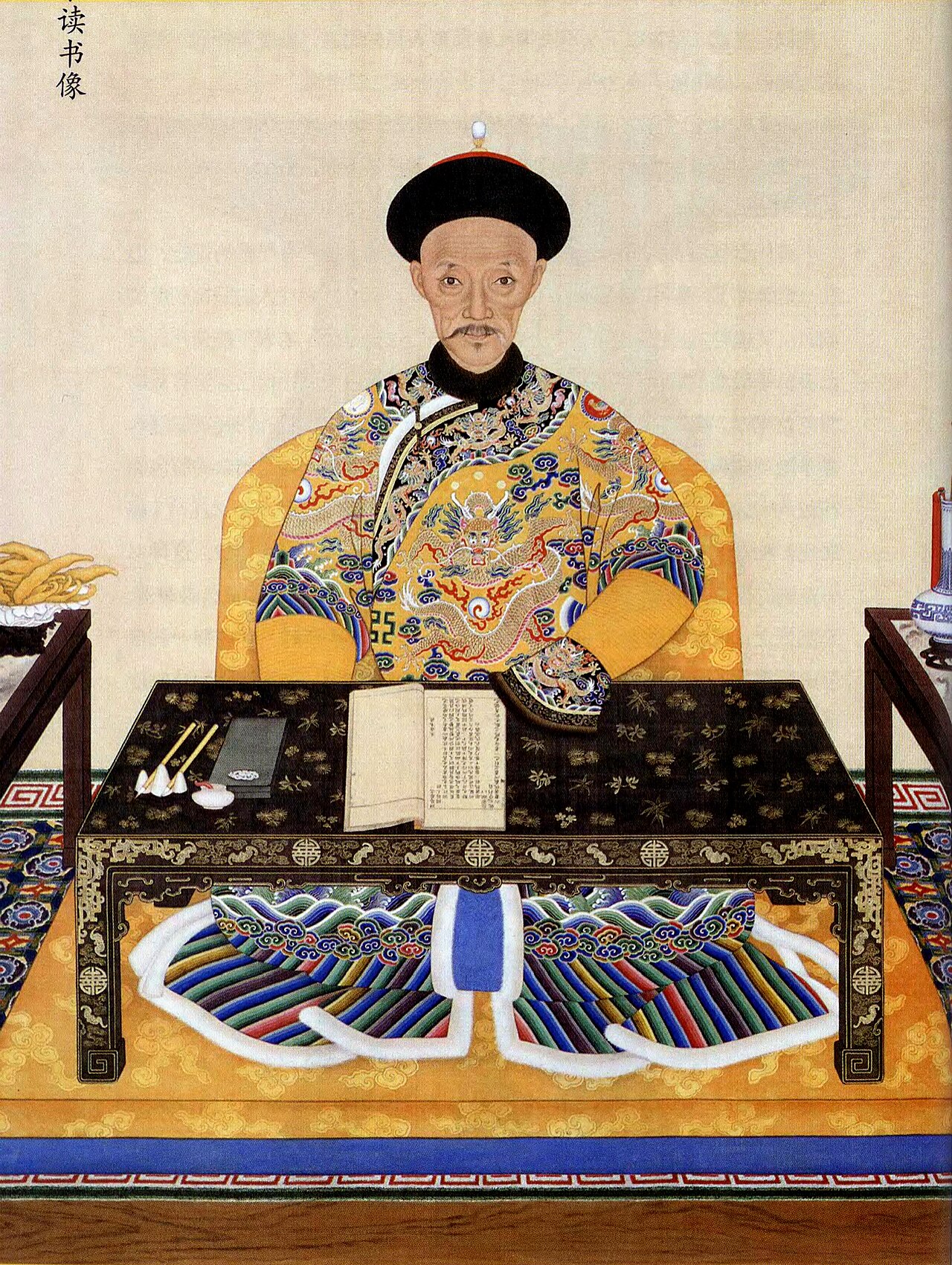
Portrait of the Daoguang Emperor in Court Dress
Anonymous Qing Dynasty Court Painter
 Document
Primary source
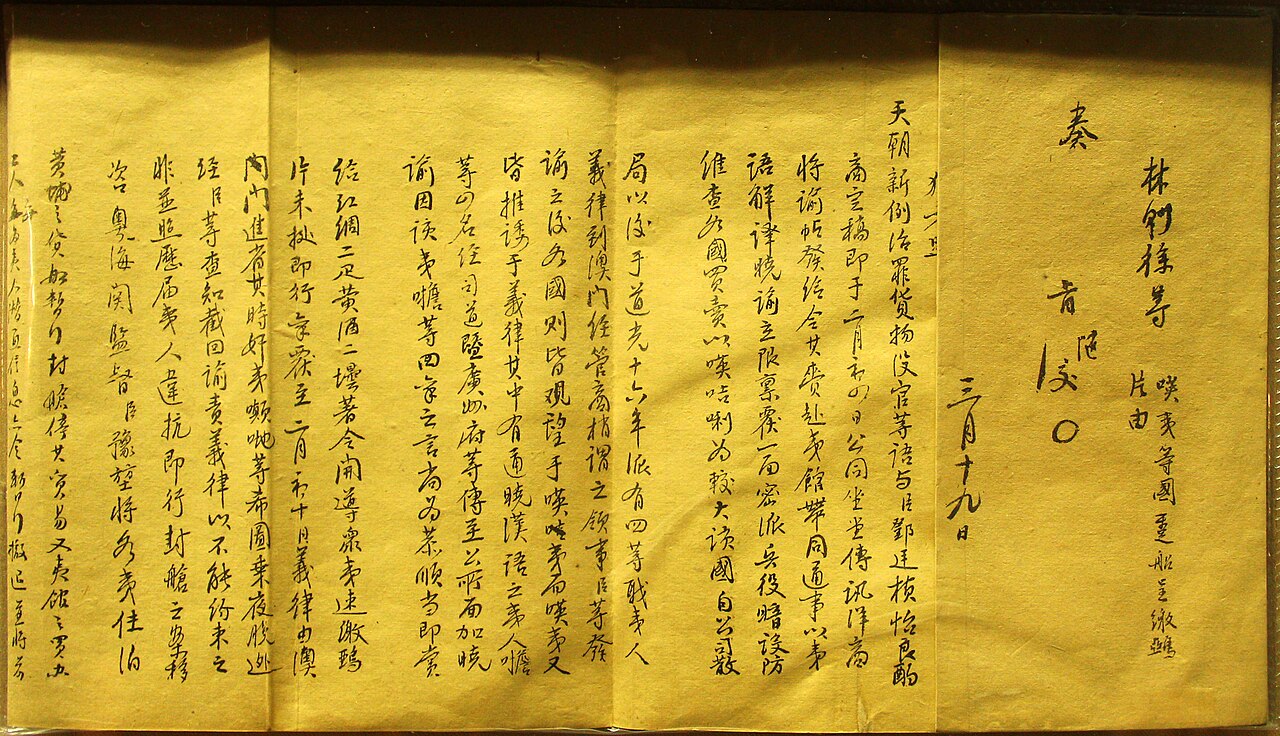
Lin Zexu's Memorial Reporting the Confiscation of Opium
Lin Zexu
Free account
Read every Daoguang Emperor source
Sign up free →
Ready when you are
Start chatting with Daoguang Emperor now.
20 messages free · No credit card · Available in 50+ languages.