


Primary sourcePainting2nd month, 1860
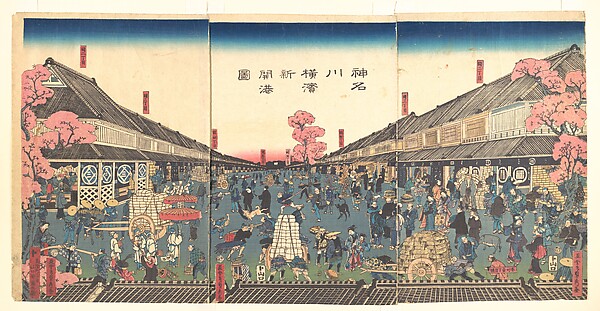
The Newly Opened Port of Yokohama
Utagawa (Gountei) Sadahide · 2nd month, 1860
A triptych woodblock print from 1860 showing the bustling streets of newly opened Yokohama, capturing the world Yoshinobu's shogunate was navigating.
Depicts the newly opened port of Yokohama, part of the changing world Yoshinobu's shogunate had to govern.
About this source
What it is
This three-panel woodblock print was made in early 1860 by the artist Utagawa (Gountei) Sadahide. It shows a crowded street in Yokohama, a port recently opened to foreign trade, filled with Japanese people in kimono alongside Westerners in European dress, horses, and carts. It is held today at the Metropolitan Museum of Art.
Why it matters
The print documents the dramatic changes brought by Japan's opening to foreign trade in the final years of the Tokugawa shogunate. This was the turbulent world that Tokugawa Yoshinobu, soon to become the last shogun, would have to govern and ultimately could not control.
Look closer
- What details show the mixing of Japanese and foreign cultures in this new port town?
- Why might the artist have wanted to depict this scene for a Japanese audience?
- What tensions might lie beneath this busy, colorful street scene?
This painting is part of the curated material that grounds the AI version of Tokugawa Yoshinobu on Humy.ai — when students ask about related events, the AI can quote it and cite it.
More Tokugawa Yoshinobu sources
Browse all 52 →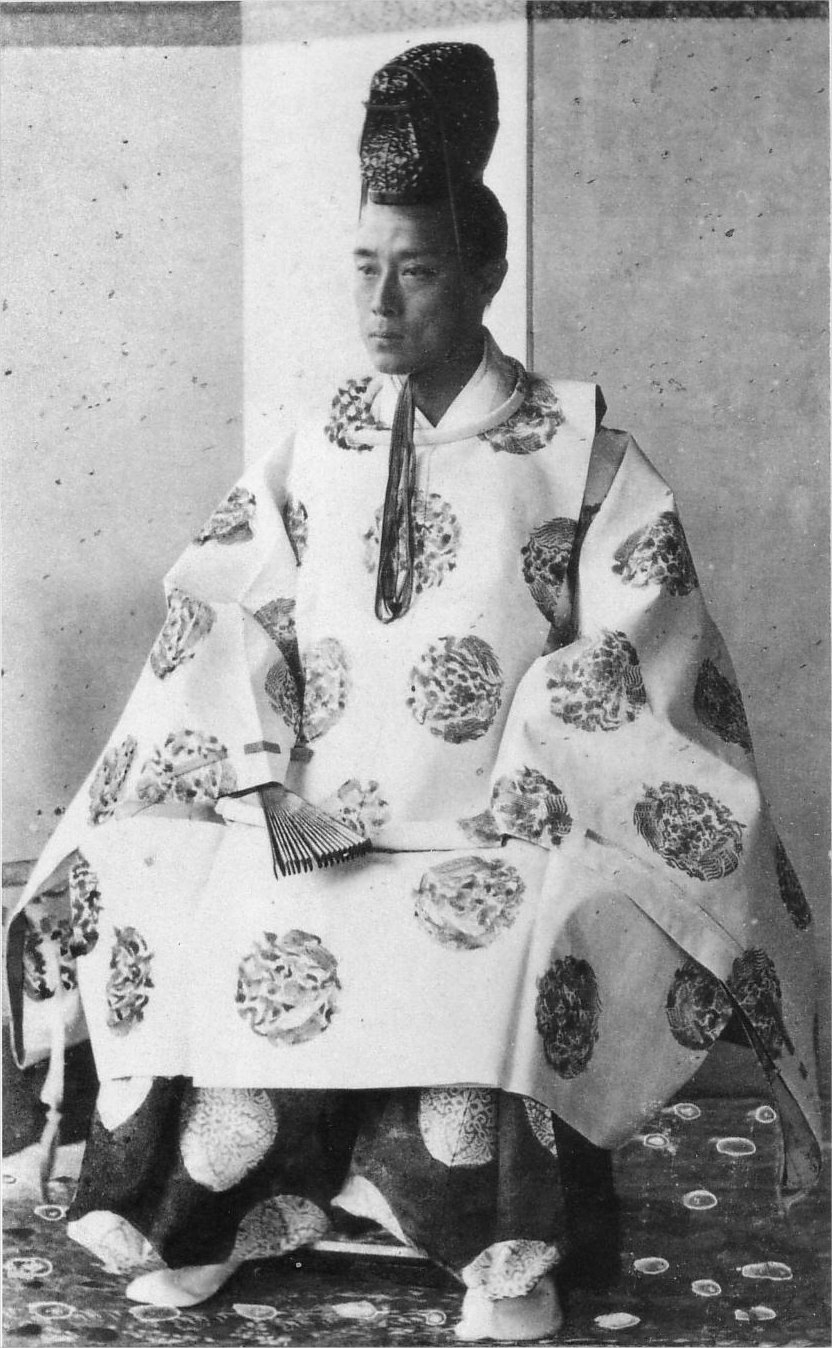 Photograph
Primary source
Portrait of Tokugawa Yoshinobu
1867
 Artifact
Primary source
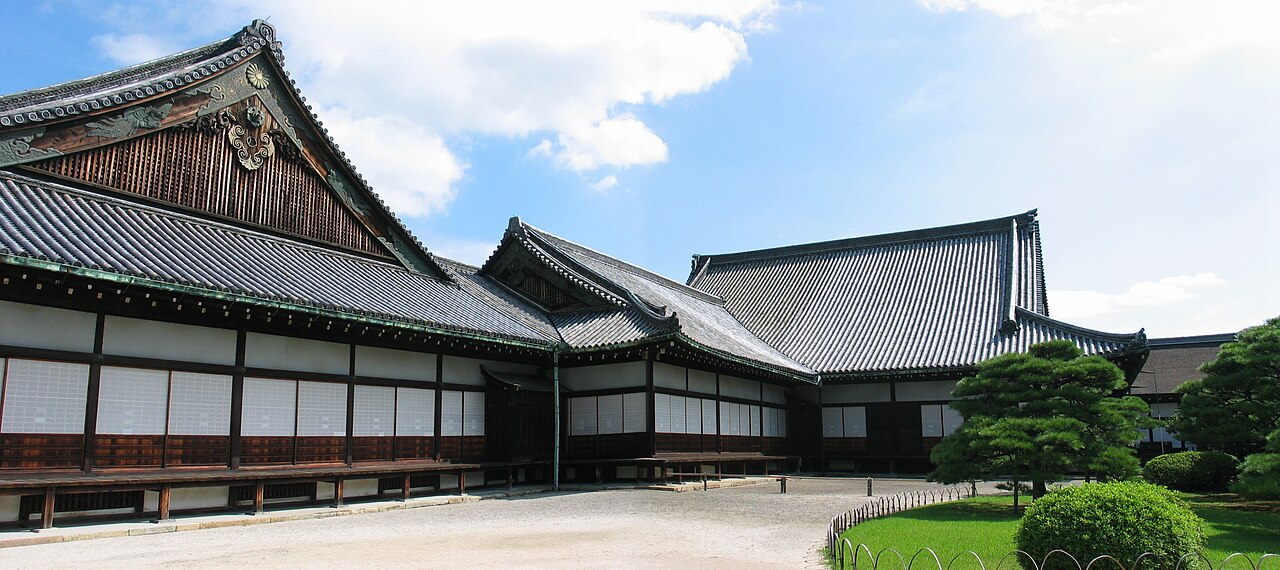
Nijō Castle
1601-1603 (completed 1626)
 Photograph
Primary source
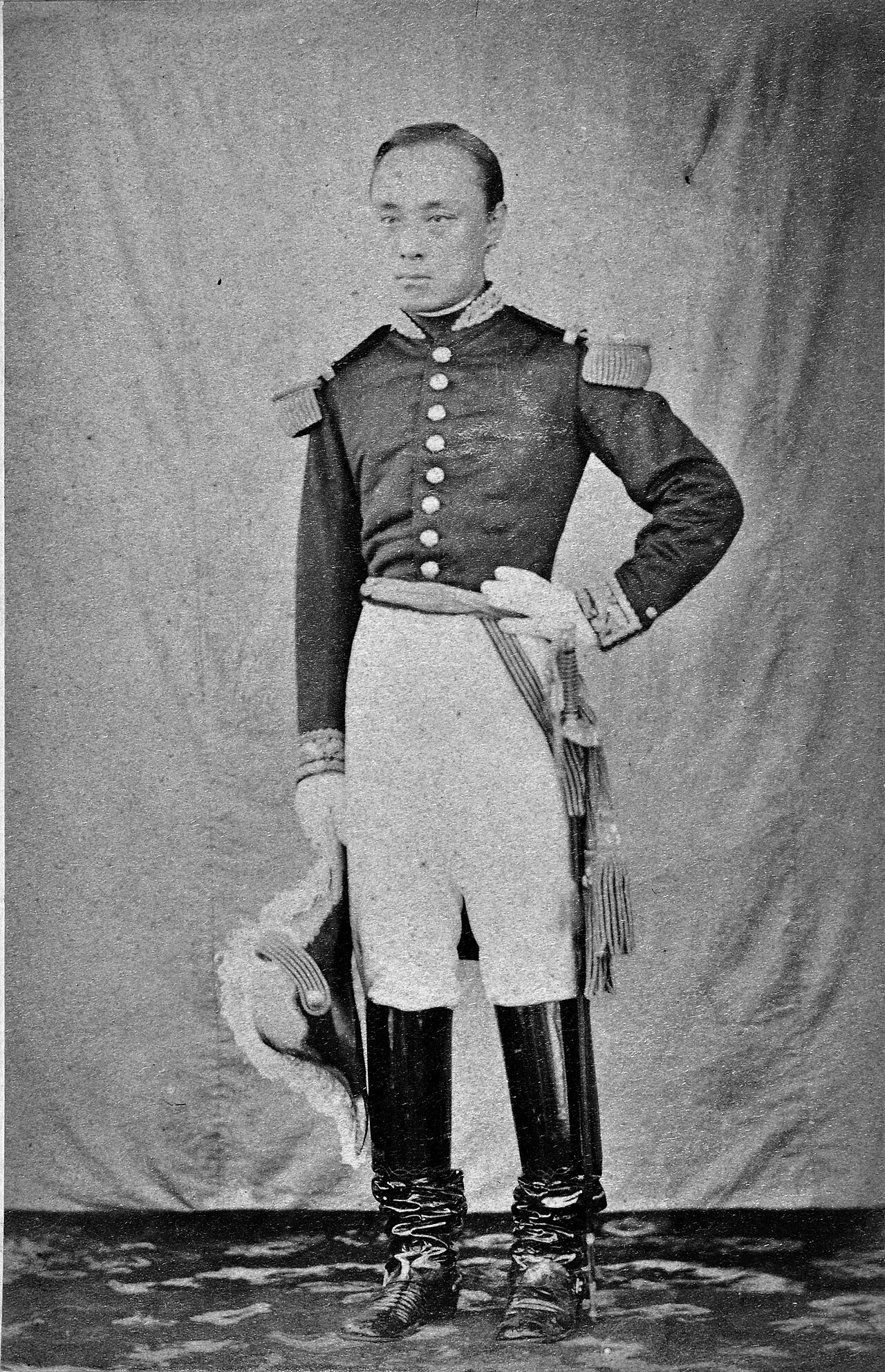
Photograph of Tokugawa Yoshinobu in French Military Uniform
Frederick William Sutton (attributed) · 1867
 Painting
Secondary source
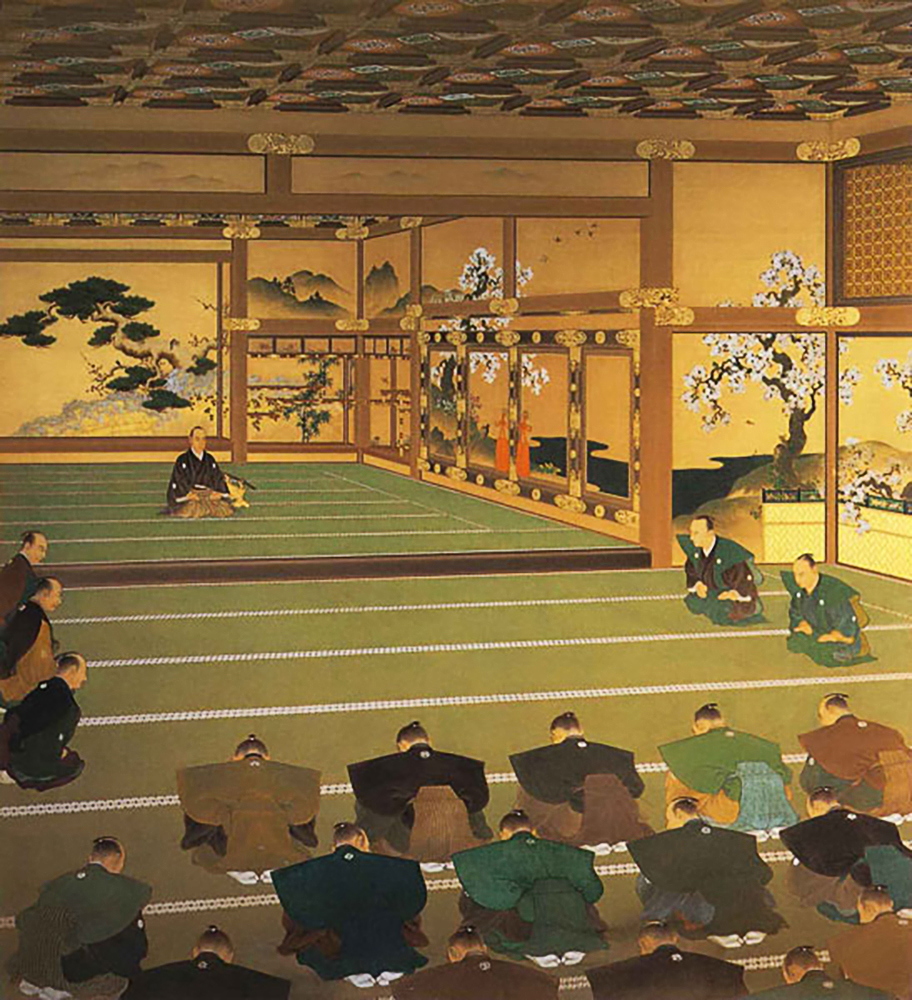
Taisei Hōkan
Kunii Ōbun · 1935
Free account
Read every Tokugawa Yoshinobu source
Sign up free →
Ready when you are
Start chatting with Tokugawa Yoshinobu now.
20 messages free · No credit card · Available in 50+ languages.