


Primary sourceBook1908 translation of a 5th-century BC play
The Persians
Aeschylus · 1908 translation of a 5th-century BC play
A Greek tragedy performed soon after the Persian defeat, dramatizing the reaction of Xerxes' court to his failed invasion of Greece.
A near-contemporary Greek tragedy dramatizing Xerxes' disastrous invasion of Greece from the Persian court's perspective.
Free Humy account · No credit card · 120,288 sources to read
About this source
What it is
The Persians is a tragedy by the Greek playwright Aeschylus, performed in the 5th century BC not long after the events it describes. This is an English translation by Morshead, published in 1908. The play imagines the Persian court, including Xerxes' mother Atossa and a chorus of Persian elders, reacting to the devastating defeat of Xerxes' forces at Salamis and Plataea.
Why it matters
This is one of the earliest surviving pieces of historical drama, written by a Greek author close in time to the events, giving a Greek perspective on the Persian king's catastrophic defeat. It shows how the Athenians who had defeated Xerxes understood and dramatized their enemy, making it a valuable but one-sided primary source.
Look closer
- Why might a Greek playwright choose to tell this story from the perspective of the defeated Persian court rather than the victorious Greeks?
- What does the play's portrayal of Xerxes and his mother Atossa suggest about Greek attitudes toward Persia?
- How reliable is a dramatic work as a historical source about real events and people?
This book is part of the curated material that grounds the AI version of Xerxes I on Humy.ai — when students ask about related events, the AI can quote it and cite it.
More Xerxes I sources
Browse all 97 →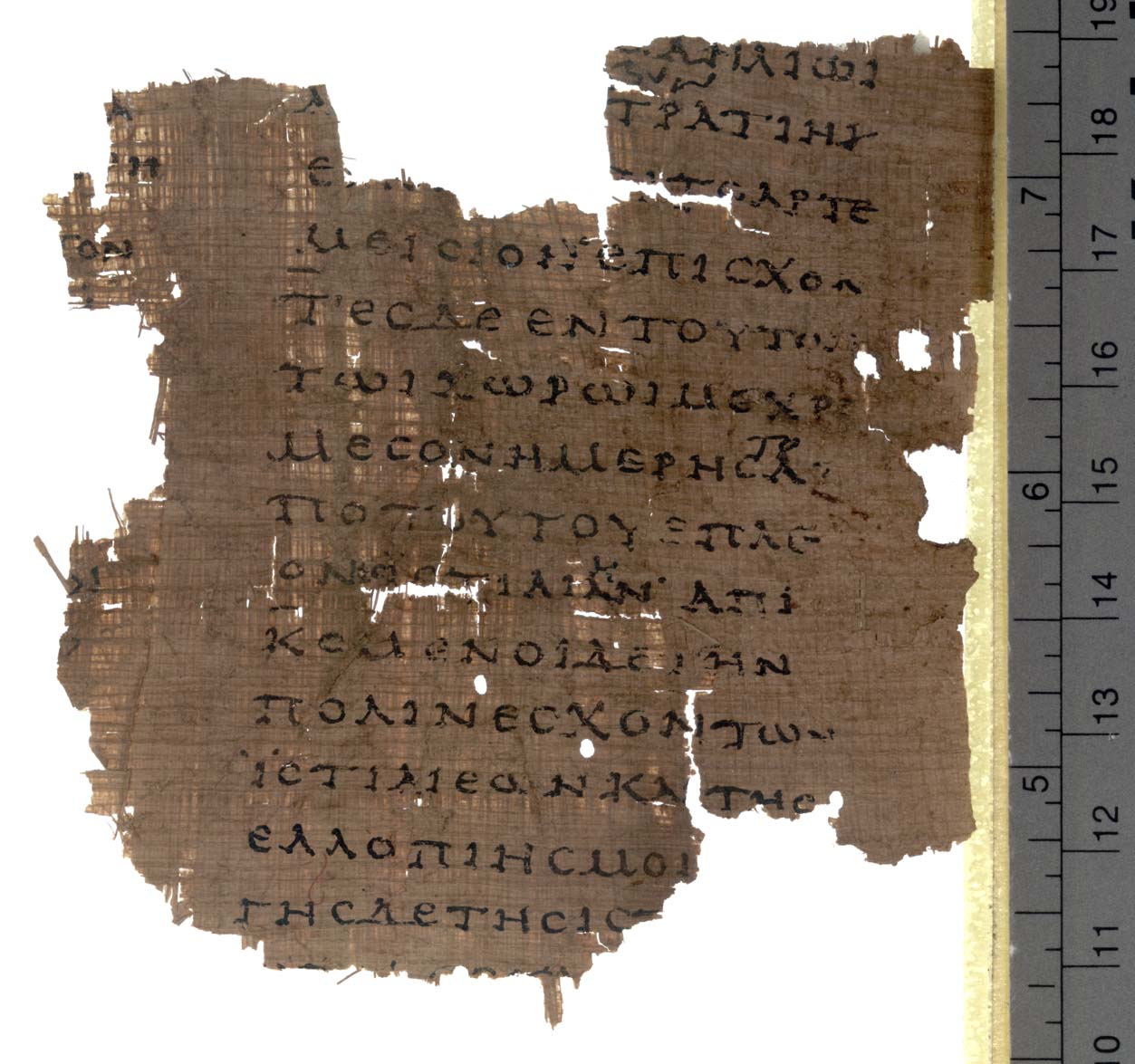
Ready when you are
Start chatting with Xerxes I now.
20 messages free · No credit card · Available in 50+ languages.