


Primary sourceBook1927 (play composed 472 BC)
The Persians
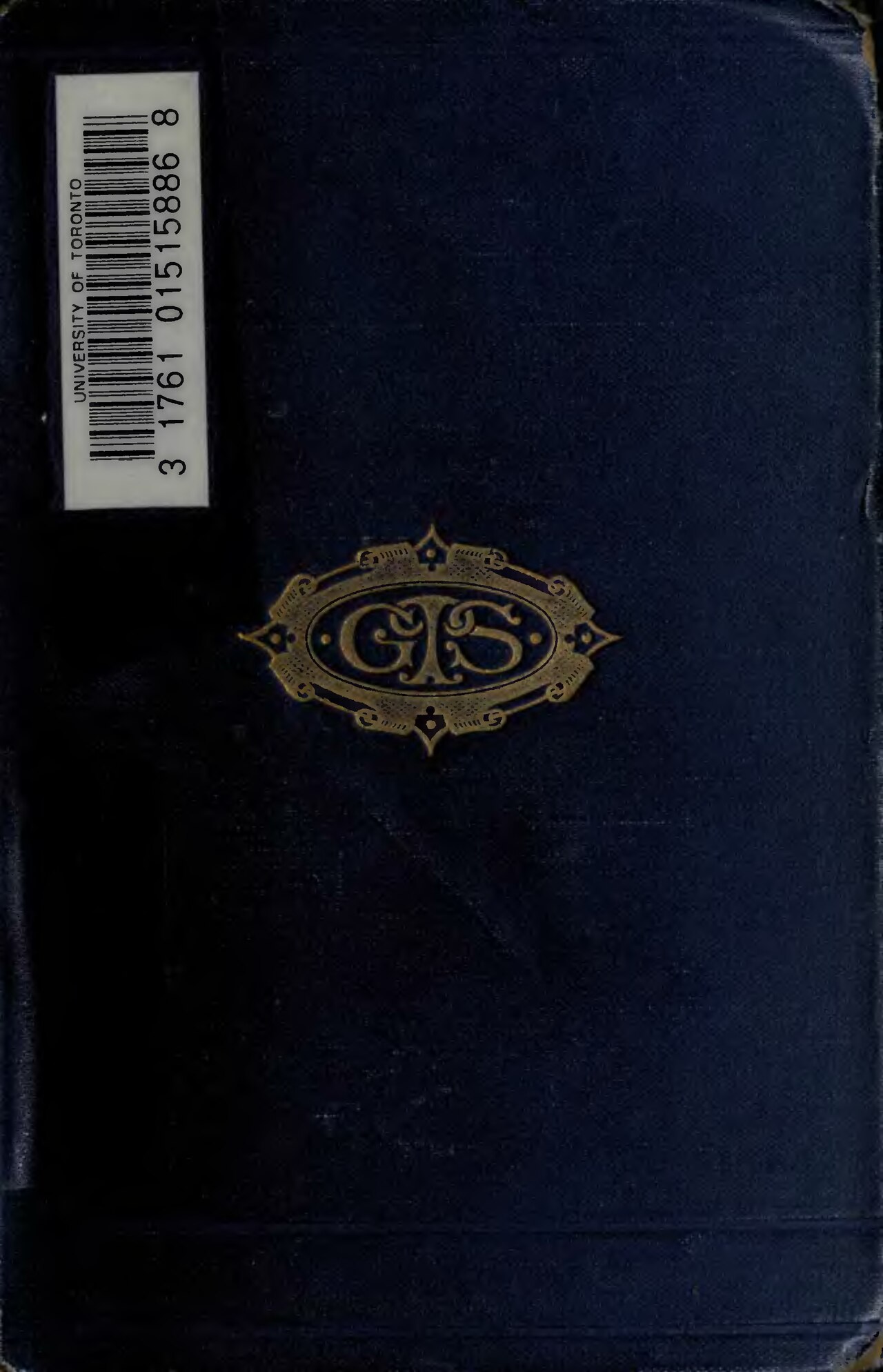
Aeschylus (translated by Herbert Weir Smyth) · 1927 (play composed 472 BC)
Aeschylus's tragedy, performed soon after the Persian Wars, dramatizing Xerxes' defeat at the Battle of Salamis.
This tragedy, written by a contemporary of the Persian Wars, dramatizes Xerxes' defeat and its aftermath for his family.
Free Humy account · No credit card · 120,288 sources to read
About this source
What it is
The Persians is a tragedy by the Greek playwright Aeschylus, who lived through the Persian Wars. First performed in 472 BC, this 1927 Smyth translation presents the play's action set in Susa, the Persian capital, soon after Xerxes' catastrophic naval defeat at Salamis. Characters include Xerxes, his mother Atossa, and the ghost of his father Darius.
Why it matters
Written by someone who may have experienced the wars firsthand, the play is a rare contemporary Greek perspective on Xerxes' failed invasion. It shows how Athenians processed their victory and portrayed the Persian king—his pride, his defeat, and his grieving family—for a theater audience just years after the real events.
Look closer
- Why would Greeks write a tragedy about their enemy's suffering rather than celebrate their own victory directly?
- How does the play's view of Xerxes differ from how a Persian might have described him?
- What might this tell us about Athenian attitudes toward their defeated rival?
This book is part of the curated material that grounds the AI version of Xerxes I on Humy.ai — when students ask about related events, the AI can quote it and cite it.
More Xerxes I sources
Browse all 97 →
Ready when you are
Start chatting with Xerxes I now.
20 messages free · No credit card · Available in 50+ languages.