


Primary sourceBook1921
The Pilgrims' March
Mahatma Gandhi · 1921
An essay written by Gandhi in 1921 about his non-cooperation campaign against British rule.
Gandhi's own essay explaining the strategy behind his non-cooperation campaign.
About this source
What it is
This is a written work by Gandhi from 1921, including a foreword discussing messages from imprisoned and other leaders of the non-cooperation movement.
Why it matters
The text explains Gandhi's strategy of non-cooperation and passive resistance as a deliberate response to British repression, comparing it to a game of chess or a military campaign where resistance forces the opponent's hand. It reveals how Gandhi framed arrests and repression as signs of the movement's success rather than failure.
Look closer
- Why does Gandhi compare non-cooperation to a game of chess or a war strategy?
- What does this text suggest about how Gandhi wanted his followers to feel about imprisonment?
- What does the essay leave out about the costs of repression on ordinary people?
This book is part of the curated material that grounds the AI version of Mahatma Gandhi on Humy.ai — when students ask about related events, the AI can quote it and cite it.
More Mahatma Gandhi sources
Meet the AI Mahatma Gandhi →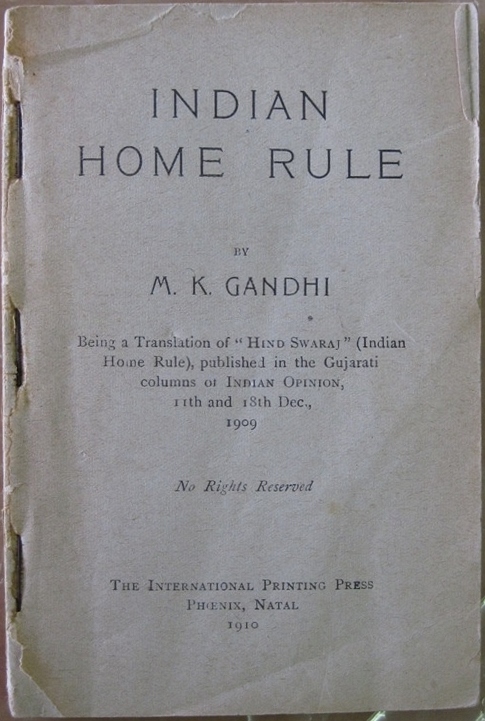 Book
Primary source
Hind Swaraj
Mahatma Gandhi · 1909
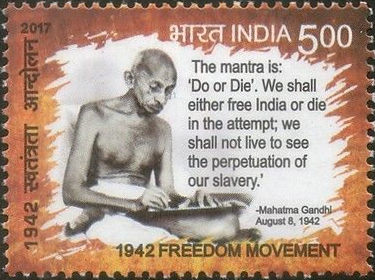 Speech
Primary source
Quit India speech
Mahatma Gandhi · 8 August 1942
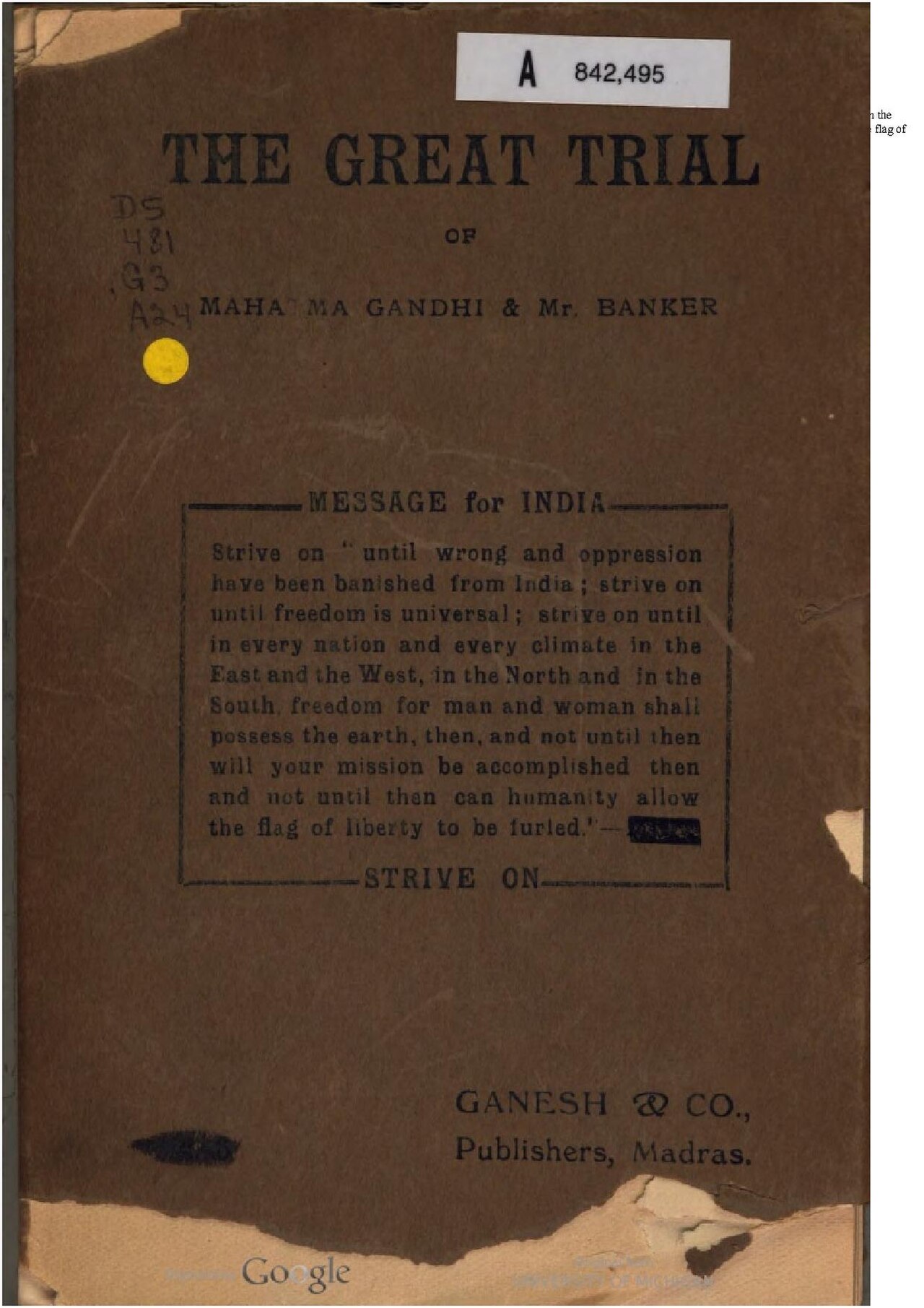 Document
Primary source
Great Trial of 1922
March 1922
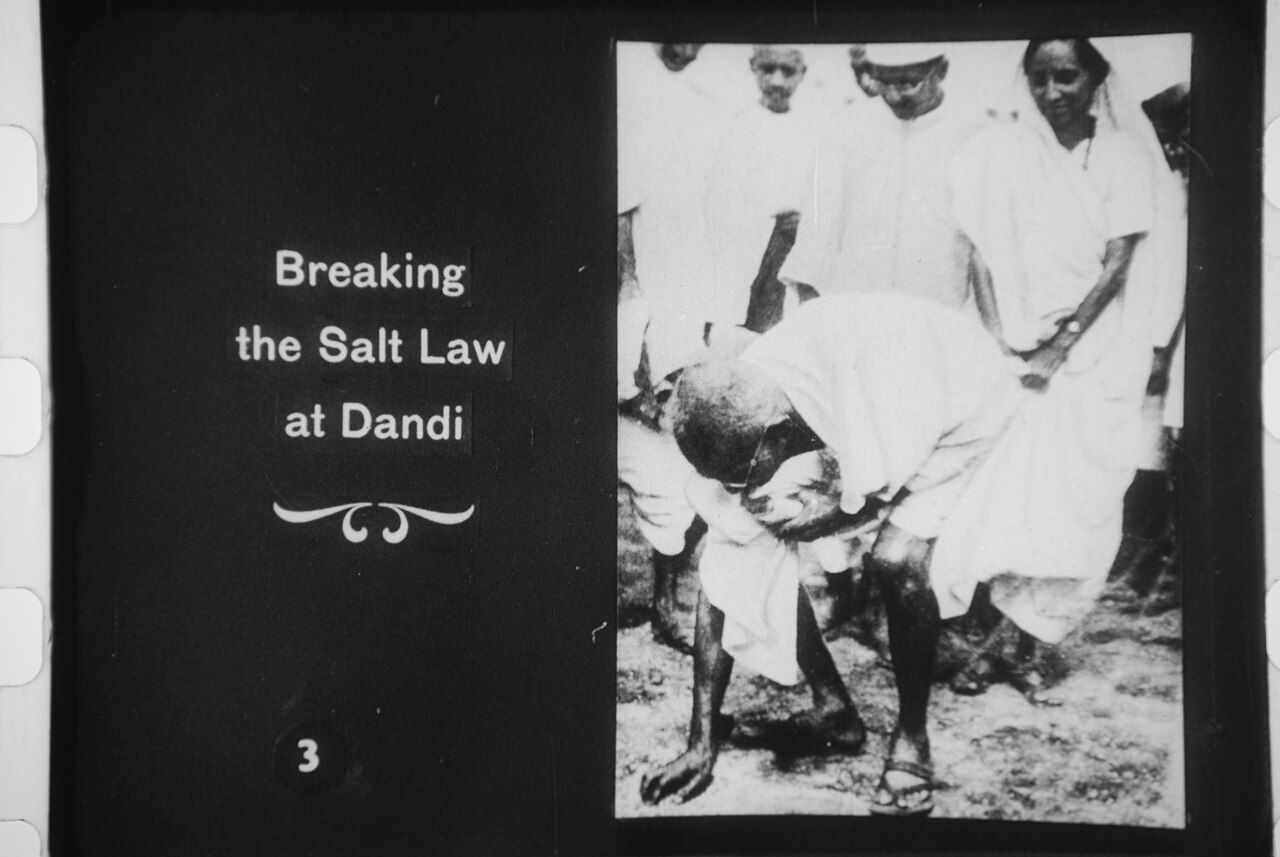 Photograph
Primary source
Photograph of Gandhi picking up salt at Dandi
Unknown press photographer · 6 April 1930
Primary source
Spiritual Message to the World
Mohandas K. Gandhi · 17 October 1931
Ready when you are
Start chatting with Mahatma Gandhi now.
20 messages free · No credit card · Available in 50+ languages.