


Secondary sourcePaintingca. 1750-1760
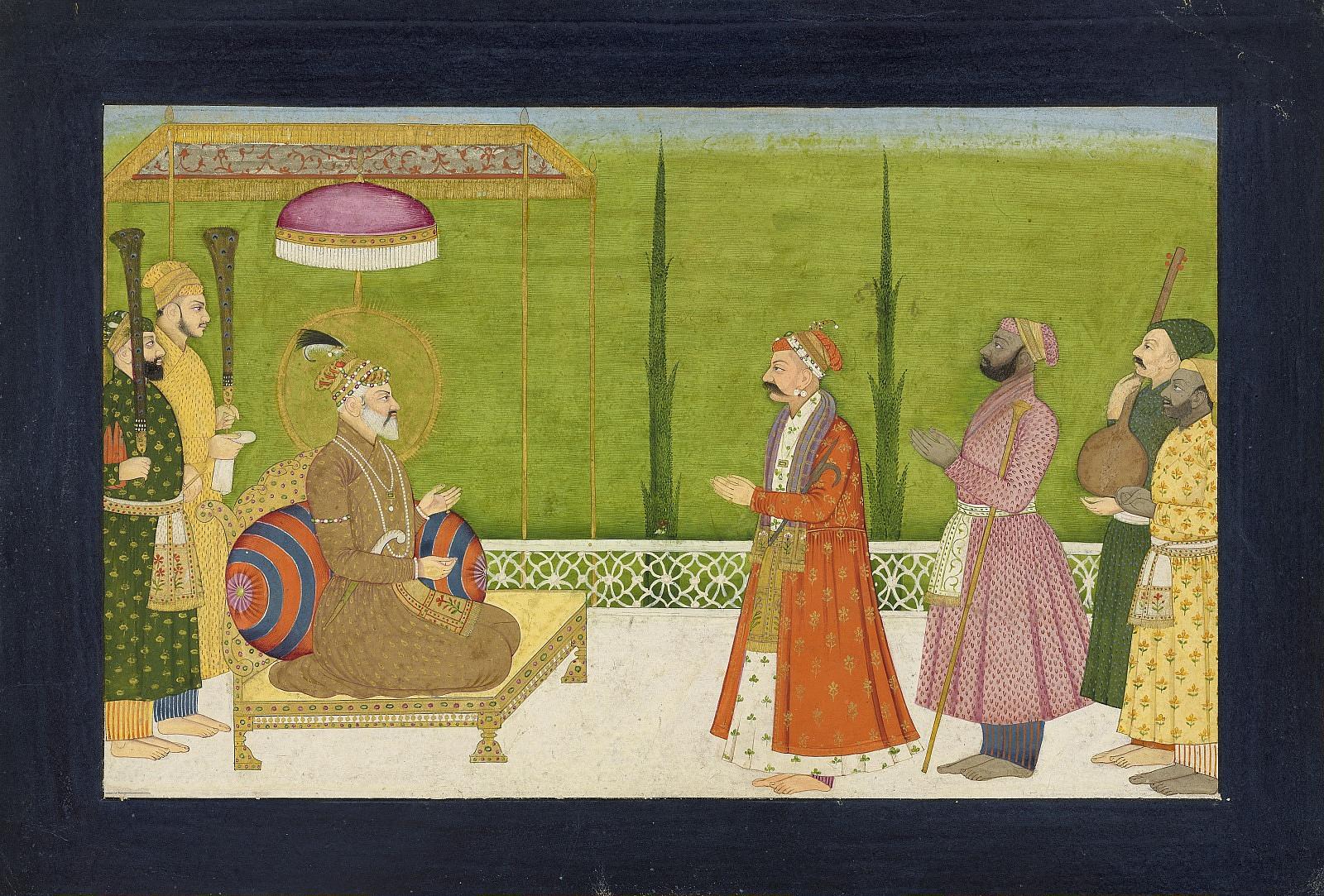
The Poet Sundar Das before Emperor Shah Jahan
Nainsukh (attributed) · ca. 1750-1760
A Guler school painting, made around 1750 to 1760, showing Shah Jahan receiving a poet. It was painted about a century after his reign.
Shows Shah Jahan receiving a poet at court, as later painters remembered him.
About this source
What it is
This is a Mughal-style painting in the Guler school, held by the National Museum of Asian Art of the Smithsonian Institution. It is a folio from a Sundar Shringar. The scene shows a seated emperor with a halo and feathered turban on a jeweled platform under a gold canopy. A man in an orange robe stands before him with his palms pressed together. Attendants with fly whisks and musicians stand nearby against a green background with cypress trees. The attribution is to Nainsukh, who was active around 1710 to 1778, and the work is dated about 1750 to 1760. A purple stamp and handwritten number on the cartouche show it was once part of a collection in Mandi.
Why it matters
Shah Jahan was a patron of poets and the arts, and this painting shows a poet being received at his court. The image was made roughly a century after his reign ended in 1658, so it reflects later views of him rather than an eyewitness record. It also shows how painters in the Pahari hill courts of the mid-1700s continued the Mughal style.
Look closer
- How does the painter show the difference in status between the emperor and the poet through posture, position and setting?
- The painting was made about a century after the reign. What might later artists and patrons have wanted to say about Shah Jahan?
- What does the painting leave out, such as the poet's own words or the voices of the people at court?
This painting is part of the curated material that grounds the AI version of Shah Jahan on Humy.ai — when students ask about related events, the AI can quote it and cite it.
More Shah Jahan sources
Browse all 99 →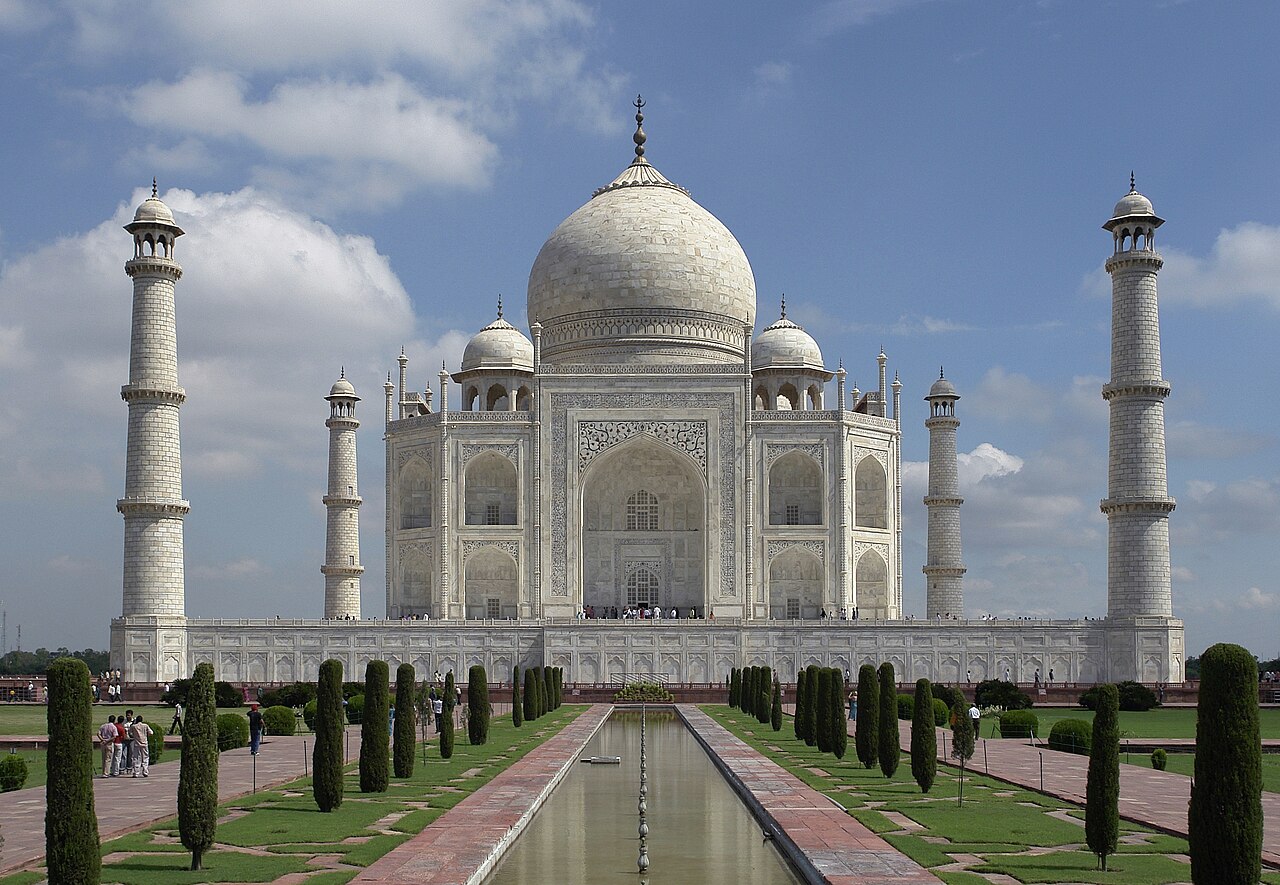 Artifact
Primary source
Taj Mahal
Ustad Ahmad Lahori · 1631-1653
 Book
Primary source
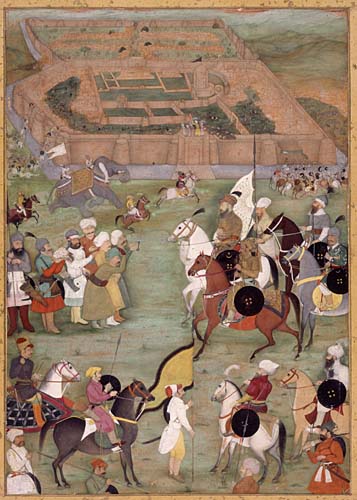
Padshahnama
Abdul Hamid Lahori · 1630-1657
 Artifact
Primary source
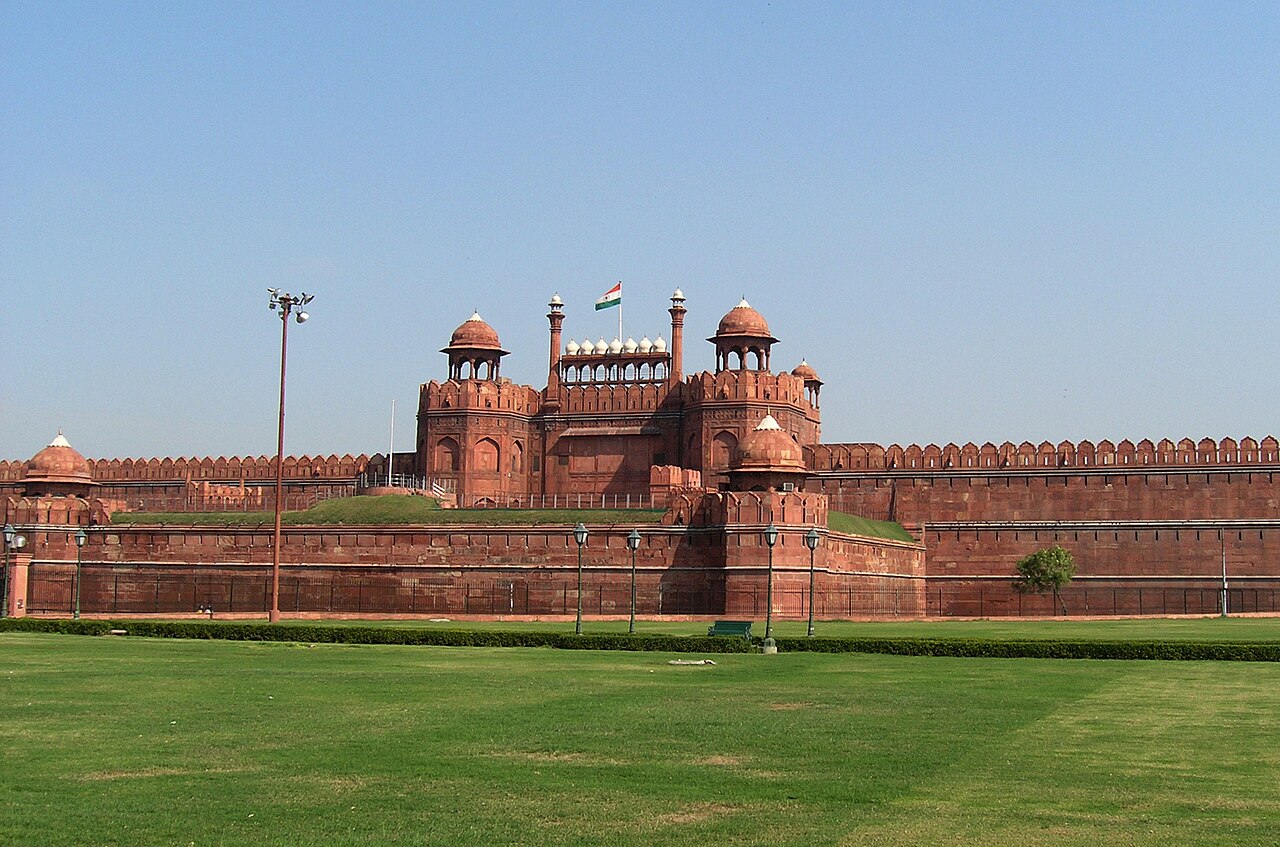
Red Fort
Ustad Ahmad Lahori · 1638-1648
 Painting
Primary source
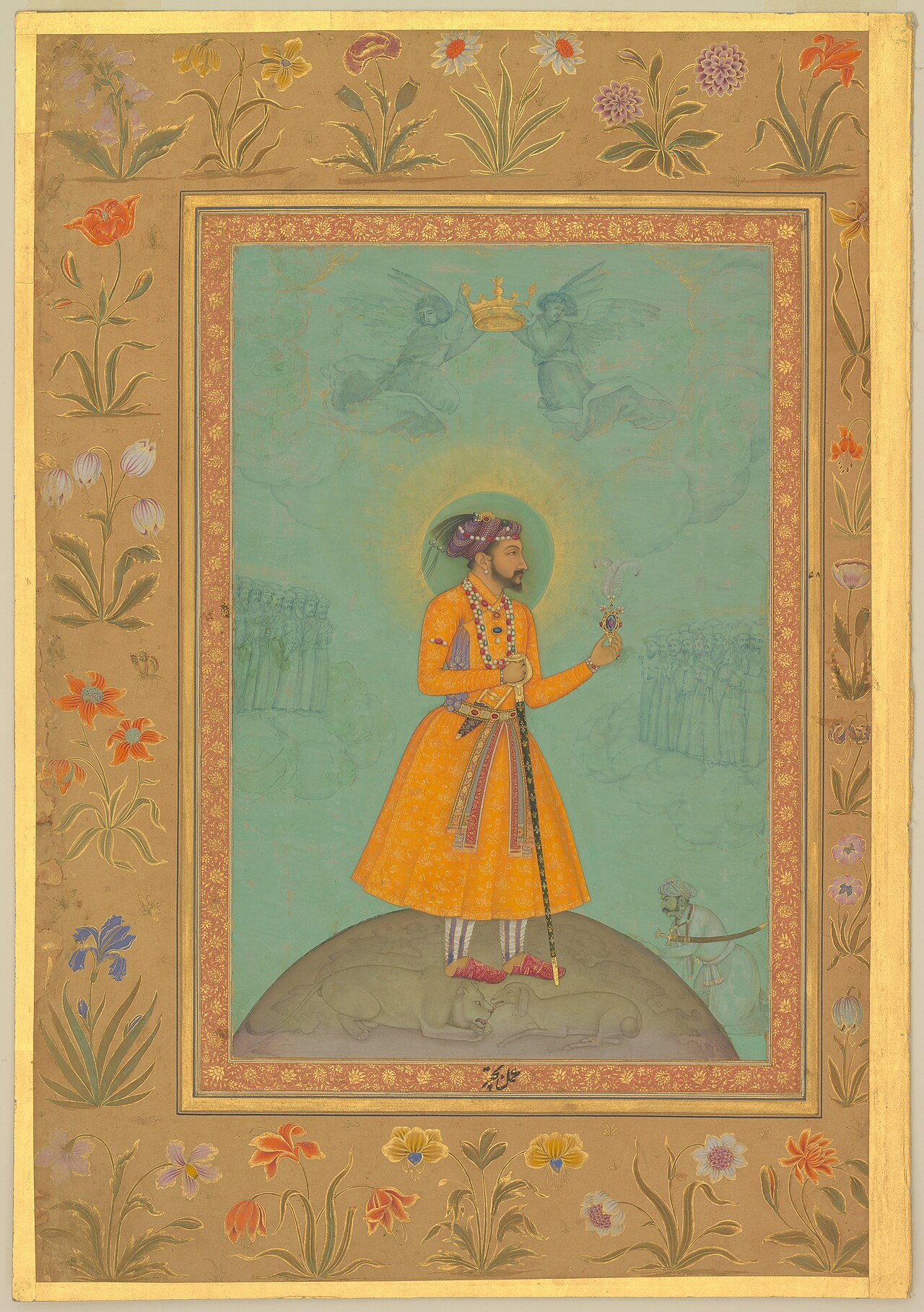
Mughal Emperor Shah Jahan standing on a globe
Bichitr · c. 1630
Free account
Read every Shah Jahan source
Sign up free →
Ready when you are
Start chatting with Shah Jahan now.
20 messages free · No credit card · Available in 50+ languages.