


Secondary sourceBook1916
The Pragmatic Theory of Truth as Developed by Peirce, James, and Dewey
Denton Loring Geyer · 1916
A 1914 doctoral thesis comparing William James's theory of truth with those of Charles Peirce and John Dewey.
This thesis analyzes and compares William James's theory of truth with those of Peirce and Dewey.
 PDF · 62 pages
About this source
What it is
This is a Ph.D. thesis written by Denton Loring Geyer at the University of Illinois, completed in 1914 and printed in 1916. It compares how Peirce, James, and Dewey each understood and developed the pragmatic theory of truth.
Why it matters
The thesis shows how, within a few years of William James's major writings on pragmatism, scholars were already studying and comparing his ideas with those of Charles Peirce (who first proposed pragmatism) and John Dewey (who developed it further). It is evidence of how quickly James's philosophy became a serious academic subject.
Look closer
- Why might a student choose to compare three thinkers instead of writing about just one?
- What does the structure of the thesis tell you about how James's ideas were received and debated?
- What is missing from a secondary academic analysis like this that you would only get from reading James's own writing?
This book is part of the curated material that grounds the AI version of William James on Humy.ai — when students ask about related events, the AI can quote it and cite it.
More William James sources
Meet the AI William James → Book
Primary source
The Principles of Psychology
William James · 1890
 Book
Primary source
The Varieties of Religious Experience
William James · 1901-1902
Primary source
Pragmatism: A New Name for Some Old Ways of Thinking
William James · 1907
Primary source
The Will to Believe
William James · 1896
 Painting
Primary source
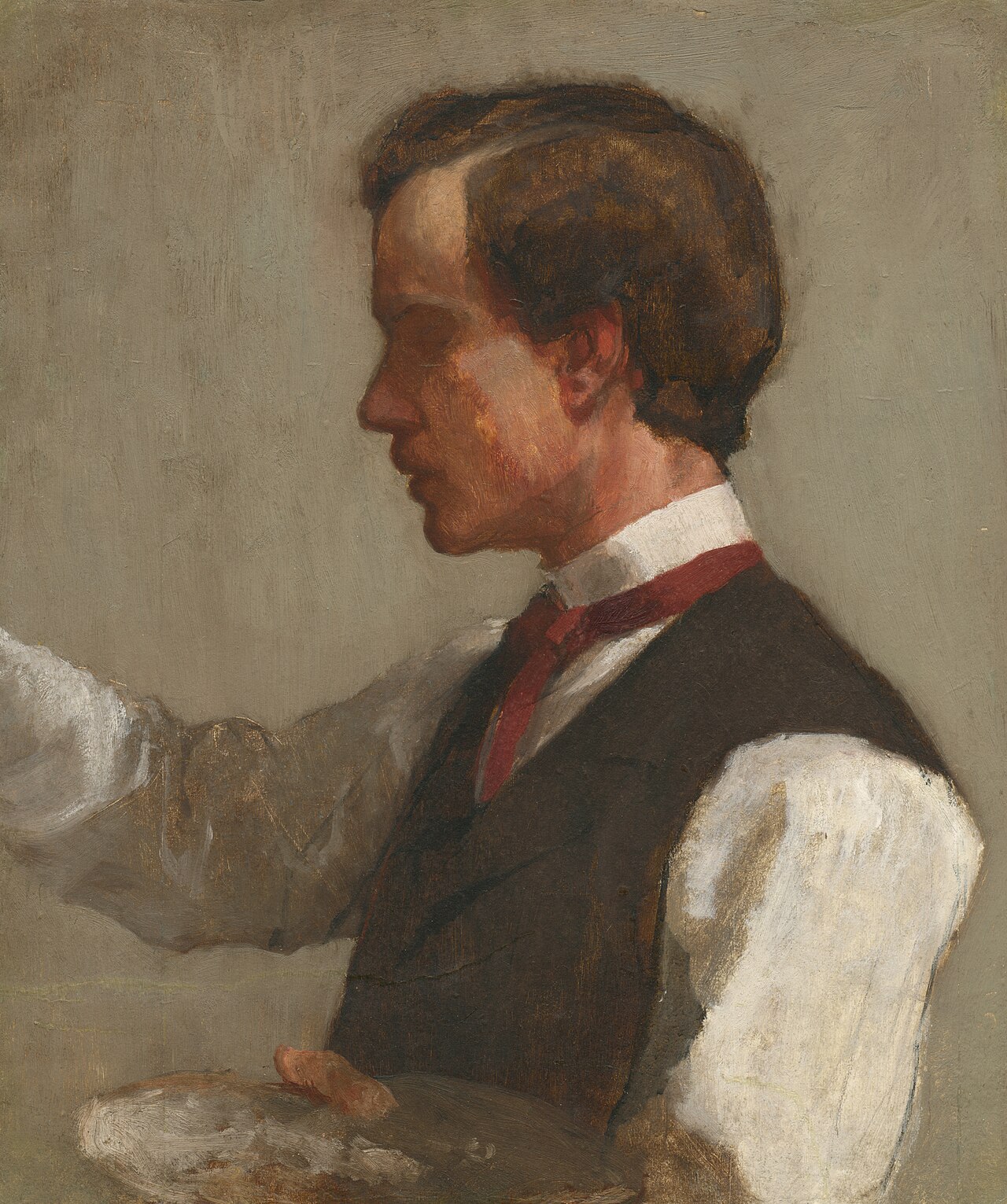
William James
John La Farge · 1859
Ready when you are
Start chatting with William James now.
20 messages free · No credit card · Available in 50+ languages.