


Primary sourceBook1816
The Prisoner of Chillon
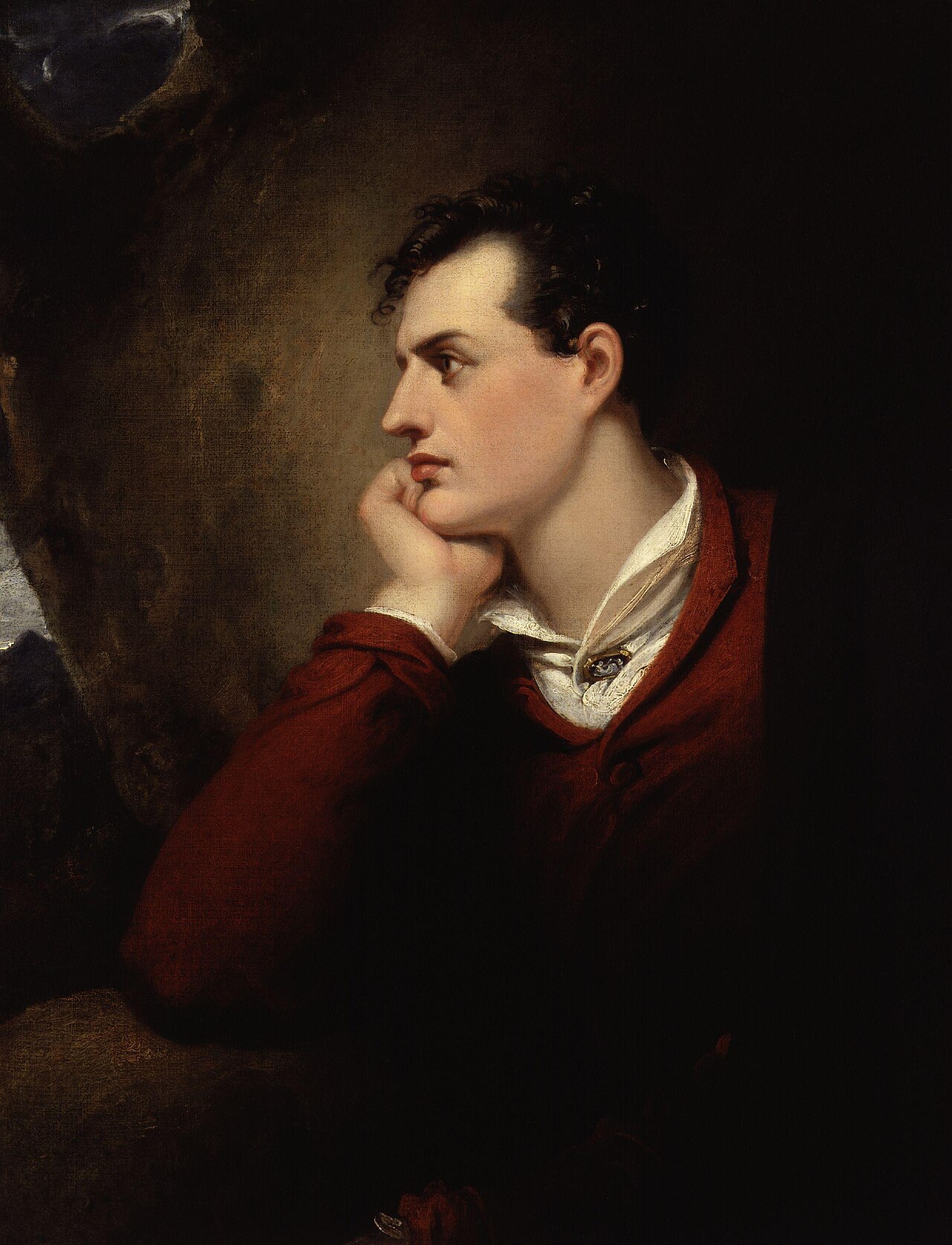
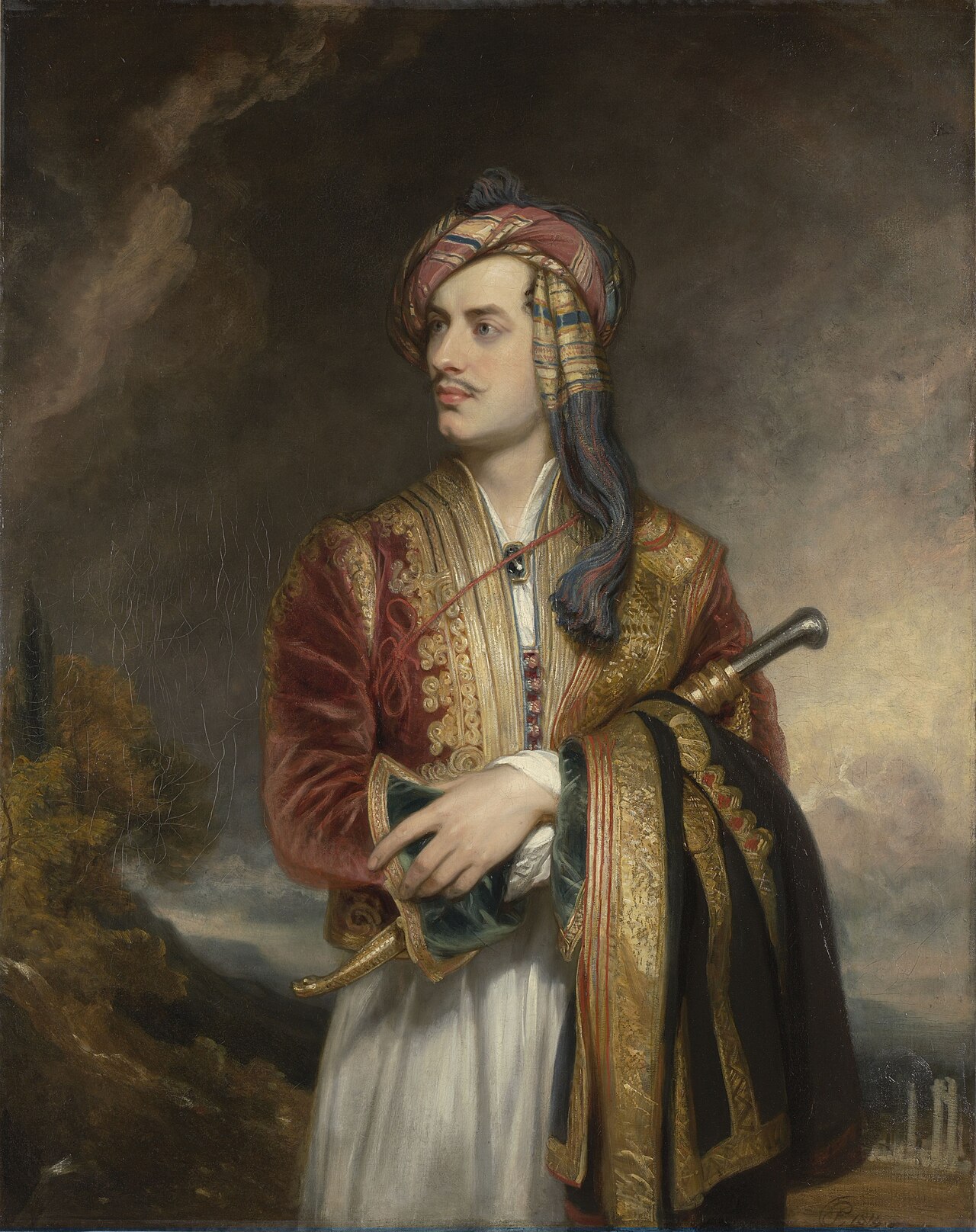
Lord Byron · 1816
A narrative poem Byron wrote in 1816 after visiting Chillon Castle with Percy Shelley, based on the imprisonment of a real monk.
Byron wrote this poem after visiting Chillon Castle with Shelley, reflecting his preoccupation with liberty and suffering.
Free Humy account · No credit card · 120,912 sources to read
About this source
What it is
The Prisoner of Chillon is the title poem of an 1816 collection by Lord Byron, published by John Murray. It is a 392-line poem narrating the imprisonment of the Genevan monk François Bonivard, who was held in the dungeon of Chillon Castle from 1532 to 1536. Byron wrote it after visiting the castle with his friend Percy Bysshe Shelley in June 1816, where the two poets saw the actual dungeon and carved their names in its stone.
Why it matters
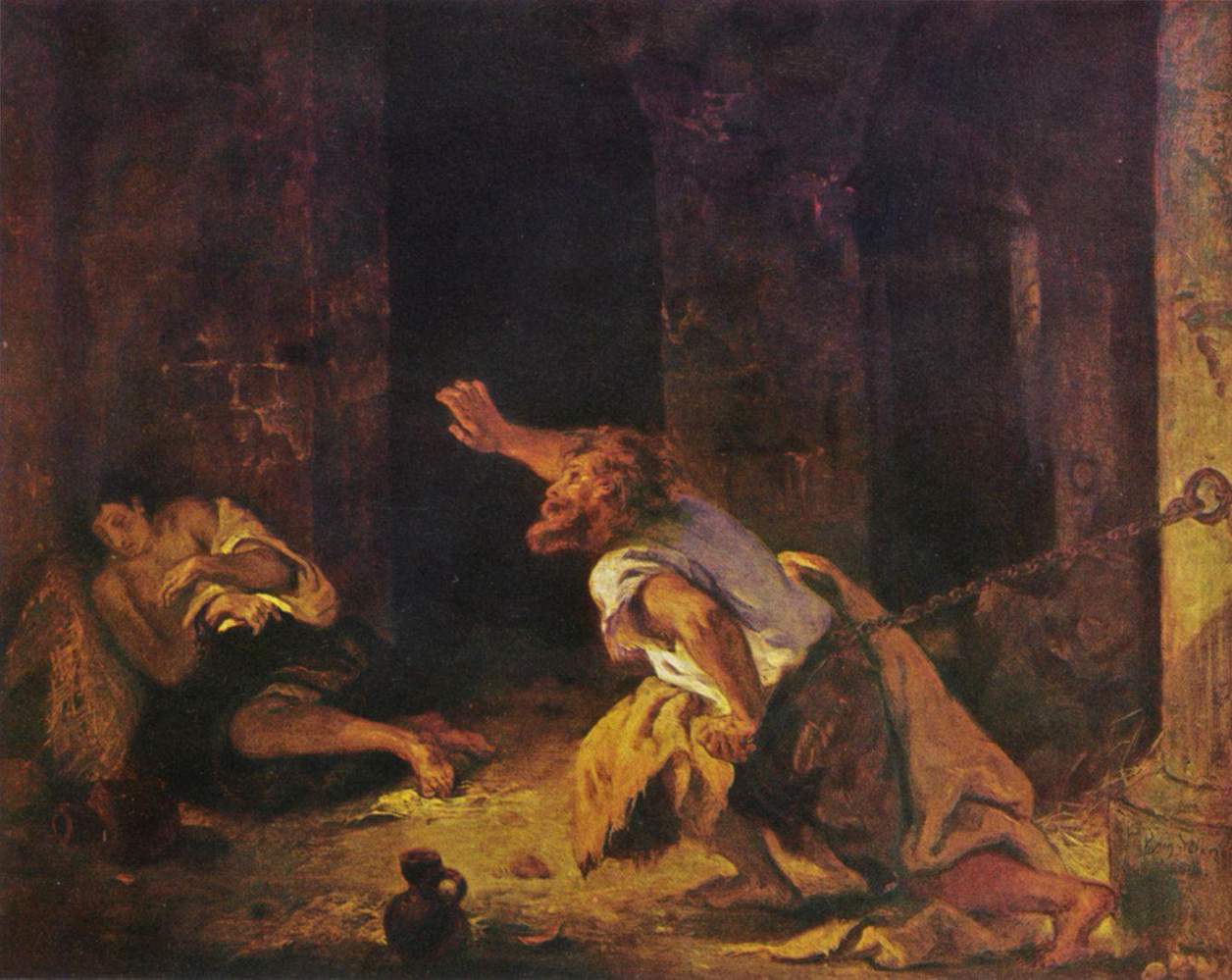
The poem shows Byron turning a real historical place and story into a meditation on imprisonment, suffering, and freedom, written during a prolific and turbulent period after he left England. It reflects his close friendship and creative exchange with Shelley, and became one of his most admired works, later illustrated by artists including George Cruikshank and Eugène Delacroix.
Look closer
- Why might visiting the actual dungeon have changed how Byron wrote about imprisonment?
- The poem ends with the freed prisoner saying he saw little difference between prison and freedom - what might that suggest about Byron's state of mind?
- How does the illustration depict suffering, and what feelings does it try to create in the viewer?
This book is part of the curated material that grounds the AI version of Lord Byron on Humy.ai — when students ask about related events, the AI can quote it and cite it.
More Lord Byron sources
Browse all 98 →
Ready when you are
Start chatting with Lord Byron now.
20 messages free · No credit card · Available in 50+ languages.