


Primary sourceSpeech1 June 1865
The Promises of the Declaration of Independence
Charles Sumner · 1 June 1865
A printed Boston eulogy for President Abraham Lincoln, delivered by Charles Sumner in 1865, which uses Lincoln's life to argue that the promises of the Declaration of Independence were still unfinished.
Sumner wrote and delivered this eulogy, so it shows his own public argument for equal rights in the years after the Civil War.
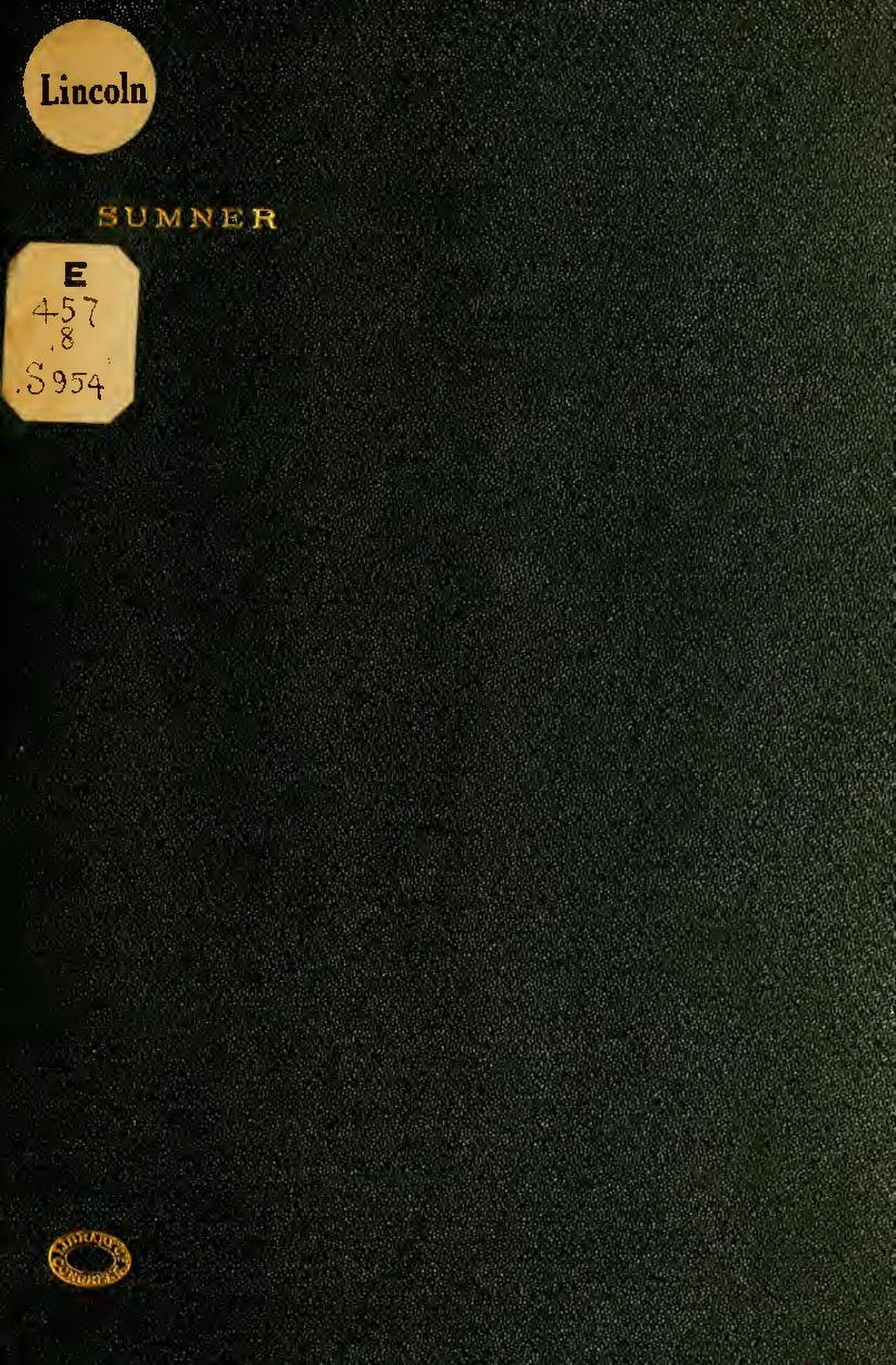
About this source
What it is
This is a printed copy of a eulogy for President Abraham Lincoln, delivered in Boston by Charles Sumner and dated 1 June 1865. The Library of Congress holds the copy shown here, a library book with a dark green cloth cover and a call-number label. Sumner uses Lincoln's life to argue that the promises of the Declaration of Independence, including equal rights, were still unfinished after the war.
The text praises Lincoln for holding firm on principle. It also condemns slavery in strong terms, quoting Sumner's words calling it 'a monstrous injustice' and his line 'If Slavery is not wrong, then nothing is wrong.'
Why it matters
Sumner was an abolitionist and a leading statesman who had fought slavery for decades. Speaking after Lincoln's death, he tied the president's memory to the fight for equal rights. The speech shows how some Northern leaders wanted the Civil War understood: not only as a struggle to save the Union, but as a struggle over the meaning of freedom and equality, and over whether those promises would be kept.
Look closer
- What does Sumner say the Declaration promised, and who does he suggest should share in those promises?
- Why might a eulogy praise Lincoln for 'putting his foot down'? What does that reveal about how Sumner wanted Lincoln remembered?
- Whose voices are missing from this eulogy, such as the people who had been enslaved or Lincoln's critics?
This speech is part of the curated material that grounds the AI version of Charles Sumner on Humy.ai — when students ask about related events, the AI can quote it and cite it.
More Charles Sumner sources
Meet the AI Charles Sumner →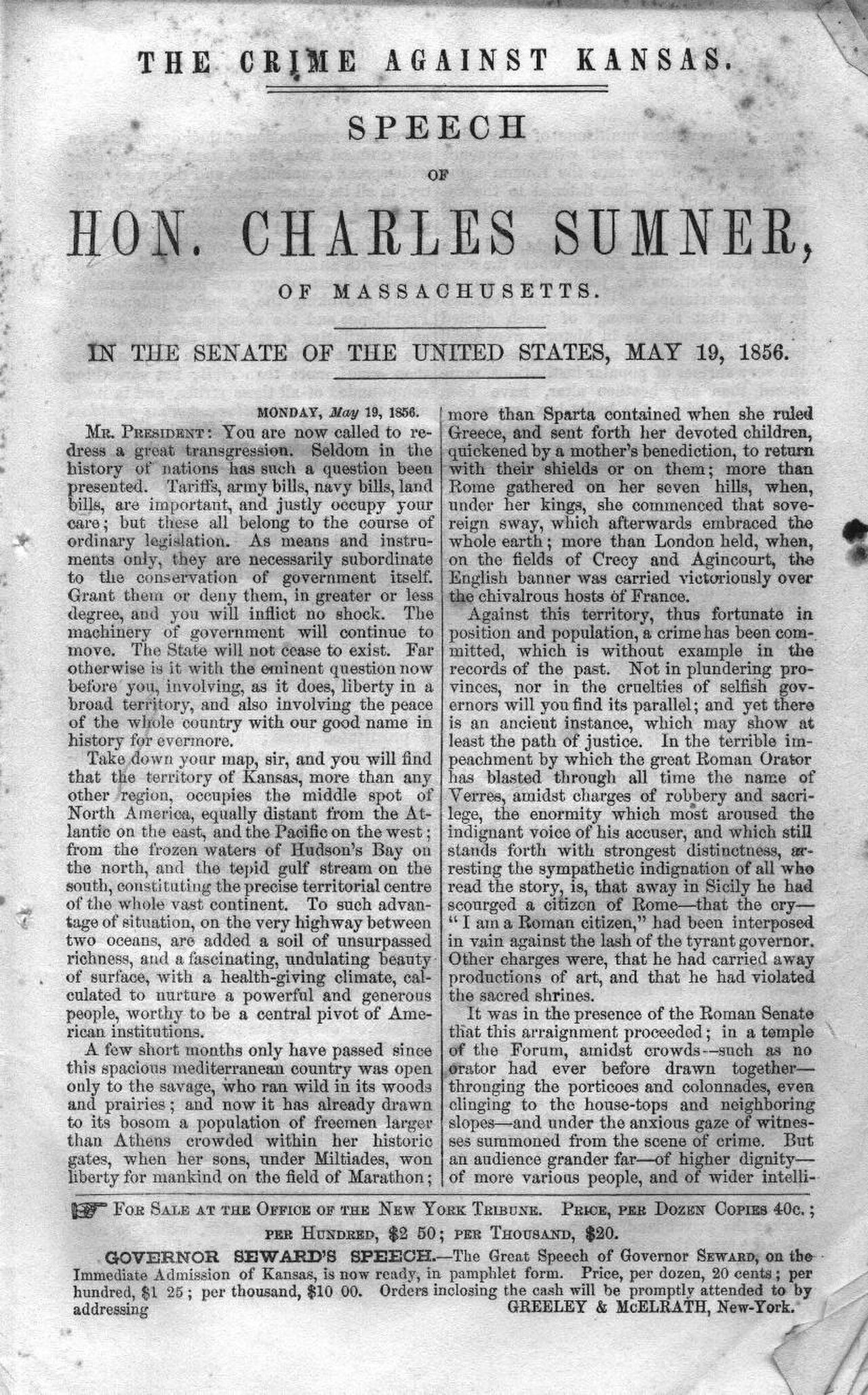 Speech
Primary source
The Crime Against Kansas
Charles Sumner · 19-20 May 1856
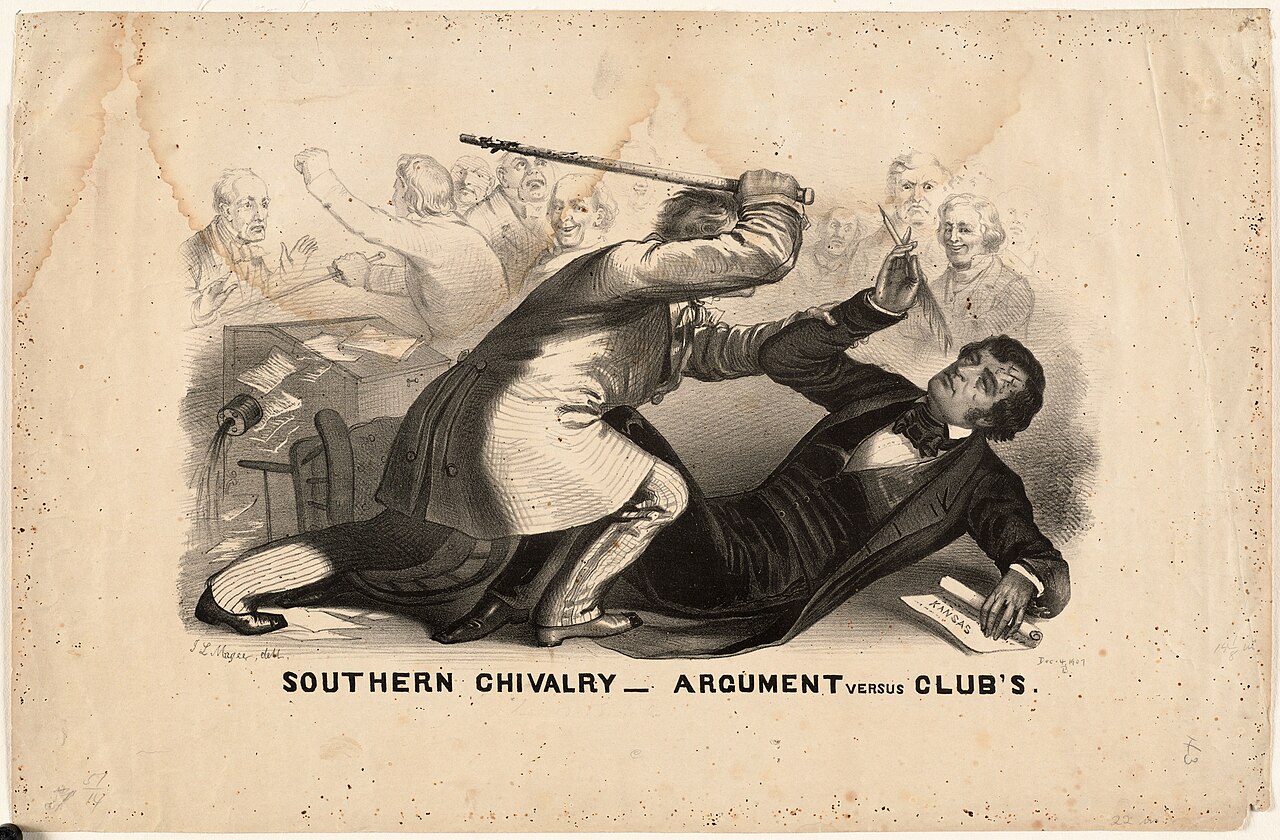 Painting
Primary source
Southern Chivalry – Argument versus Club's
John L. Magee · 1856
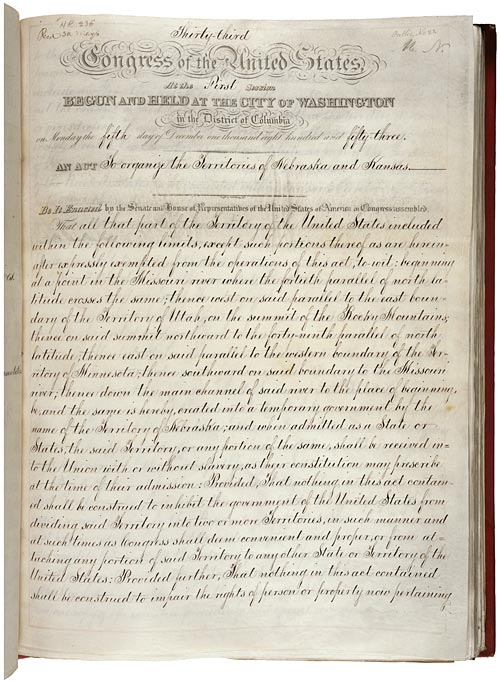 Document
Primary source
Kansas-Nebraska Act
United States Congress · 1854
 Speech
Primary source
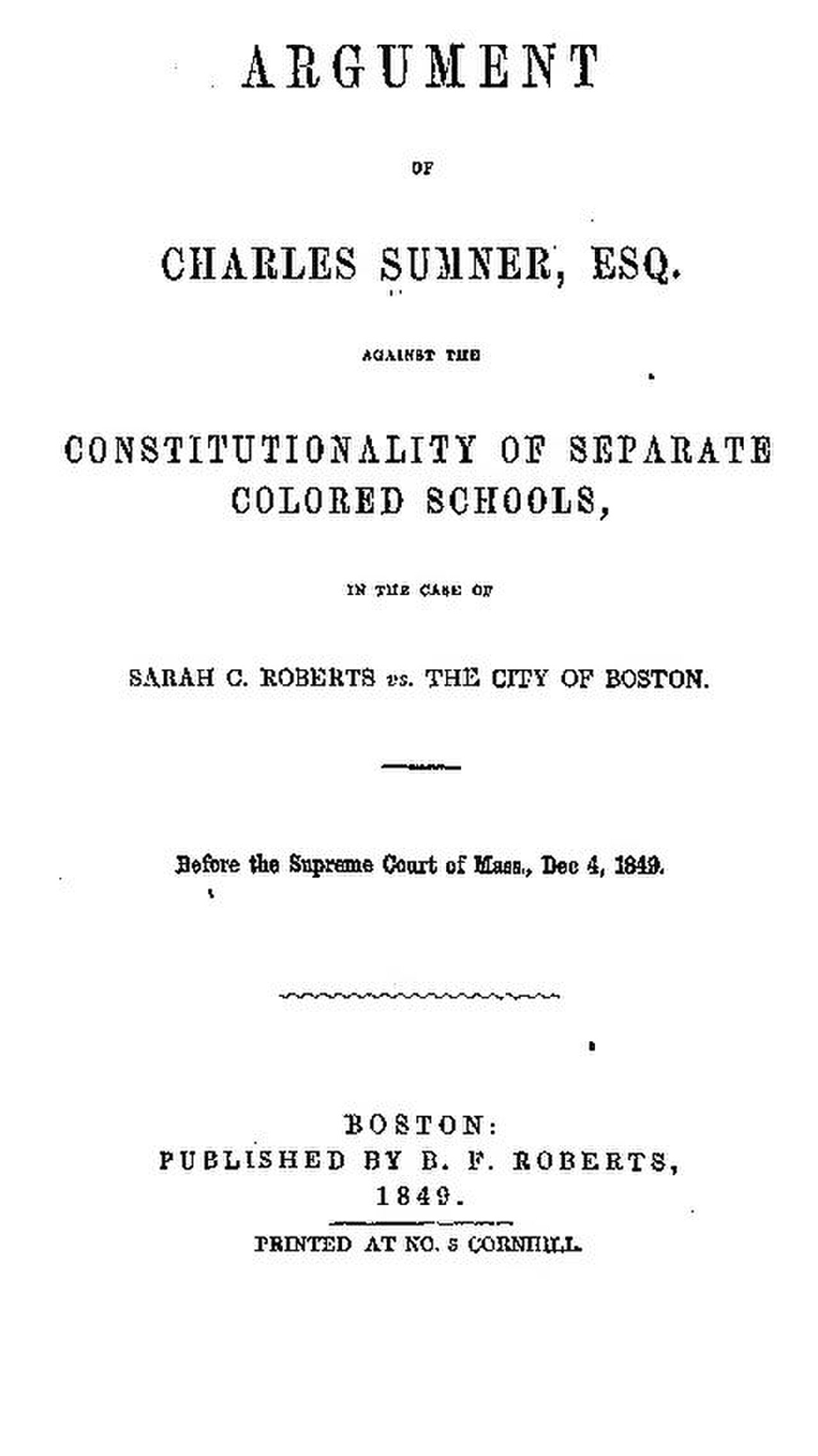
Argument of Charles Sumner against the Constitutionality of Separate Colored Schools
Charles Sumner · 4 December 1849
 Document
Primary source
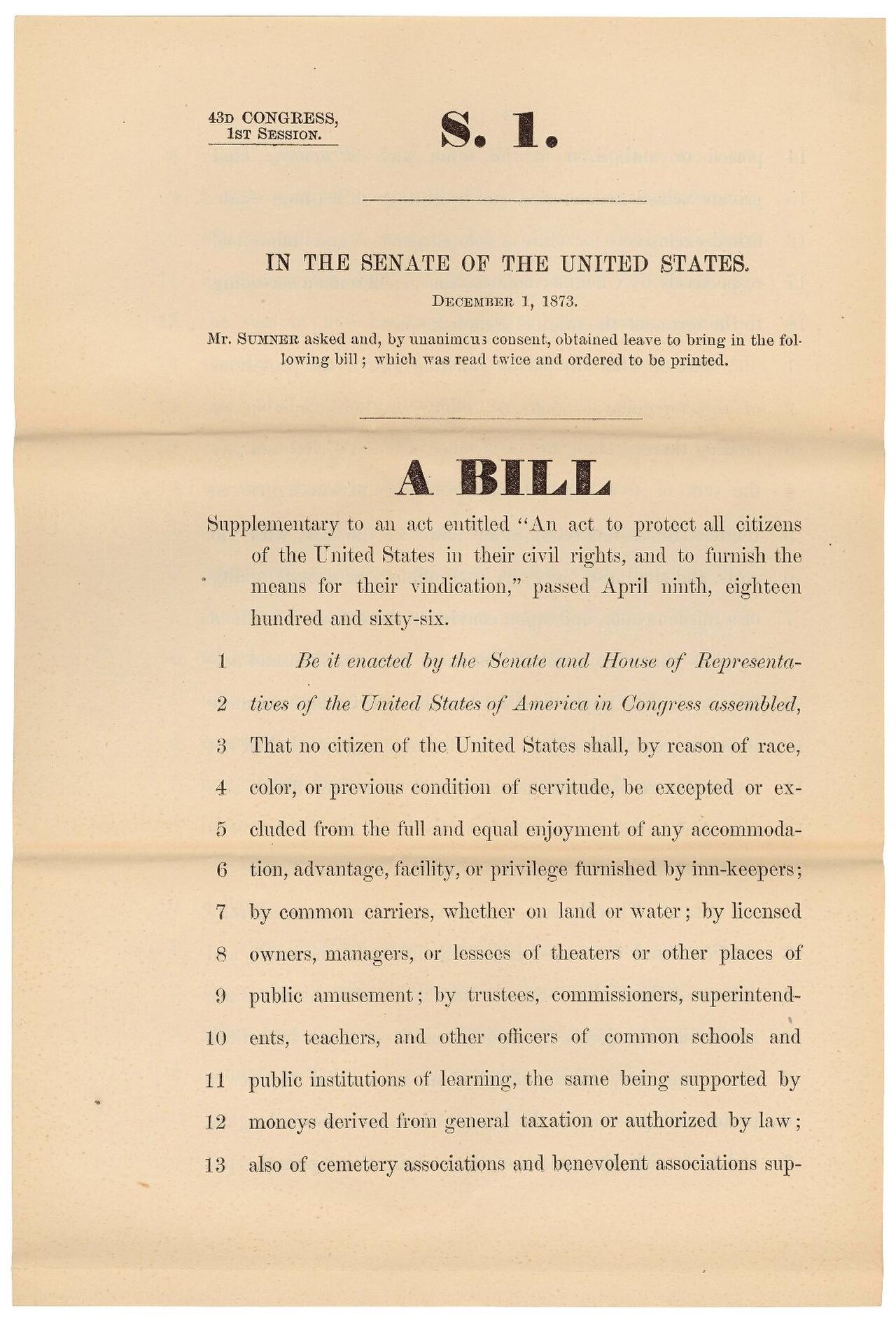
Civil Rights Act of 1875
United States Congress · 1 March 1875
Ready when you are
Start chatting with Charles Sumner now.
20 messages free · No credit card · Available in 50+ languages.