


Secondary sourceBook
The Quatrains of Omar Khayyam
E. H. Whinfield
A Victorian English translation of Khayyam's rubaiyat by E. H. Whinfield, offering a fuller and more literal rendering than FitzGerald's famous version.
An English translation of Khayyam's own quatrains, letting students compare how his poetry is rendered differently across versions.
About this source
What it is
This is a 19th-century English translation of the short four-line poems, or quatrains, attributed to Omar Khayyam, made by the scholar E. H. Whinfield and published as part of a series introducing Western readers to Asian literature and philosophy.
Why it matters
While Edward FitzGerald's free adaptation of Khayyam's verses made the poet famous in the English-speaking world, Whinfield's translation aimed to stay closer to the original Persian text. Comparing the two shows how much a translator's choices can shape how a historical figure's words and ideas are understood by later generations.
Look closer
- Why might two translations of the same poems sound very different from each other?
- What is gained and what is lost when a translator prioritizes accuracy over poetic style?
- Why do you think Western scholars in the 1800s were eager to translate Persian poetry?
This book is part of the curated material that grounds the AI version of Omar Khayyam on Humy.ai — when students ask about related events, the AI can quote it and cite it.
More Omar Khayyam sources
Meet the AI Omar Khayyam →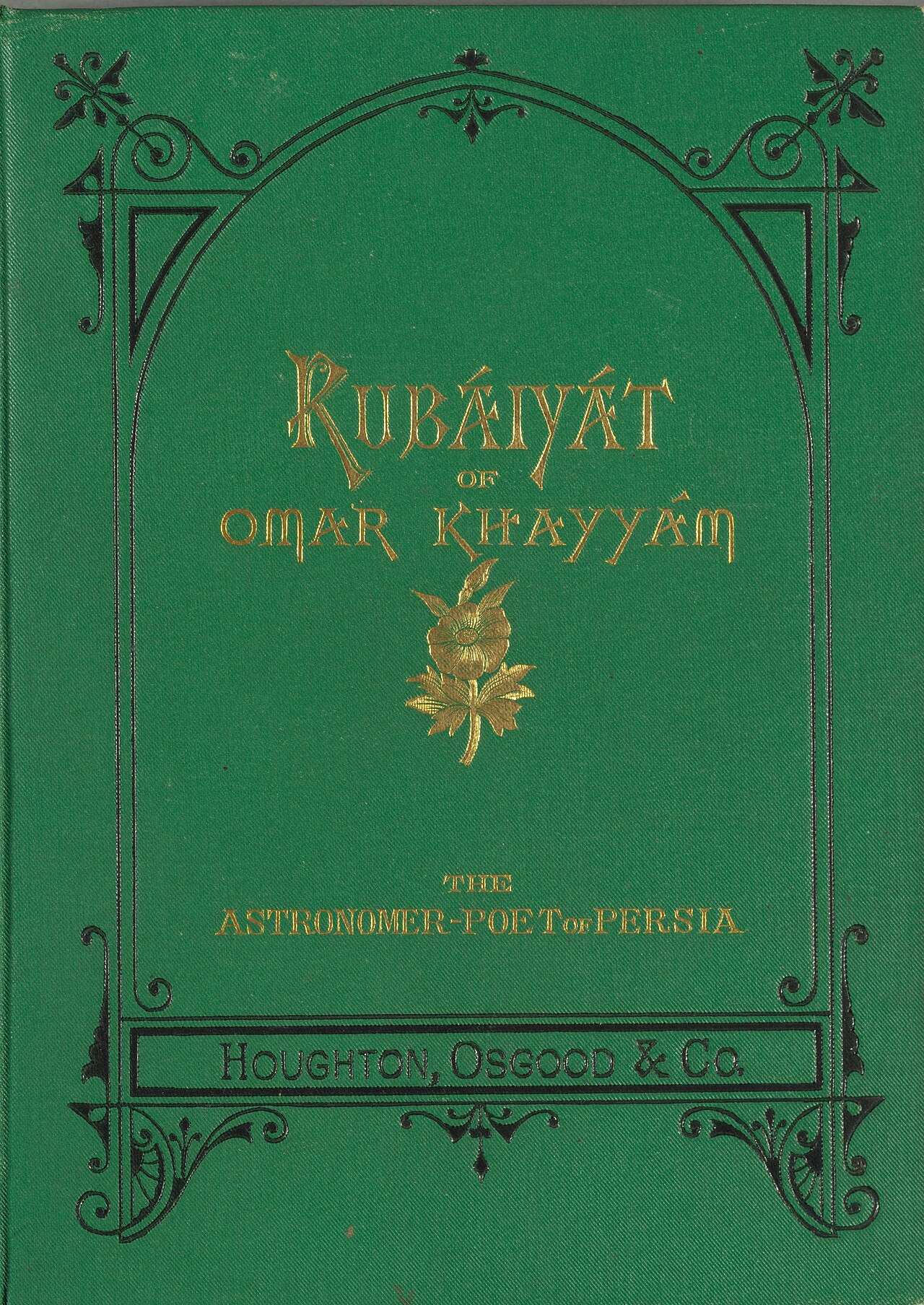 Book
Secondary source
Rubáiyát of Omar Khayyám
Edward FitzGerald · 1878
 Document
Primary source
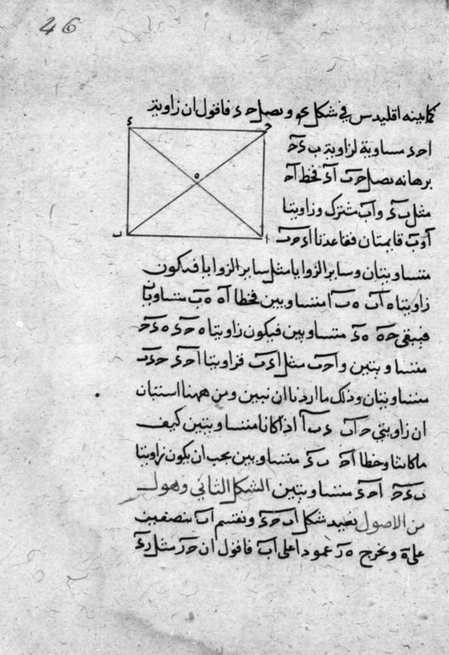
Khayyam Geometry Manuscript
Omar Khayyám
Secondary source
The Rubaiyat of Omar Khayyam (First Edition)
Edward FitzGerald · 1859
 Book
Secondary source
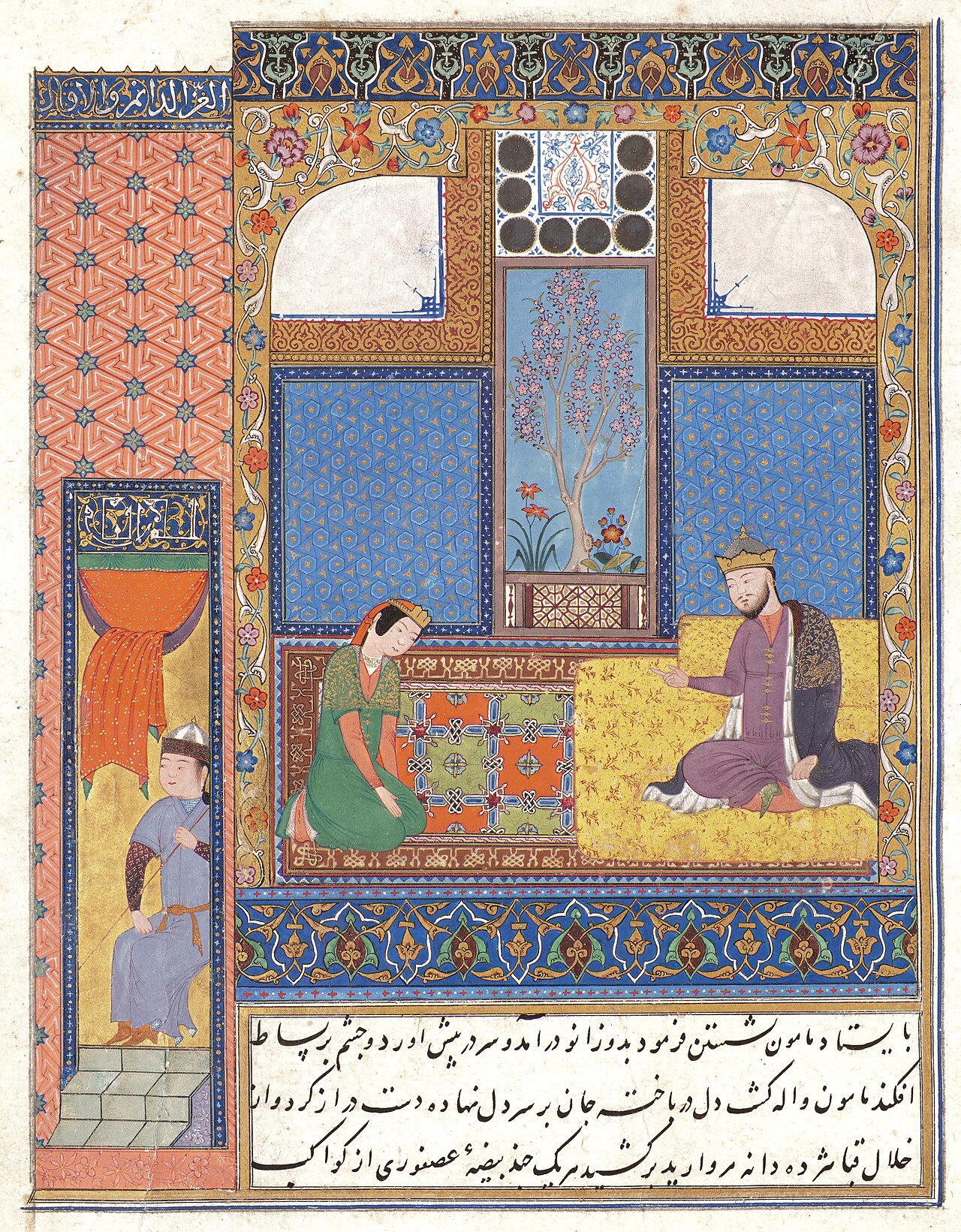
Chahar Maqala
Nizami Aruzi · 1155–1157
 Artifact
Secondary source
Jameh Mosque of Isfahan
841 (rebuilt 1086-1089 under Khayyám's patrons)
Ready when you are
Start chatting with Omar Khayyam now.
20 messages free · No credit card · Available in 50+ languages.