


Primary sourcePainting1618
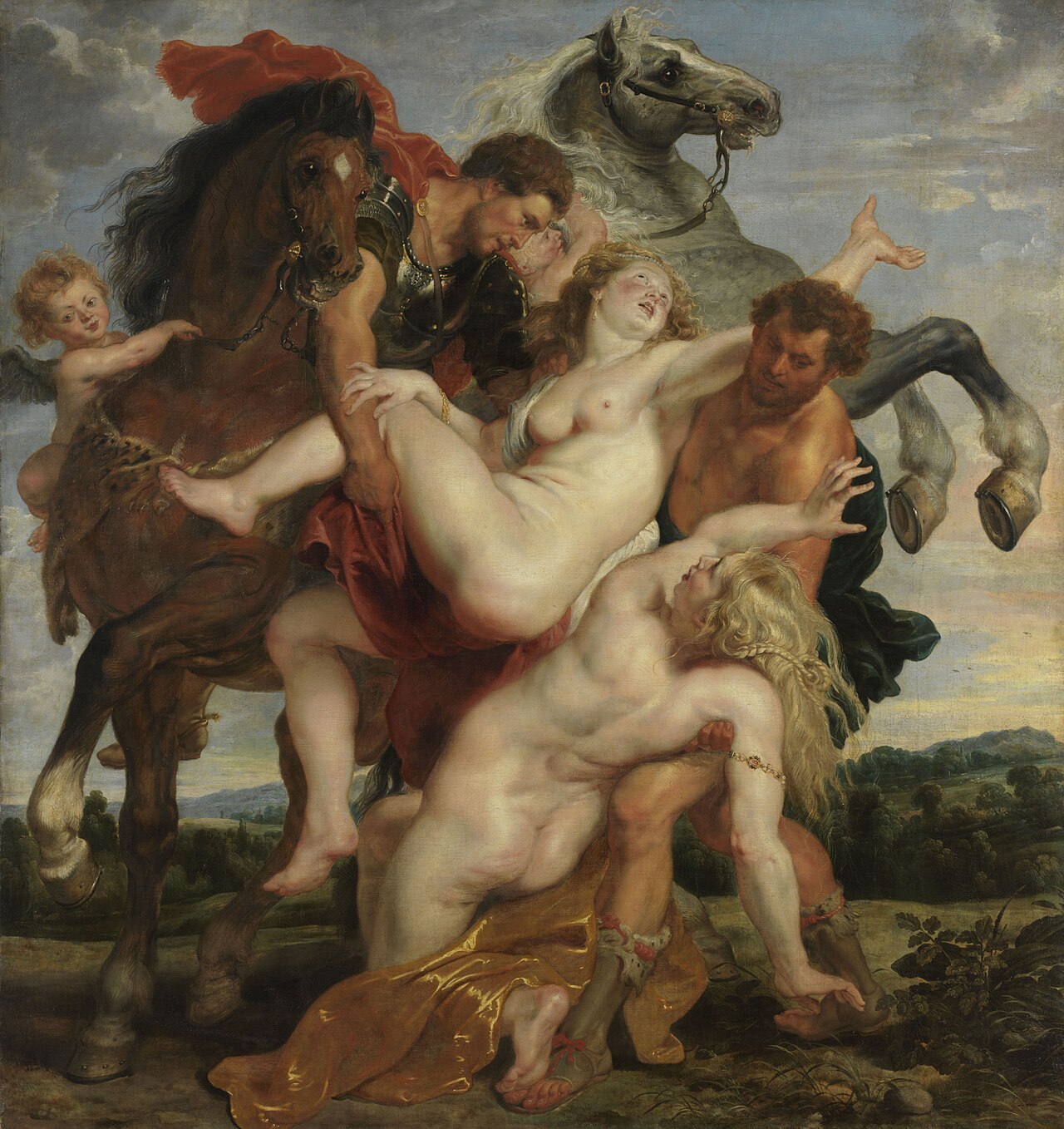
The Rape of the Daughters of Leucippus
Peter Paul Rubens and Jan Wildens · 1618
A 1618 mythological painting by Rubens and landscape specialist Jan Wildens, depicting the abduction of Phoebe and Hilaeira by Castor and Pollux.
Rubens painted this dynamic mythological scene in 1618, demonstrating his mature Baroque treatment of the body.
About this source
What it is
This 1618 painting by Peter Paul Rubens, with landscape by Jan Wildens, depicts the mythical twins Castor and Pollux abducting Phoebe and Hilaeira, daughters of Leucippus. It is held at the Alte Pinakothek in Munich.
Why it matters
The painting is a major example of Rubens's mature Baroque style, full of swirling movement and dramatic tension between the figures. It shows his collaboration with other specialists, like Wildens for landscape, a common practice in large workshop productions, and reveals how classical mythology was used to explore dramatic, violent subjects in a way that showcased the painter's skill with the human body in motion.
Look closer
- How does Rubens use the positions of the horses and riders to create a sense of motion?
- Why might an artist of this period choose a violent mythological subject for a major commission?
- What does the painting leave out about the perspectives of the two women being abducted?
This painting is part of the curated material that grounds the AI version of Peter Paul Rubens on Humy.ai — when students ask about related events, the AI can quote it and cite it.
More Peter Paul Rubens sources
Browse all 97 →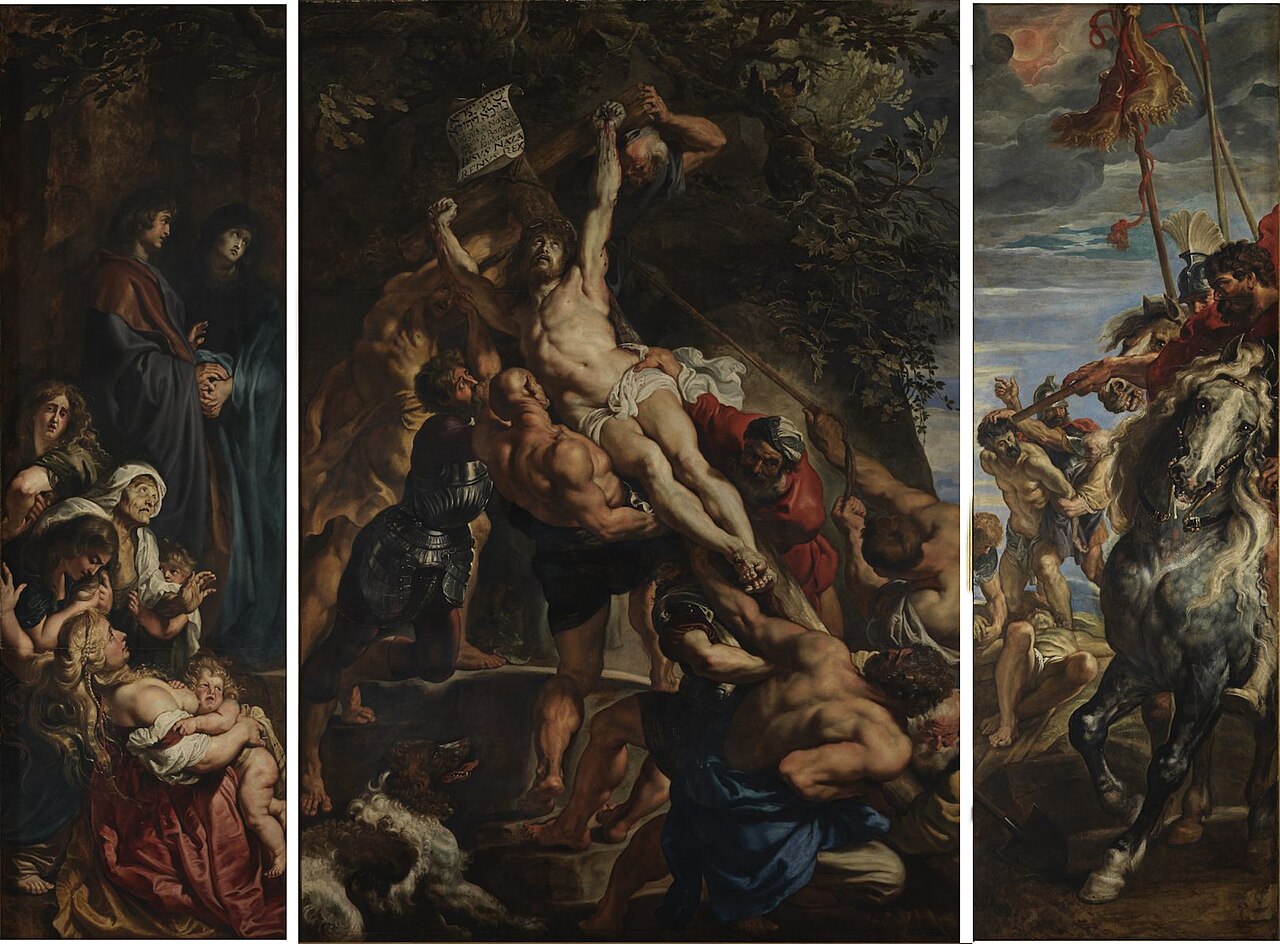 Painting
Primary source
The Elevation of the Cross
Peter Paul Rubens · 1610–1611
 Painting
Primary source
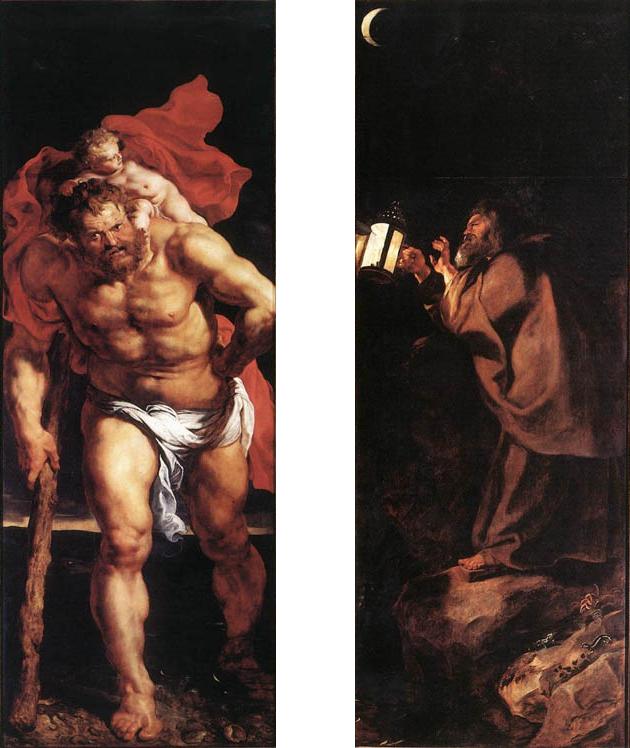
The Descent from the Cross
Peter Paul Rubens · 1611–1614
 Painting
Primary source
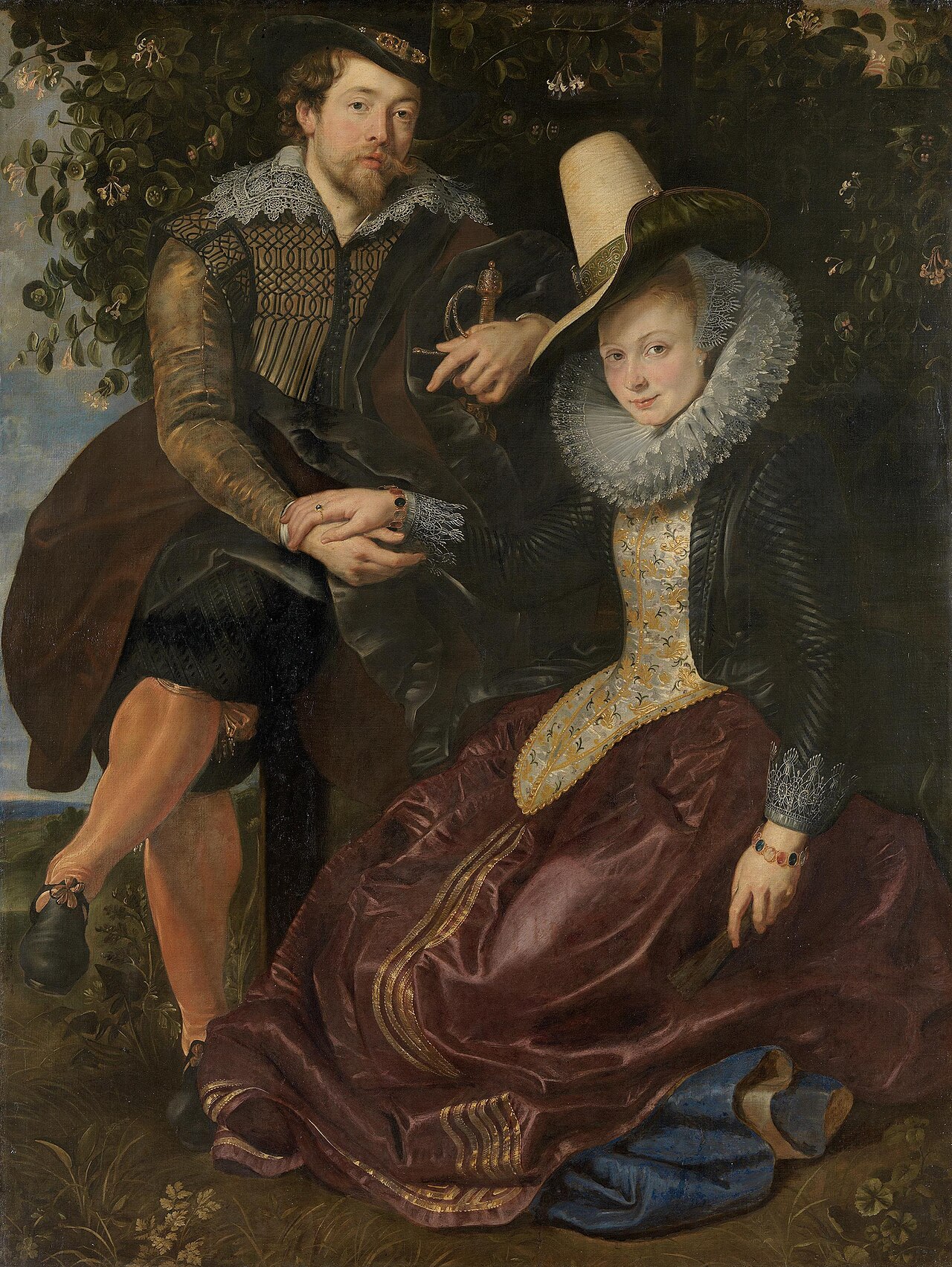
The Honeysuckle Bower
Peter Paul Rubens · c. 1609
 Painting
Primary source
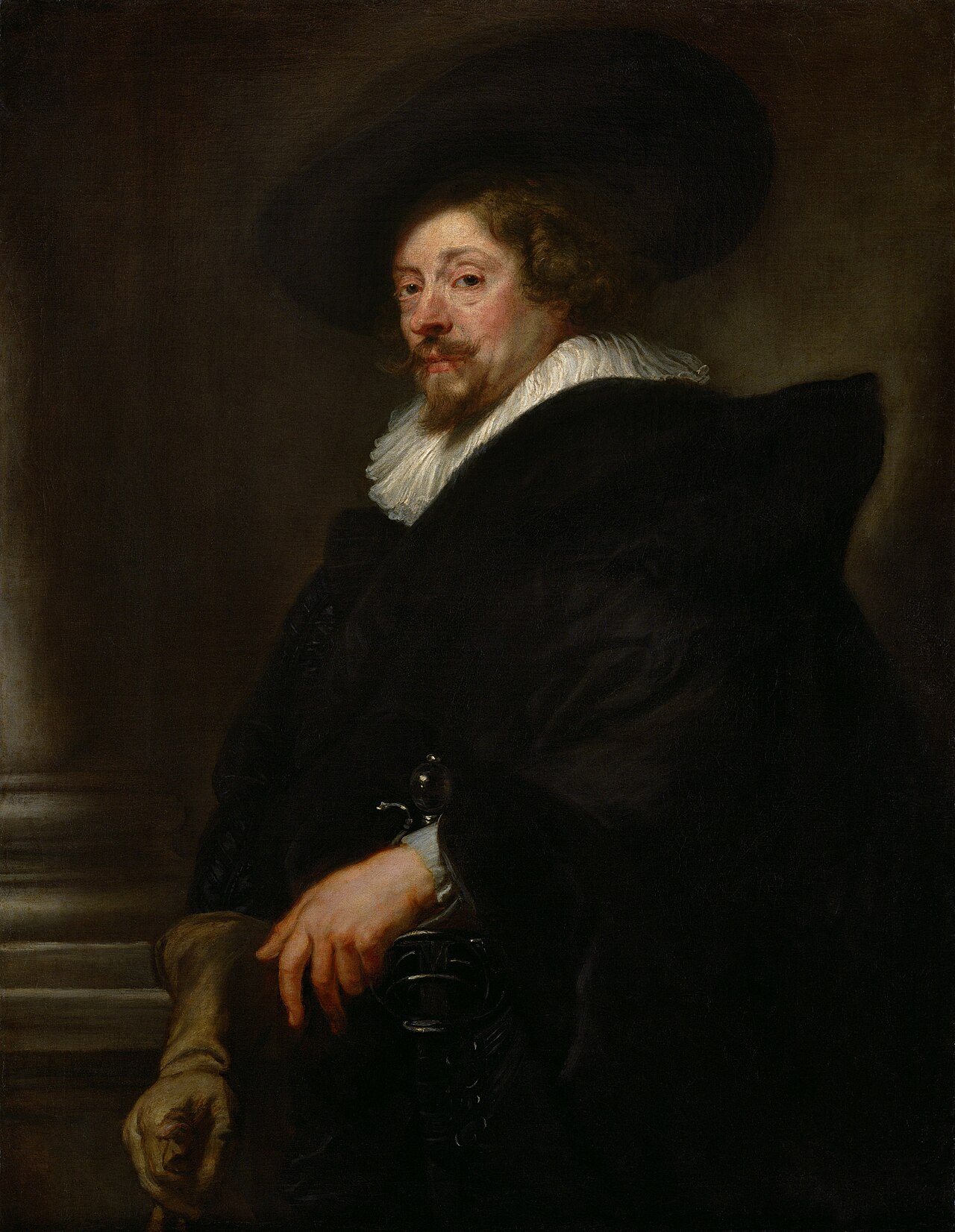
Self-Portrait
Peter Paul Rubens · 1638–1639
Free account
Read every Peter Paul Rubens source
Sign up free →
Ready when you are
Start chatting with Peter Paul Rubens now.
20 messages free · No credit card · Available in 50+ languages.