


Secondary sourcePainting1630
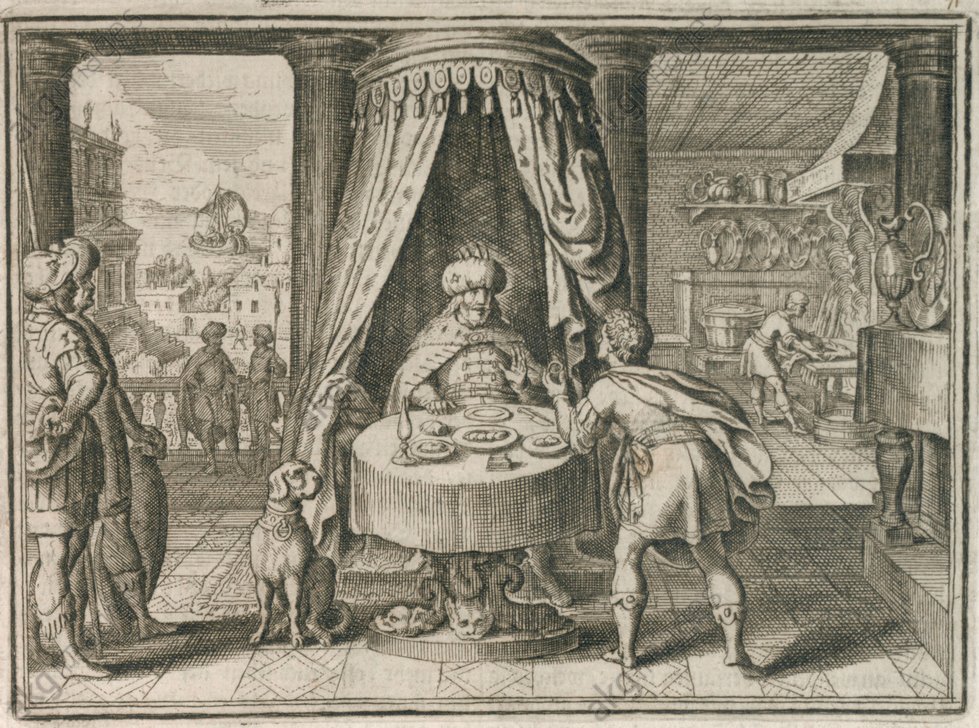
The Ring of Polycrates
Matthäus Merian the Elder · 1630
A 1630 engraving by Matthäus Merian illustrating Herodotus's story of Polycrates's ring, a tale of fate and divine envy.
This later engraving illustrates one of Herodotus's own tales, showing how his stories were retold long after his death.
About this source
What it is
This is an engraving made in 1630 by the German artist Matthäus Merian the Elder. It illustrates a story told in Herodotus's Histories (Book 3, sections 39-43) about Polycrates, a Greek tyrant, and his ring.
Why it matters
Herodotus often included moral tales alongside his history, and this story warns that excessive good fortune invites disaster through divine envy. The engraving shows how, centuries later, artists like Merian still drew on Herodotus's narratives to create vivid images for readers across Europe.
Look closer
- What details in the engraving might come directly from Herodotus's text, and which might be the artist's own invention?
- Why might a 17th-century artist choose to illustrate a story from ancient Greece?
- What does the popularity of this tale across centuries tell us about Herodotus's influence?
This painting is part of the curated material that grounds the AI version of Herodotus on Humy.ai — when students ask about related events, the AI can quote it and cite it.
More Herodotus sources
Browse all 86 → Book
Secondary source
Histories
Herodotus · c. 440 BCE
 Sculpture
Secondary source
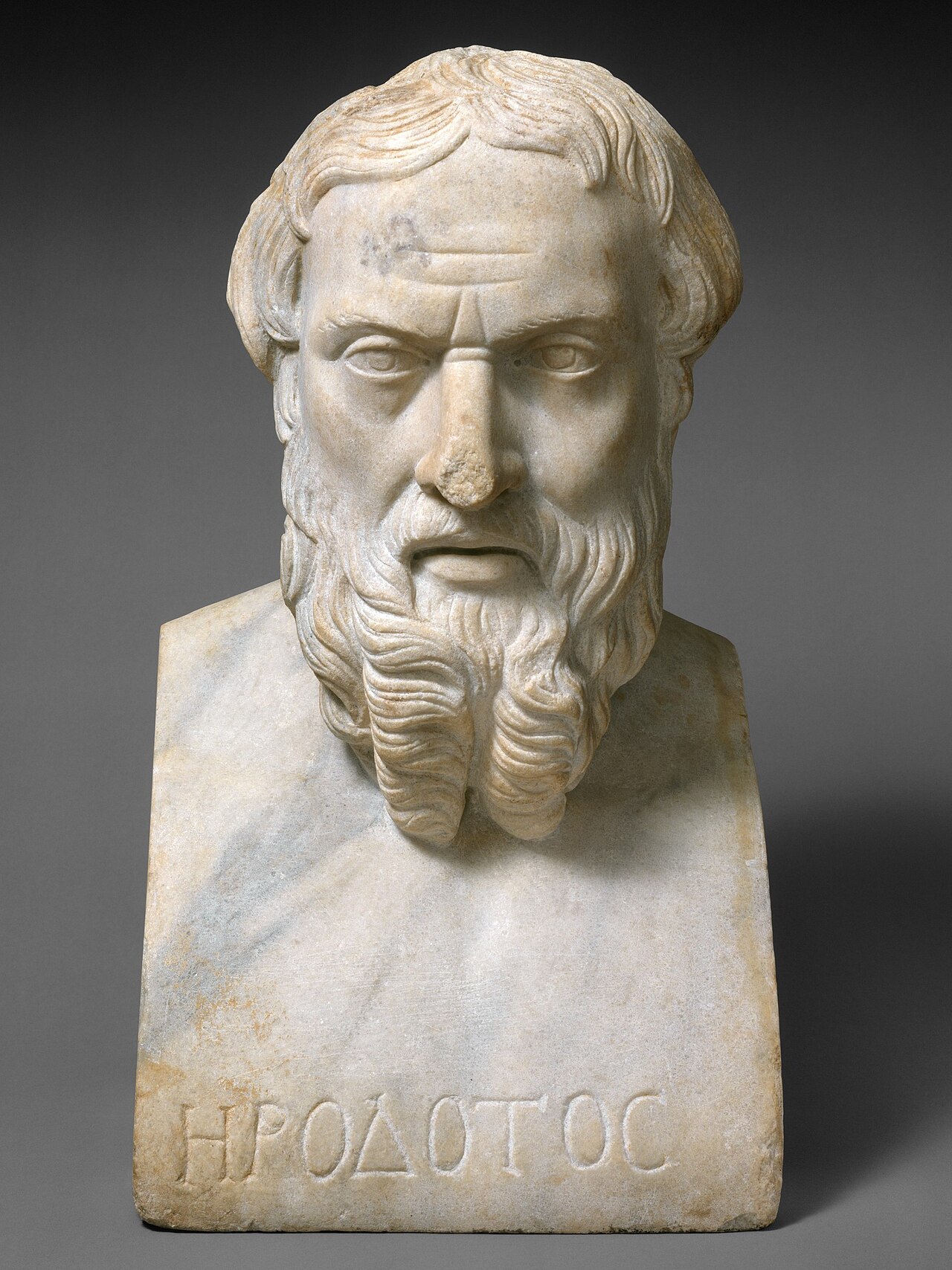
Portrait Bust of Herodotus
Unknown Roman sculptor
 Sculpture
Secondary source
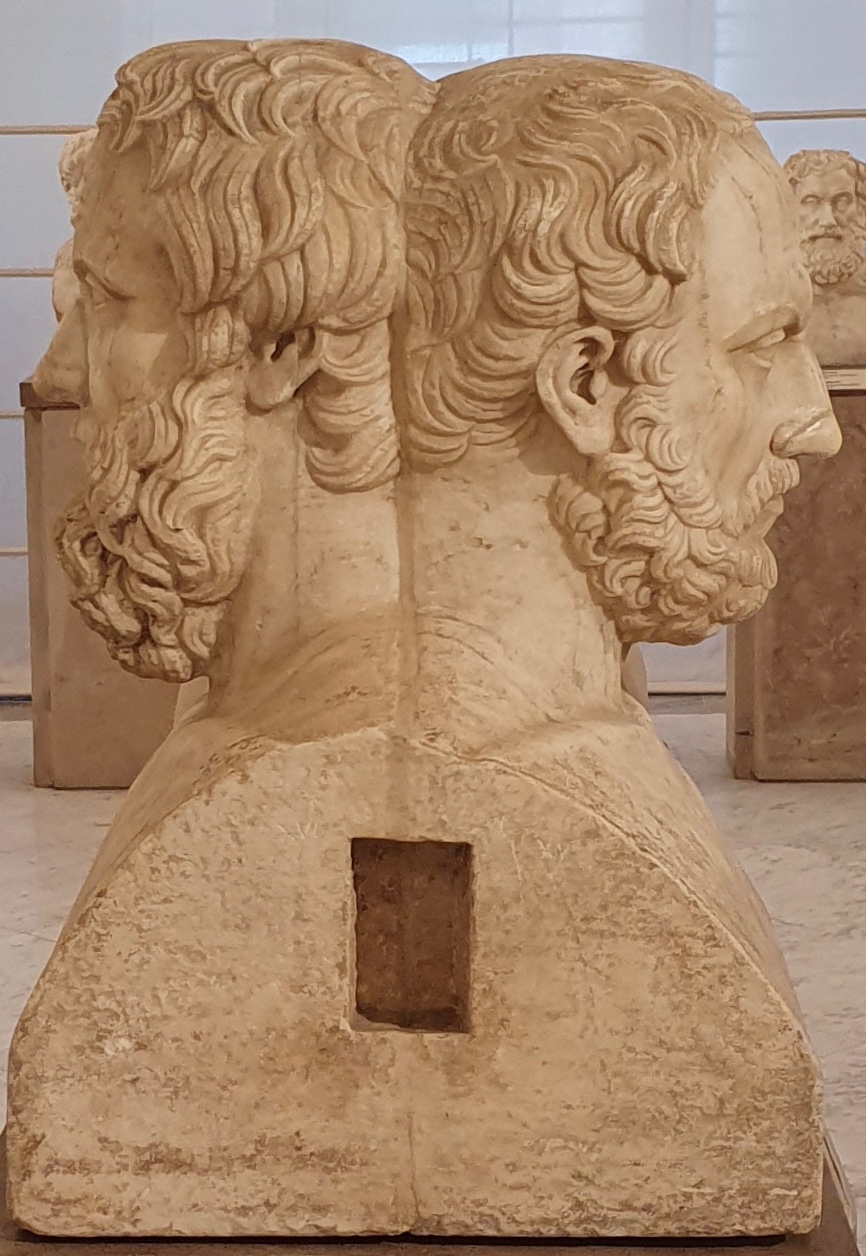
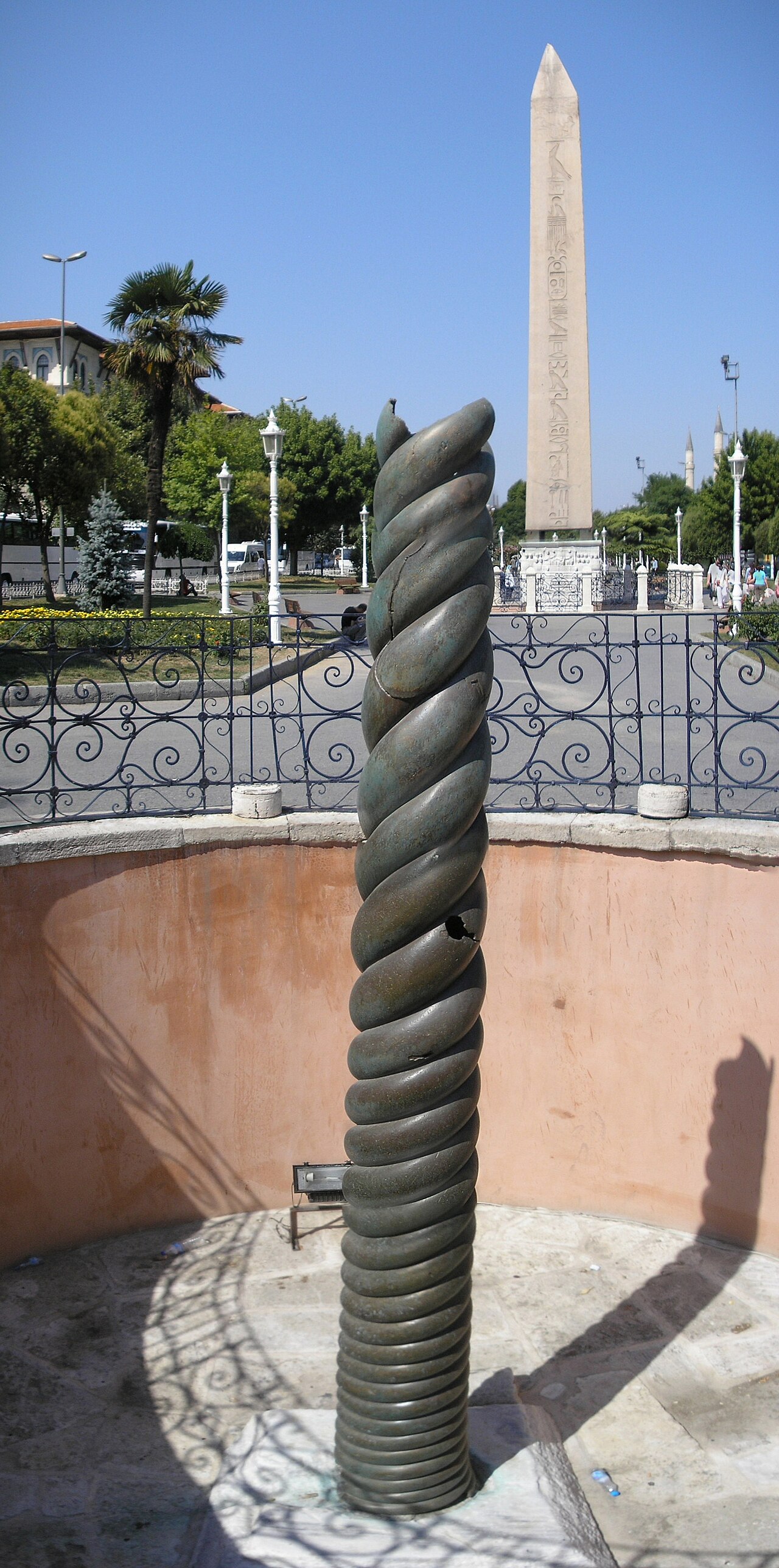
Double Herm of Herodotus and Thucydides
Unknown Roman sculptor after Greek originals · 2nd century AD
 Document
Primary source
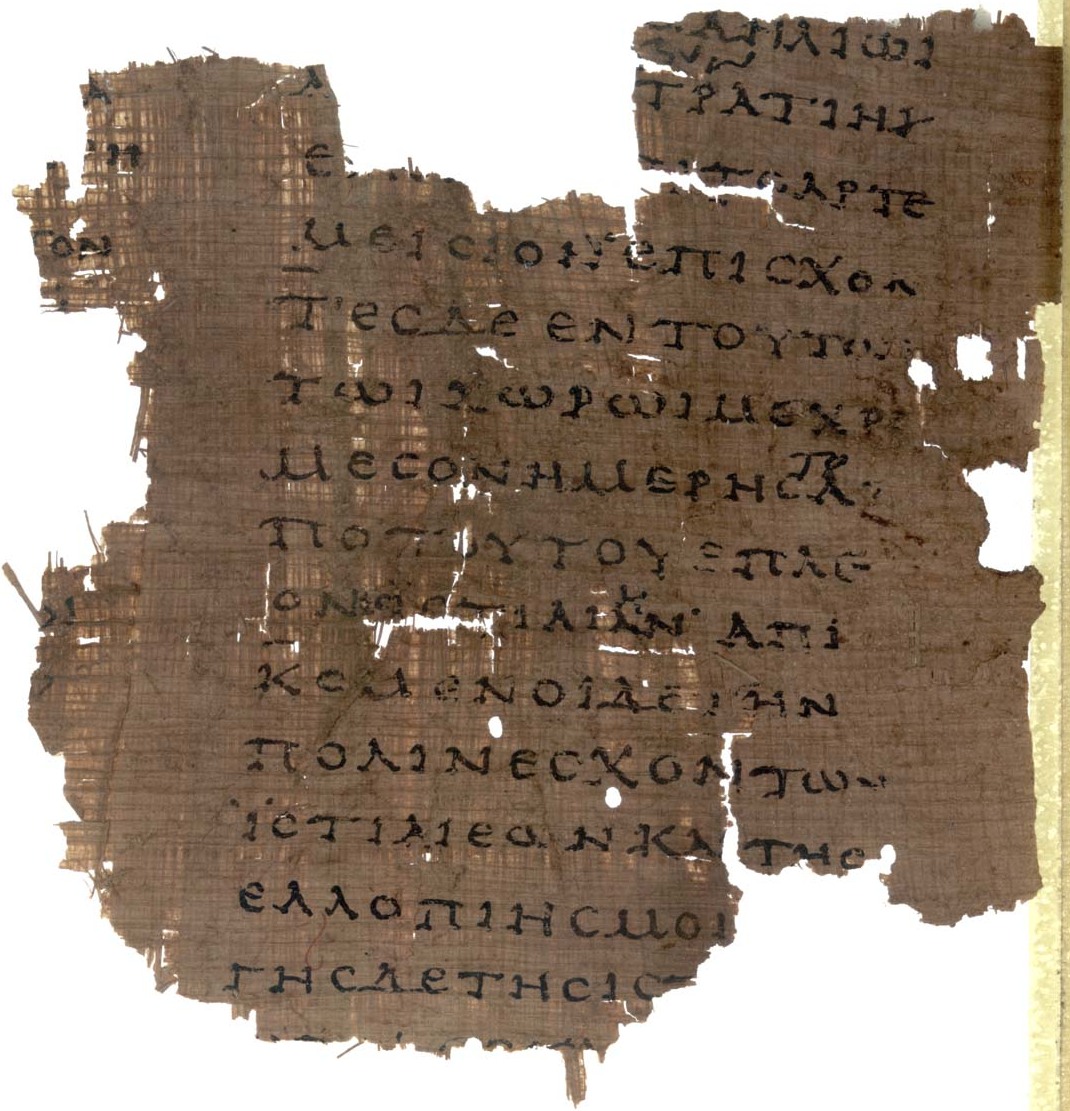
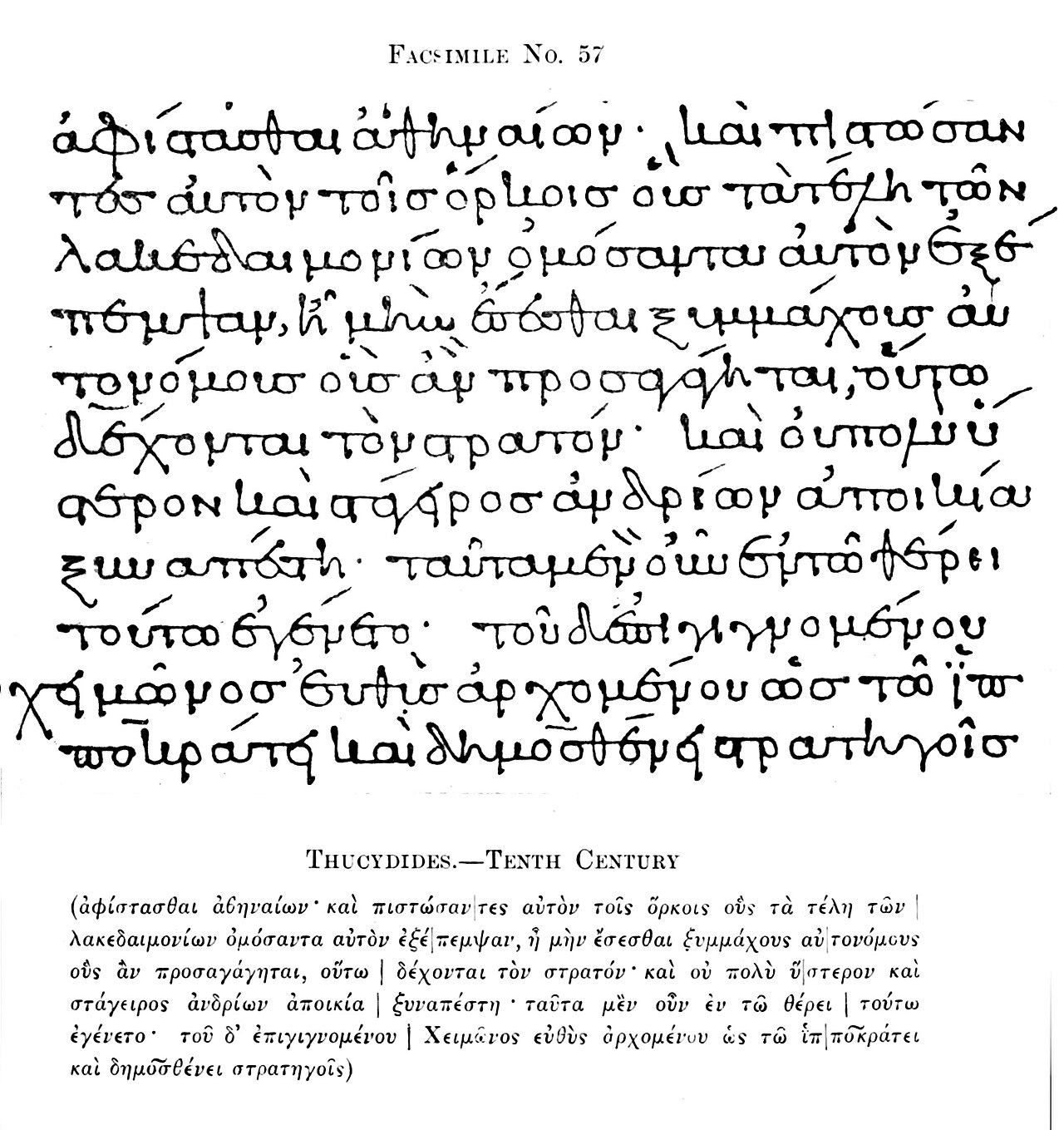
Papyrus Oxyrhynchus 2099
Unknown scribe · early 2nd century AD
Free account
Read every Herodotus source
Sign up free →
Ready when you are
Start chatting with Herodotus now.
20 messages free · No credit card · Available in 50+ languages.