


Primary sourcePainting1815
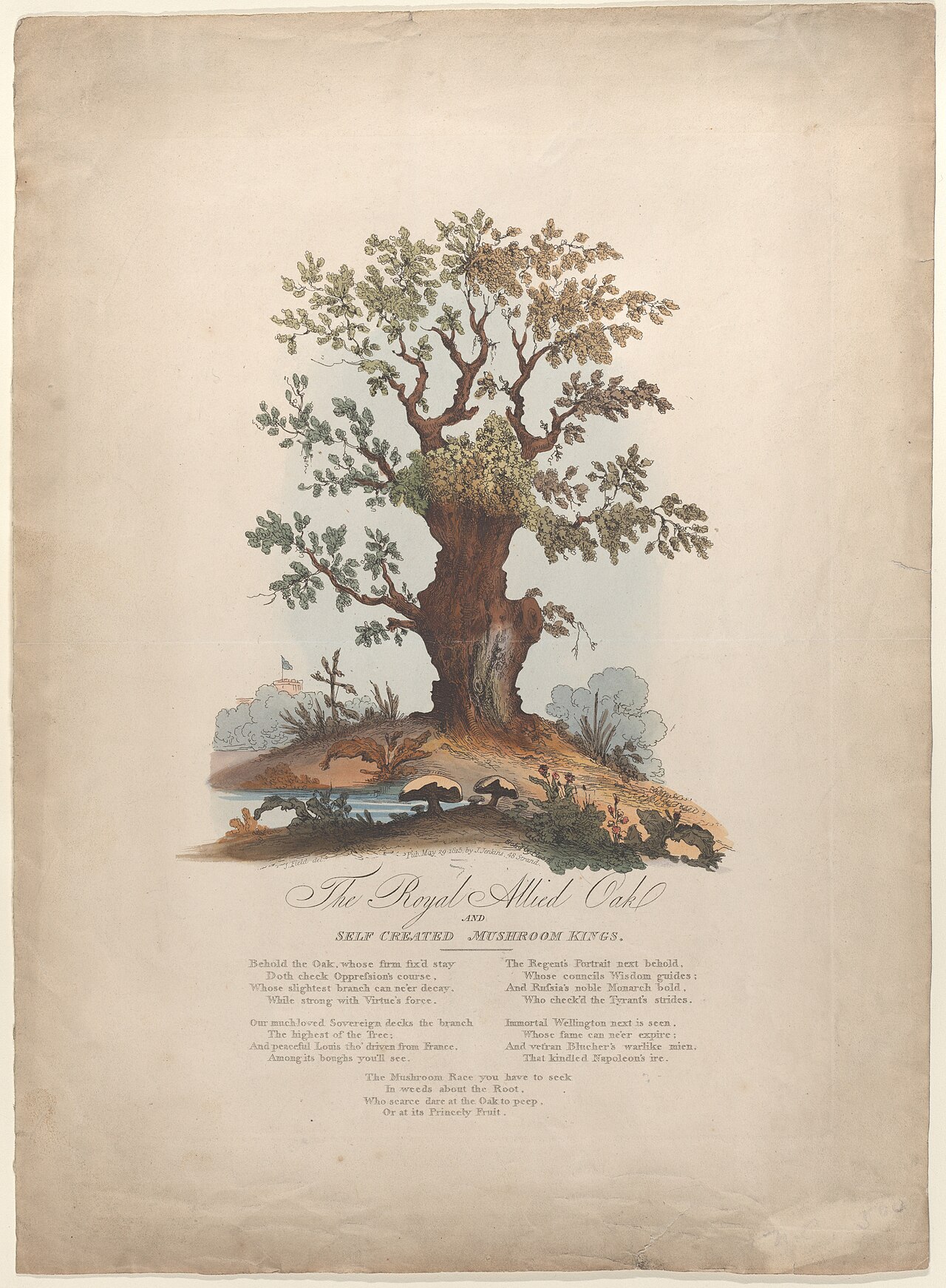
The Royal Allied Oak and Self-Created Mushroom Kings
William Heath · 1815
An 1815 satirical print by William Heath placing Wellington among the allied rulers who defeated Napoleon's new dynasty.
A satirical print of 1815 showing Wellington among the allied victors over Napoleon's regime.
About this source
What it is
This is a hand-colored satirical print made in 1815 by William Heath (who worked under the pen name 'Paul Pry'), now held by the Metropolitan Museum of Art. It shows a large oak tree with a face in its trunk, representing the allied monarchs as branches, with mushrooms growing at its base representing rulers created by Napoleon. A verse caption runs beneath the image.
Why it matters
Political cartoons like this one were a popular way for the British public to comment on major events, here the fall of Napoleon's empire in 1815. Wellington's inclusion among the 'oak' branches shows how he was publicly associated with the allied victory over Napoleon.
Look closer
- Why might the artist choose a tree, rather than human figures, to represent the allied rulers?
- What is the difference being drawn between the 'oak' and the 'mushrooms'?
- What tone does the verse caption suggest — celebration, mockery, or both?
This painting is part of the curated material that grounds the AI version of Duke of Wellington (Arthur Wellesley) and Louis XVIII on Humy.ai — when students ask about related events, the AI can quote it and cite it.
More Duke of Wellington (Arthur Wellesley) sources
Browse all 94 →Primary source
Duke of Wellington's Dispatch, to Earl Bathurst
Arthur Wellesley, 1st Duke of Wellington · 19 June 1815
 Document
Primary source
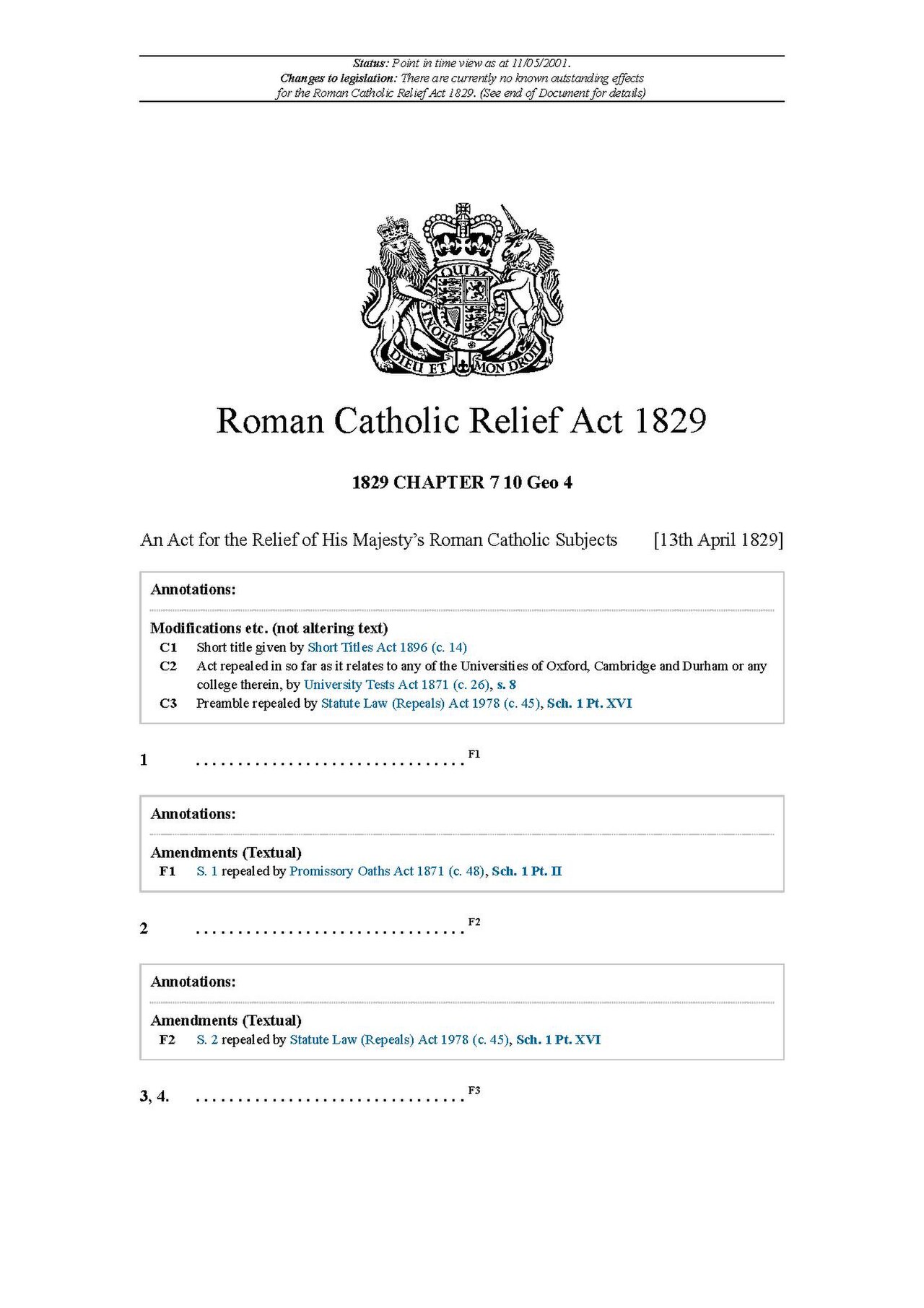
Roman Catholic Relief Act 1829
1829
 Photograph
Primary source
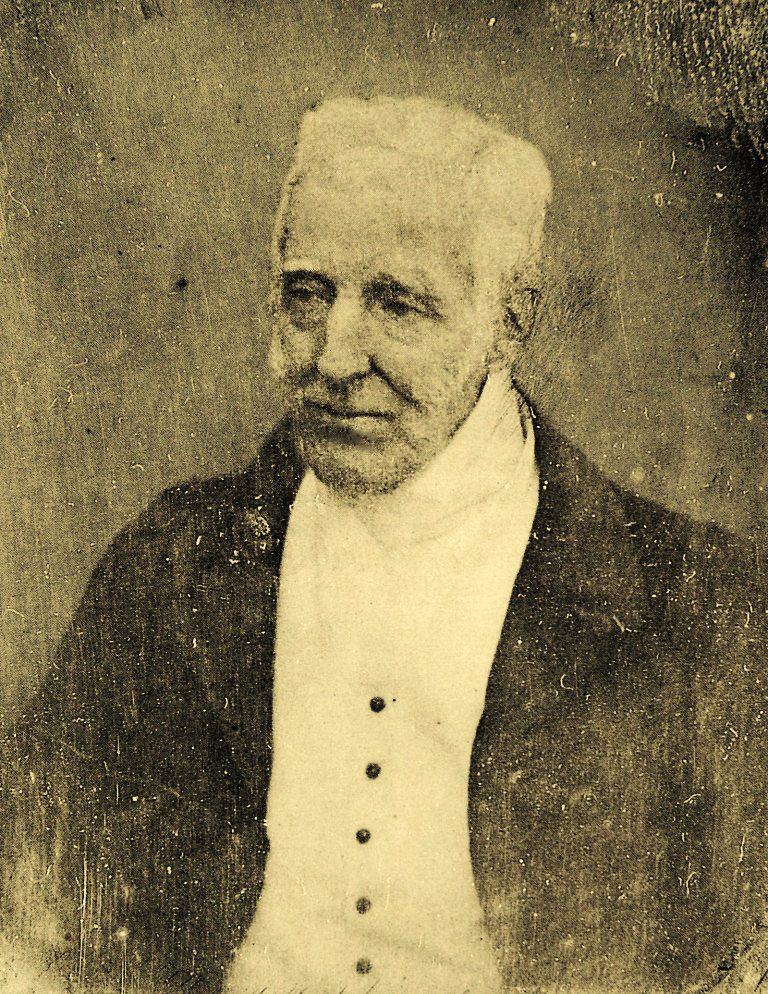
Duke of Wellington Photo cleaned
Antoine Claudet · 1844
 Book
Primary source
The Dispatches of Field Marshal the Duke of Wellington
Arthur Wellesley, 1st Duke of Wellington · 1834-1839
Free account
Read every Duke of Wellington (Arthur Wellesley) source
Sign up free →
Ready when you are
Start chatting with Duke of Wellington (Arthur Wellesley) now.
20 messages free · No credit card · Available in 50+ languages.