


Secondary sourceBook
The Rubaiyat of Omar Khayyam, LibriVox audio reading
Omar Khayyam
A modern volunteer audio reading of Edward FitzGerald's famous English translation of Khayyám's quatrains.
A modern reading of FitzGerald's translation of Khayyám's poetry, not the figure's own voice.
About this source
What it is
This is a public-domain audio recording from LibriVox of The Rubáiyát of Omar Khayyám, Edward FitzGerald's English translation of Khayyám's Persian quatrains. The reading was made by a volunteer narrator and is not the voice of Khayyám or FitzGerald.
Why it matters
FitzGerald's translation, first published in the nineteenth century, made Khayyám famous across the English-speaking world, even though it reworked the original Persian poems considerably. This recording lets listeners experience the translation as a spoken text, centuries after Khayyám composed the original verses.
Look closer
- How might listening to the poem change your experience of it compared to reading it silently?
- Why is it important to remember this is FitzGerald's translation and a modern reading, not Khayyám's own words or voice?
- What has survived unchanged from Khayyám's original quatrains, and what has likely been transformed through translation?
This book is part of the curated material that grounds the AI version of Omar Khayyam on Humy.ai — when students ask about related events, the AI can quote it and cite it.
More Omar Khayyam sources
Meet the AI Omar Khayyam →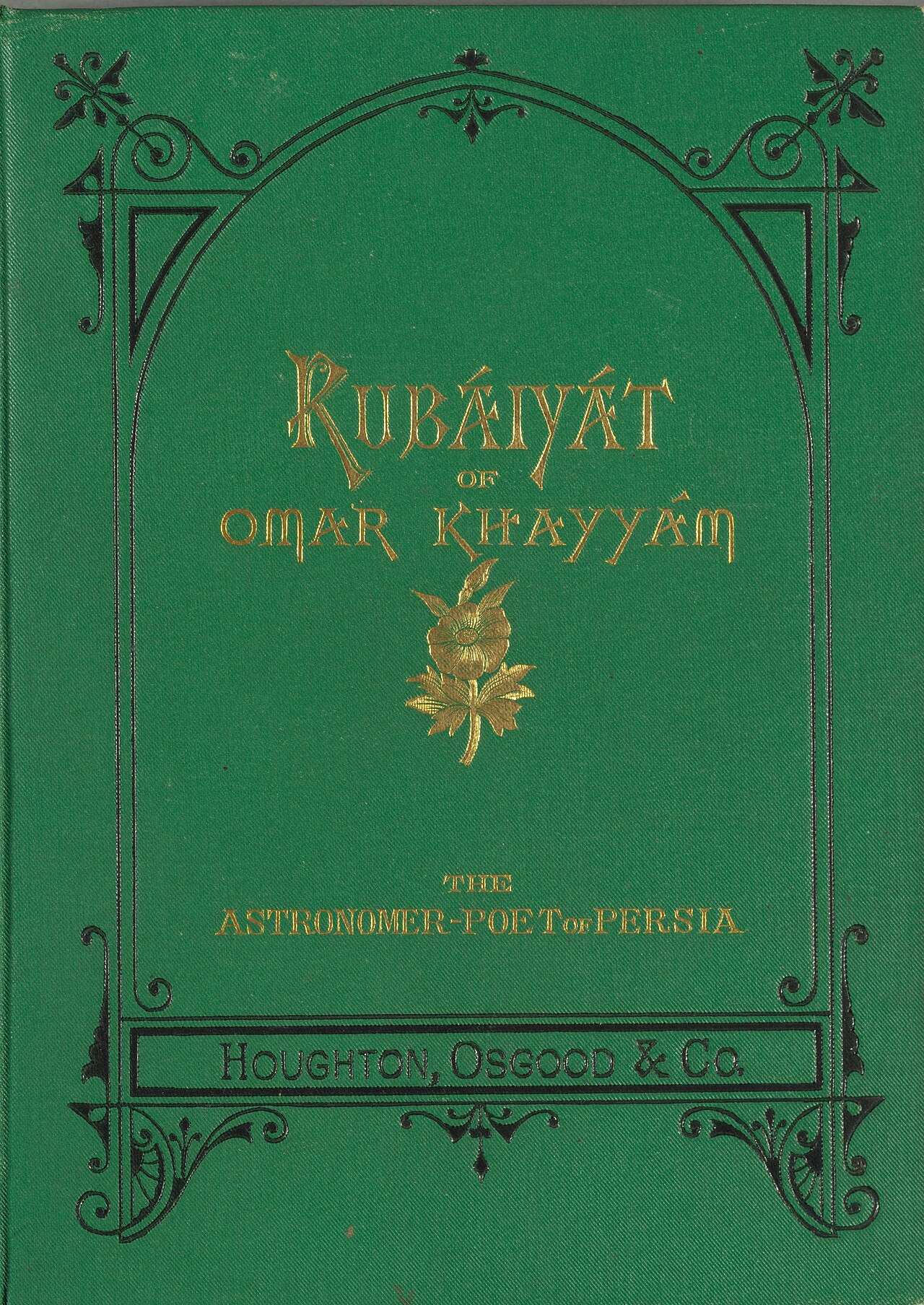 Book
Secondary source
Rubáiyát of Omar Khayyám
Edward FitzGerald · 1878
 Document
Primary source
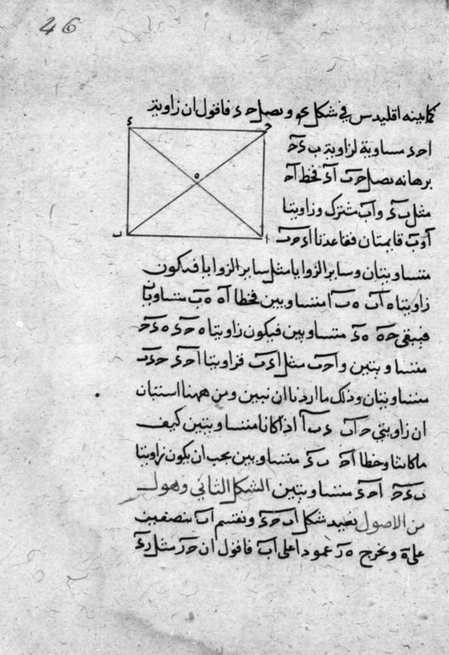
Khayyam Geometry Manuscript
Omar Khayyám
Secondary source
The Rubaiyat of Omar Khayyam (First Edition)
Edward FitzGerald · 1859
 Book
Secondary source
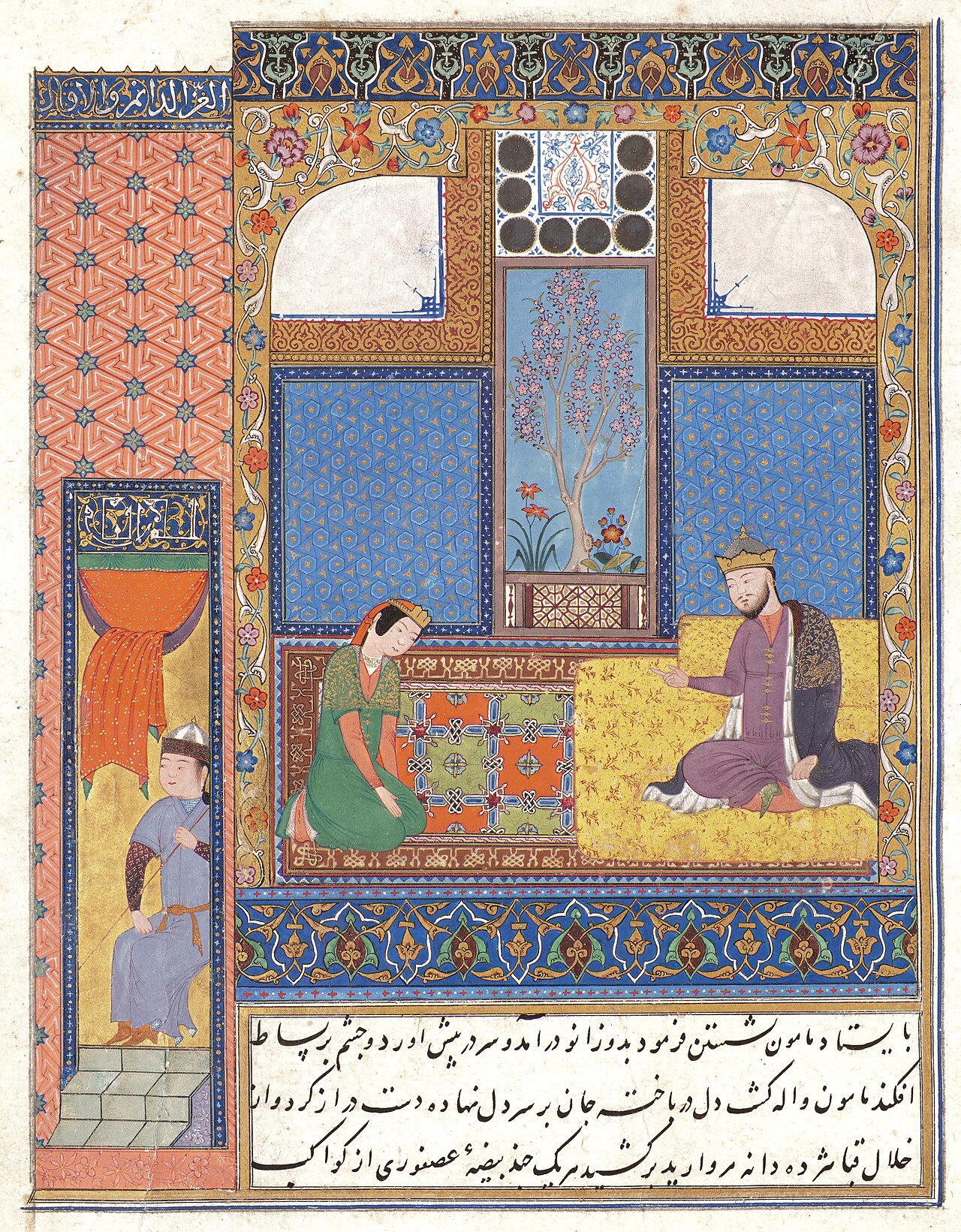
Chahar Maqala
Nizami Aruzi · 1155–1157
 Artifact
Secondary source
Jameh Mosque of Isfahan
841 (rebuilt 1086-1089 under Khayyám's patrons)
Ready when you are
Start chatting with Omar Khayyam now.
20 messages free · No credit card · Available in 50+ languages.