


Primary sourceBook1880
The Sidereal Messenger
Galileo Galilei · 1880
An 1880 English translation of Galileo's 1610 account of his telescopic discoveries, paired with part of Kepler's preface to his Dioptrics.
This is an English translation of Galileo's own 1610 report of his telescope discoveries.
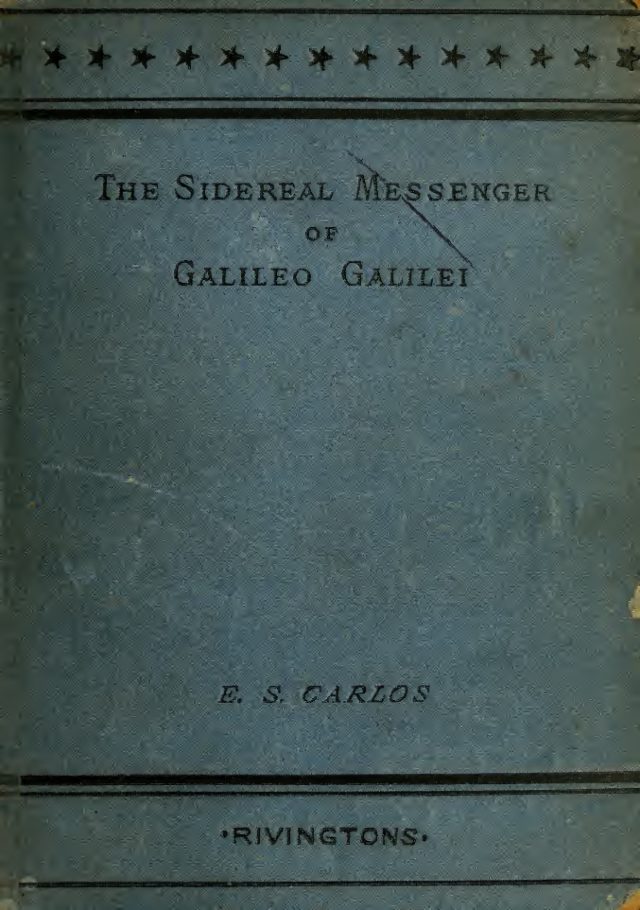 PDF · 144 pages
About this source
What it is
This book is an English translation, published in 1880 by Edward Stafford Carlos, of Galileo Galilei's original account of what he saw through his telescope, along with part of the preface to Johannes Kepler's Dioptrics. The scanned copy includes a photograph of one of Galileo's own broken telescope lenses, exhibited at the South Kensington Museum.
Why it matters
Galileo's original observations - mountains on the Moon, the moons of Jupiter, countless new stars - transformed astronomy and supported the Copernican model. This translation, made over two centuries later, shows how later scientists and scholars, including Kepler, worked to understand and spread Galileo's discoveries to new readers.
Look closer
- This is a translation, not Galileo's own words - what might change or be lost when a text is translated long after it was written?
- Why might a 19th-century publisher have included a photograph of Galileo's broken lens?
- What does it suggest about Galileo's reputation that his book was still being translated and read centuries later?
This book is part of the curated material that grounds the AI version of Galileo Galilei on Humy.ai — when students ask about related events, the AI can quote it and cite it.
More Galileo Galilei sources
Meet the AI Galileo Galilei →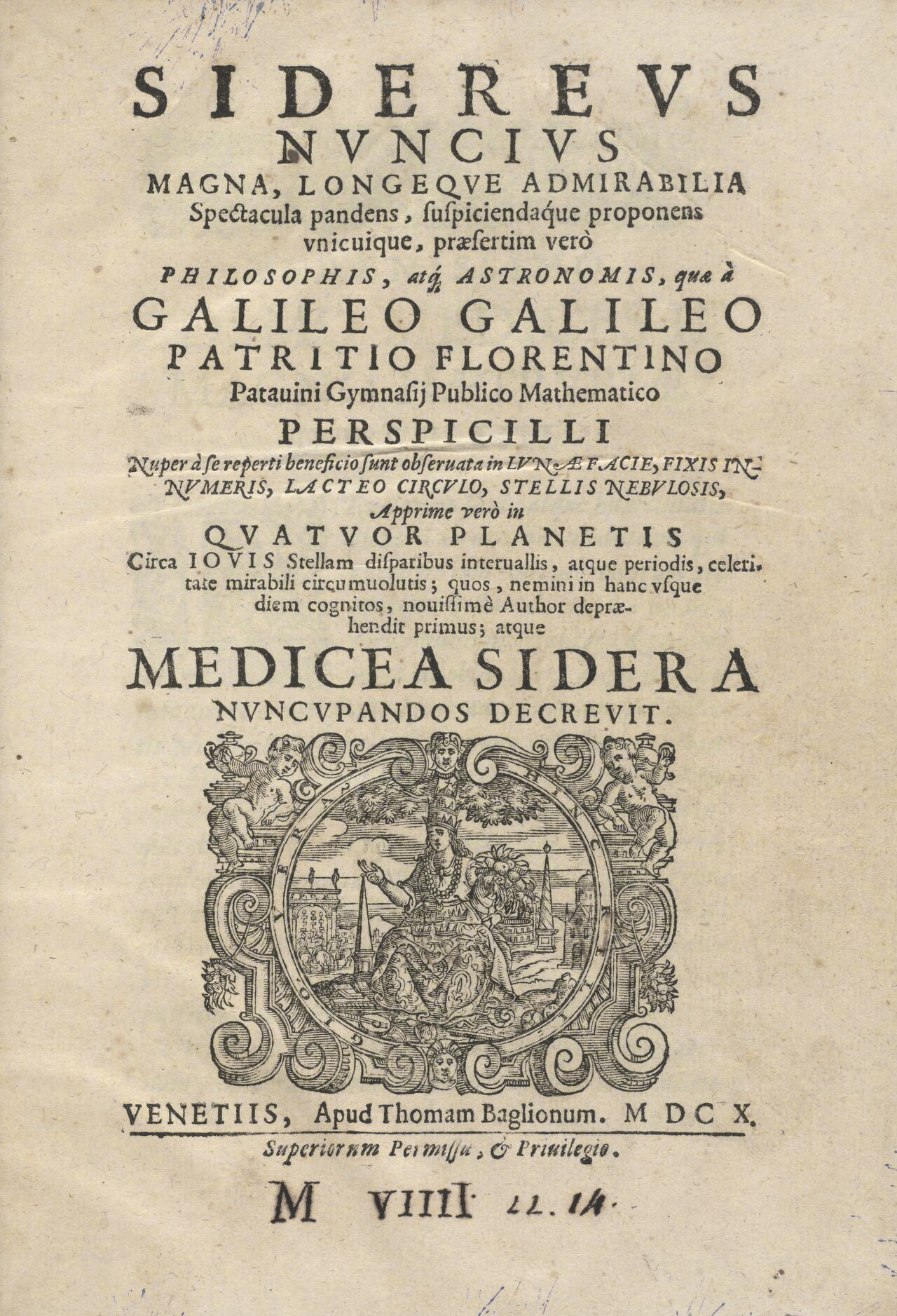 Book
Primary source
Sidereus Nuncius
Galileo Galilei · 1610
 Painting
Primary source
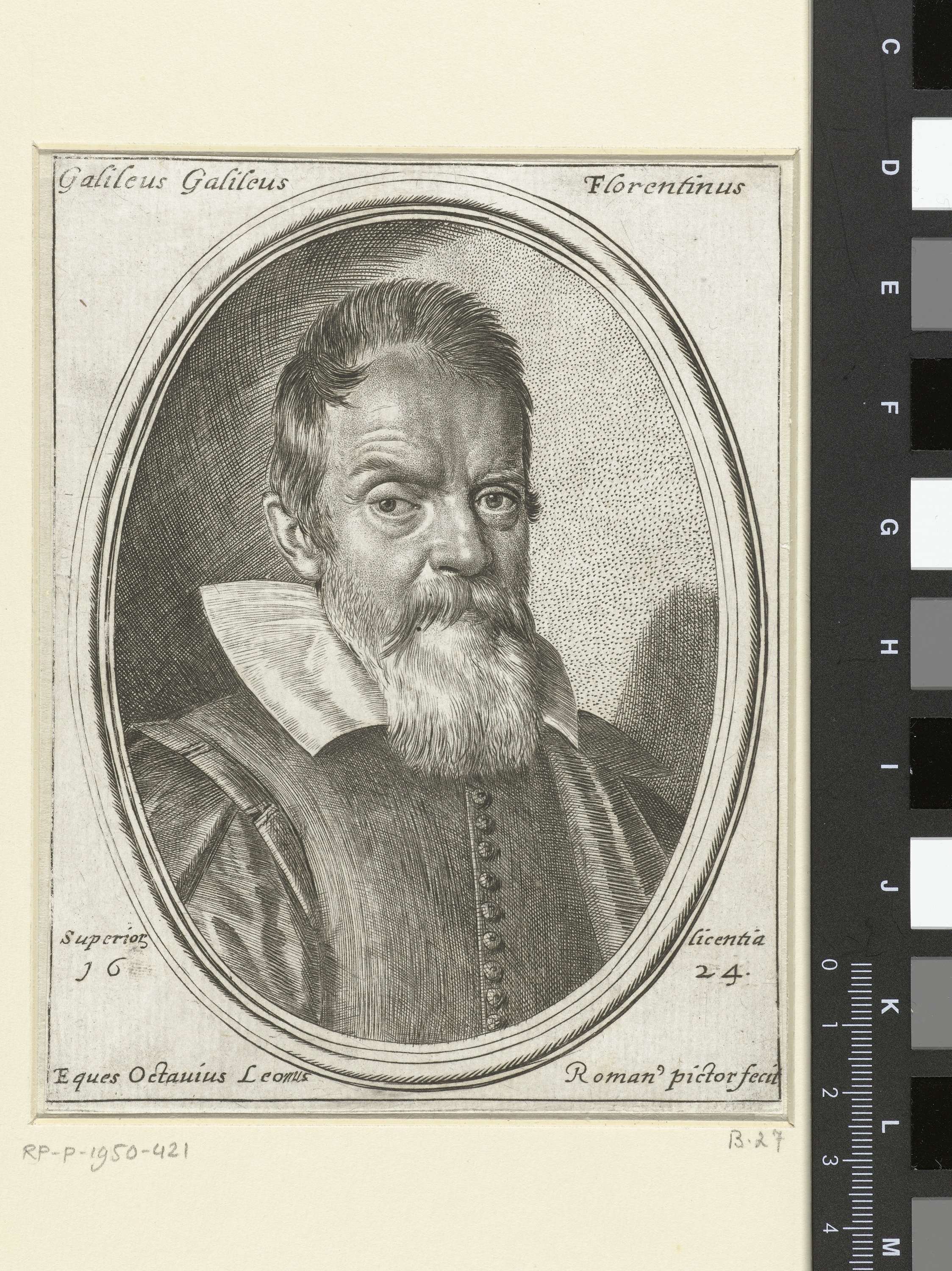
Portrait of Galileo Galilei (1624 print)
1624
 Painting
Primary source
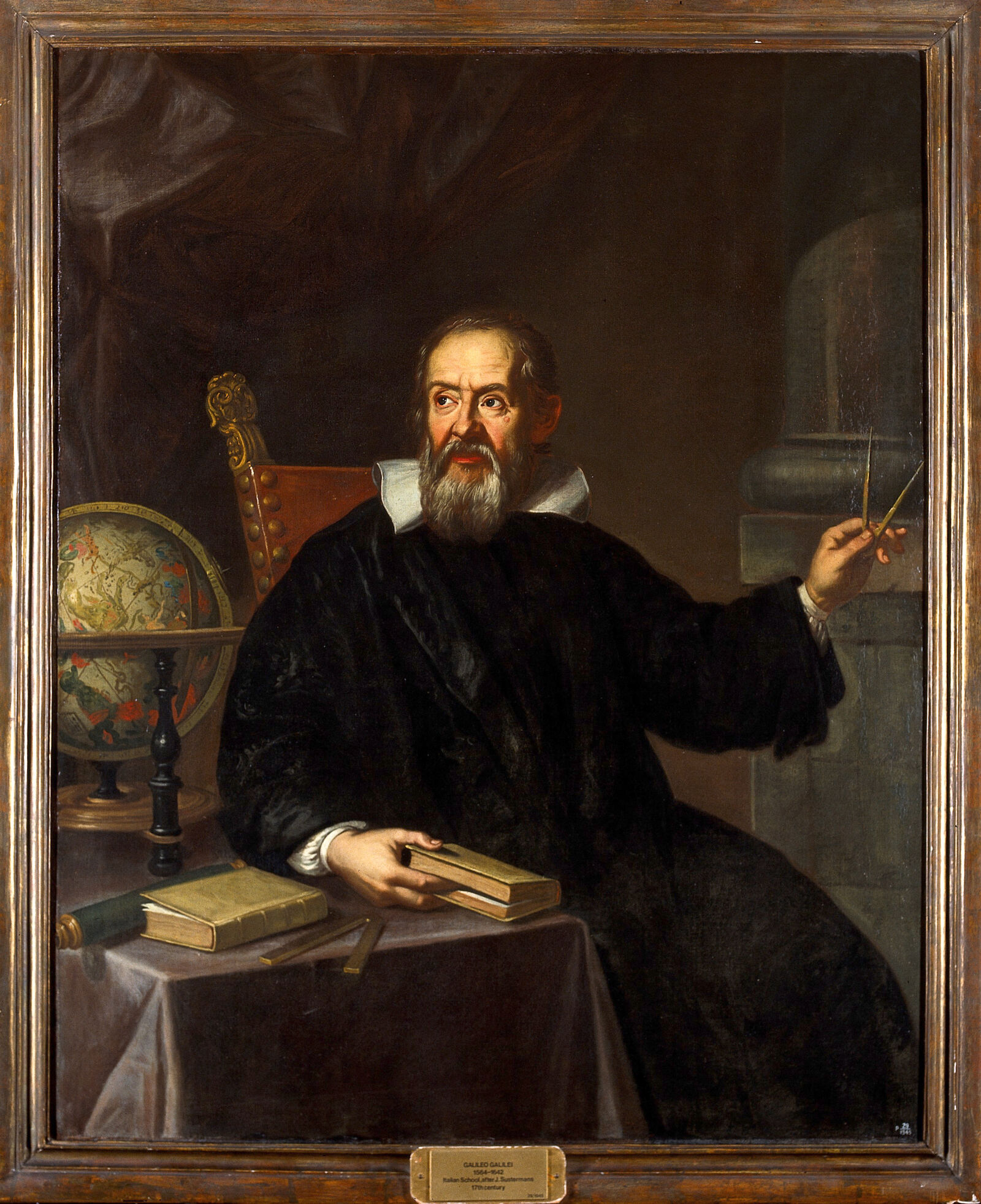
Oil Portrait of Galileo in His Study
Unknown Italian painter · 18th century (?)
 Painting
Primary source
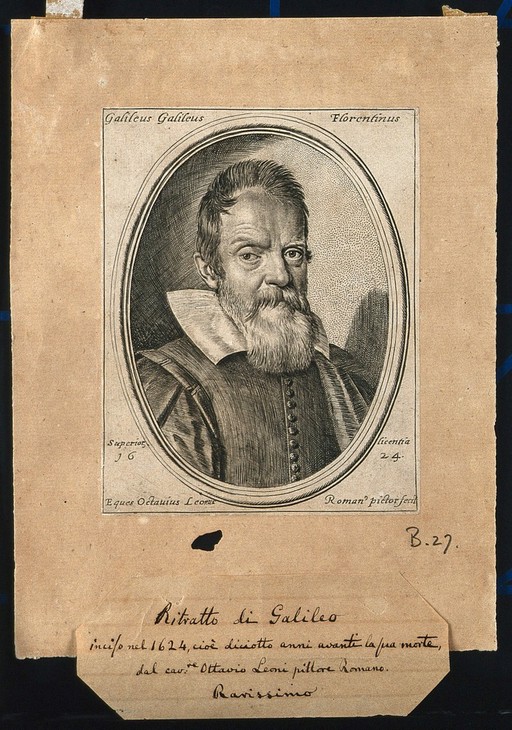
Galileo Galilei, line engraving by Ottavio Leoni
Ottavio Leoni · 1624
 Book
Primary source
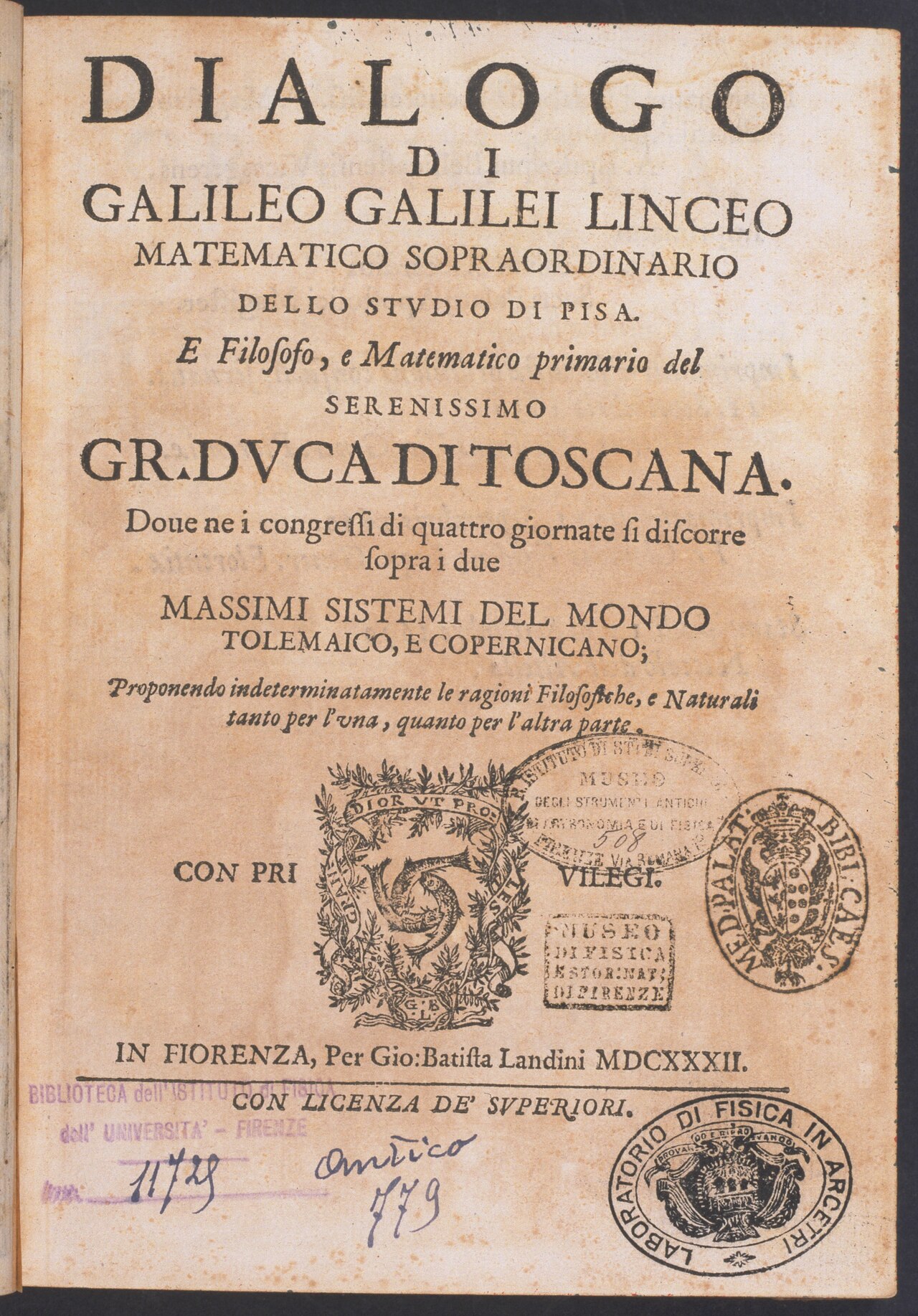
Dialogue Concerning the Two Chief World Systems
Galileo Galilei · 1632
Ready when you are
Start chatting with Galileo Galilei now.
20 messages free · No credit card · Available in 50+ languages.