


Primary sourceBook1866
The Signal-Man
Charles Dickens · 1866
A ghost story by Charles Dickens about a haunted railway signalman, written after Dickens himself survived a serious train crash.
Dickens wrote this ghost story, drawing on the dangers of railways and possibly his own experience of a train crash.
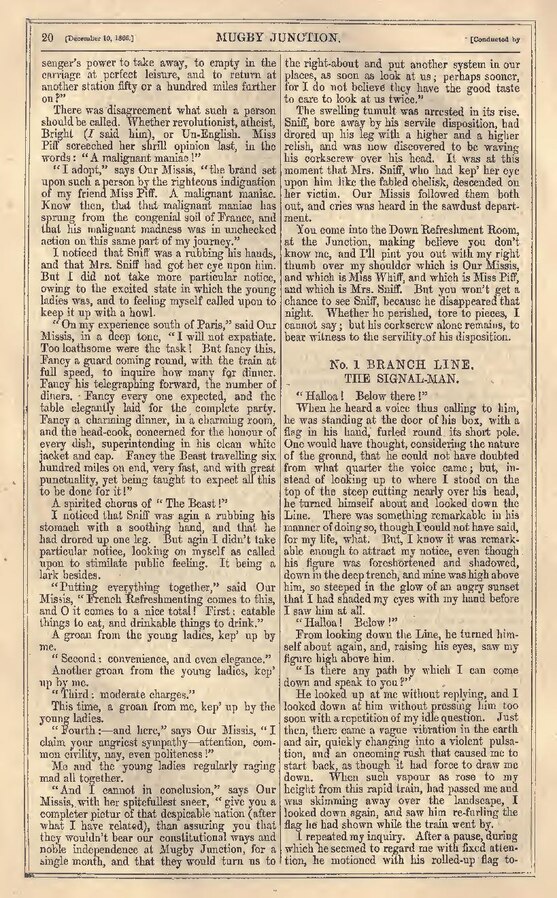
About this source
What it is
'The Signal-Man' is a short horror story by Charles Dickens, first published in 1866 as part of the Christmas edition of his magazine All the Year Round. It is narrated in the first person and tells of a railway signalman haunted by a ghostly figure that appears before each disaster on his line.
Why it matters
The story may draw on a real train disaster that Victorian readers would have recognised, and some believe it reflects Dickens's own experience surviving a serious railway accident shortly before he wrote it. It shows Dickens using short fiction to explore fear, technology, and the dangers of the new railway age, rather than the longer social novels he was best known for.
Look closer
- Why might Dickens have chosen a railway setting for a ghost story?
- What details in the story make the narrator, and the reader, uncertain whether the ghost is real?
- How does the story use repetition of words and gestures to build tension?
This book is part of the curated material that grounds the AI version of Charles Dickens on Humy.ai — when students ask about related events, the AI can quote it and cite it.
More Charles Dickens sources
Meet the AI Charles Dickens →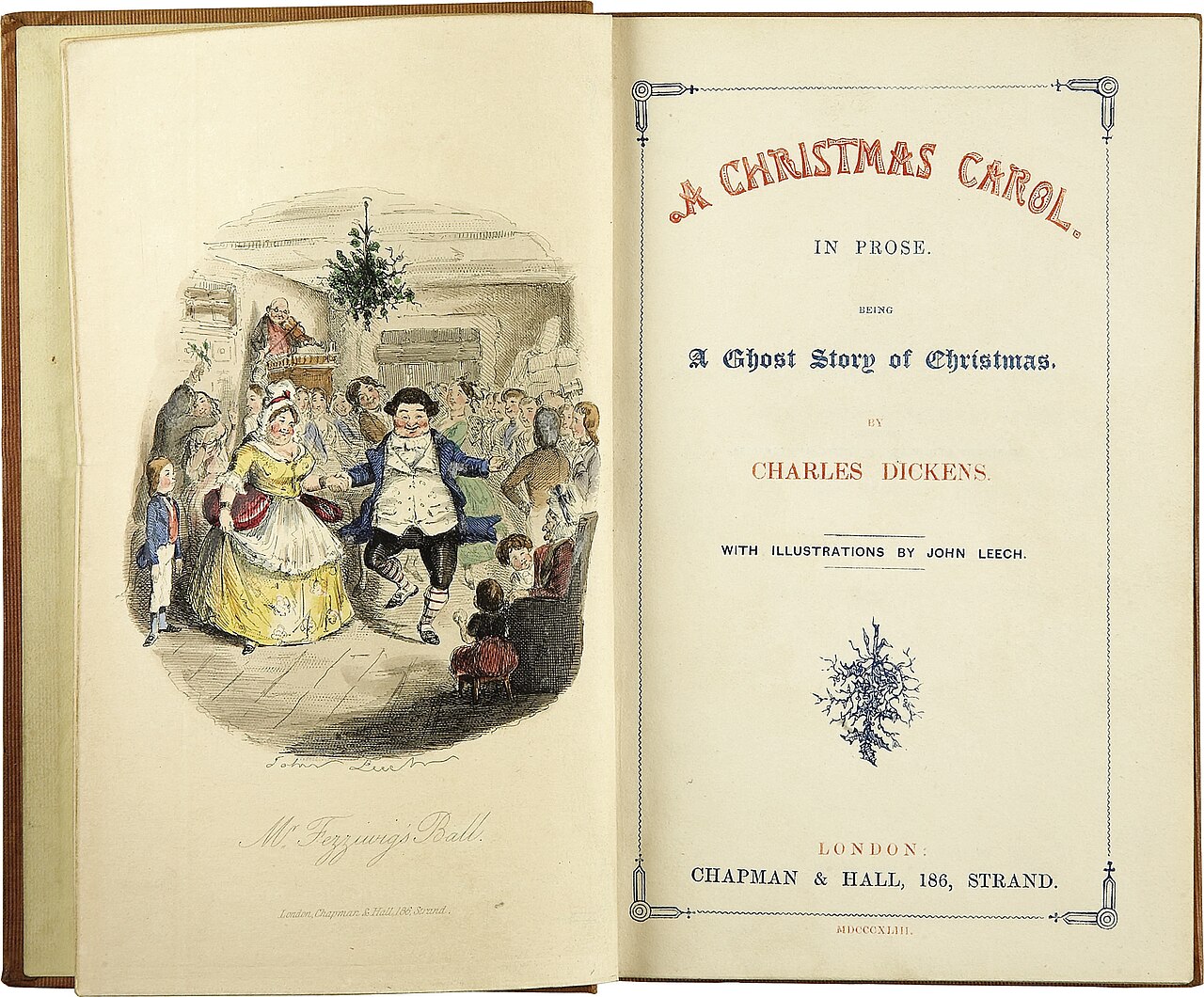 Book
Primary source
A Christmas Carol
Charles Dickens · 1843
 Book
Primary source
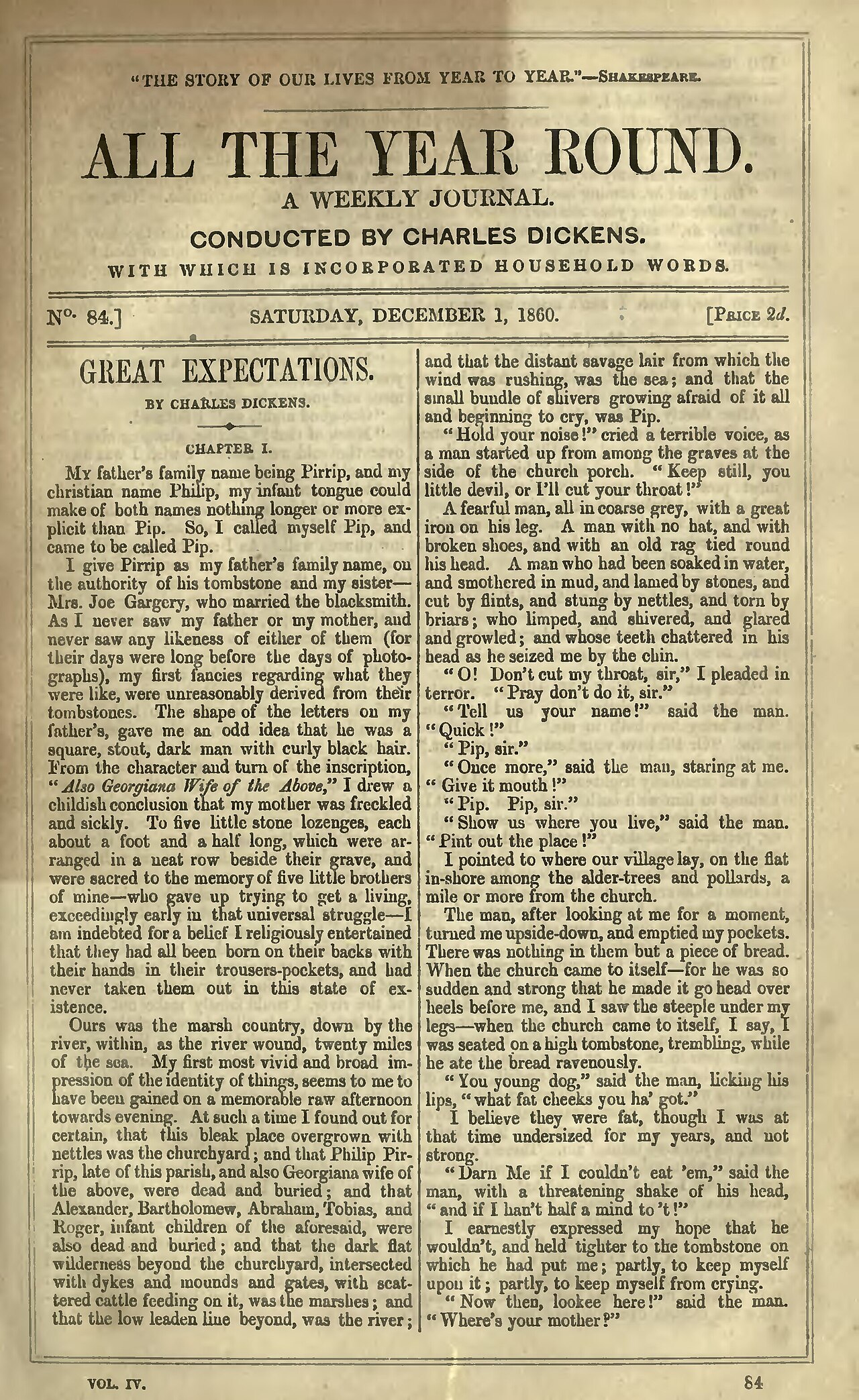
Great Expectations
Charles Dickens · 1860–1861
 Book
Primary source
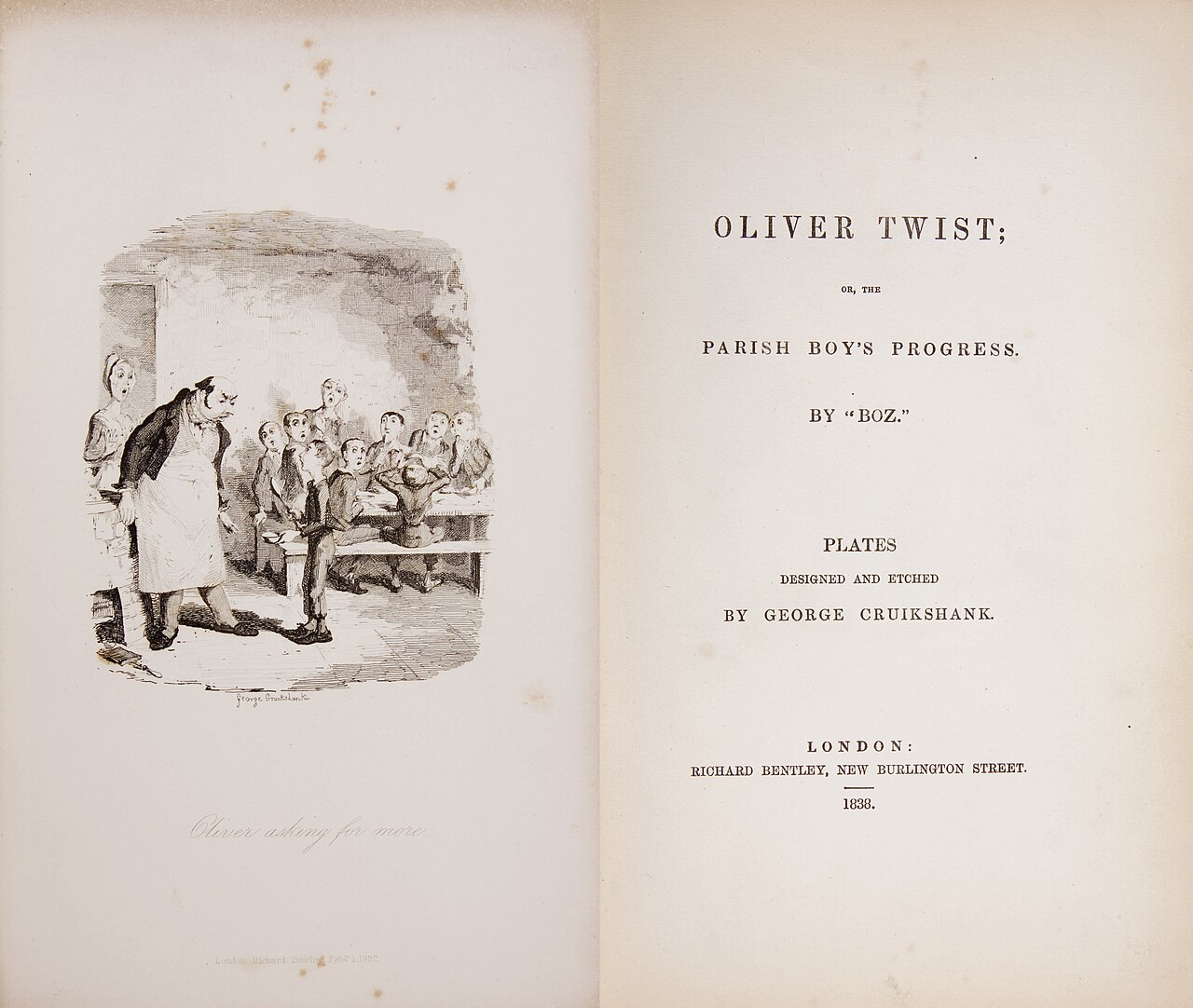
Oliver Twist
Charles Dickens · 1838 (serialised 1837–1839)
 Book
Primary source
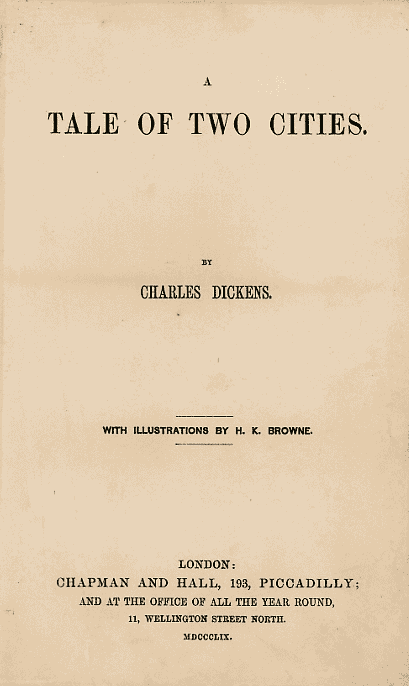
A Tale of Two Cities
Charles Dickens · 1859
 Book
Primary source
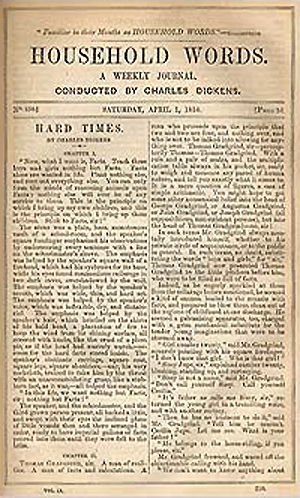
Hard Times: For These Times
Charles Dickens · 1854
Ready when you are
Start chatting with Charles Dickens now.
20 messages free · No credit card · Available in 50+ languages.