


Secondary sourcePhotograph1914
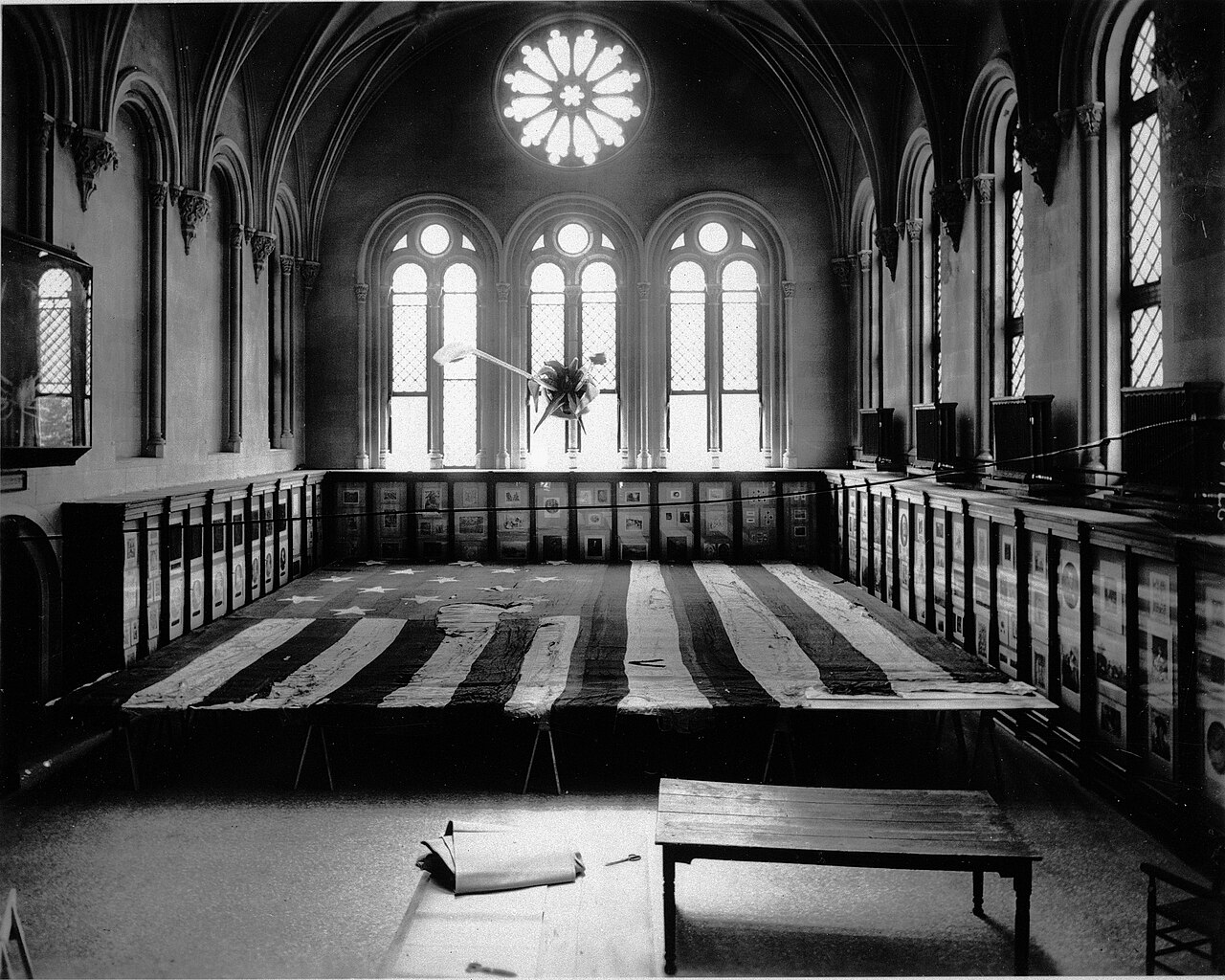
The Star-Spangled Banner Laid Out at the Smithsonian
Unknown · 1914
A 1914 photograph of the actual Fort McHenry flag that inspired Key's poem, spread out at the Smithsonian before restoration work.
Shows the actual flag whose survival during the 1814 bombardment inspired Key to write his famous poem.
About this source
What it is
This black-and-white photograph from 1914 shows the Star-Spangled Banner — the flag that flew over Fort McHenry in 1814 — laid out on tables in the West Wing of the Smithsonian Institution Building. The photo was taken just before the flag underwent restoration, when an Irish linen backing was attached to help preserve it.
Why it matters
This flag is the very object that inspired Francis Scott Key to write the poem that became the Star-Spangled Banner. Although Key himself does not appear in the photo, the image connects directly to the moment that made him famous. It also shows how museums work to preserve historic objects for future generations.
Look closer
- Why do you think the flag needed a special backing to survive?
- What does the care taken in this photograph suggest about how important this object became to the nation?
- What does the room's architecture tell you about how the Smithsonian treated historic objects in 1914?
This photograph is part of the curated material that grounds the AI version of Francis Scott Key on Humy.ai — when students ask about related events, the AI can quote it and cite it.
More Francis Scott Key sources
Meet the AI Francis Scott Key →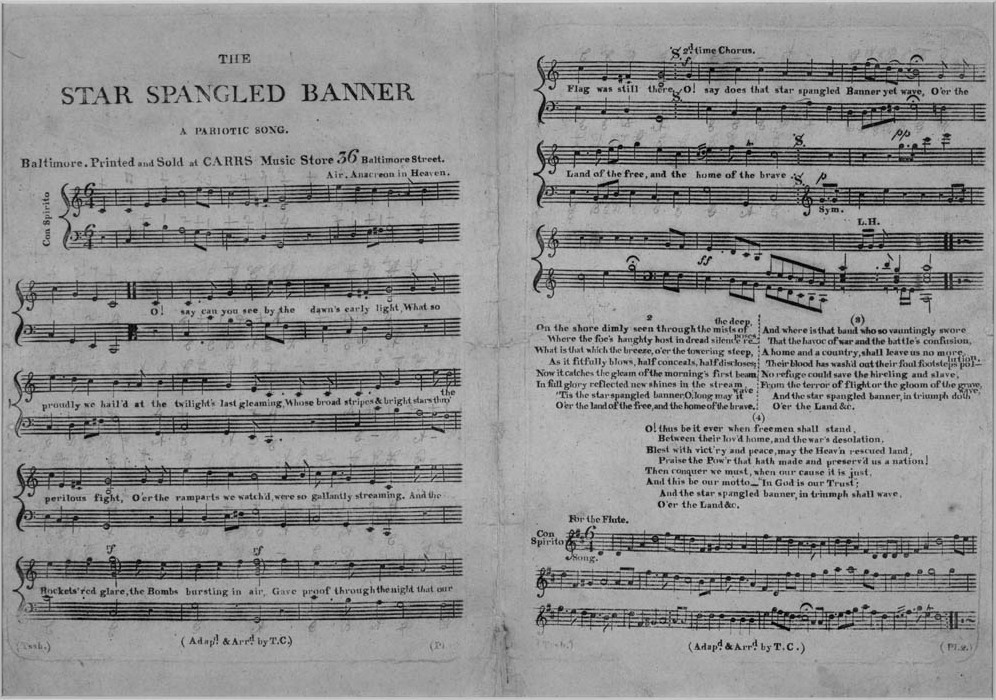 Document
Primary source
The Star-Spangled Banner
Francis Scott Key · 1814
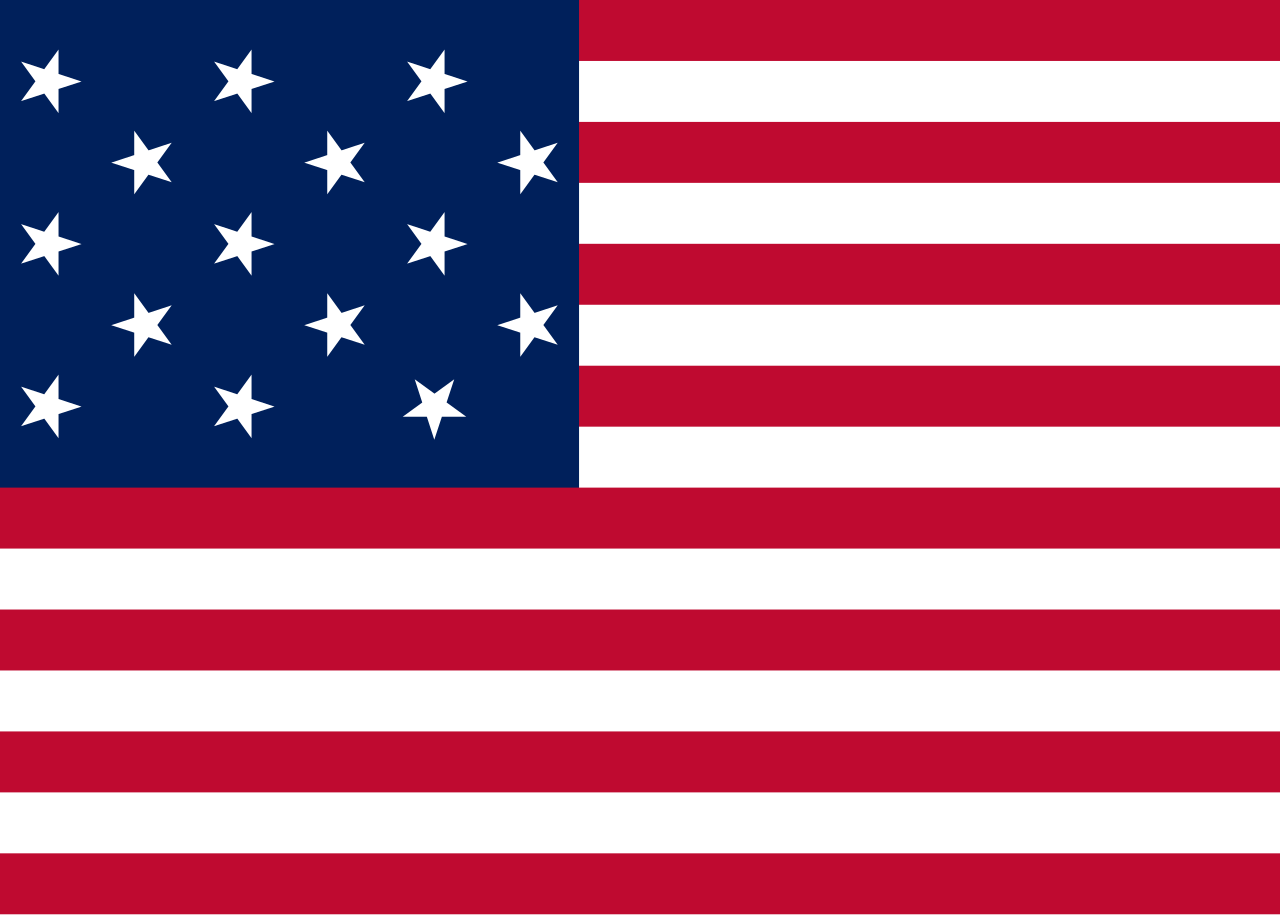 Artifact
Primary source
Star Spangled Banner Flag
Mary Young Pickersgill · 1813
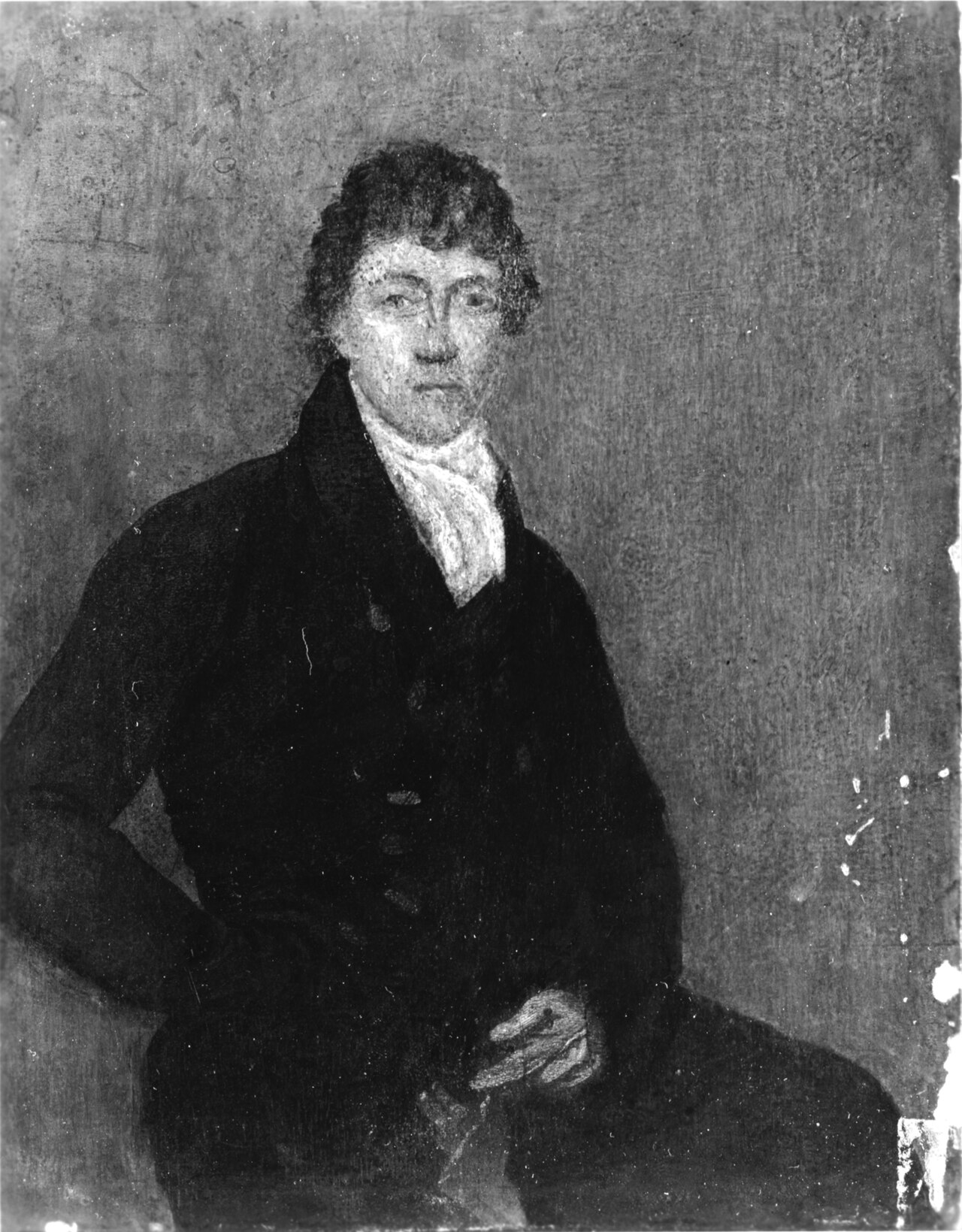 Painting
Primary source
Francis Scott Key
Joseph Wood · 1850
 Document
Primary source
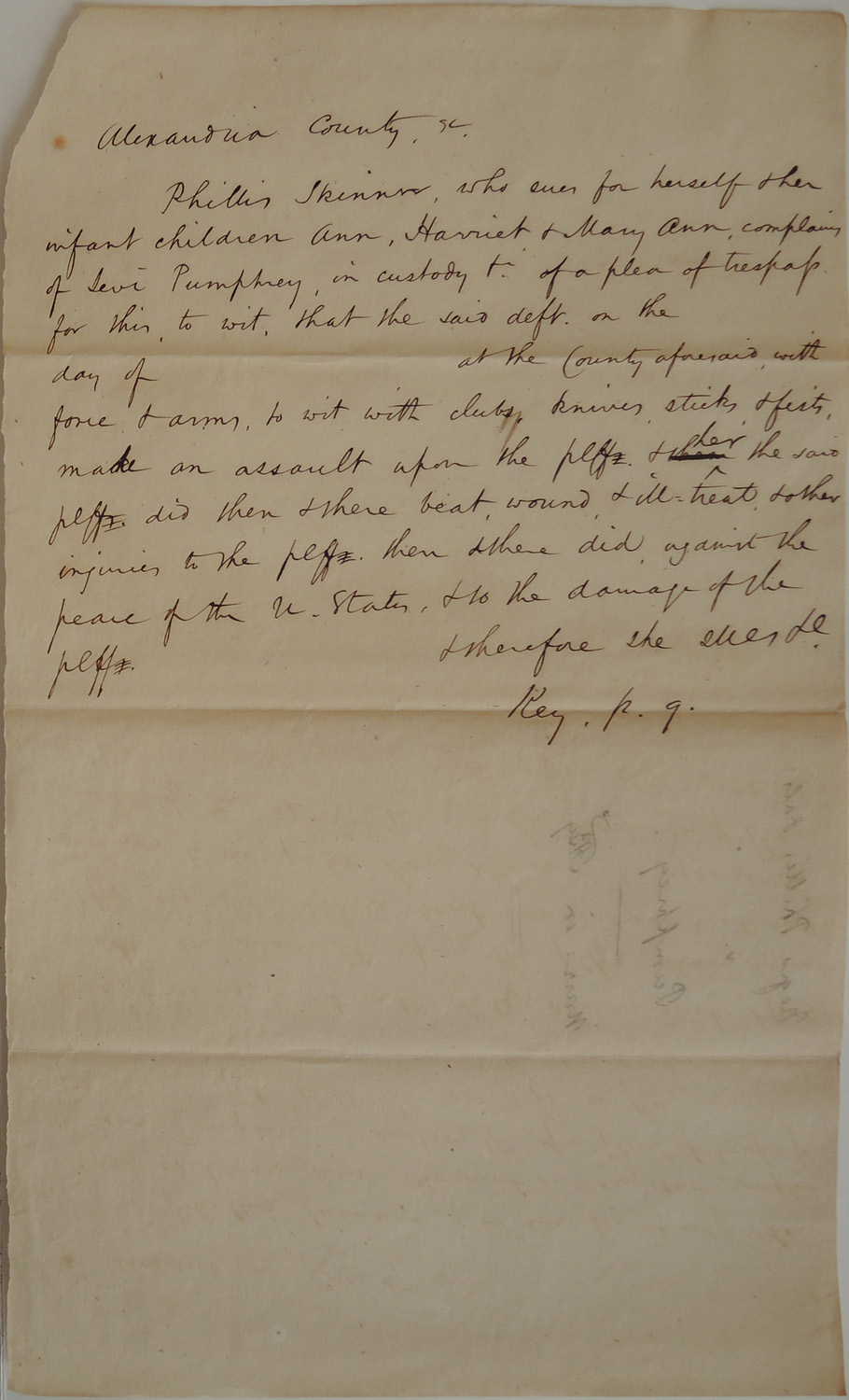
Phillis Shiner Freedom Petition
Francis Scott Key · 1 May 1833
 Document
Primary source
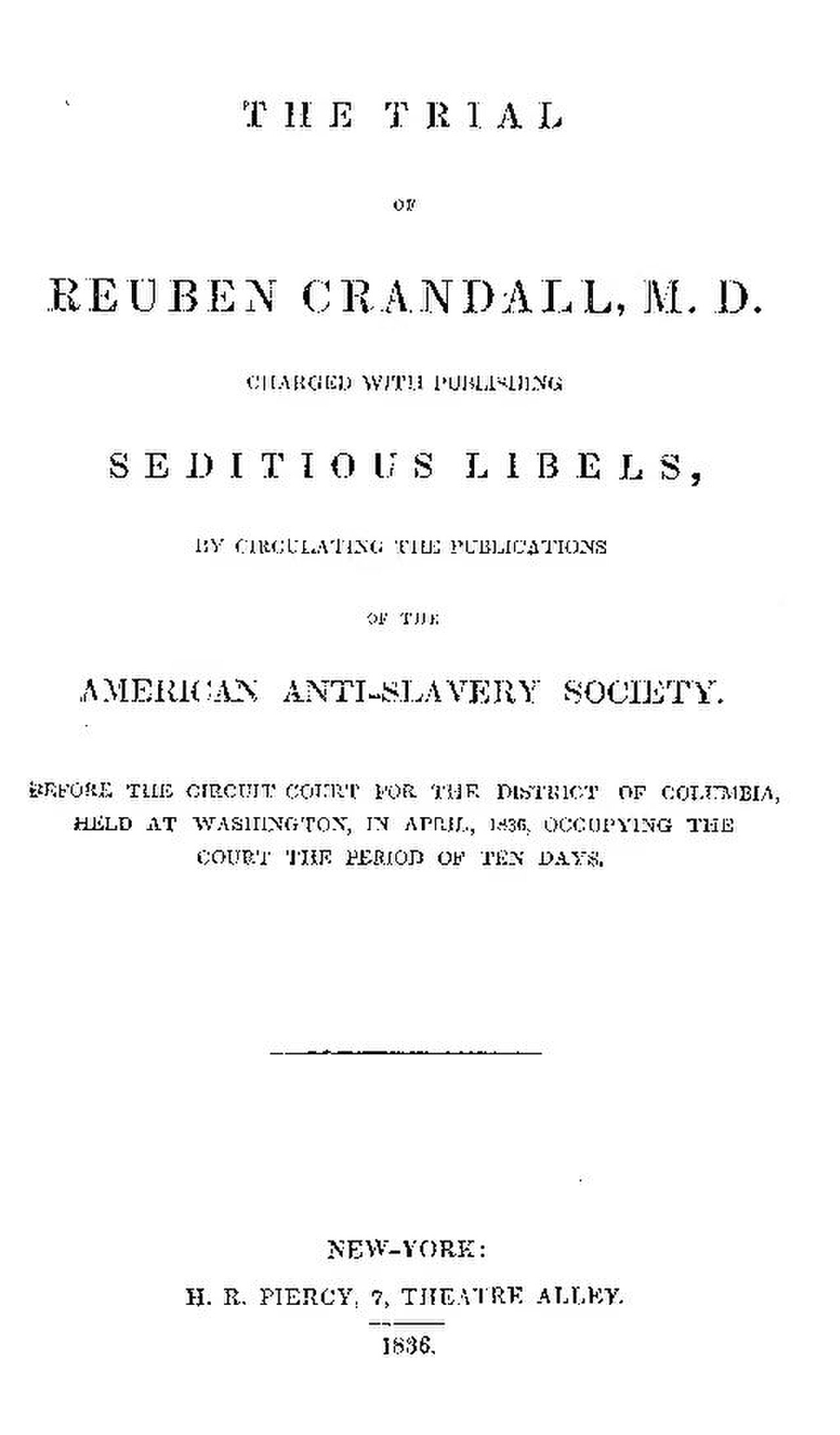
The Trial of Reuben Crandall, M.D., Charged with Publishing Seditious Libels
Court record (published Washington, 1836–37) · 1836-1837
Ready when you are
Start chatting with Francis Scott Key now.
20 messages free · No credit card · Available in 50+ languages.