


Primary sourcePainting1630
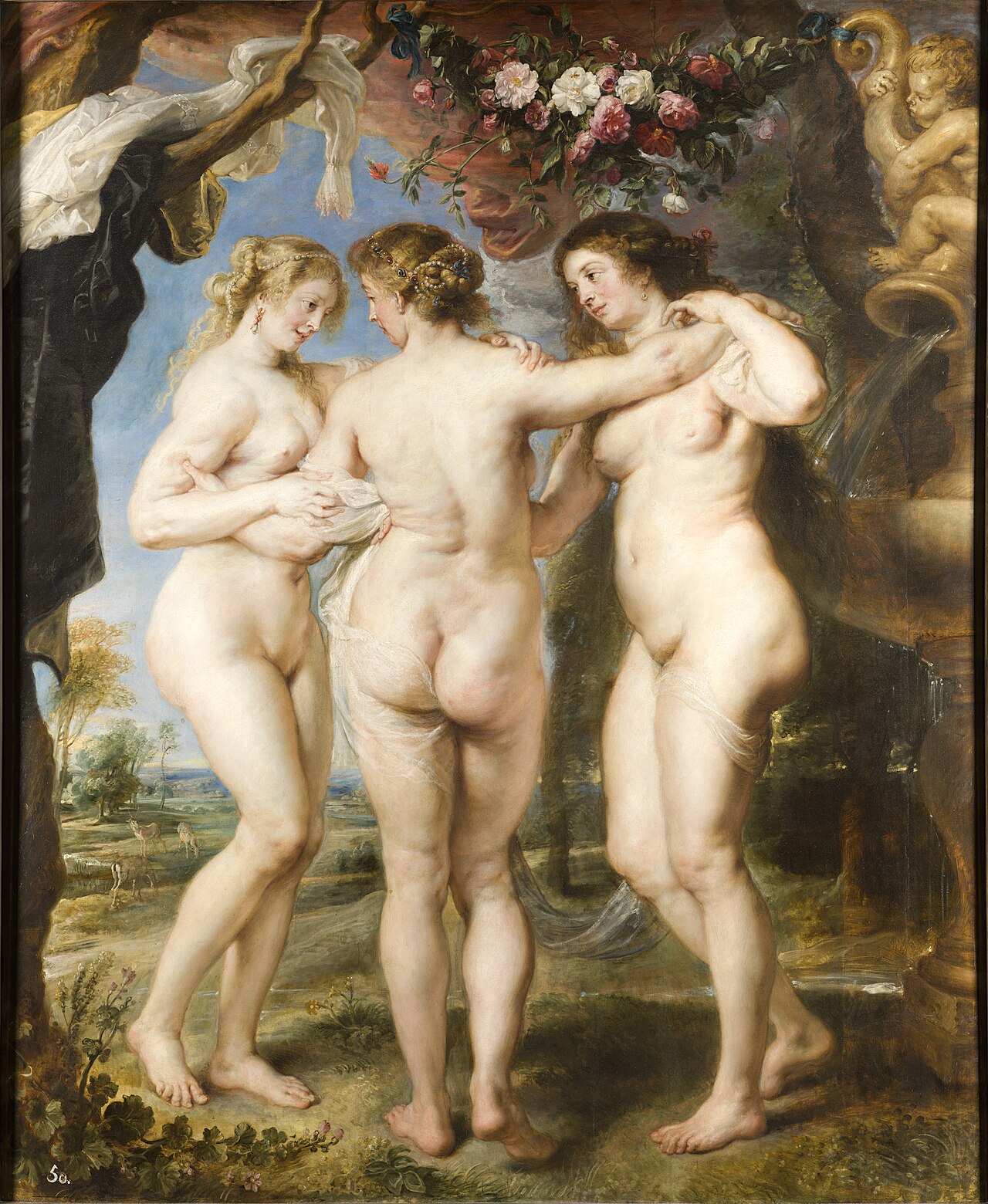
The Three Graces
Peter Paul Rubens · 1630
A late oil painting by Rubens of the mythological Three Graces, kept by the artist in his own collection until his death.
Rubens painted this himself and kept it in his personal collection, making it a direct expression of his late style.
About this source
What it is
An oil painting by Peter Paul Rubens, dated to 1630, showing the mythological Three Graces embracing in a landscape with a fountain. Rubens kept the work for himself; after his death it passed to King Philip IV of Spain and eventually entered the Museo del Prado in Madrid.
Why it matters
Because Rubens held onto this painting personally rather than selling it, historians see it as close to his own artistic ideals. The soft, full-bodied female figures became so associated with him that the term "Rubenesque" is still used today to describe this style of beauty.
Look closer
- Why might an artist keep a painting for himself instead of selling it?
- What does the choice of subject and body type tell you about beauty ideals in Rubens's time?
- How does the setting (the fountain, the garland) add meaning to the scene?
This painting is part of the curated material that grounds the AI version of Peter Paul Rubens on Humy.ai — when students ask about related events, the AI can quote it and cite it.
More Peter Paul Rubens sources
Browse all 97 →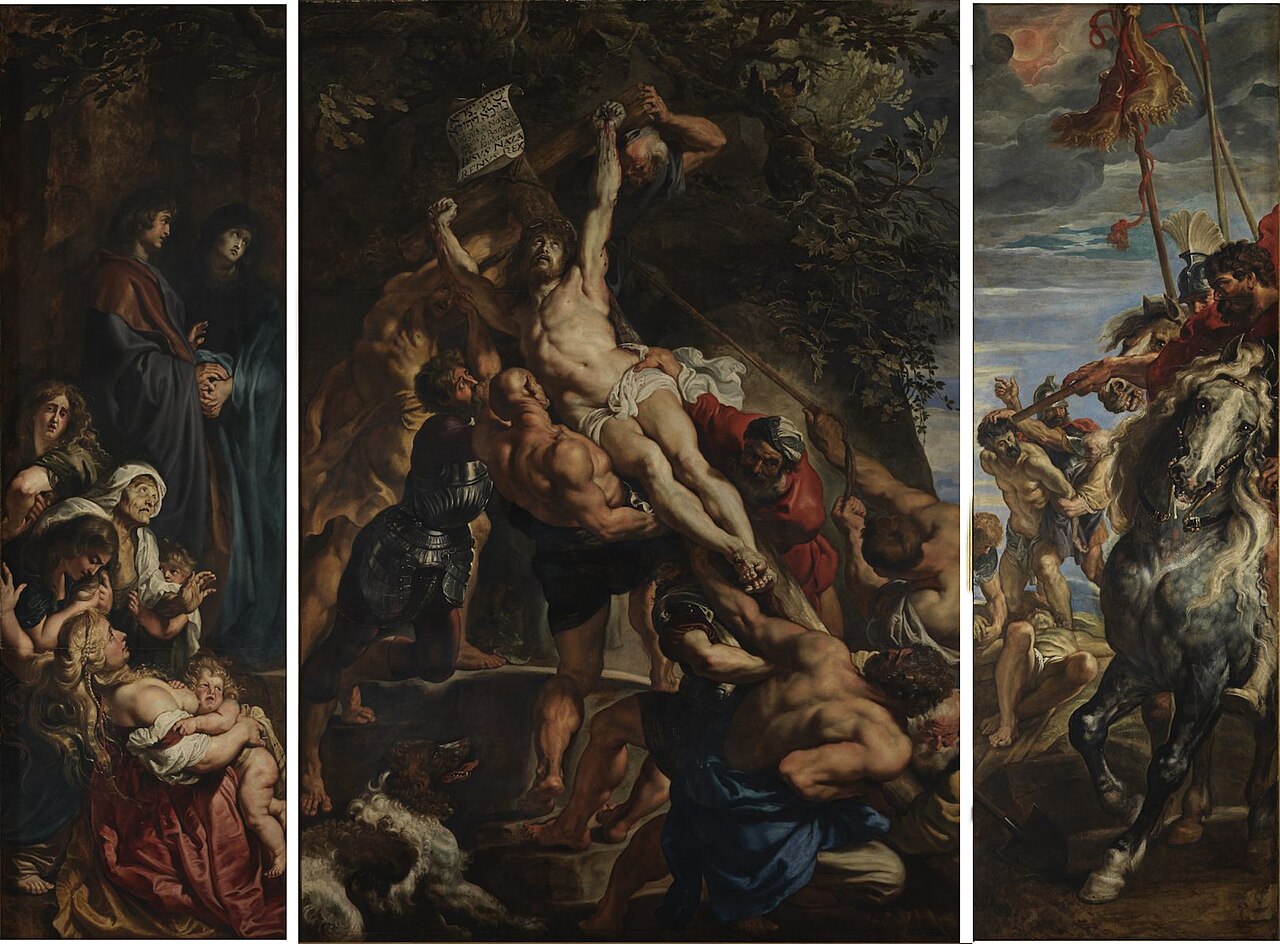 Painting
Primary source
The Elevation of the Cross
Peter Paul Rubens · 1610–1611
 Painting
Primary source
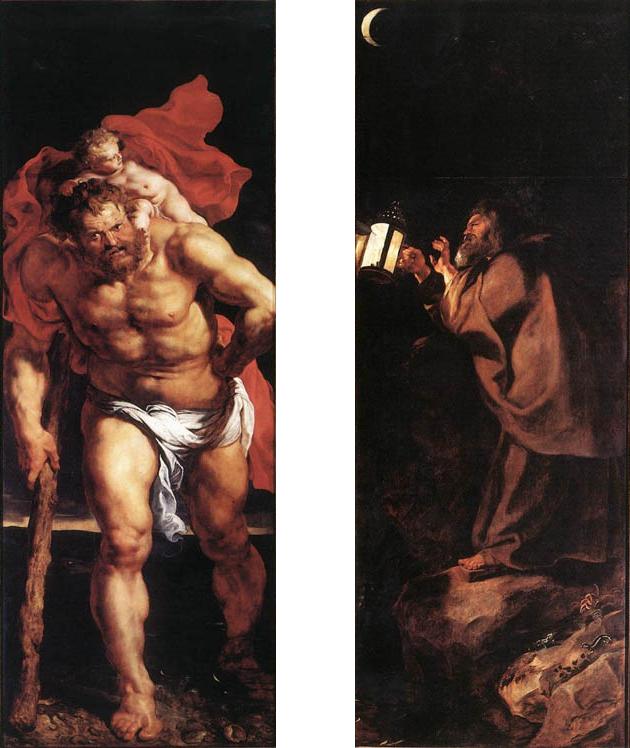
The Descent from the Cross
Peter Paul Rubens · 1611–1614
 Painting
Primary source
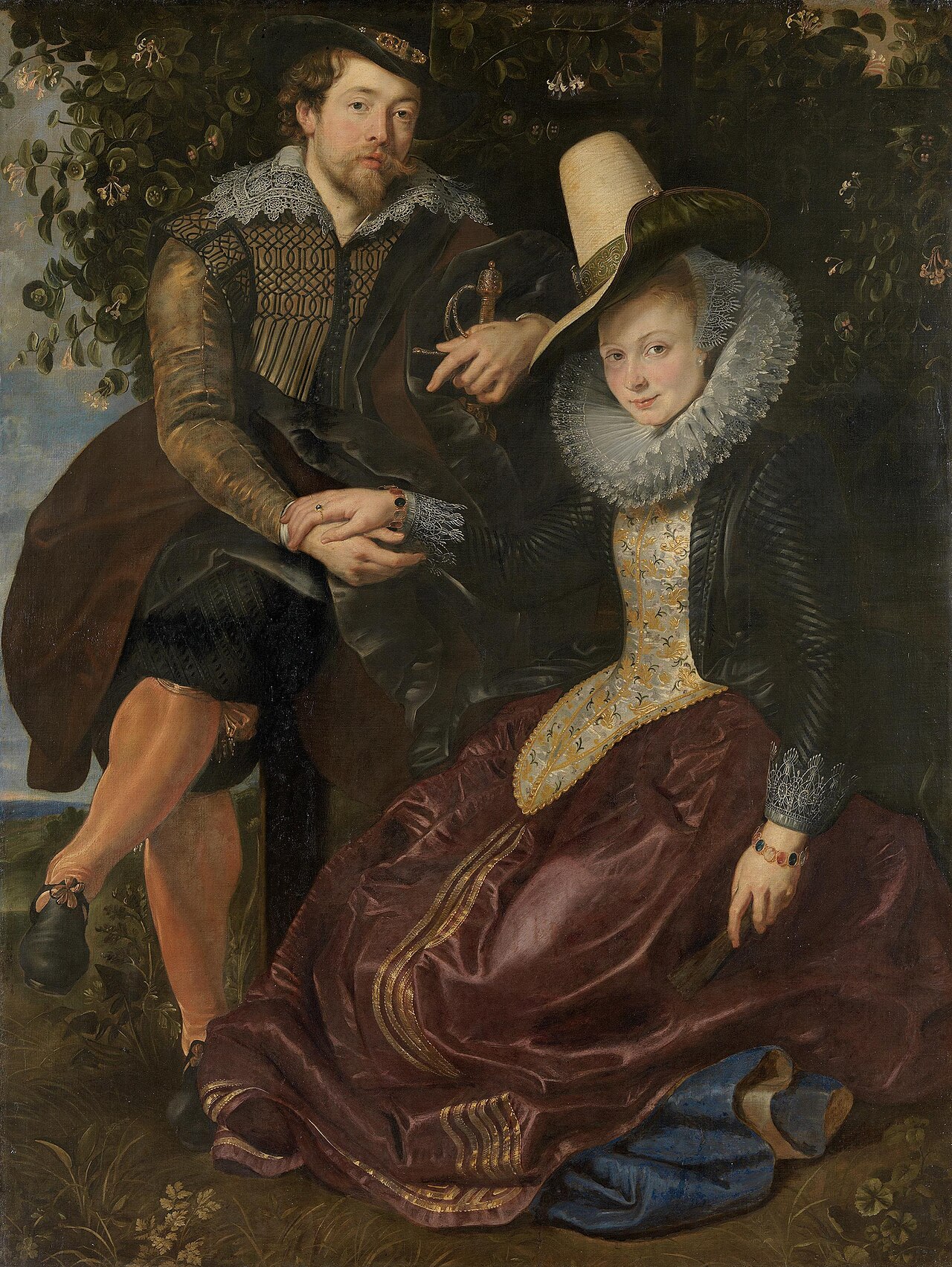
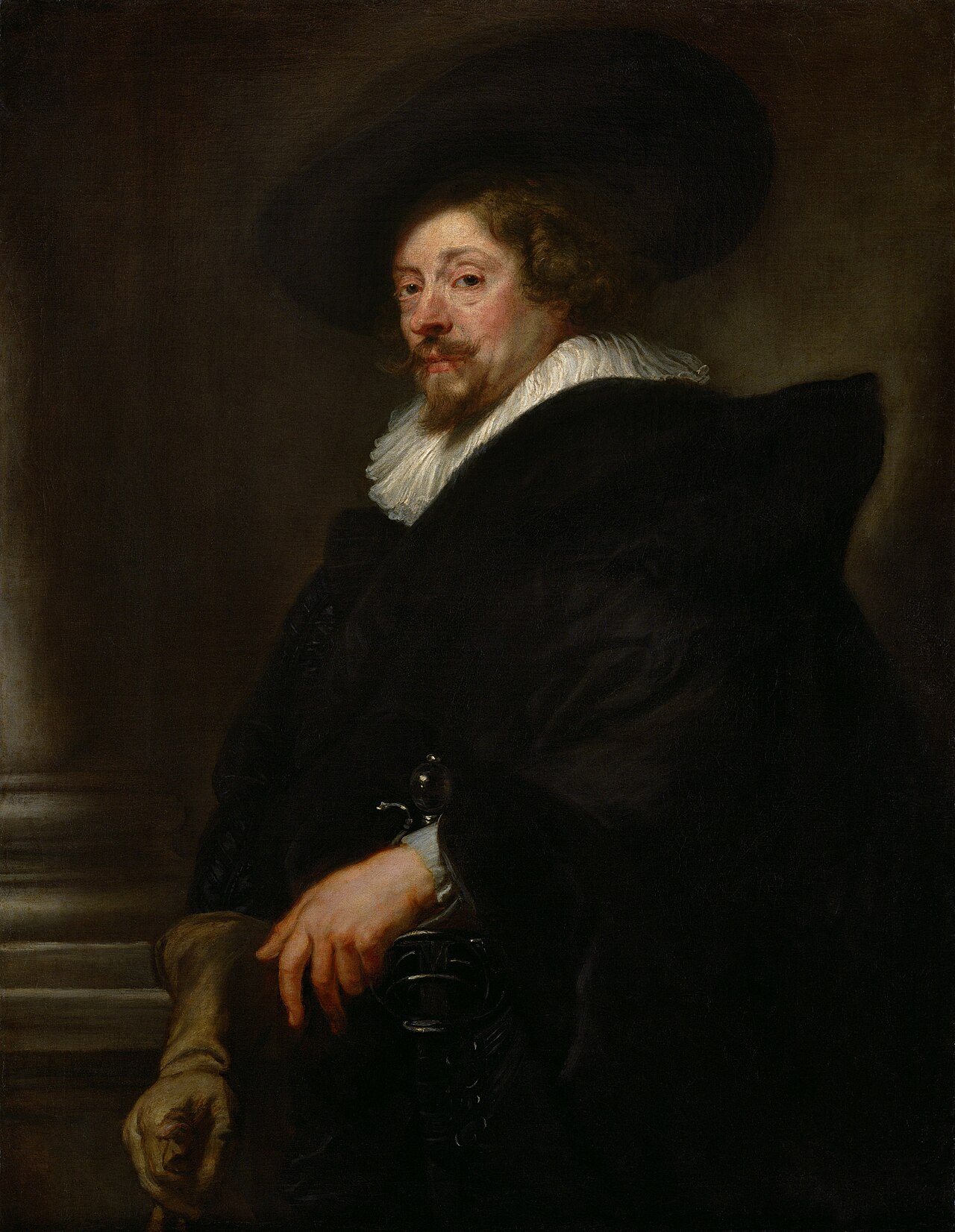
The Honeysuckle Bower
Peter Paul Rubens · c. 1609
 Painting
Primary source
Self-Portrait
Peter Paul Rubens · 1638–1639

Free account
Read every Peter Paul Rubens source
Sign up free →
Ready when you are
Start chatting with Peter Paul Rubens now.
20 messages free · No credit card · Available in 50+ languages.