


Primary sourcePainting1668
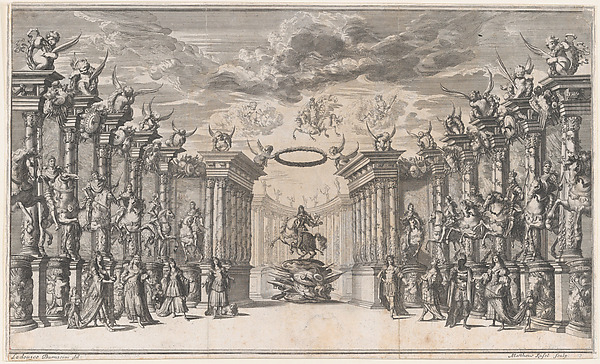
The Triumph of Austria
Mathäus Küsel · 1668
An etching by Mathäus Küsel from 1668 showing Emperor Leopold I on a rearing horse amid imperial portraits, from a stage design for 'Il Pomo D'Oro'.
This 1668 etching shows Leopold I as a triumphant ruler at the centre of a grand imperial display.
About this source
What it is
This is an etching made in 1668 by Mathäus Küsel, showing a grand theatrical stage set with an equestrian statue of Emperor Leopold I on a rearing horse, surrounded by portraits of earlier Holy Roman Emperors. It is held today by The Metropolitan Museum of Art.
Why it matters
The print comes from set designs for the opera Il Pomo d'Oro, part of the lavish court celebrations of the Habsburg dynasty. It shows how Leopold I wanted to be seen by his court: as a triumphant ruler linked to a long line of emperors. Images like this were tools of political image-making, not snapshots of daily life.
Look closer
- Why might an emperor want to be shown on a rearing horse surrounded by his imperial ancestors?
- What does the theatrical setting tell you about how rulers used art and performance?
- What is left out of this idealised image of Leopold's reign?
This painting is part of the curated material that grounds the AI version of Leopold I, Holy Roman Emperor on Humy.ai — when students ask about related events, the AI can quote it and cite it.
More Leopold I, Holy Roman Emperor sources
Browse all 92 →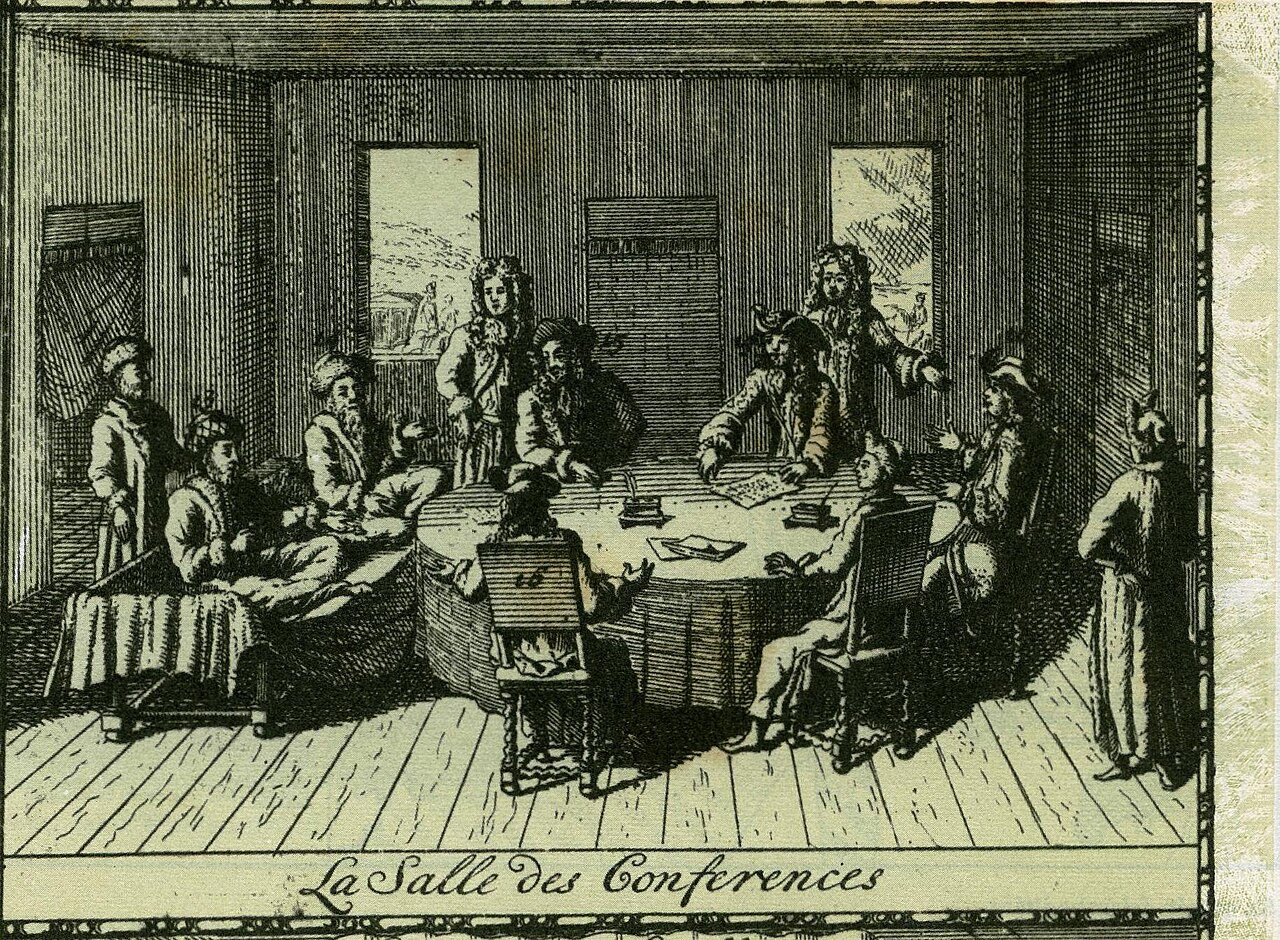 Document
Primary source
Treaty of Karlowitz
26 January 1699
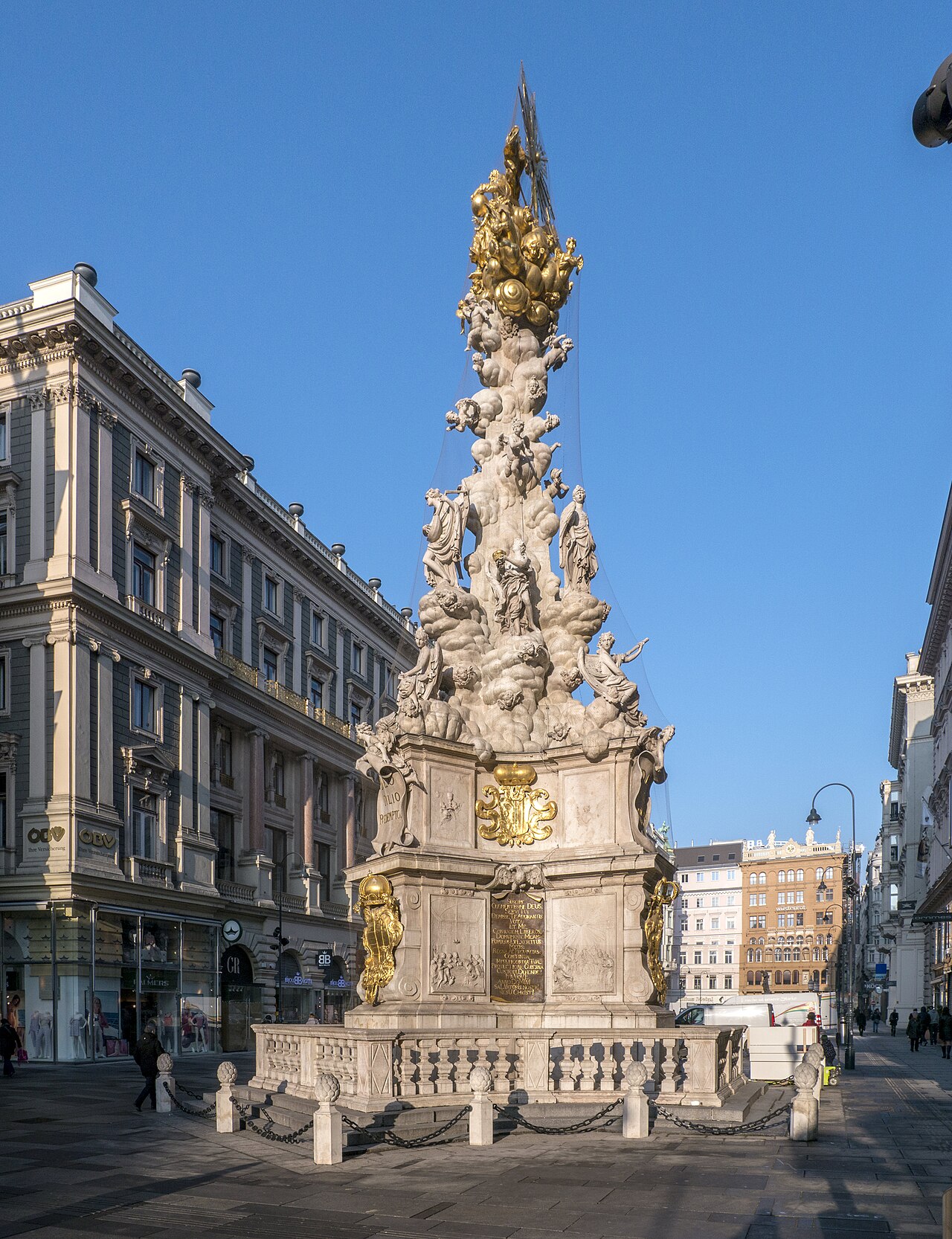 Sculpture
Primary source
Pestsäule
Johann Bernhard Fischer von Erlach · 1679-1694
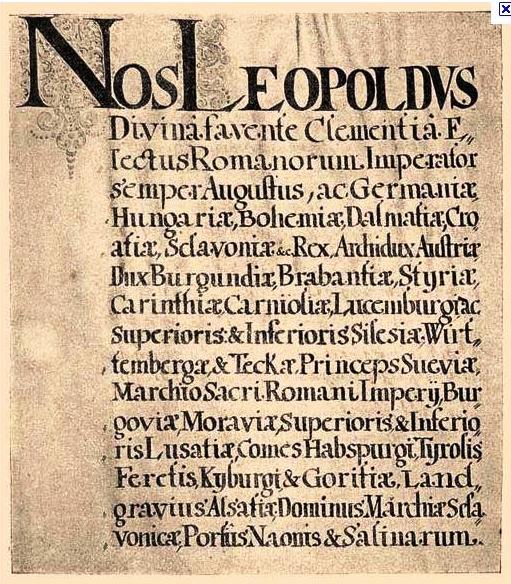 Document
Primary source
Diploma Leopoldinum
Leopold I, Holy Roman Emperor · 1690
 Painting
Primary source
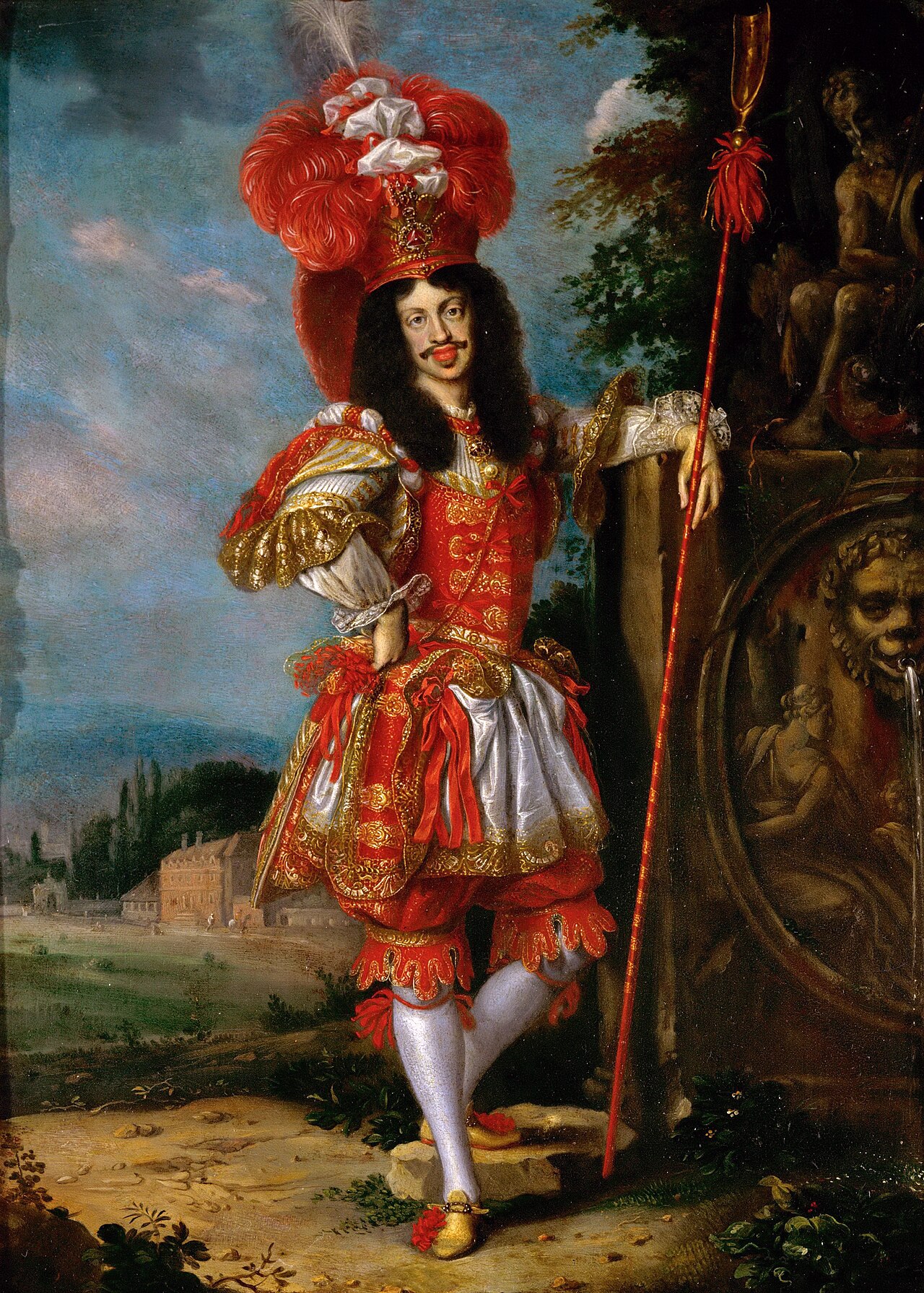
Leopold I as Acis in La Galatea
Jan Thomas van Ieperen · 1667
Free account
Read every Leopold I, Holy Roman Emperor source
Sign up free →
Ready when you are
Start chatting with Leopold I, Holy Roman Emperor now.
20 messages free · No credit card · Available in 50+ languages.