


Primary sourceBook1813
The Waltz
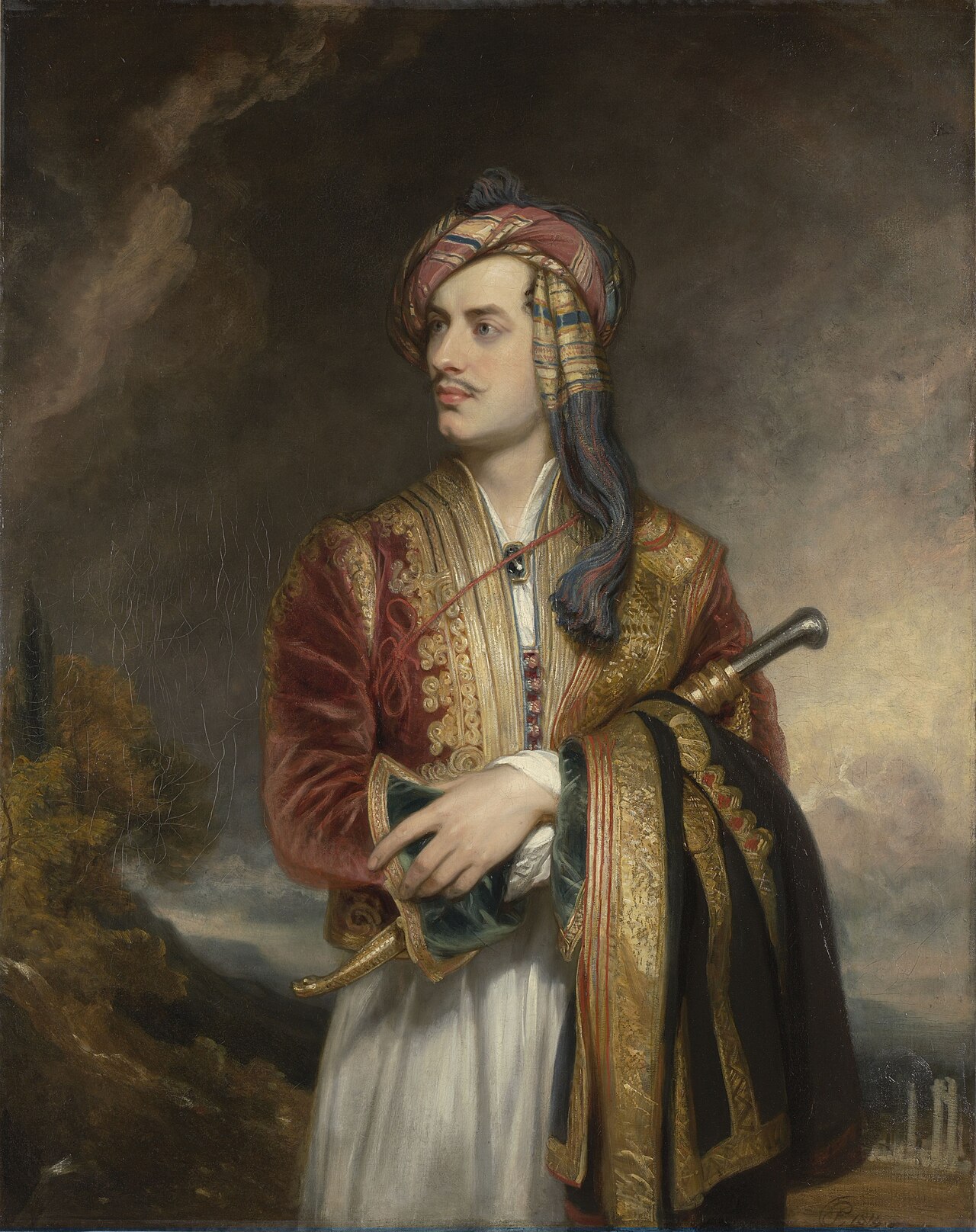
Lord Byron · 1813
A satirical poem by Lord Byron published anonymously in spring 1813. It mocks the waltz, a dance that was new and controversial to many British audiences.
Byron wrote this 1813 satire on the waltz and tried to hide his authorship, which shows his wit and his views on fashionable society.
Free Humy account · No credit card · 120,288 sources to read
About this source
What it is
The Waltz is a satirical poem by Lord Byron, printed in spring 1813 without his name. Byron later asked his publisher Murray to deny that he wrote a malicious publication on waltzing. The text opens with an introduction that discusses Byron's time at Cheltenham in 1812, his dislike of the dance, and the poet Thomas Moore's note about 'Byron's hatred of waltzing.' The introduction also quotes a letter by Coleridge describing a maypole dance in Germany. The text used here is a Wikisource transcription.
Why it matters
The poem shows Byron's wit and his views on fashionable society. The introduction is written by a later editor, so it offers a commentary on the poem rather than Byron's own words. It also shows that the waltz was seen by many spectators as a novelty, and that the first reactions to it were unfavourable. Comparing the poem with Moore's and Coleridge's accounts helps students see how different people judged the same dance.
Look closer
- What does Byron mock in the waltz, and what does this suggest about the society he describes?
- Why did Byron try to hide his authorship, and what might that reveal about the reception of the poem?
- Whose reactions to the dance are recorded in the introduction, and whose are missing?
This book is part of the curated material that grounds the AI version of Lord Byron on Humy.ai — when students ask about related events, the AI can quote it and cite it.
More Lord Byron sources
Browse all 98 →
Ready when you are
Start chatting with Lord Byron now.
20 messages free · No credit card · Available in 50+ languages.