


Secondary sourceBook1924
The Waning of the Middle Ages: Chapter 19, Art and Life
Huizinga · 1924
Chapter 19 of Huizinga's study of late medieval culture, which discusses Jan van Eyck and the Burgundian court as a way into the painter's world.
A later historian's chapter that uses Van Eyck and his contemporaries to describe the mood and values of the Burgundian world he lived in.
Free Humy account · No credit card · 120,912 sources to read
About this source
What it is
This is Chapter 19, titled Art and Life, from a book by the historian Huizinga, first published in 1924. The chapter contrasts an older, grim picture of fifteenth-century France, shaped by romantic writers, with a view shaped by the period's art. It names the so-called primitive Flemish and French masters, including Van Eyck, and it imagines the painter escaping the noisy gaiety and brutal passions of court life. The text is a modern English edition shared on Wikisource.
Why it matters
Huizinga helped change how people think about the late Middle Ages. Instead of seeing only cruelty and misery, he argued that the art of painters like Van Eyck, Rogier van der Weyden and Memling reveals religious feeling and a search for calm beauty. The chapter shows how a historian in the 1920s used paintings as evidence about the people who commissioned and admired them.
Look closer
- What picture of the period does the author say that 1840 writers and novels gave, and why?
- Why might Huizinga describe Van Eyck as a dreamer rather than a court painter?
- Which parts of medieval life, such as violence or poverty, does an art-centred view leave out?
This book is part of the curated material that grounds the AI version of Jan van Eyck on Humy.ai — when students ask about related events, the AI can quote it and cite it.
More Jan van Eyck sources
Browse all 82 →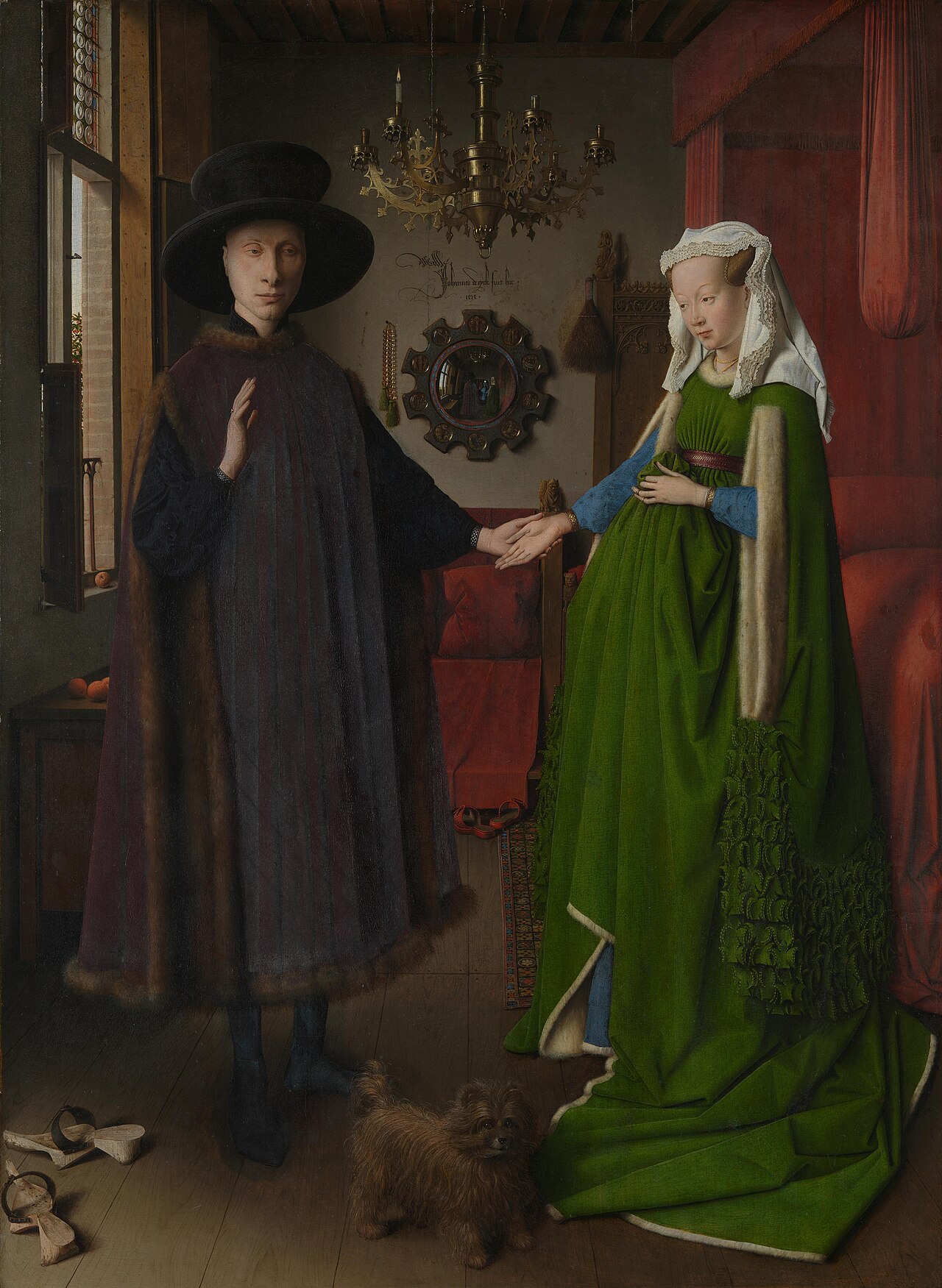 Painting
Primary source
Arnolfini Portrait
Jan van Eyck · 1434
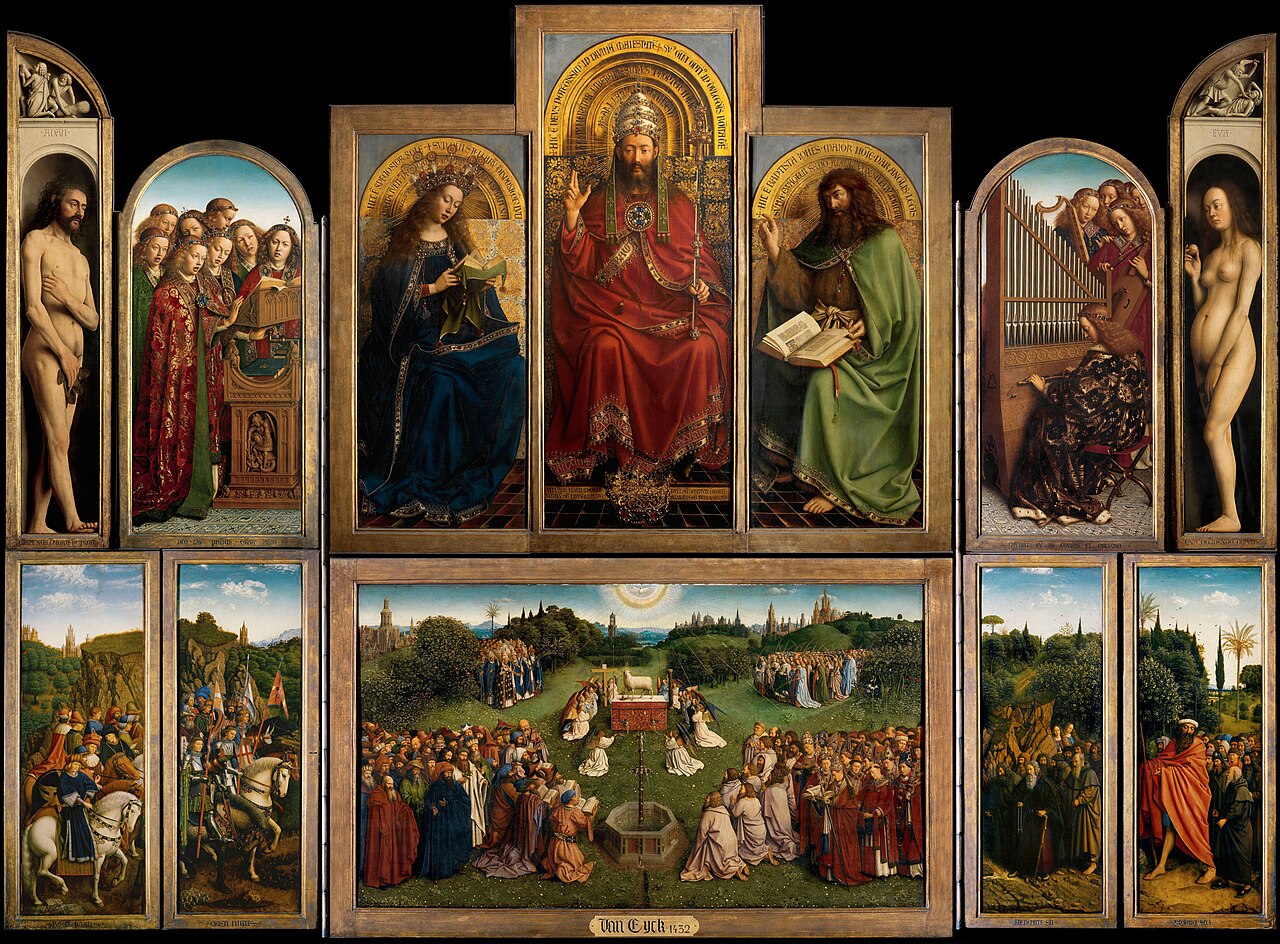 Painting
Secondary source
Ghent Altarpiece
Jan van Eyck and Hubert van Eyck · 1432
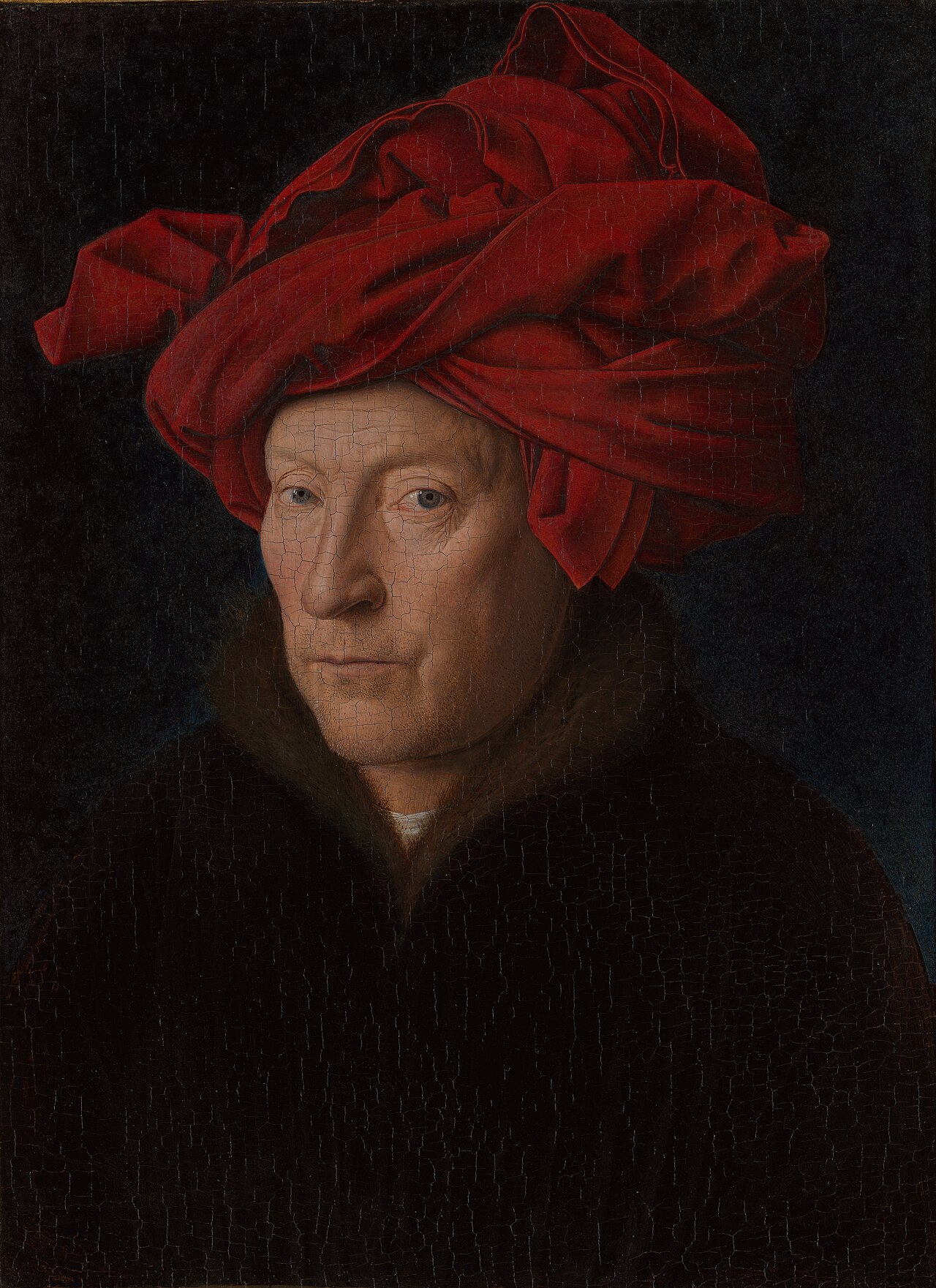 Painting
Primary source
Portrait of a Man (Self Portrait?)
Jan van Eyck · 1433
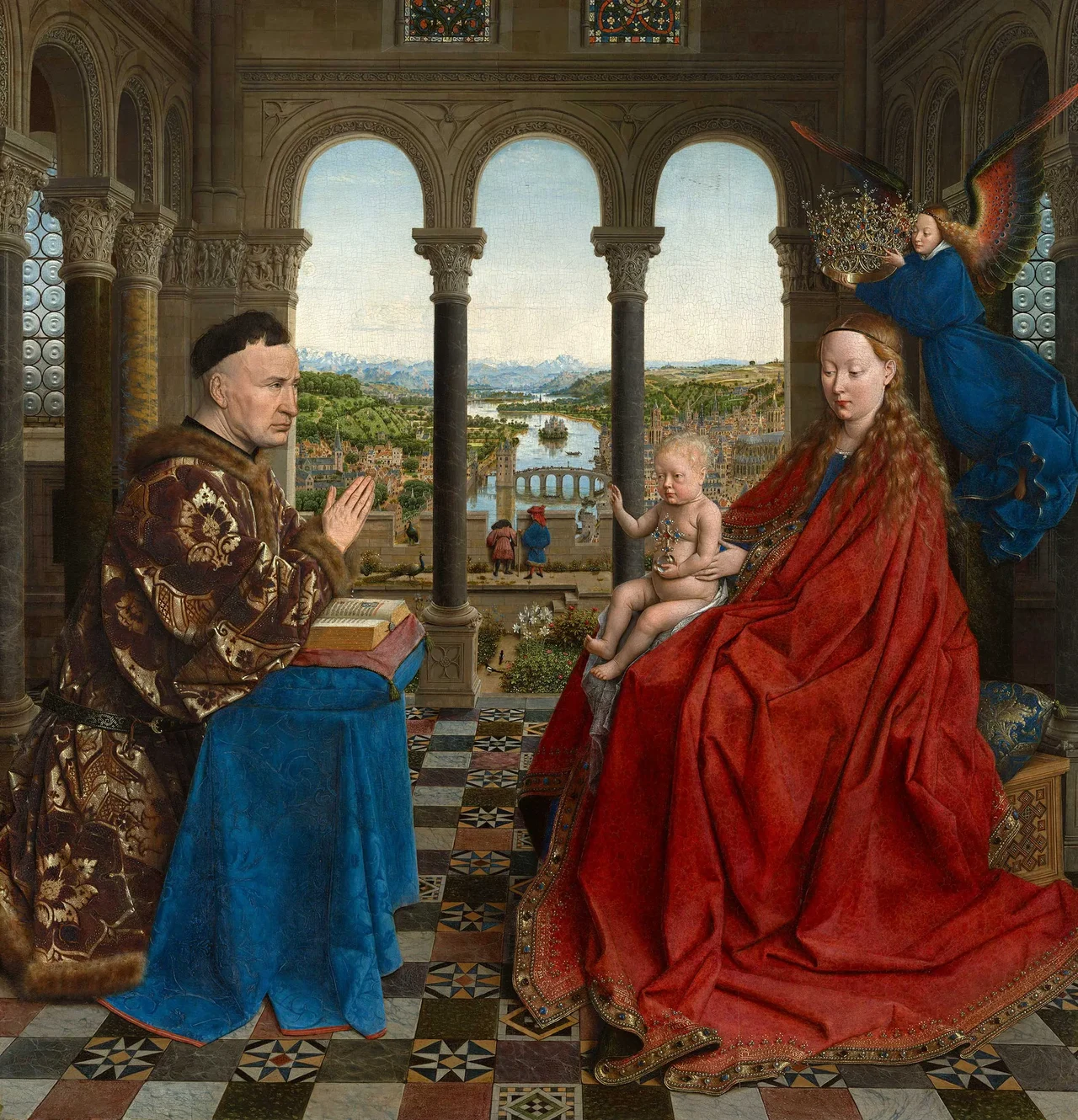 Painting
Secondary source
Madonna of Chancellor Rolin
Jan van Eyck · c. 1435
Free account
Read every Jan van Eyck source
Sign up free →
Ready when you are
Start chatting with Jan van Eyck now.
20 messages free · No credit card · Available in 50+ languages.