


Primary sourcePainting1899
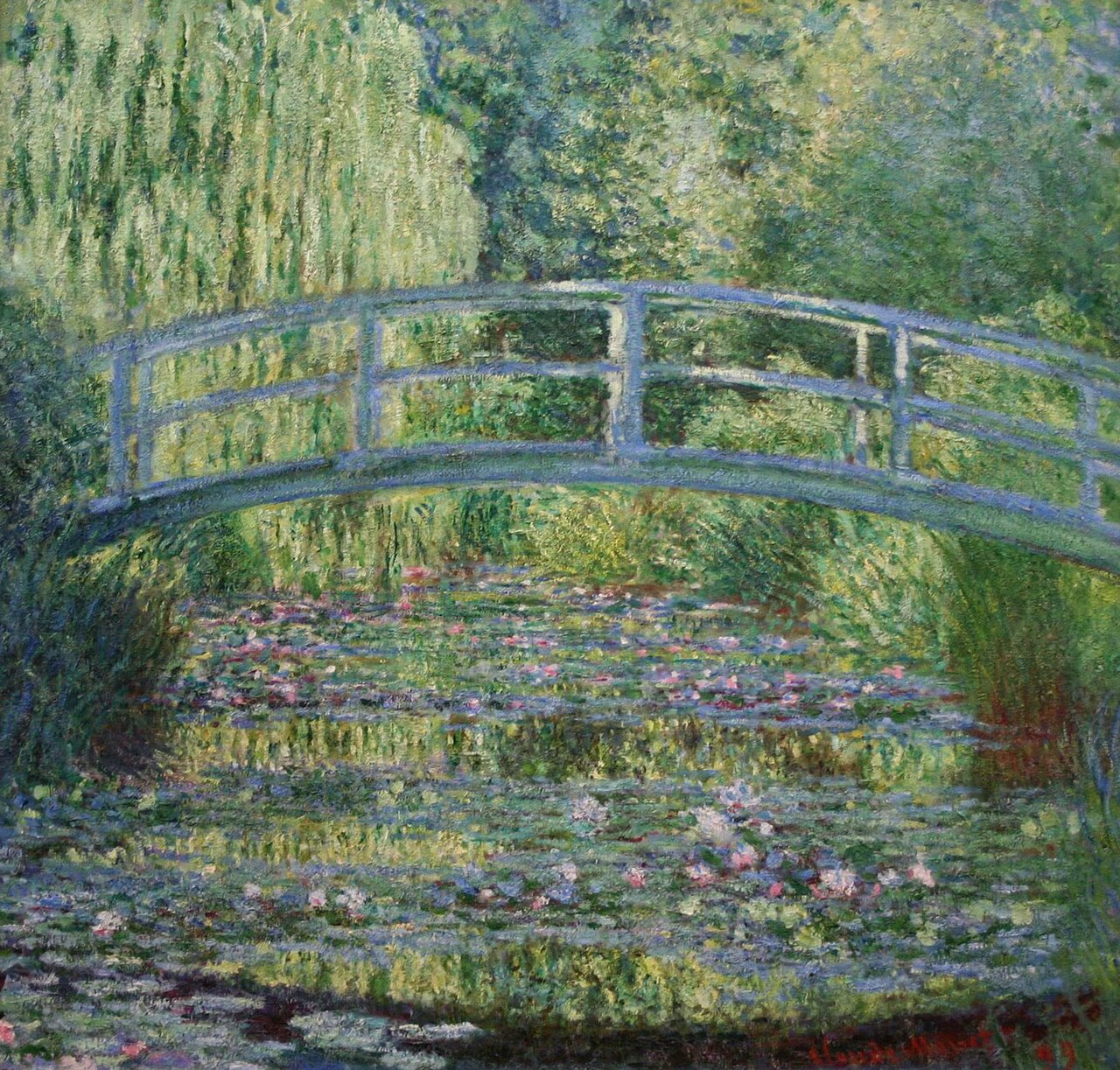
The Water Lily Pond: Green Harmony
Claude Monet · 1899
A 1899 painting by Monet of the Japanese footbridge over the water lily pond he designed at his Giverny garden.
Monet painted the Japanese footbridge in his own garden at Giverny, a scene he designed and repeatedly depicted.
About this source
What it is
This 1899 painting is by Claude Monet. It shows the arched Japanese footbridge over the water lily pond at his home in Giverny, a garden he designed himself. It is held at the Musée d'Orsay.
Why it matters
This painting shows Monet treating his own garden as a subject and a work of art in itself. The pond and bridge became one of his most famous motifs, repeated in many paintings over the following years. It reveals how Monet, later in life, built the very scenes he wanted to paint rather than simply finding them in nature.
Look closer
- What effect does the reflection of the willow trees and lilies have on the water's surface?
- Why might an artist design a garden specifically to paint it?
- What does the calm, enclosed scene leave out about the wider world at the time?
This painting is part of the curated material that grounds the AI version of Claude Monet on Humy.ai — when students ask about related events, the AI can quote it and cite it.
More Claude Monet sources
Meet the AI Claude Monet →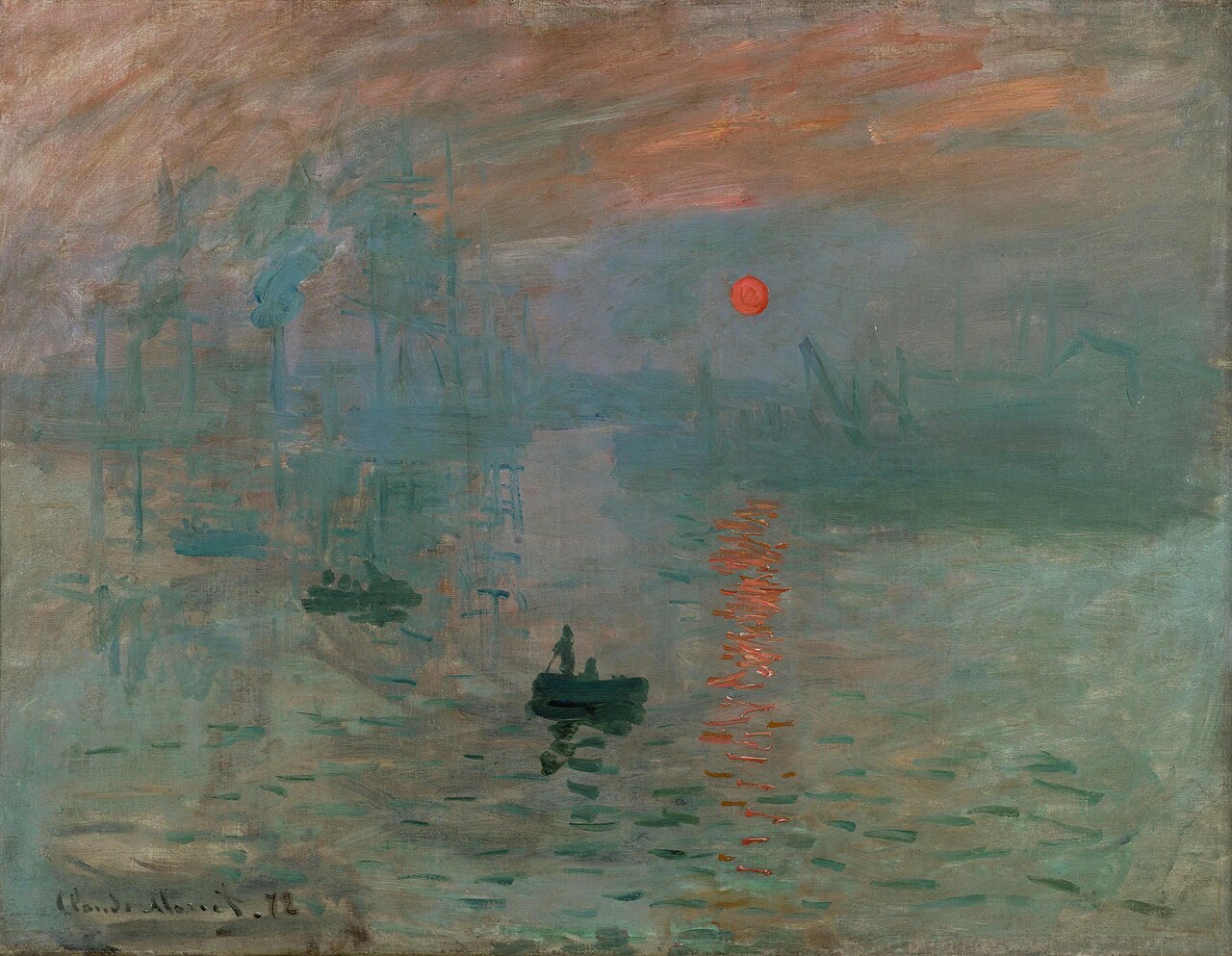 Painting
Primary source
Impression, Sunrise
Claude Monet · 1872
 Painting
Primary source
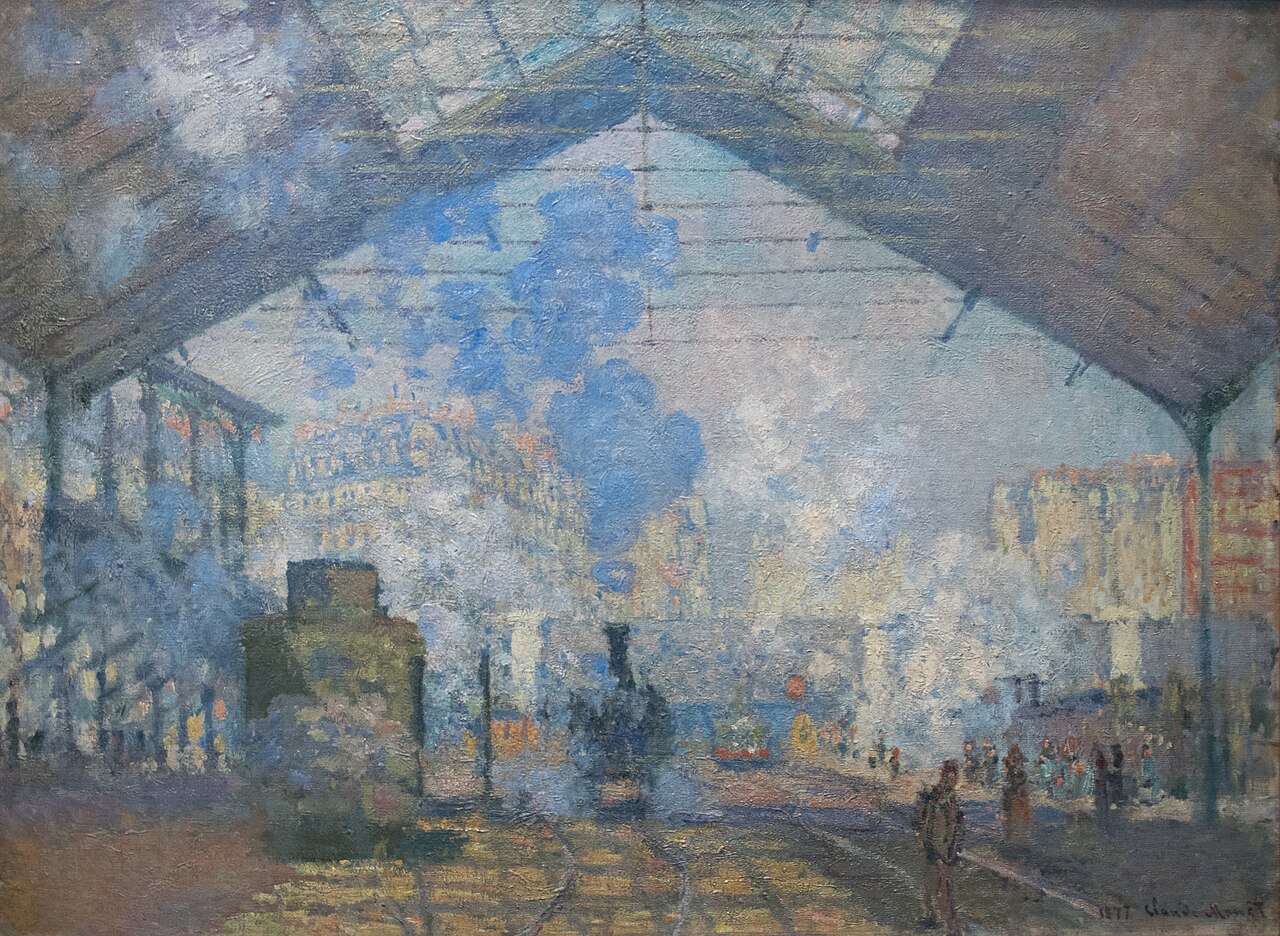
La Gare Saint-Lazare
Claude Monet · 1877
 Painting
Primary source
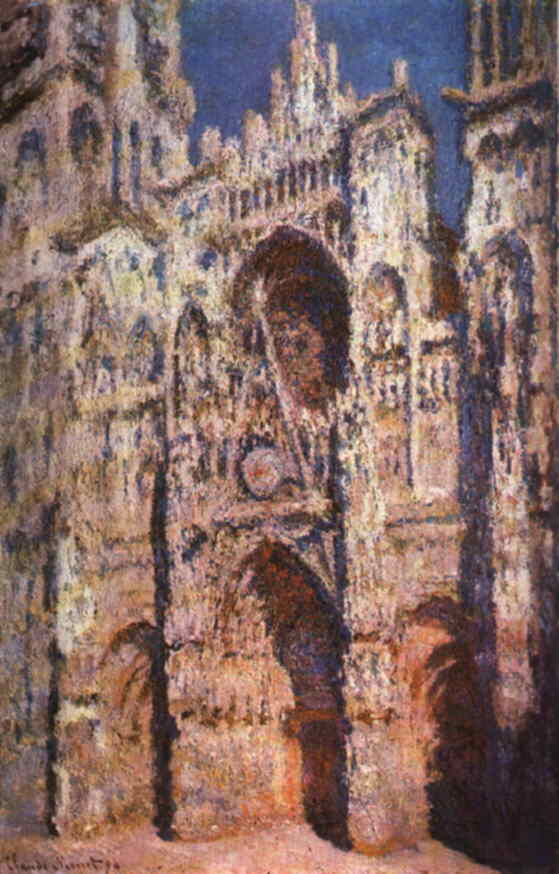
Rouen Cathedral Series
Claude Monet · 1892-1894
 Painting
Primary source
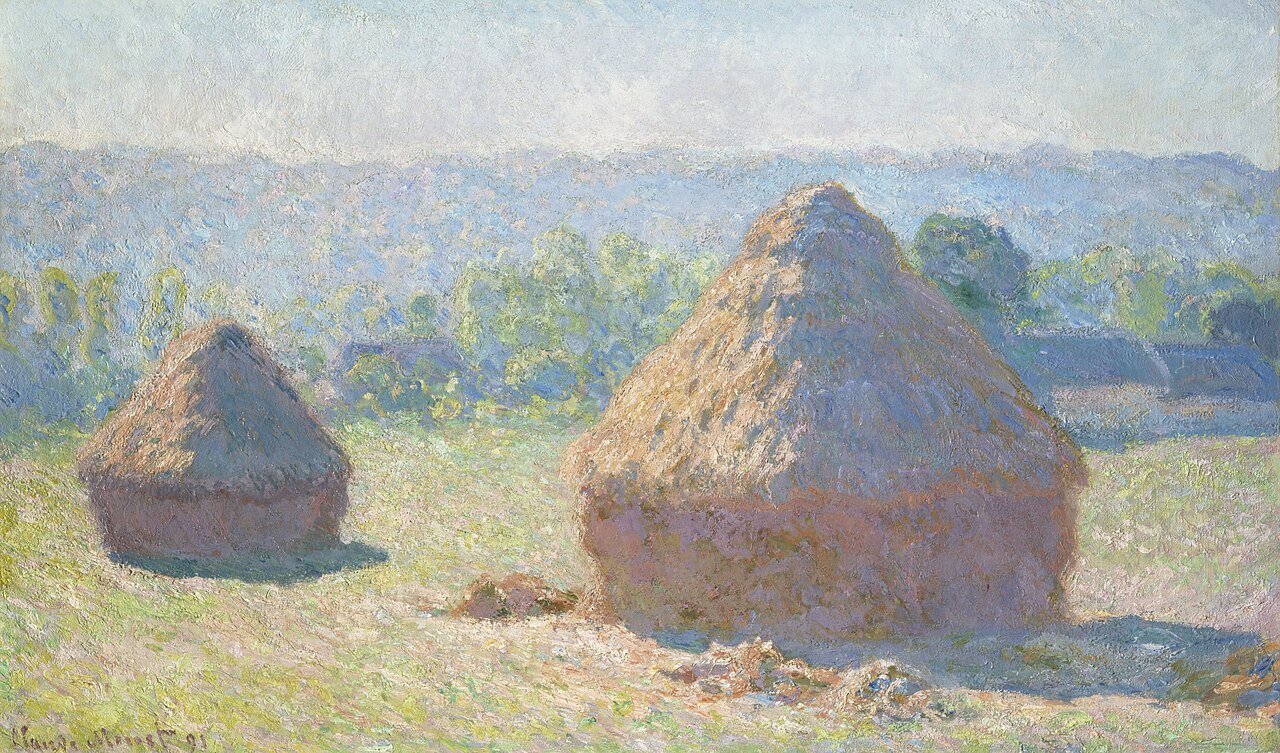
Haystacks
Claude Monet · 1890-1891
 Painting
Primary source
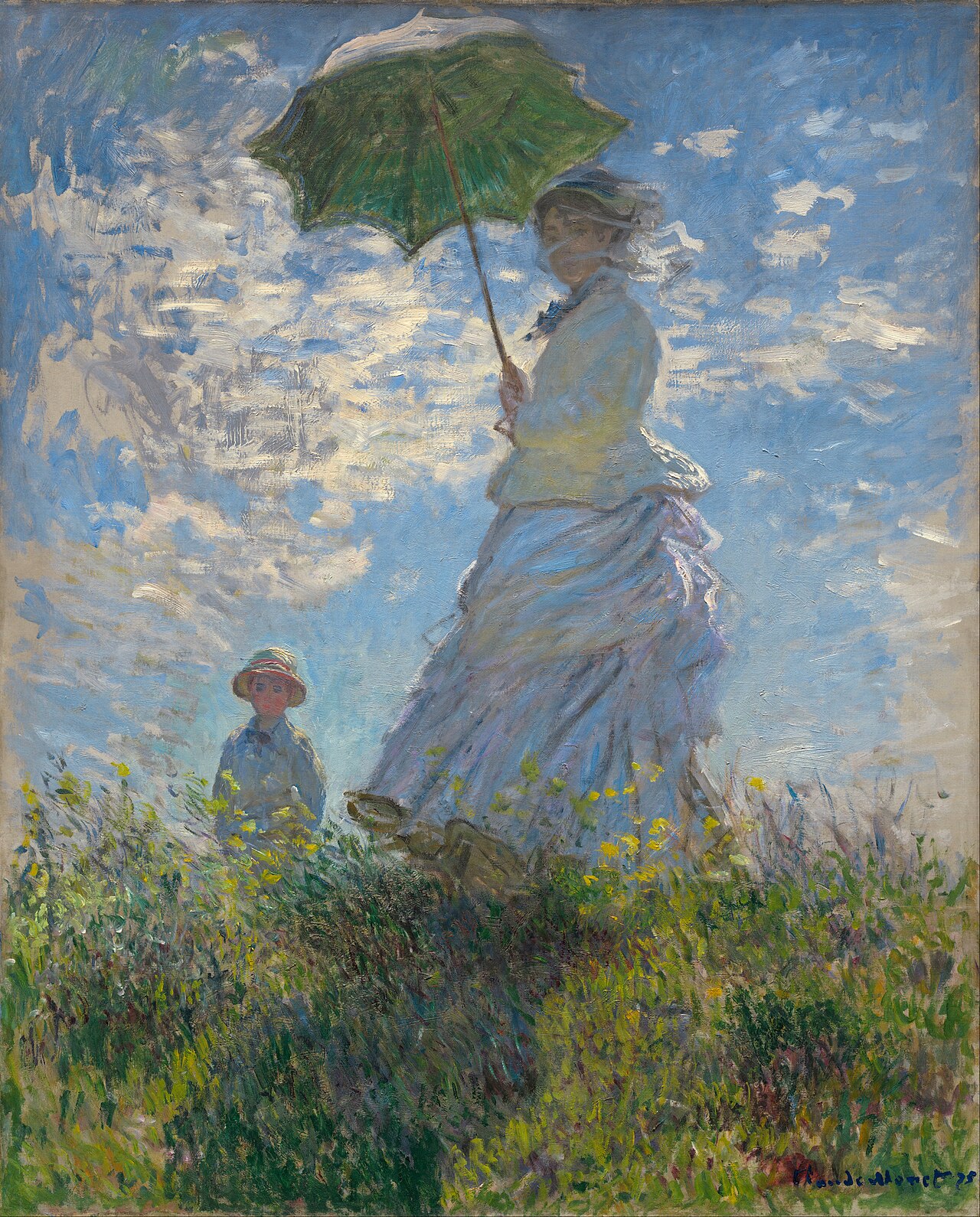
Woman with a Parasol – Madame Monet and Her Son
Claude Monet · 1875
Ready when you are
Start chatting with Claude Monet now.
20 messages free · No credit card · Available in 50+ languages.