


Primary sourcePaintingc. 1500
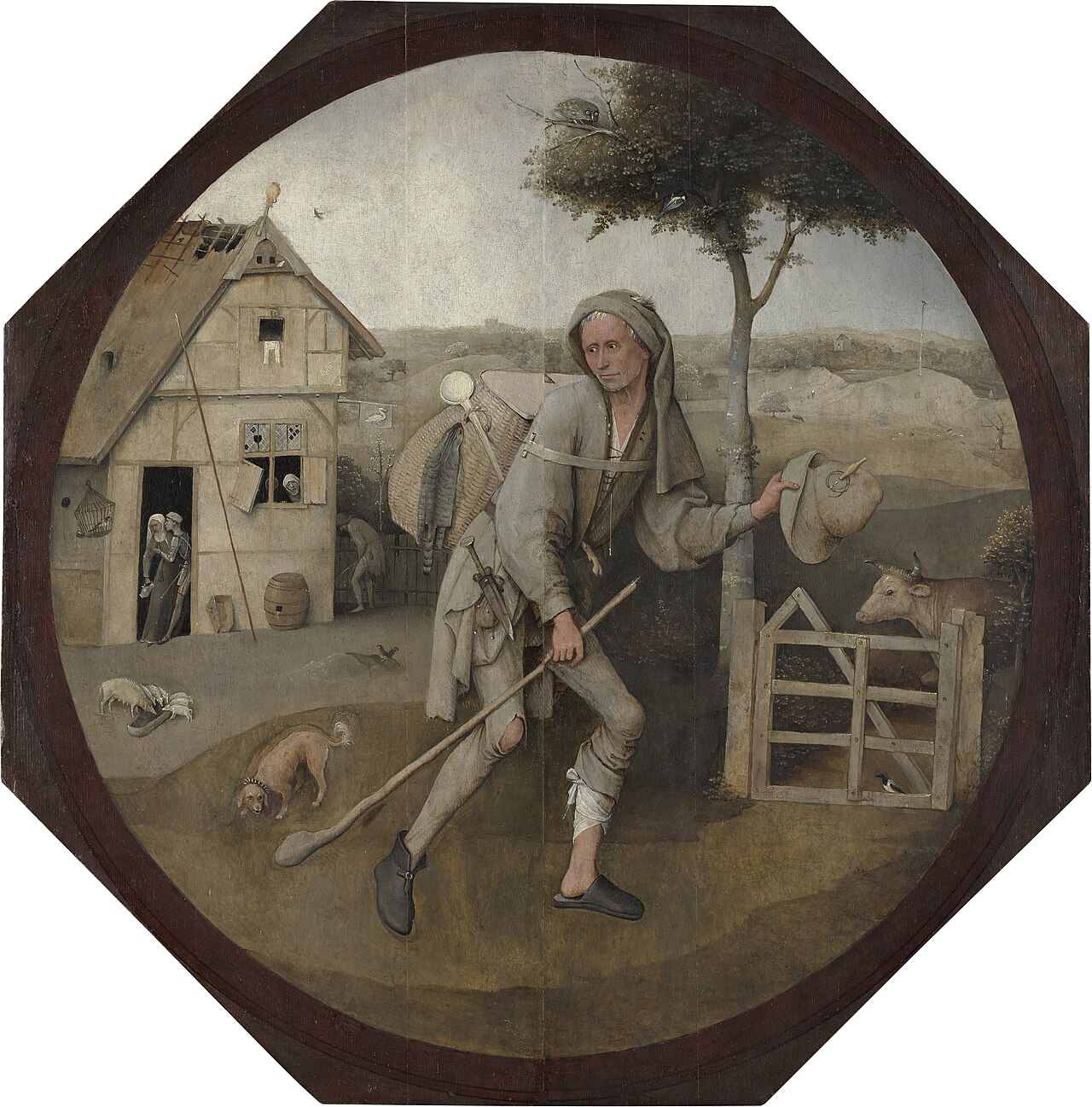
The Wayfarer
Hieronymus Bosch · c. 1500
A round panel by Bosch showing a ragged peddler walking past temptation, symbolizing a person's journey through a sinful world.
This fragment preserves part of a lost Bosch triptych and reflects his recurring theme of the moral journey through life.
About this source
What it is
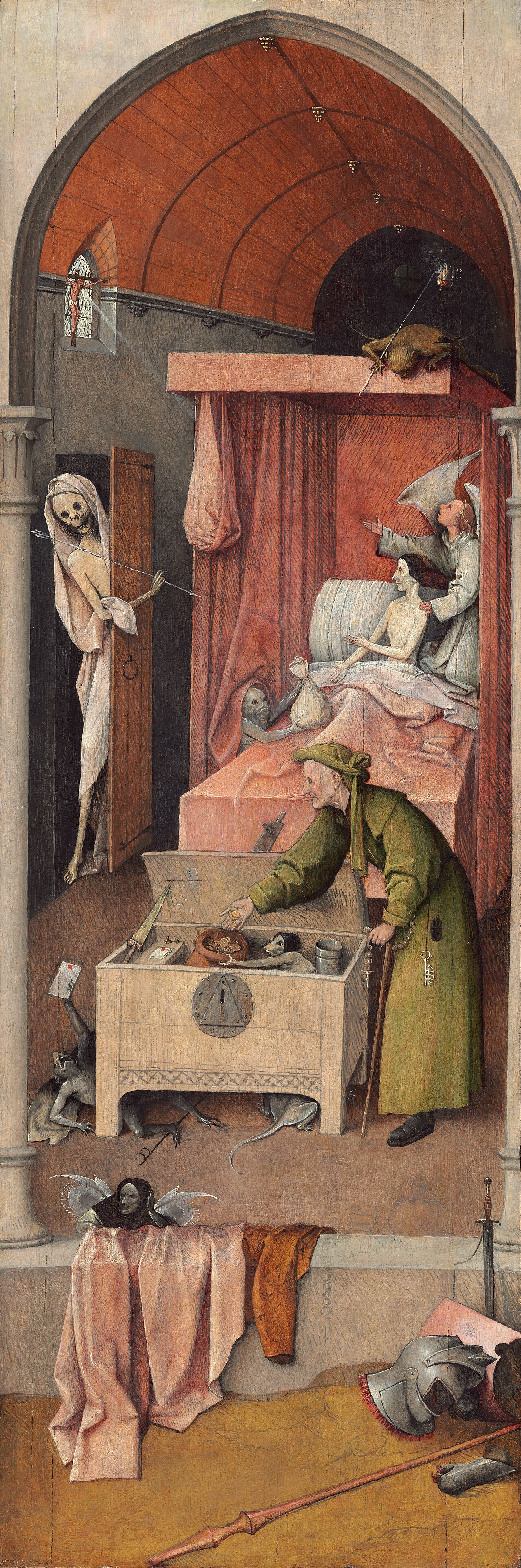
This round oil-on-panel painting, about 71.5 cm across, was made by Hieronymus Bosch around 1500. It is a surviving fragment of a larger, now dismembered triptych or diptych that also included the Ship of Fools and Death and the Miser. It is held in Museum Boijmans Van Beuningen, Rotterdam.
Why it matters
The wayfarer, or peddler, has been read as a figure choosing between virtue and vice, or as a prodigal son returning home. It shows how Bosch used an ordinary traveler to represent the moral choices faced by everyone, making the painting a powerful
This painting is part of the curated material that grounds the AI version of Hieronymus Bosch on Humy.ai — when students ask about related events, the AI can quote it and cite it.
More Hieronymus Bosch sources
Browse all 95 →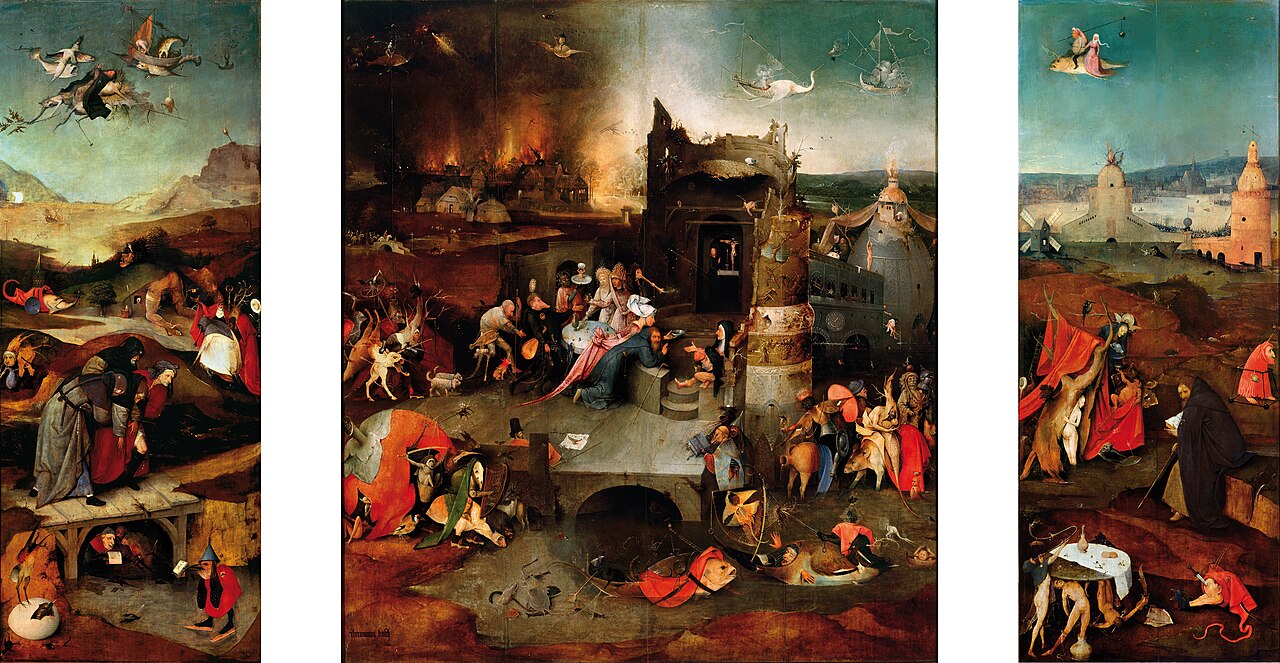 Painting
Primary source
Temptation of Saint Anthony
Hieronymus Bosch · c. 1501
 Painting
Primary source
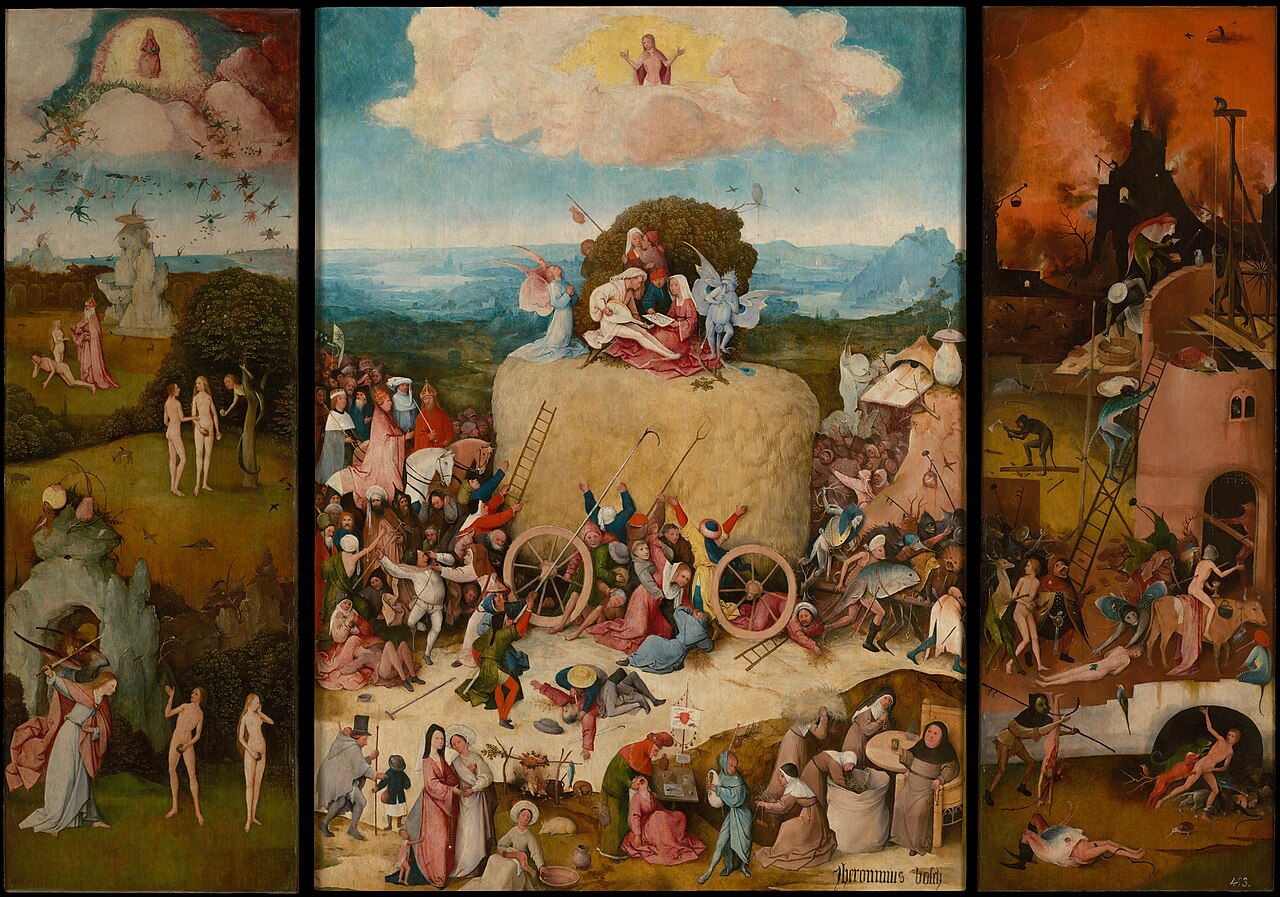
The Haywain Triptych
Hieronymus Bosch · c. 1510-1516
 Painting
Primary source
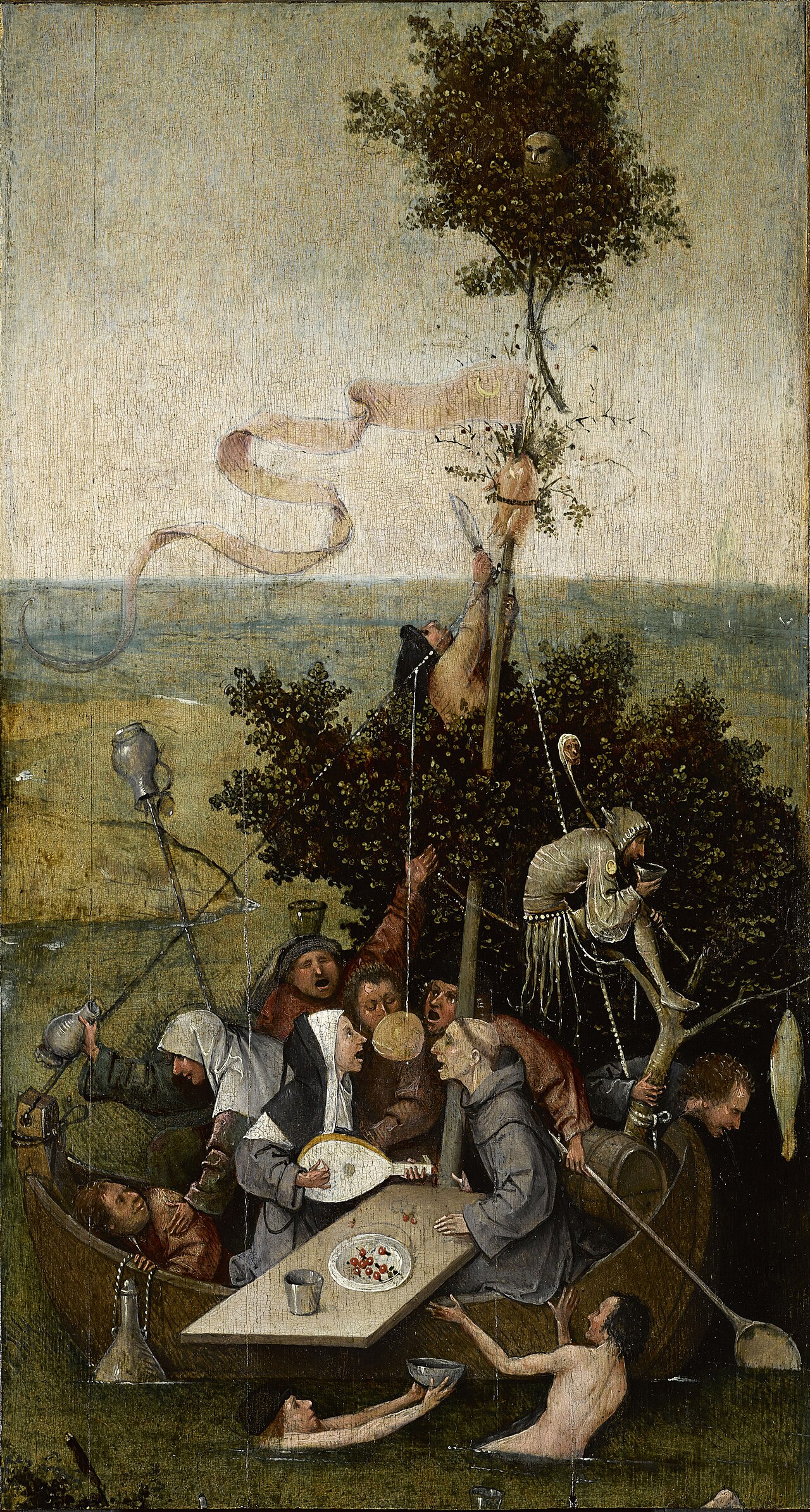
Ship of Fools
Hieronymus Bosch · c. 1490-1500
 Painting
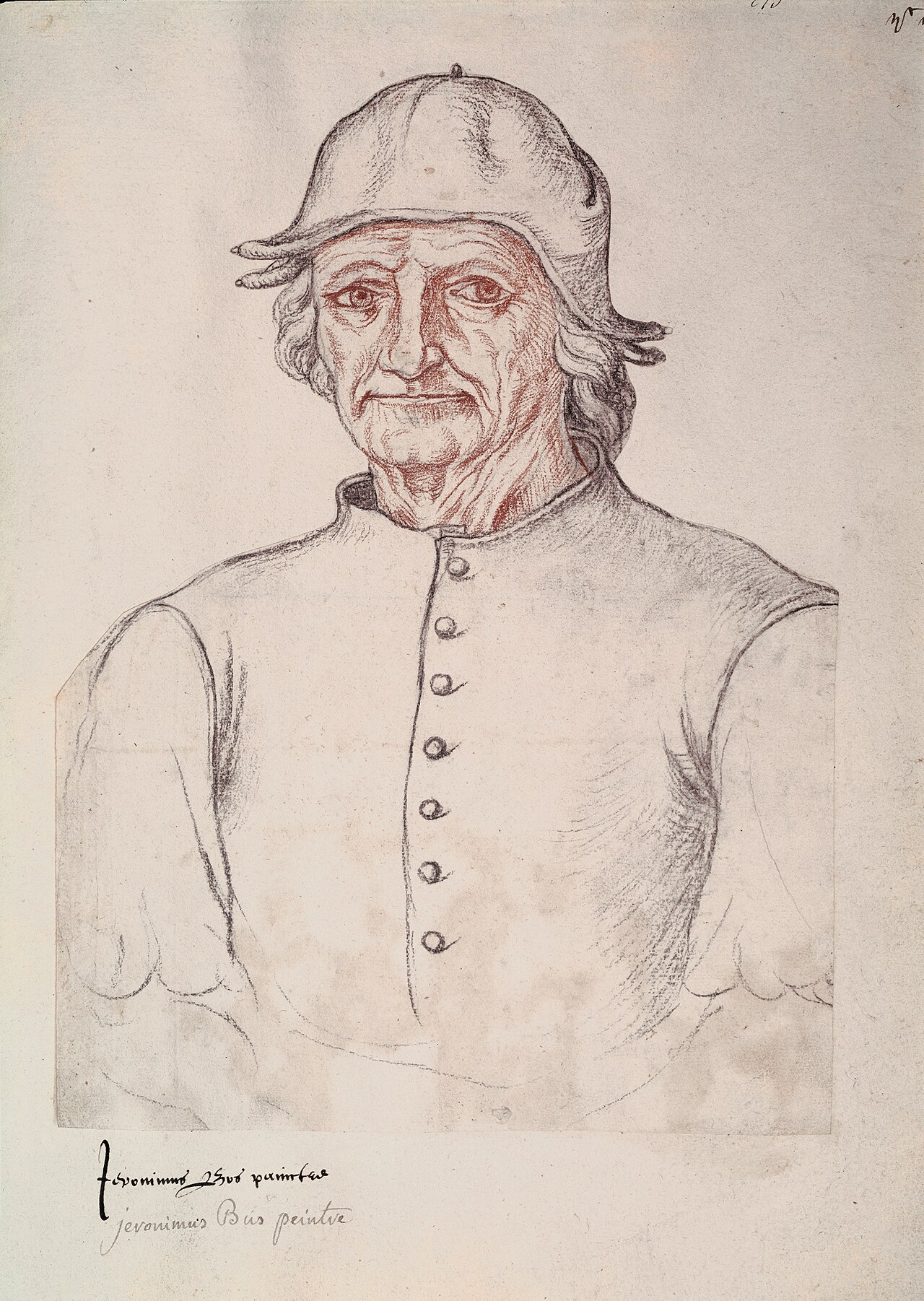
Secondary source
Portrait of Hieronymus Bosch
Jacques Le Boucq · c. 1550
Free account
Read every Hieronymus Bosch source
Sign up free →
Ready when you are
Start chatting with Hieronymus Bosch now.
20 messages free · No credit card · Available in 50+ languages.