


Secondary sourceBookc. 700 BCE
Theogony
Hesiod · c. 700 BCE
Hesiod's poem telling the mythic origin of the gods and the cosmos from Chaos, used to contrast myth with Thales' idea that water is the origin of all things.
Represents the mythic worldview that Thales' natural explanation of the cosmos is traditionally said to break from.
Free Humy account · No credit card · 120,288 sources to read
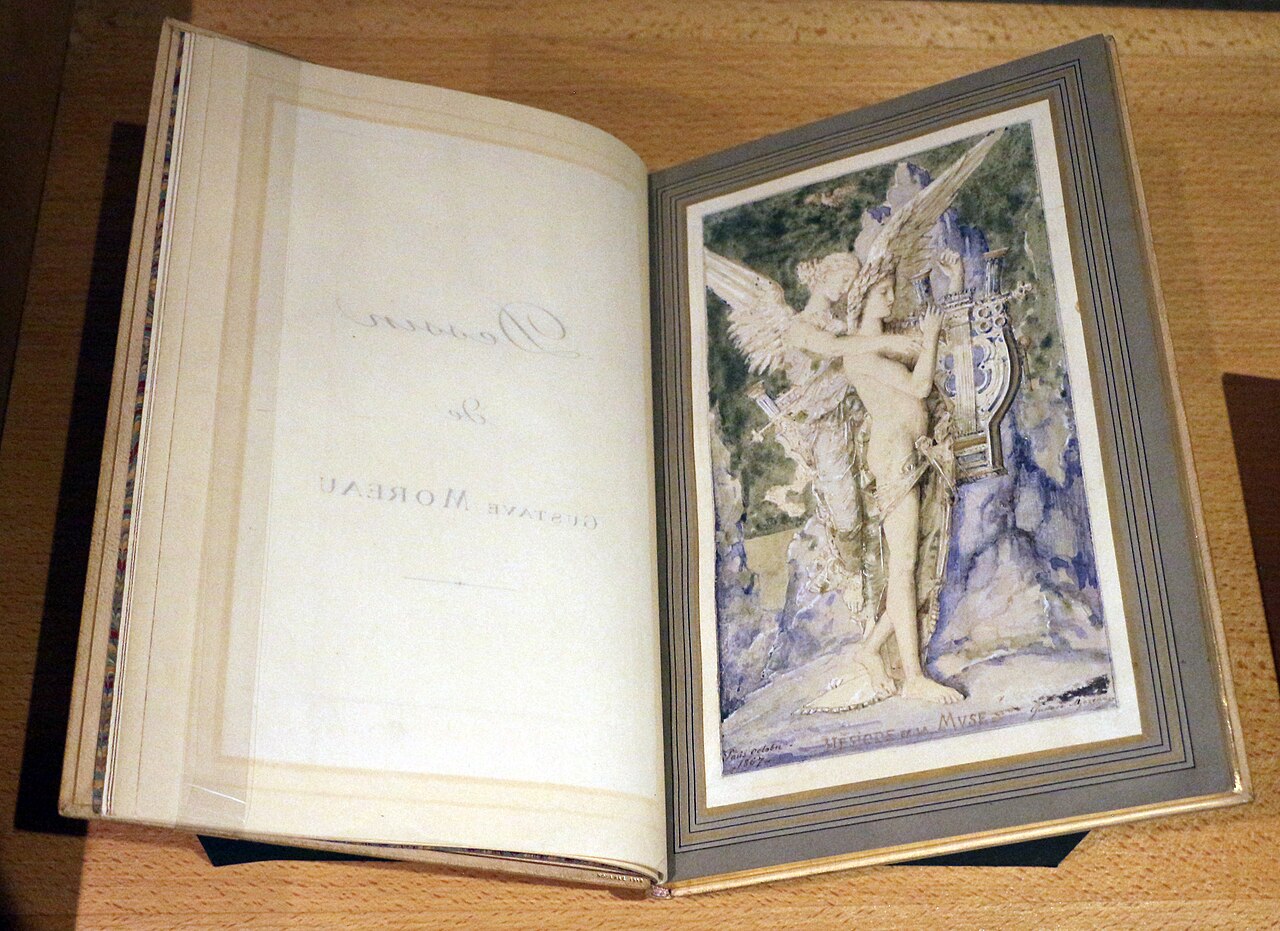
About this source
What it is
The Theogony is an epic poem by the Greek poet Hesiod, composed around 700 BCE. It tells how the gods and the universe came into being, beginning from a primordial state called Chaos.
Why it matters
Historians use the Theogony to show what came before Thales: a mythic explanation of the world through gods and genealogies. Thales is remembered as breaking from this tradition by proposing that water, not divine beings, was the origin of all things — a key step toward natural philosophy and science.
Look closer
- How does Hesiod explain where the world came from?
- How is this different from Thales' idea that everything comes from water?
- Why might later thinkers see Thales' approach as a turning point?
This book is part of the curated material that grounds the AI version of Thales of Miletus on Humy.ai — when students ask about related events, the AI can quote it and cite it.
More Thales of Miletus sources
Browse all 76 → Book
Secondary source
Metaphysics
Aristotle · c. 400 BCE
 Book
Secondary source
Histories
Herodotus · c. 440 BCE
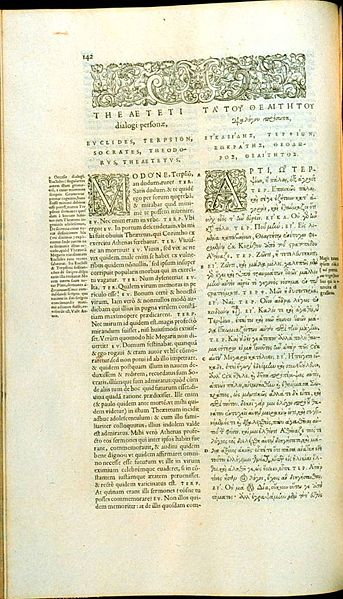 Book
Secondary source
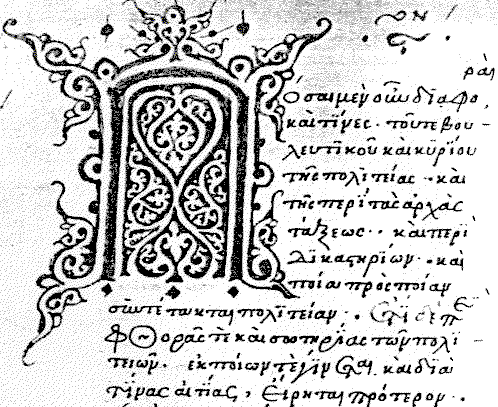
Theaetetus
Plato · early-to-middle 4th century BCE (this edition 1578)
 Book
Primary source
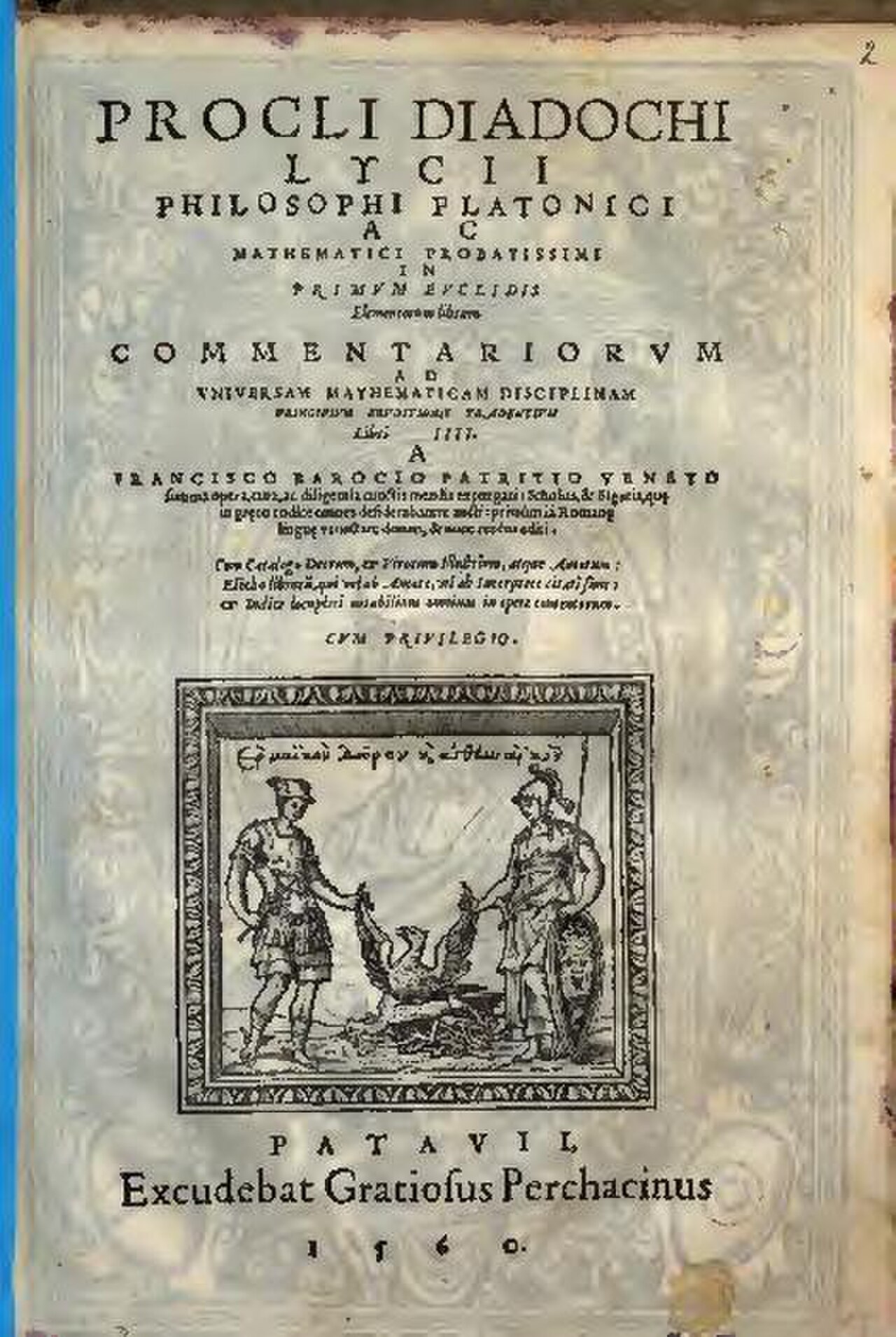
Politics
Aristotle · 4th century BCE
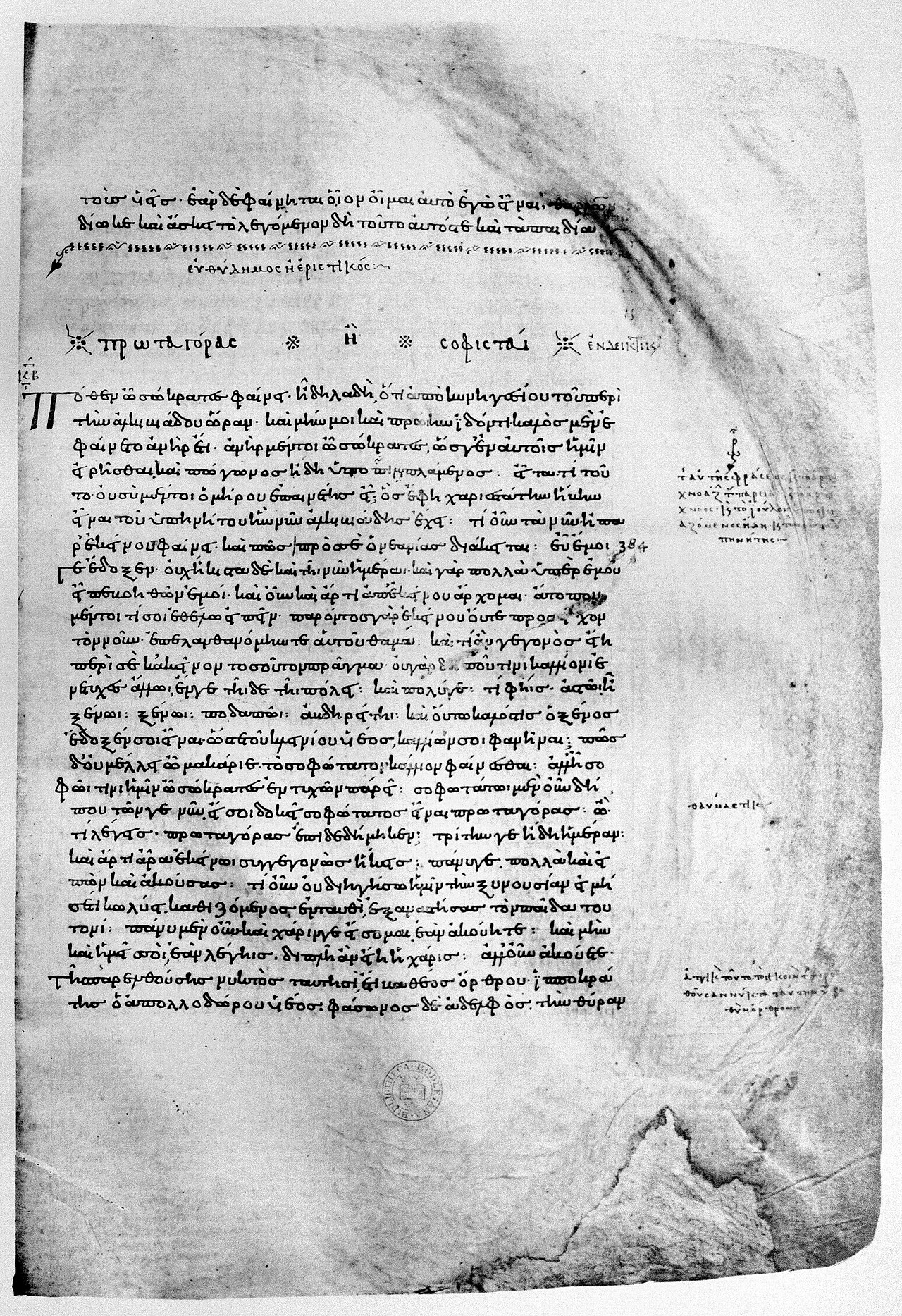
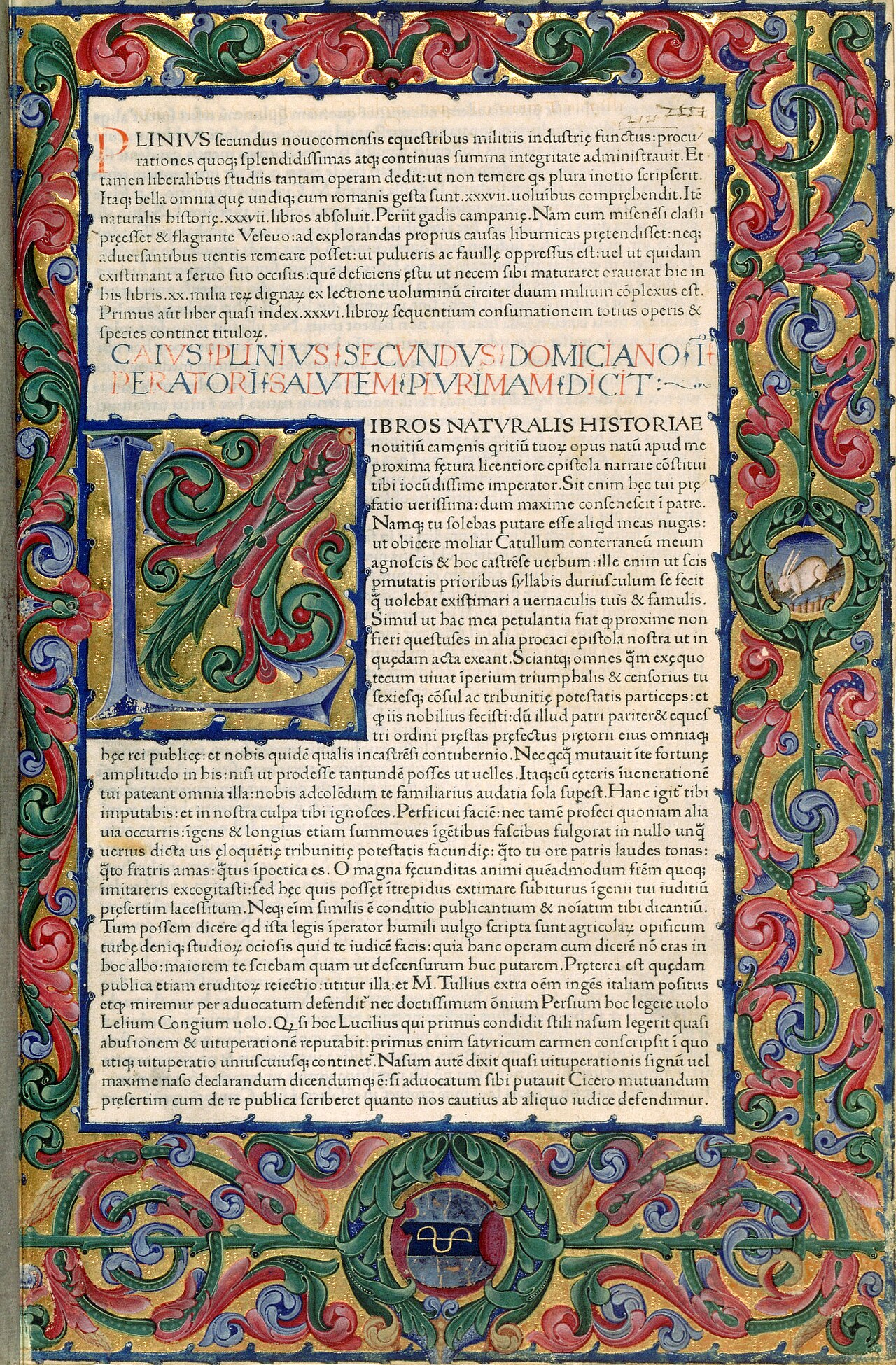
Free account
Read every Thales of Miletus source
Sign up free →
Ready when you are
Start chatting with Thales of Miletus now.
20 messages free · No credit card · Available in 50+ languages.