


Primary sourceDocument1917
Third Class in Indian Railways
Mahatma Gandhi · 1917
Gandhi's 1917 pamphlet describing the conditions he observed while travelling third class on Indian trains.
Gandhi's own account of travelling third class, showing his early identification with ordinary Indians.
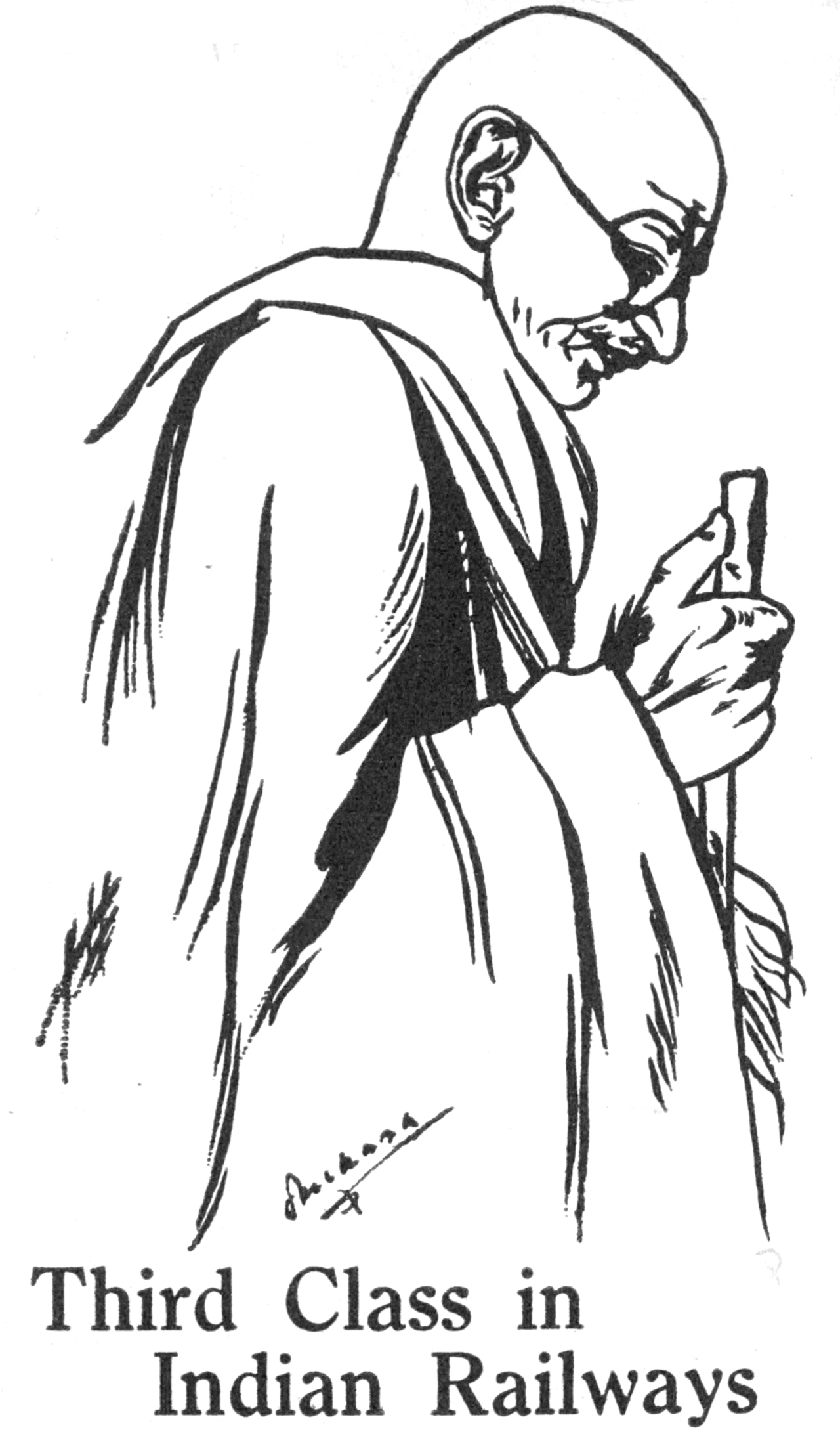
About this source
What it is
This is a pamphlet written by Mahatma Gandhi in 1917, describing his observations of third-class train travel across India after his return from South Africa. The cover shows an ink drawing of Gandhi leaning on a staff, with his signature.
Why it matters
Gandhi explains he chose to travel third class deliberately, to study the conditions ordinary Indians faced, and had already written to railway managements about problems he saw. The pamphlet shows his early method of using personal experience and direct observation to call for public reform, years before his famous independence campaigns.
Look closer
- Why might Gandhi choose to travel third class rather than in more comfortable conditions?
- What does his careful recording of numbers (like fares and passenger counts) tell us about his approach?
- What is Gandhi trying to persuade his readers to do?
This document is part of the curated material that grounds the AI version of Mahatma Gandhi on Humy.ai — when students ask about related events, the AI can quote it and cite it.
More Mahatma Gandhi sources
Meet the AI Mahatma Gandhi →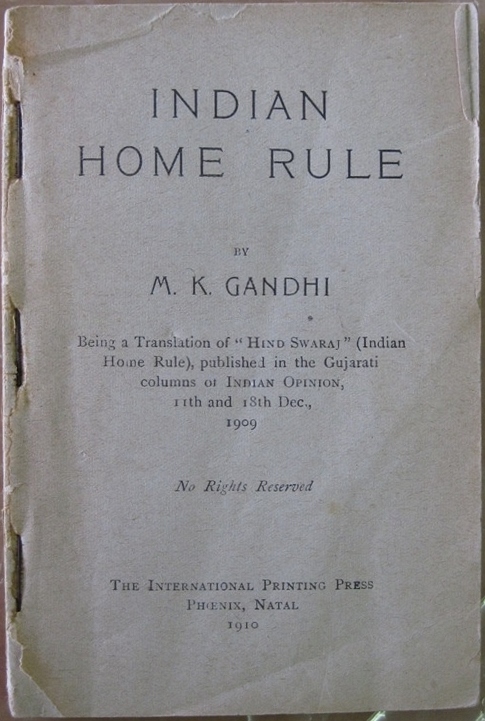 Book
Primary source
Hind Swaraj
Mahatma Gandhi · 1909
 Speech
Primary source
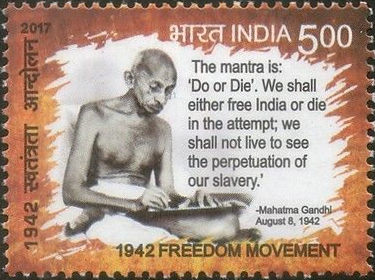
Quit India speech
Mahatma Gandhi · 8 August 1942
 Document
Primary source
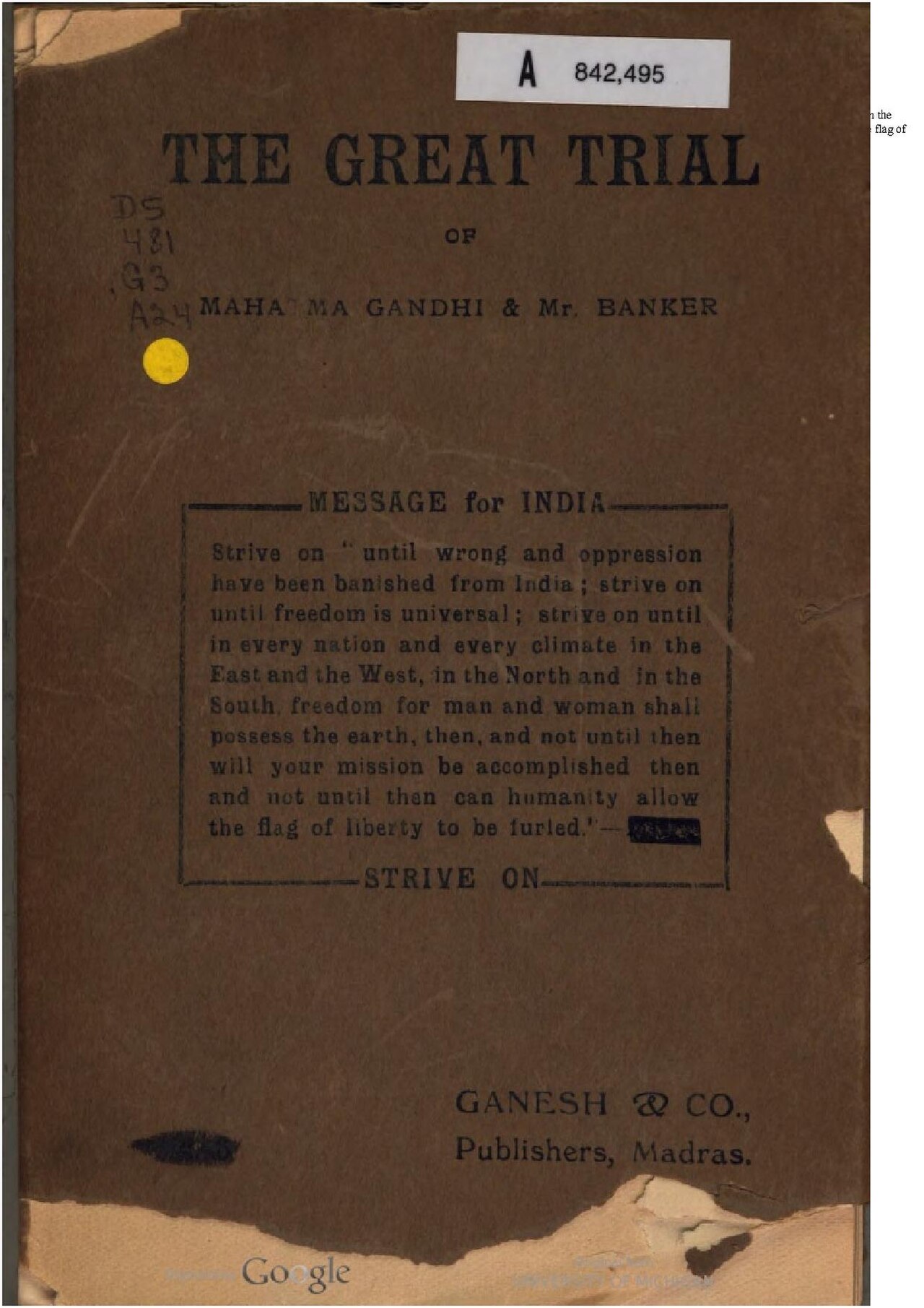
Great Trial of 1922
March 1922
 Photograph
Primary source
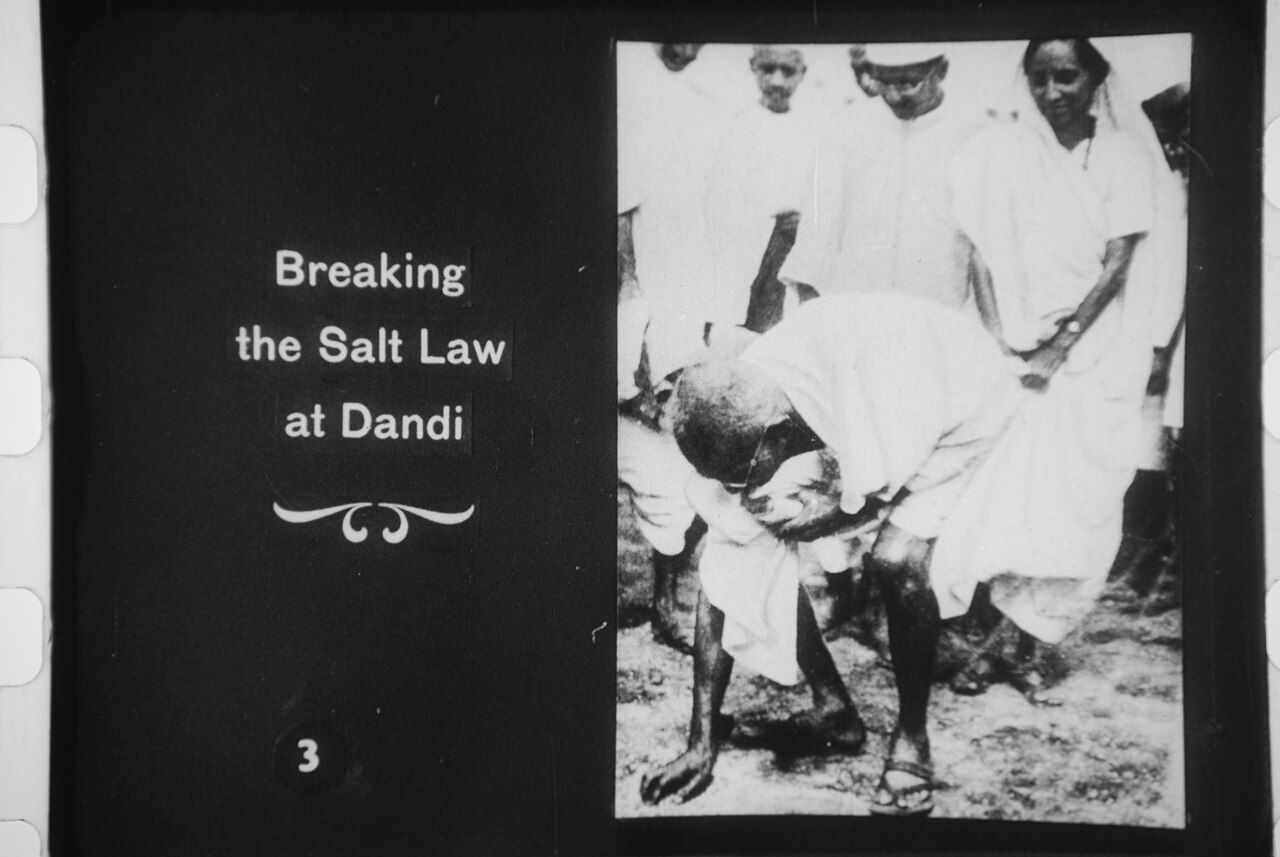
Photograph of Gandhi picking up salt at Dandi
Unknown press photographer · 6 April 1930
Primary source
Spiritual Message to the World
Mohandas K. Gandhi · 17 October 1931
Ready when you are
Start chatting with Mahatma Gandhi now.
20 messages free · No credit card · Available in 50+ languages.