


Primary sourceLetterlate 1st century AD
Third Epistle of John
John the Presbyter · late 1st century AD
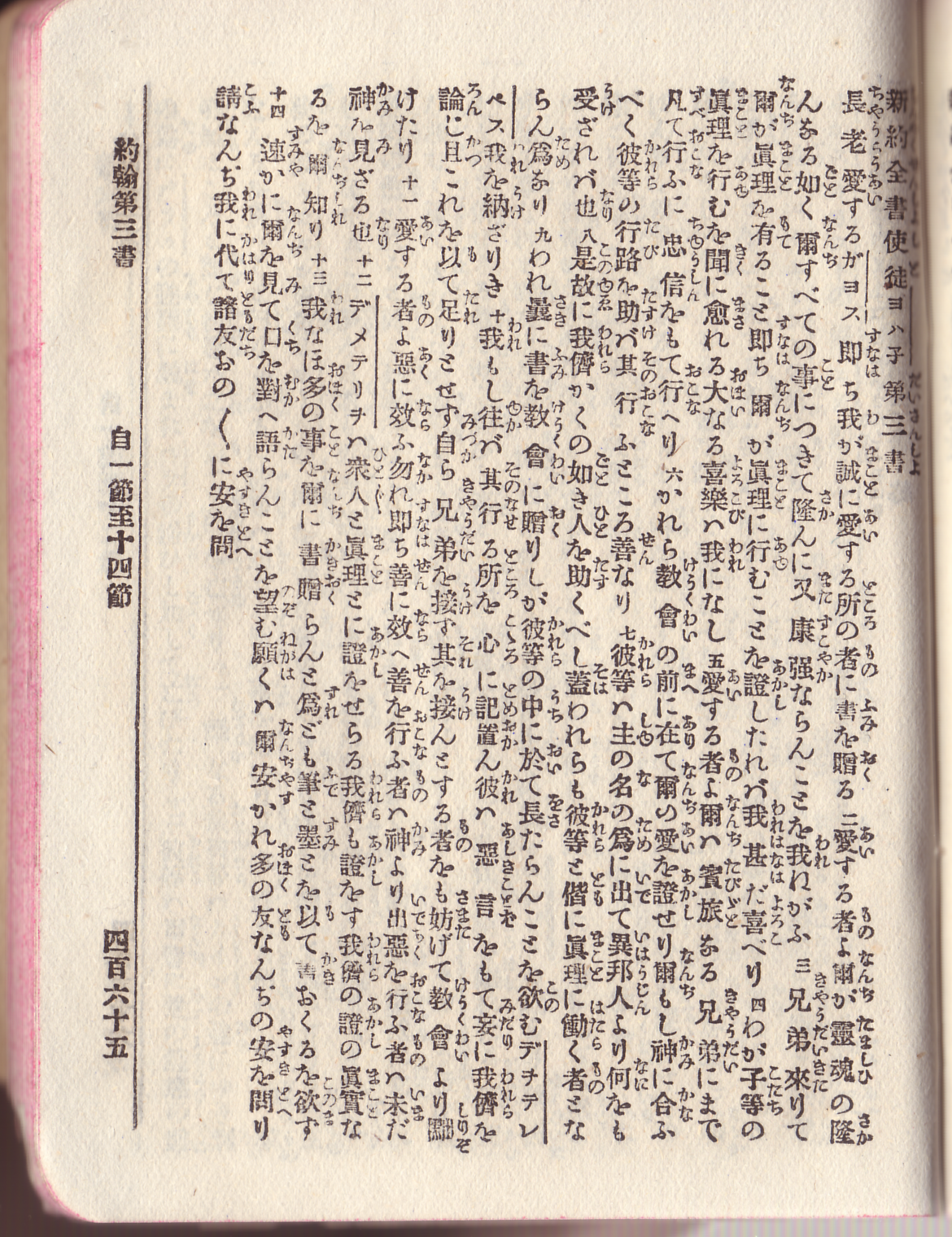
A short, personal New Testament letter from 'the Elder' to Gaius, traditionally attributed to John the Apostle, about hospitality and church conflict.
Traditionally ascribed to John the Apostle, this personal letter to Gaius is central to debates about his identity as 'the Elder.'
About this source
What it is
The Third Epistle of John is the shortest book of the Bible by word count, a personal letter from an author calling himself "the elder" to a man named Gaius. It is traditionally attributed to John the Evangelist, though many scholars think its author may have been a separate figure, John the Presbyter. It was likely written near the end of the 1st century.
Why it matters
This letter gives a rare, personal glimpse into conflict and hospitality within an early Christian community. The Elder praises Gaius for welcoming traveling missionaries, and criticizes a man named Diotrephes who refuses to cooperate with him, showing that even the earliest churches dealt with disputes over leadership and authority.
- What does the letter's small, personal scale tell us about how early churches were organized?
- Why might the author avoid naming Jesus or Christ directly in this letter?
- What can we learn about Diotrephes and Gaius from only one side of the story?
This letter is part of the curated material that grounds the AI version of John the Apostle on Humy.ai — when students ask about related events, the AI can quote it and cite it.
More John the Apostle sources
Browse all 87 →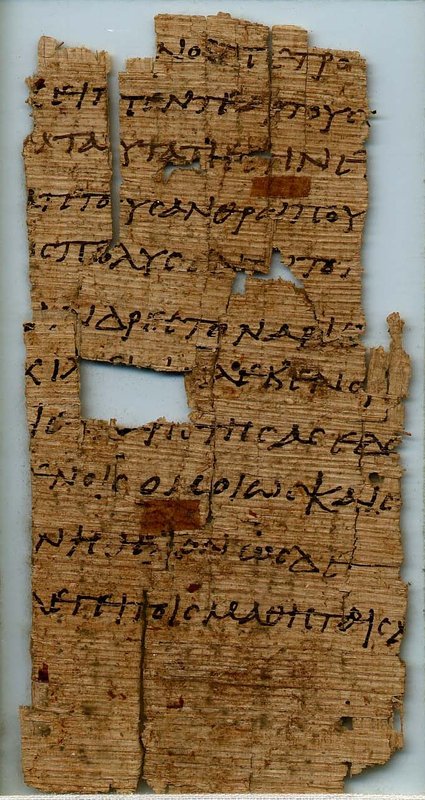 Book
Secondary source
Gospel of John
John the Evangelist · c. AD 90-100
 Book
Primary source
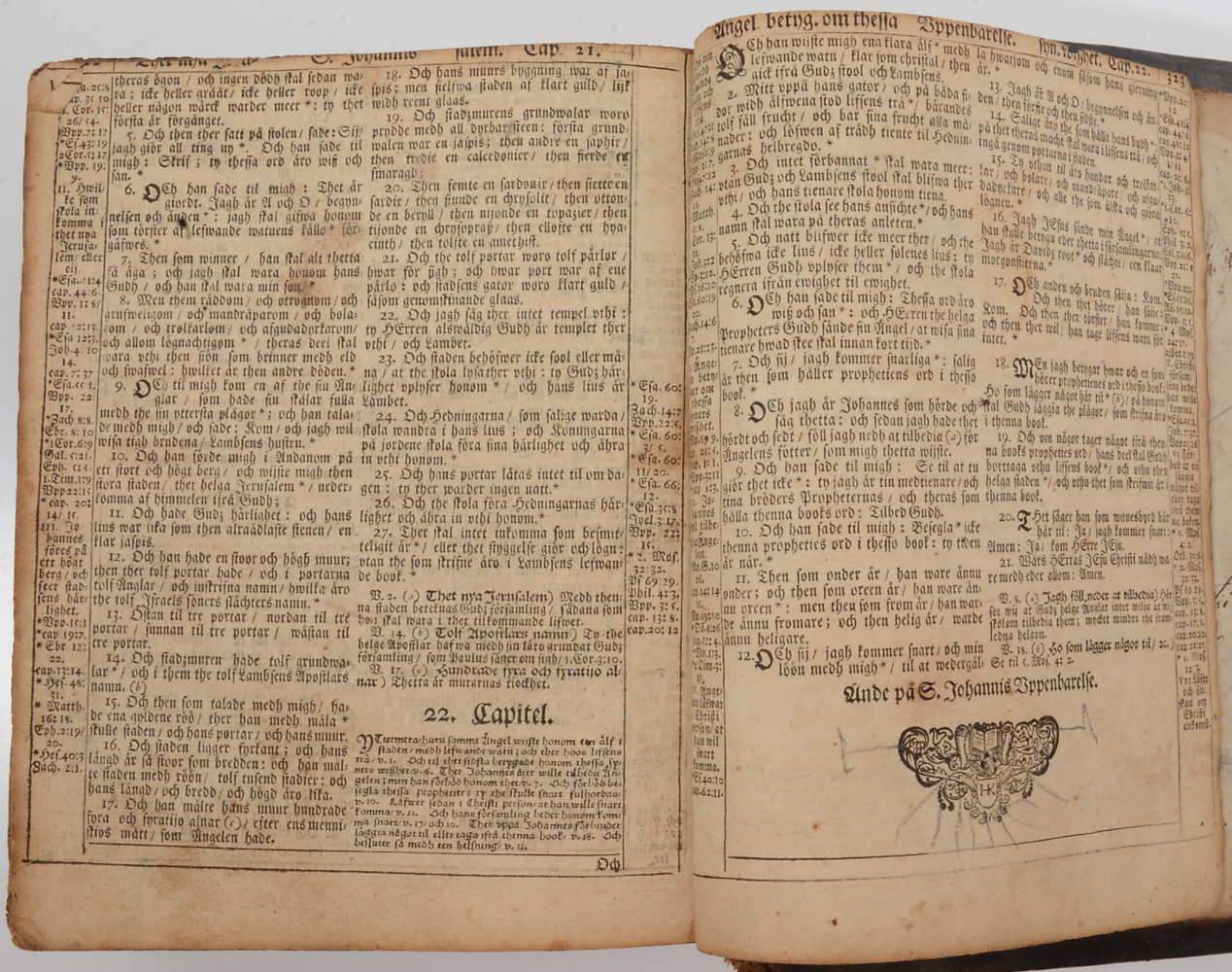
Book of Revelation
John of Patmos · c. 95 AD
 Letter
Secondary source
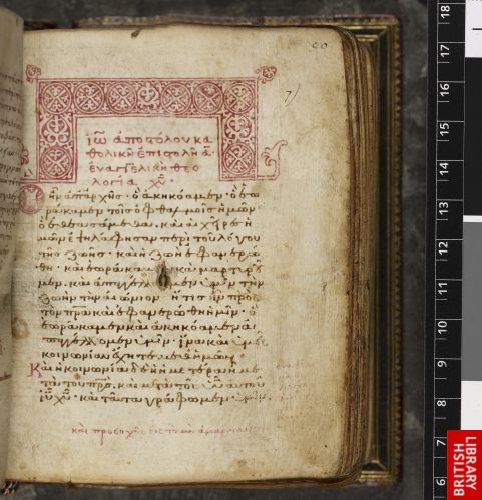
First Epistle of John
John the Presbyter · c. 95-110 AD
 Document
Secondary source
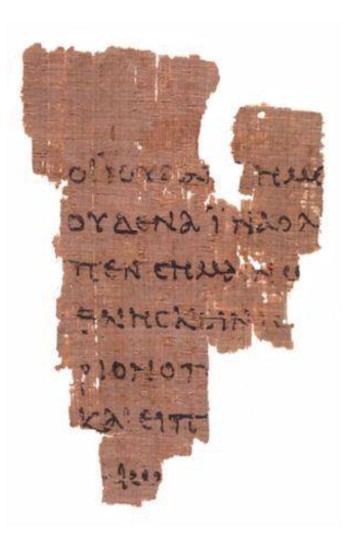
Rylands Library Papyrus P52
c. 125-175 AD
Free account
Read every John the Apostle source
Sign up free →
Ready when you are
Start chatting with John the Apostle now.
20 messages free · No credit card · Available in 50+ languages.