


Primary sourceArtifact1809
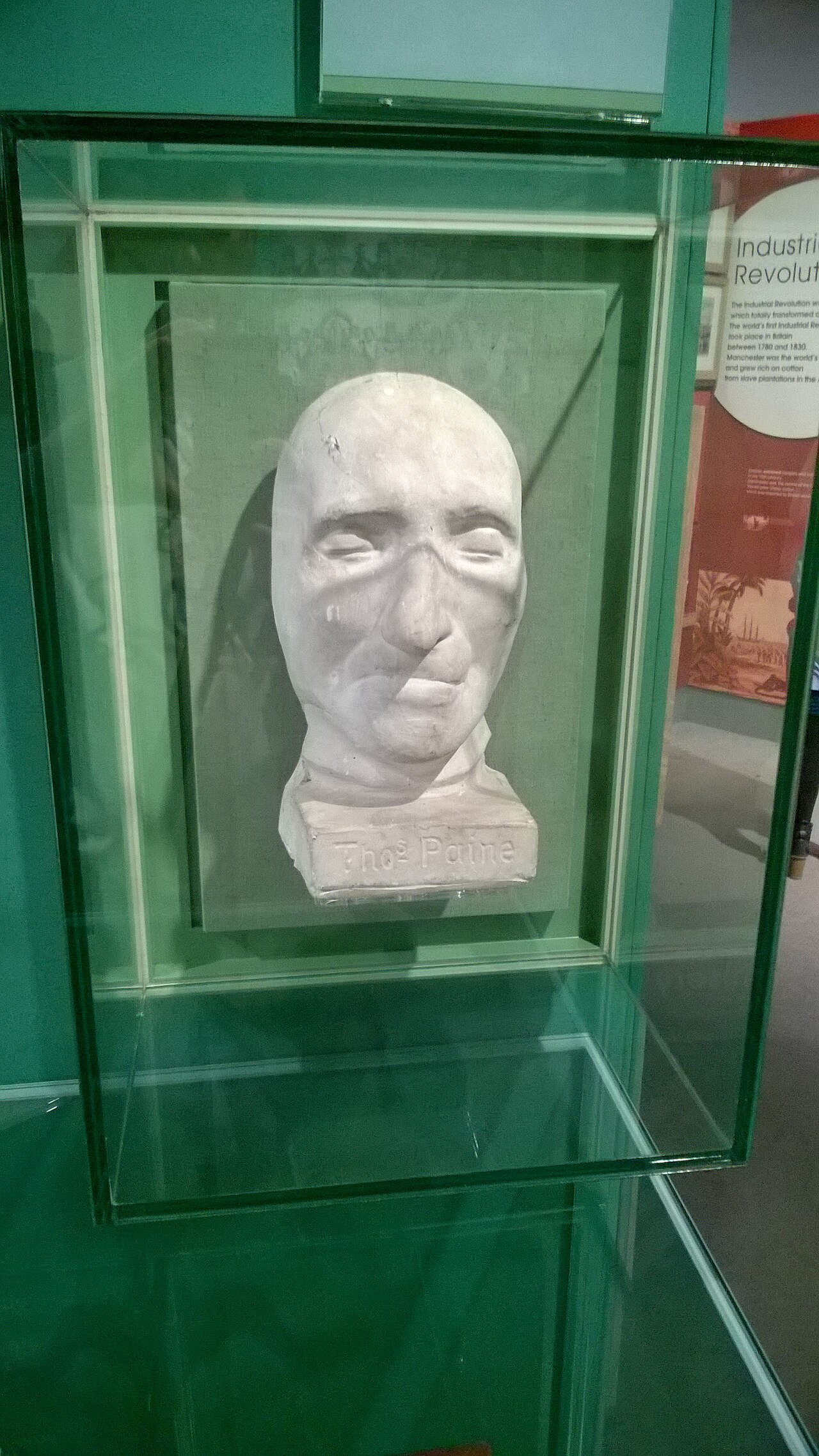
Thomas Paine death mask
Hammersfan · 1809
A plaster death mask taken from Thomas Paine's face after his death in 1809, now displayed in Britain's People's History Museum.
This death mask was cast directly from Paine's face after his death, a physical trace of the man himself.
About this source
What it is
This plaster death mask was cast from Thomas Paine's face in 1809, preserving his actual features at death. It is displayed in the People's History Museum, a British museum dedicated to radical and working-class history.
Why it matters
Death masks were a common way of recording a person's likeness before photography. That Paine's mask survives, and is displayed in a museum devoted to radical history, reflects his lasting importance as a figure of political radicalism, even though he died largely shunned in his own time.
Look closer
- Why might someone have wanted to preserve an exact cast of Paine's face after death?
- What does the choice to display this mask in a museum of radical history suggest about how Paine is remembered today?
- What can—and can't—a death mask tell us about a person's life?
This artifact is part of the curated material that grounds the AI version of Thomas Paine on Humy.ai — when students ask about related events, the AI can quote it and cite it.
More Thomas Paine sources
Meet the AI Thomas Paine →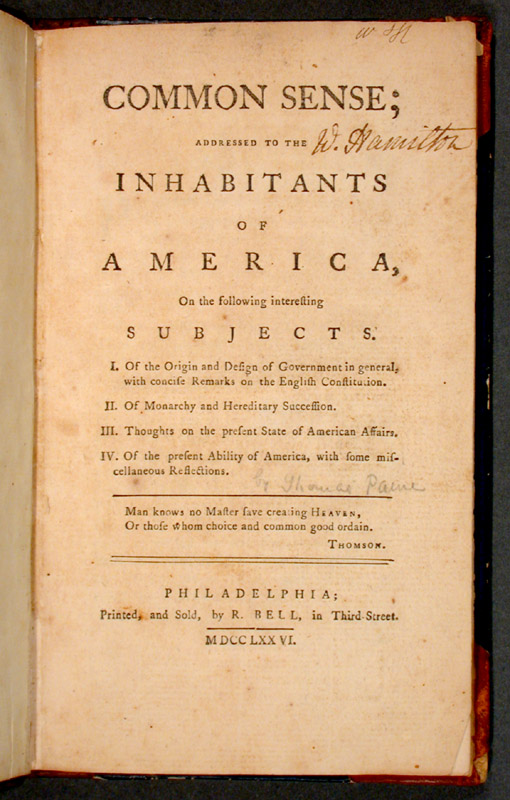 Book
Primary source
Common Sense
Thomas Paine · 10 January 1776
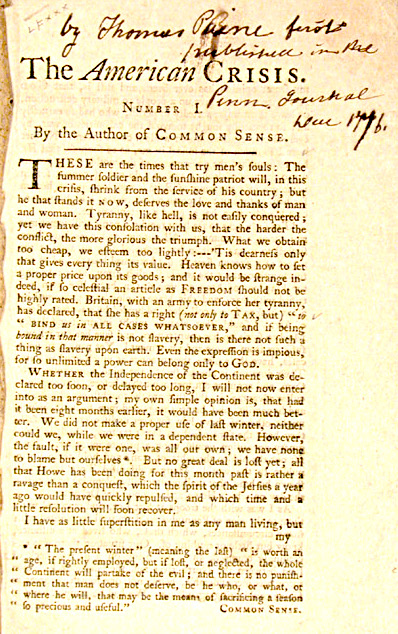 Book
Primary source
The American Crisis
Thomas Paine · 1776-1783
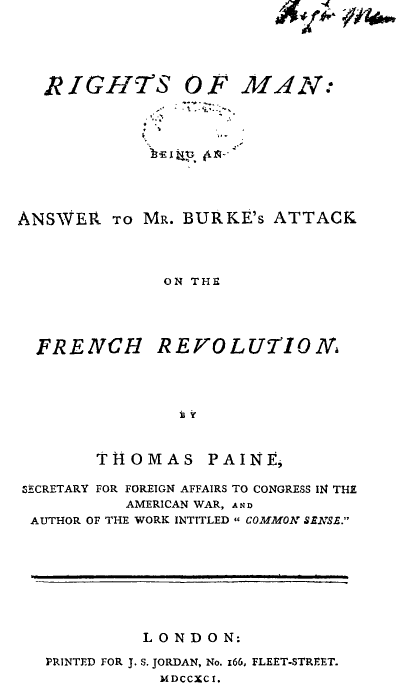 Book
Primary source
Rights of Man
Thomas Paine · 1791-1792
 Book
Primary source
The Age of Reason
Thomas Paine · 1794-1807
 Document
Primary source
Declaration of Independence
Continental Congress (drafted by Thomas Jefferson) · 1776
Ready when you are
Start chatting with Thomas Paine now.
20 messages free · No credit card · Available in 50+ languages.