


Primary sourcePainting20 April 1793
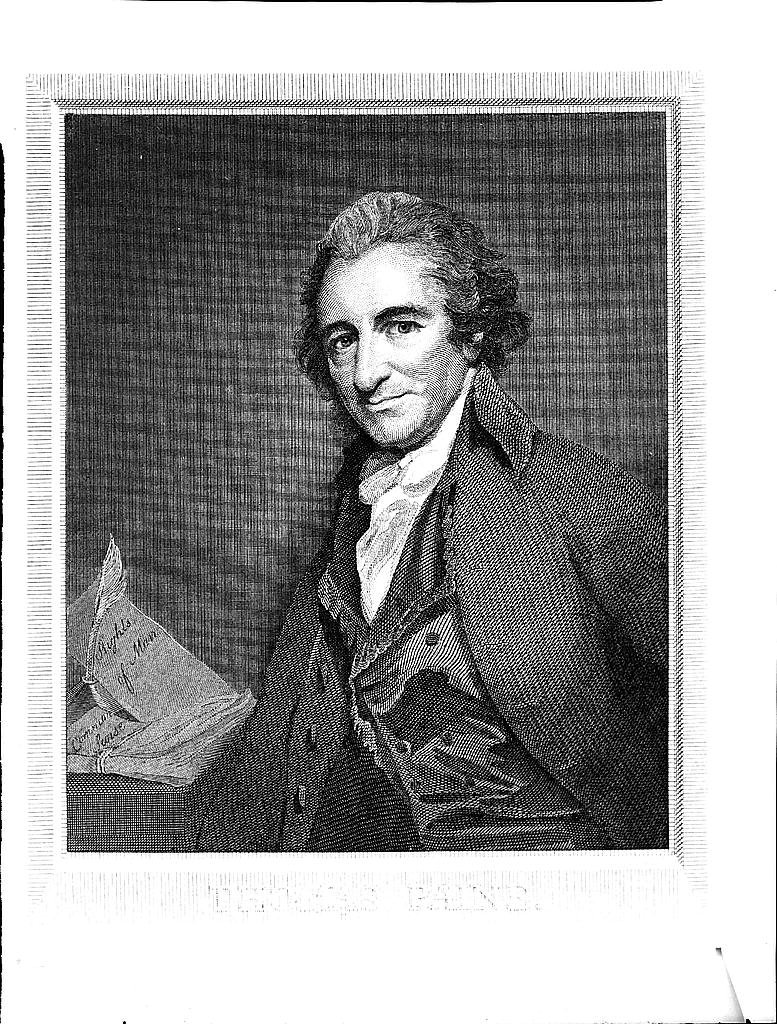
Thomas Paine Half-Length Portrait Engraved by William Sharp
William Sharp, after George Romney · 20 April 1793
An engraving of Thomas Paine made in 1793 from a painting by George Romney, published during Paine's lifetime.
This widely circulated engraving linked Paine's image directly to his famous work Rights of Man.
About this source
What it is
This is an engraving by William Sharp, published in London on 20 April 1793, based on a painting by George Romney. It shows Paine half-length, facing left, with his hand resting on a sheet labelled 'Rights of Man'.
Why it matters
Made while Paine was alive and widely known for his pamphlet Rights of Man, this engraving helped spread a recognizable image of him to the public. The collaboration of two established artists, Romney and Sharp, shows that Paine had become a figure important enough to be formally portrayed and mass-reproduced.
Look closer
- Why might the engraver choose to include the words 'Rights of Man' in the image?
- What does the formal pose suggest about how Paine wanted to be remembered?
- How does an engraving differ from a painting in how widely it could be seen?
This painting is part of the curated material that grounds the AI version of Thomas Paine on Humy.ai — when students ask about related events, the AI can quote it and cite it.
More Thomas Paine sources
Meet the AI Thomas Paine →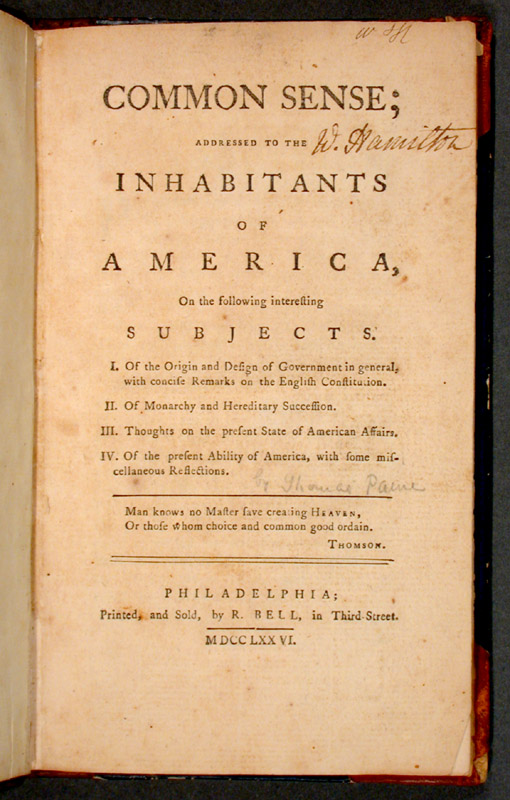 Book
Primary source
Common Sense
Thomas Paine · 10 January 1776
 Book
Primary source
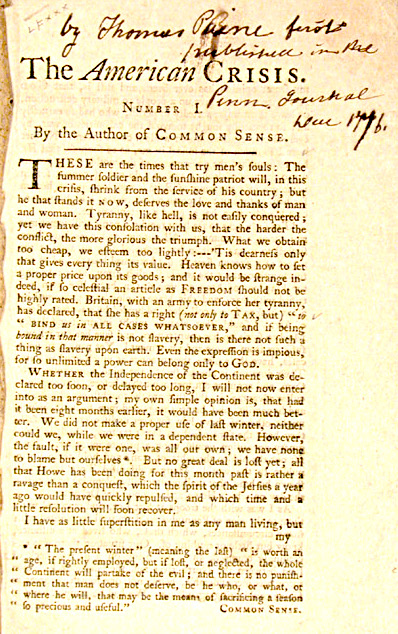
The American Crisis
Thomas Paine · 1776-1783
 Book
Primary source
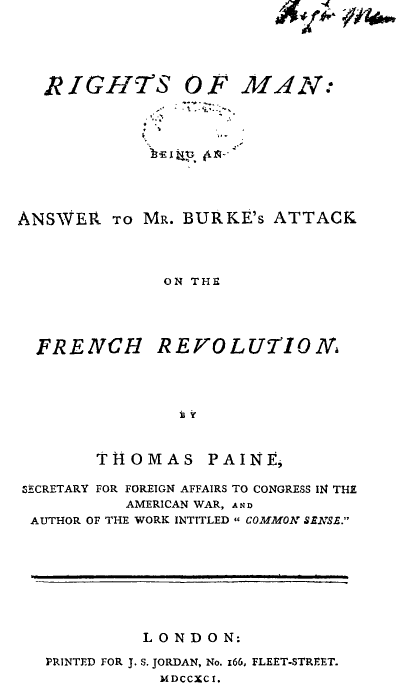
Rights of Man
Thomas Paine · 1791-1792
 Book
Primary source
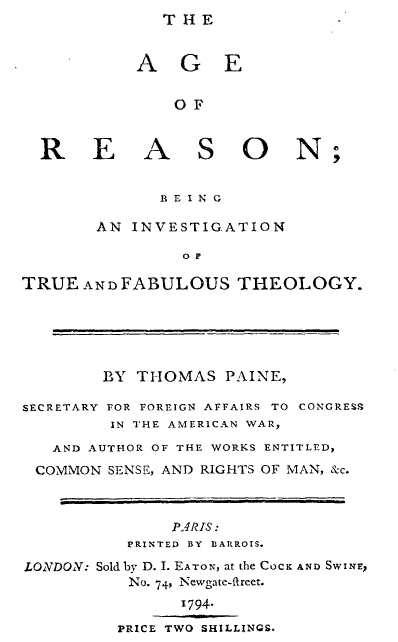
The Age of Reason
Thomas Paine · 1794-1807
 Document
Primary source
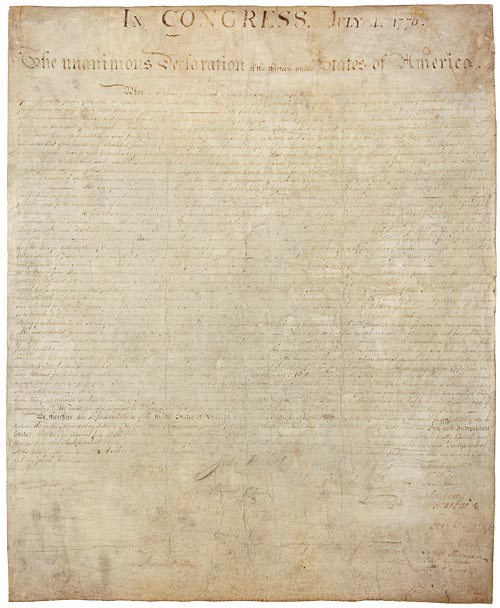
Declaration of Independence
Continental Congress (drafted by Thomas Jefferson) · 1776
Ready when you are
Start chatting with Thomas Paine now.
20 messages free · No credit card · Available in 50+ languages.