


Primary sourcePaintingc. 1500-1505
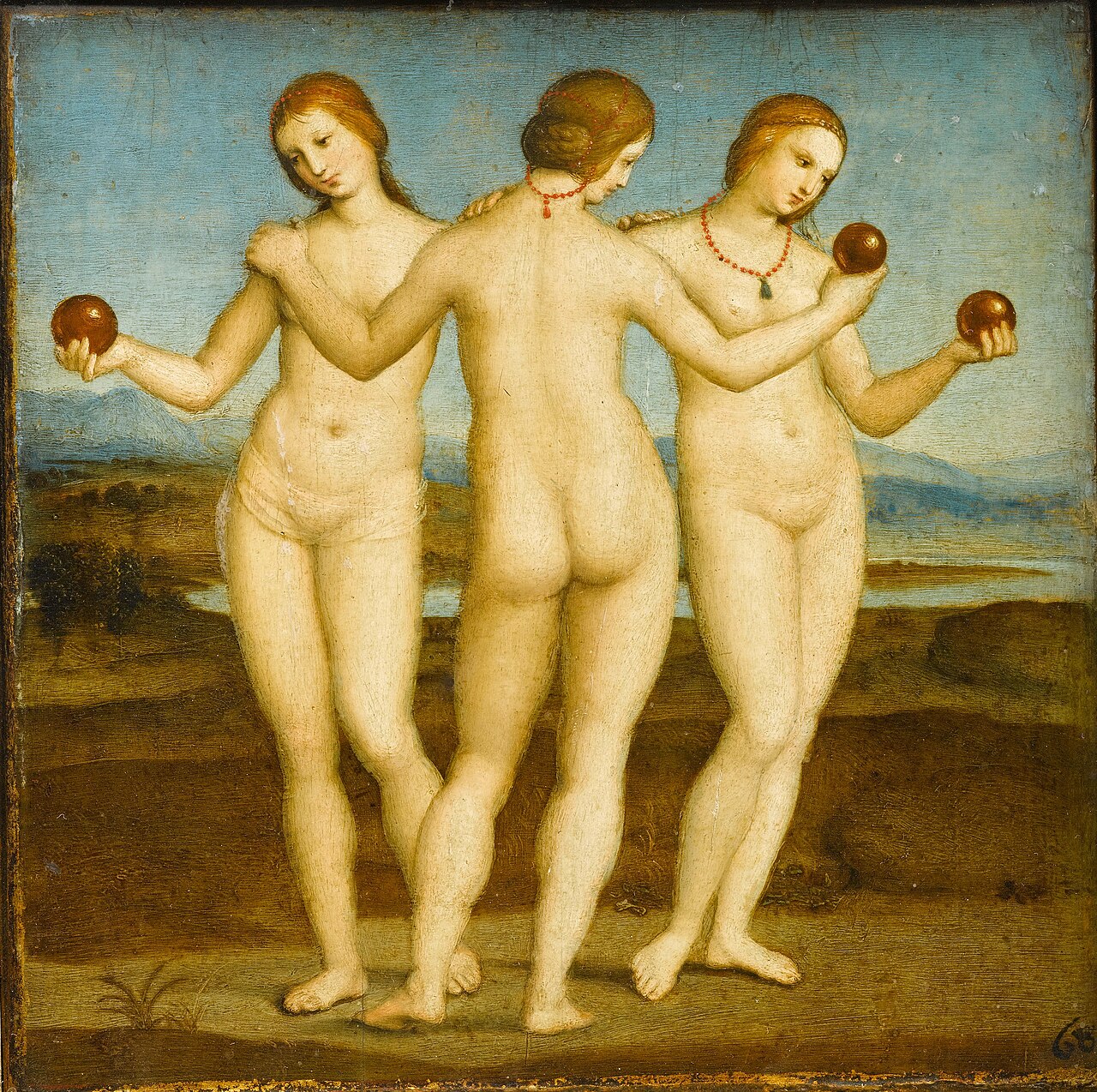
Three Graces
Raphael · c. 1500-1505
An early oil painting by Raphael depicting the three mythological Graces nude, inspired by classical sculpture.
An early work by Raphael showing his first depiction of the nude female form, reflecting his classical studies.
About this source
What it is
This small oil painting by Raphael shows three nude female figures representing the Graces of classical mythology. It was likely painted shortly after Raphael began studying with Pietro Perugino around 1500, and is now held by the Musée Condé in Chantilly, France.
Why it matters
This is thought to be the first time Raphael painted the nude female body from both front and back, showing his early engagement with classical art and sculpture. Scholars have long debated what inspired the composition — a Roman statue, a northern Italian painting tradition, or mythological themes like the story of Hercules and the golden apples — which shows how historians piece together meaning from incomplete evidence.
Look closer
- Why might an artist practise painting the same body from different angles in one picture?
- What do the fruits the women hold suggest about the painting's meaning?
- How might this small early work differ from the grand altarpieces Raphael later painted?
This painting is part of the curated material that grounds the AI version of Raphael on Humy.ai — when students ask about related events, the AI can quote it and cite it.
More Raphael sources
Meet the AI Raphael →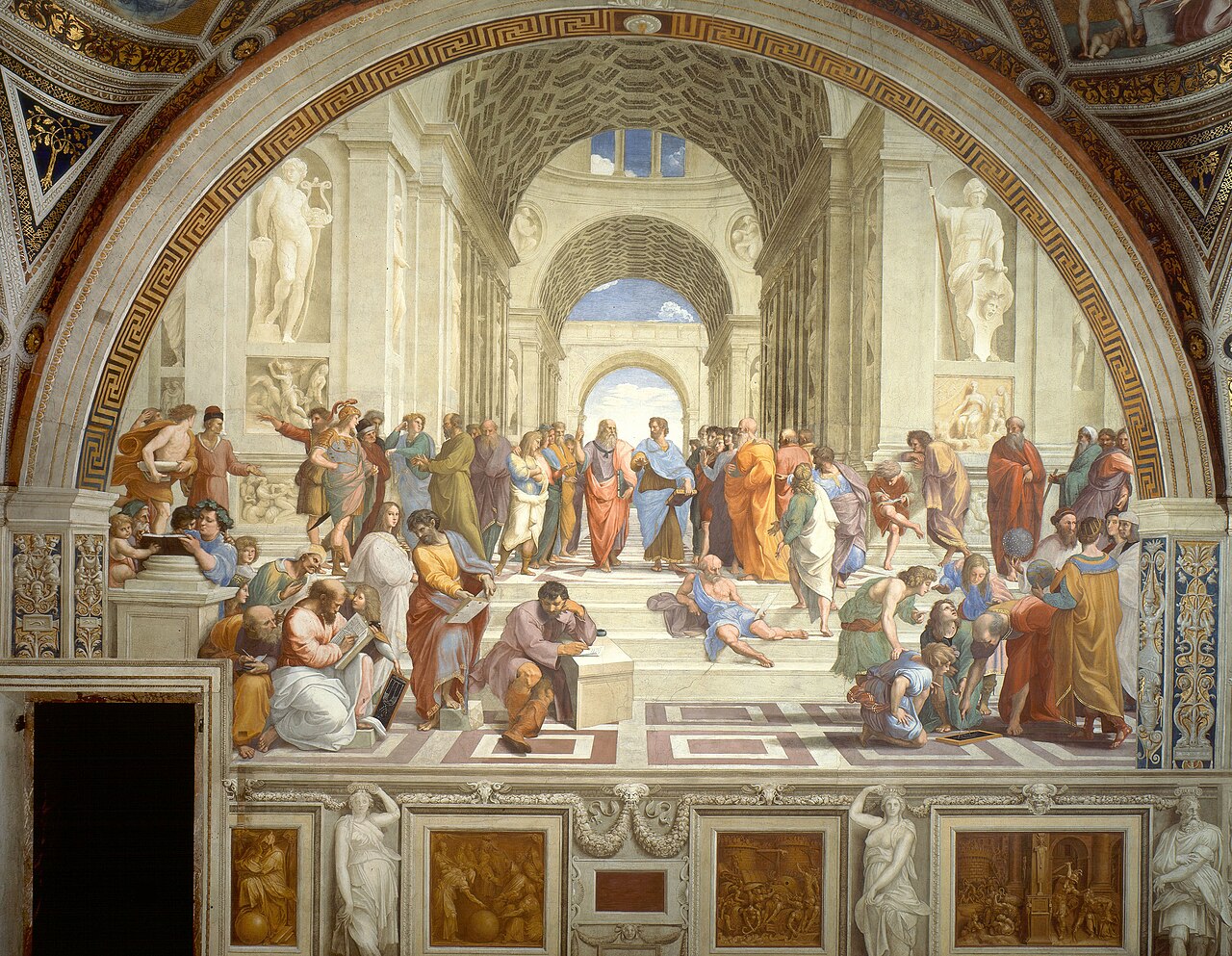 Painting
Secondary source
The School of Athens
Raphael · 1509-1511
 Painting
Secondary source
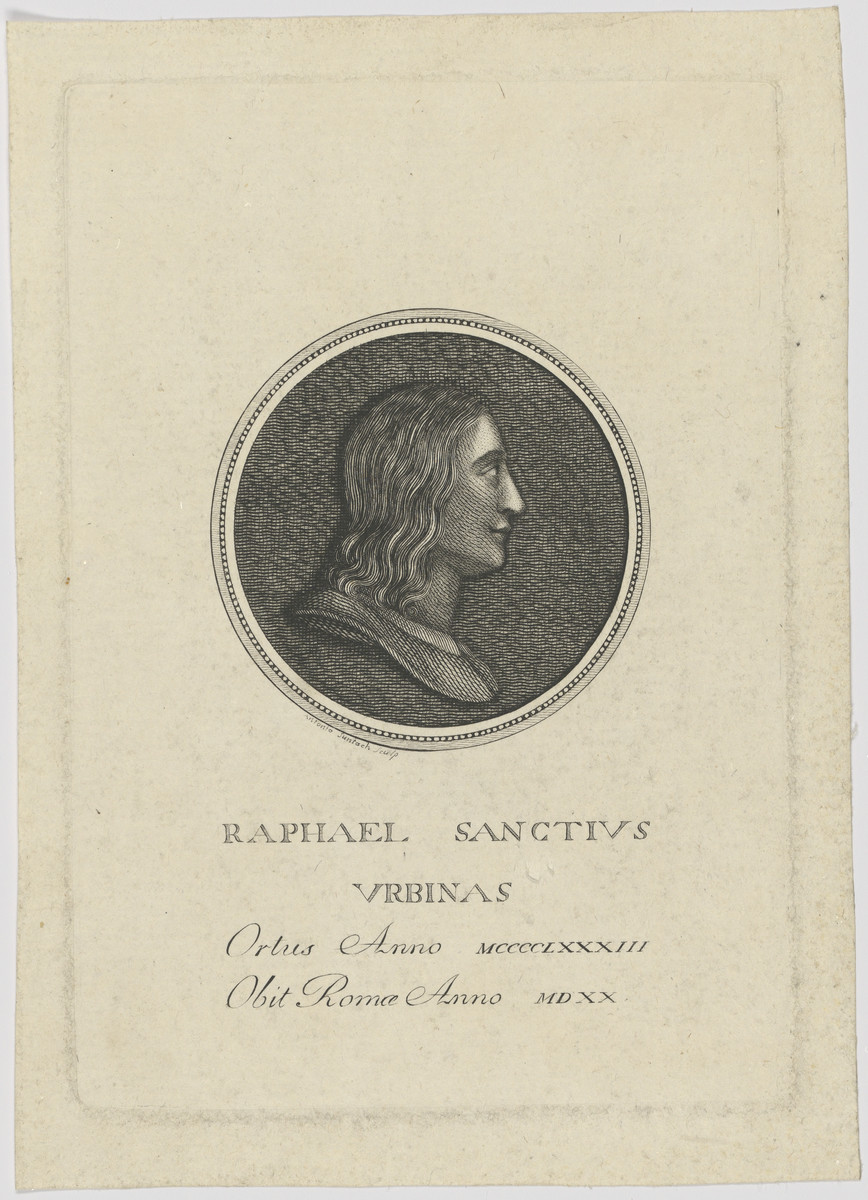
Portrait of Raphael Sanctive
Antonio Suntach
 Painting
Secondary source
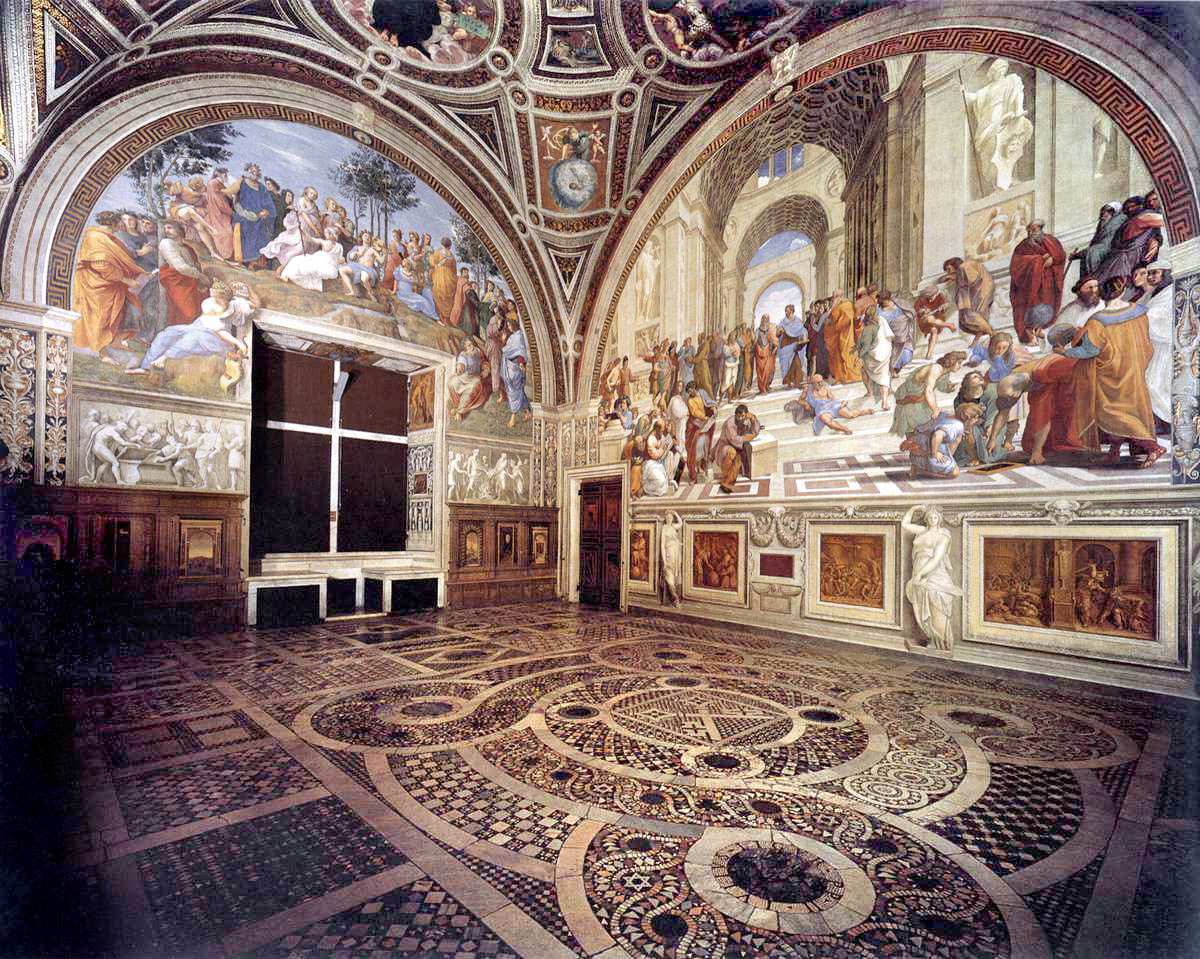
Raphael Rooms: Sala di Costantino
Raphael · 1508-1524
 Photograph
Secondary source
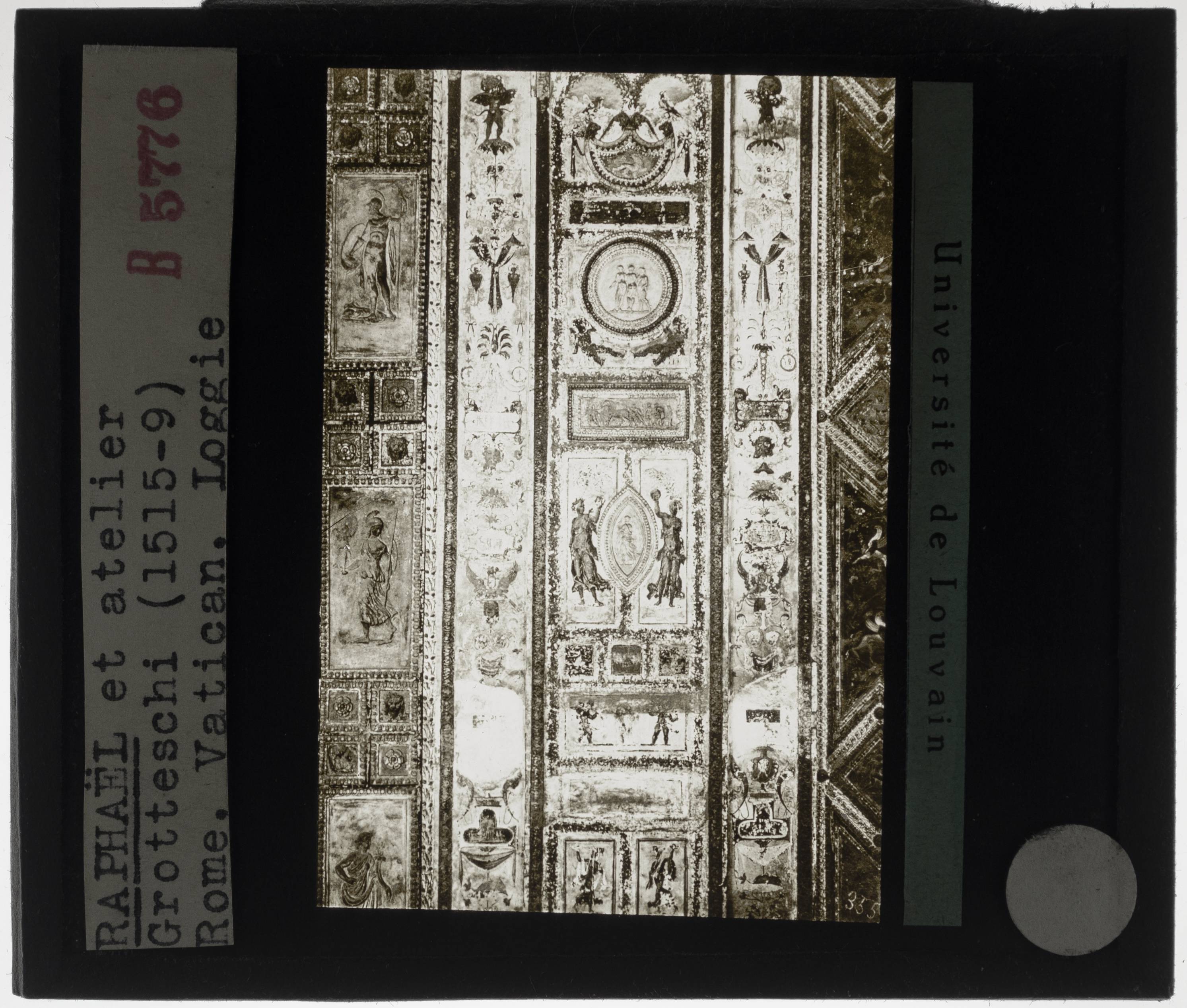
Glass Slide of Raphael's Grotesques in the Vatican
Raphael · 1518-1519 (fresco); slide made 1839-1939
 Painting
Primary source
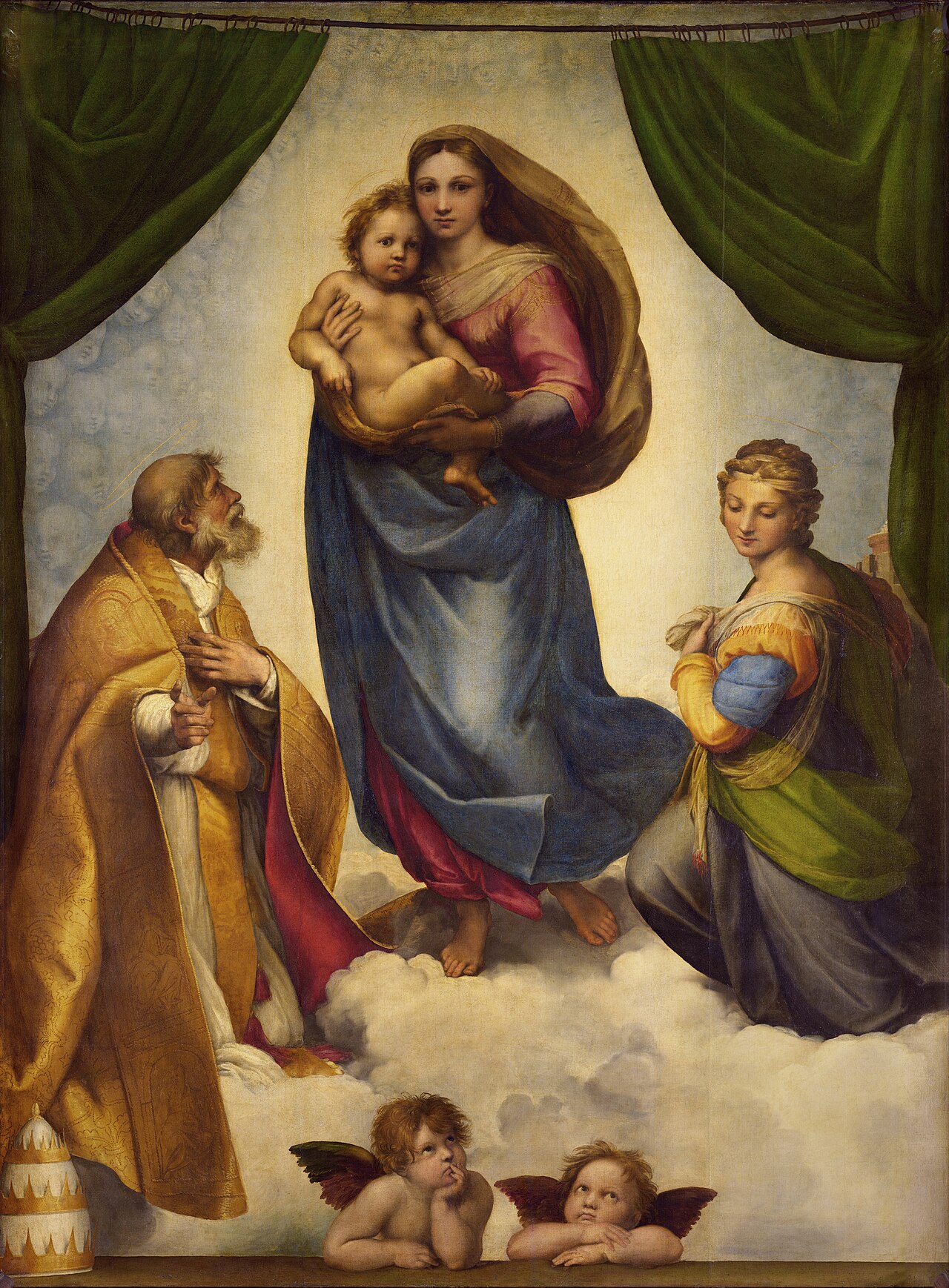
Sistine Madonna
Raphael · c. 1513-1514
Ready when you are
Start chatting with Raphael now.
20 messages free · No credit card · Available in 50+ languages.