


Primary sourceBook
Threnody
Ralph Waldo Emerson
Emerson's elegy for his young son Waldo, who died in childhood, and his most personal poem of grief.
Emerson's own elegy for his son, revealing the personal grief behind his philosophy.
About this source
What it is
"Threnody" is a poem written by Ralph Waldo Emerson mourning the death of his son Waldo. It traces the poet's grief through the changing seasons and his sense of absence in his own home.
Why it matters
Unlike Emerson's more abstract philosophical writing, "Threnody" is intensely personal, showing the private cost behind the public philosopher. It gives students insight into how even a thinker famous for ideas about the eternal soul struggled directly with loss and mortality in his own life.
Look closer
- How does Emerson use images of nature—wind, trees, seasons—to express grief?
- What does the poem suggest about the limits of philosophy when facing personal loss?
- Why might a poet who wrote about an eternal "over-soul" also write so painfully about one small, lost life?
This book is part of the curated material that grounds the AI version of Ralph Waldo Emerson on Humy.ai — when students ask about related events, the AI can quote it and cite it.
More Ralph Waldo Emerson sources
Meet the AI Ralph Waldo Emerson →Primary source
Nature
Ralph Waldo Emerson · 1836
 Speech
Primary source
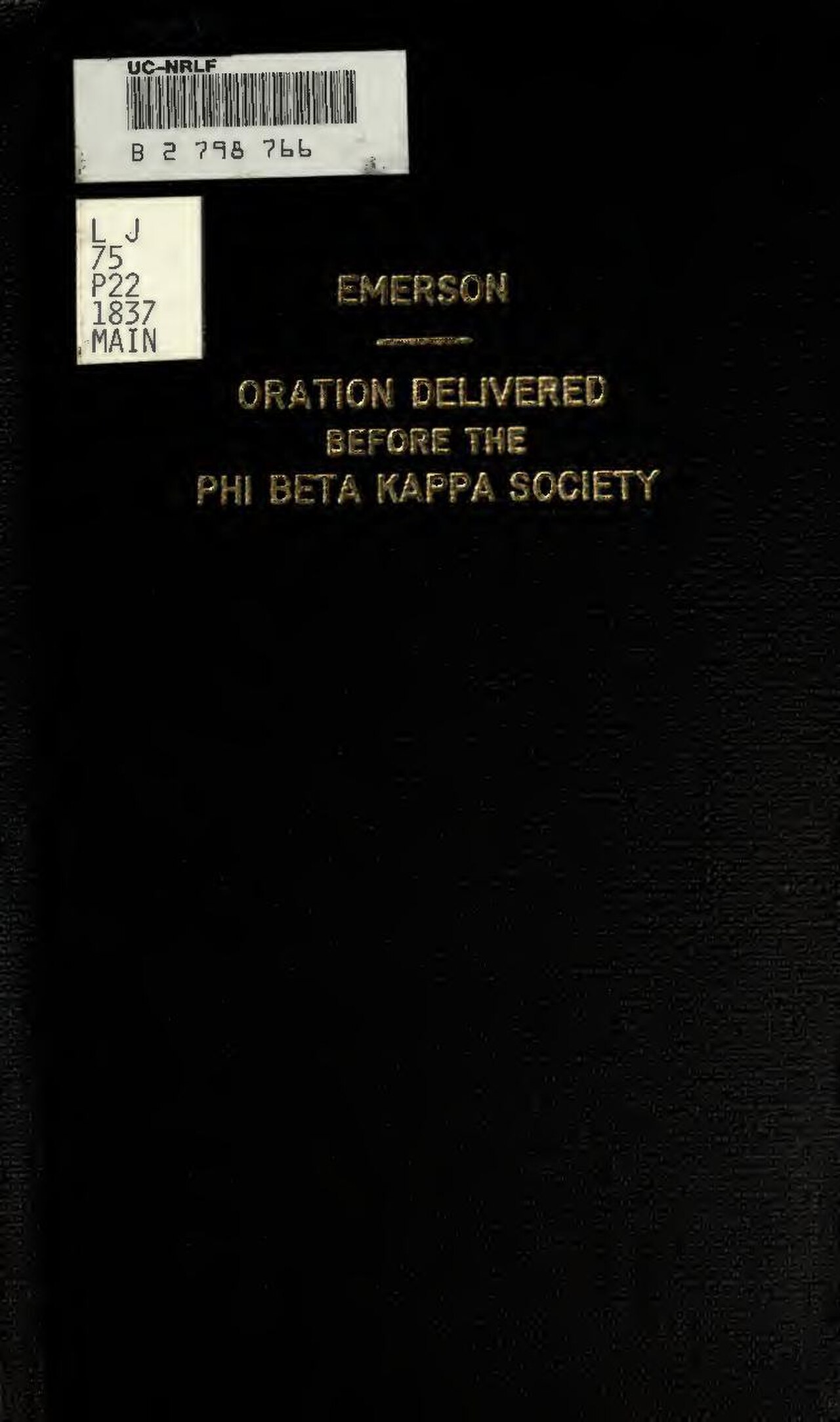
The American Scholar
Ralph Waldo Emerson · 31 August 1837
Primary source
Concord Hymn
Ralph Waldo Emerson · 1837, published 1847
Primary source
Essays: First Series
Ralph Waldo Emerson · 1841
 Letter
Primary source
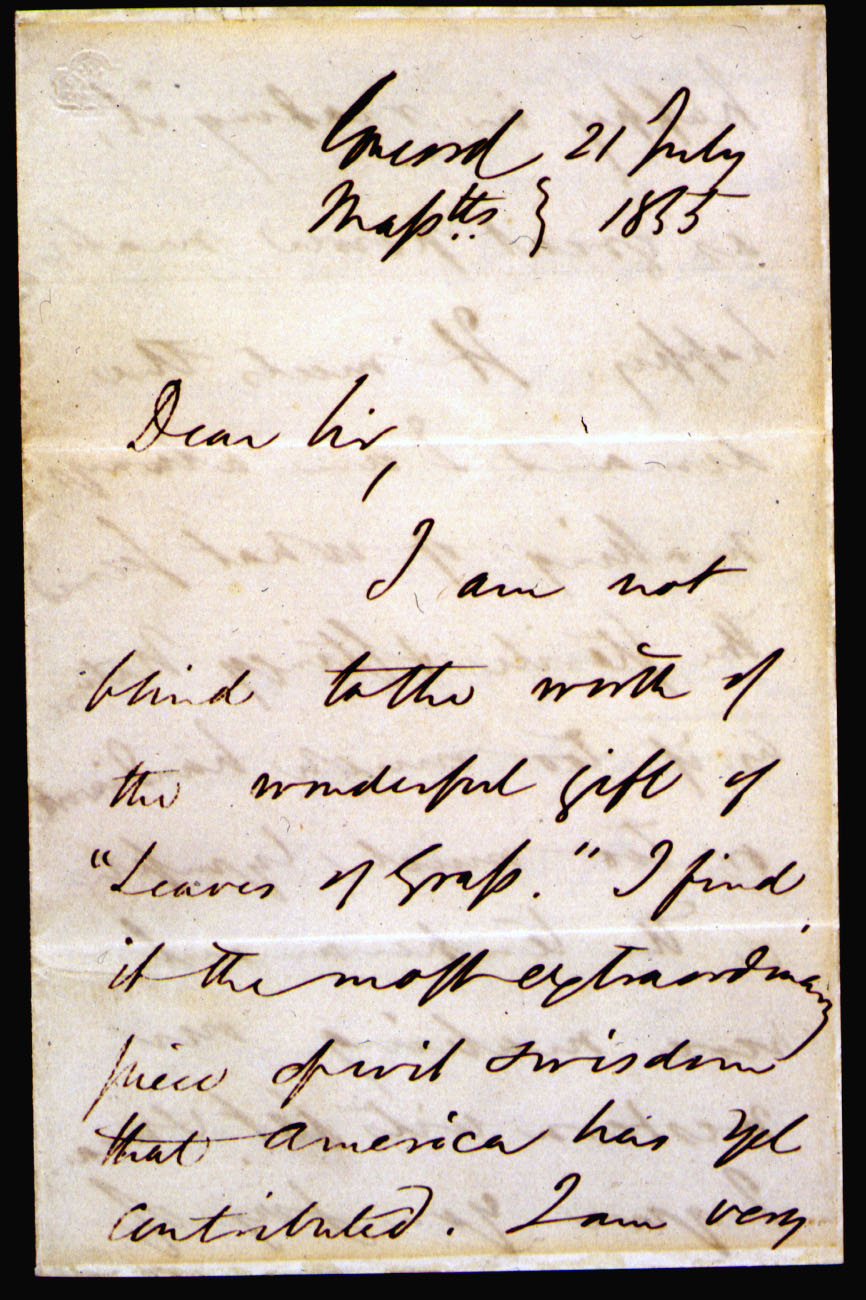
Emerson's Letter to Whitman
Ralph Waldo Emerson · 21 July 1855
Ready when you are
Start chatting with Ralph Waldo Emerson now.
20 messages free · No credit card · Available in 50+ languages.