


Primary sourceBook1620
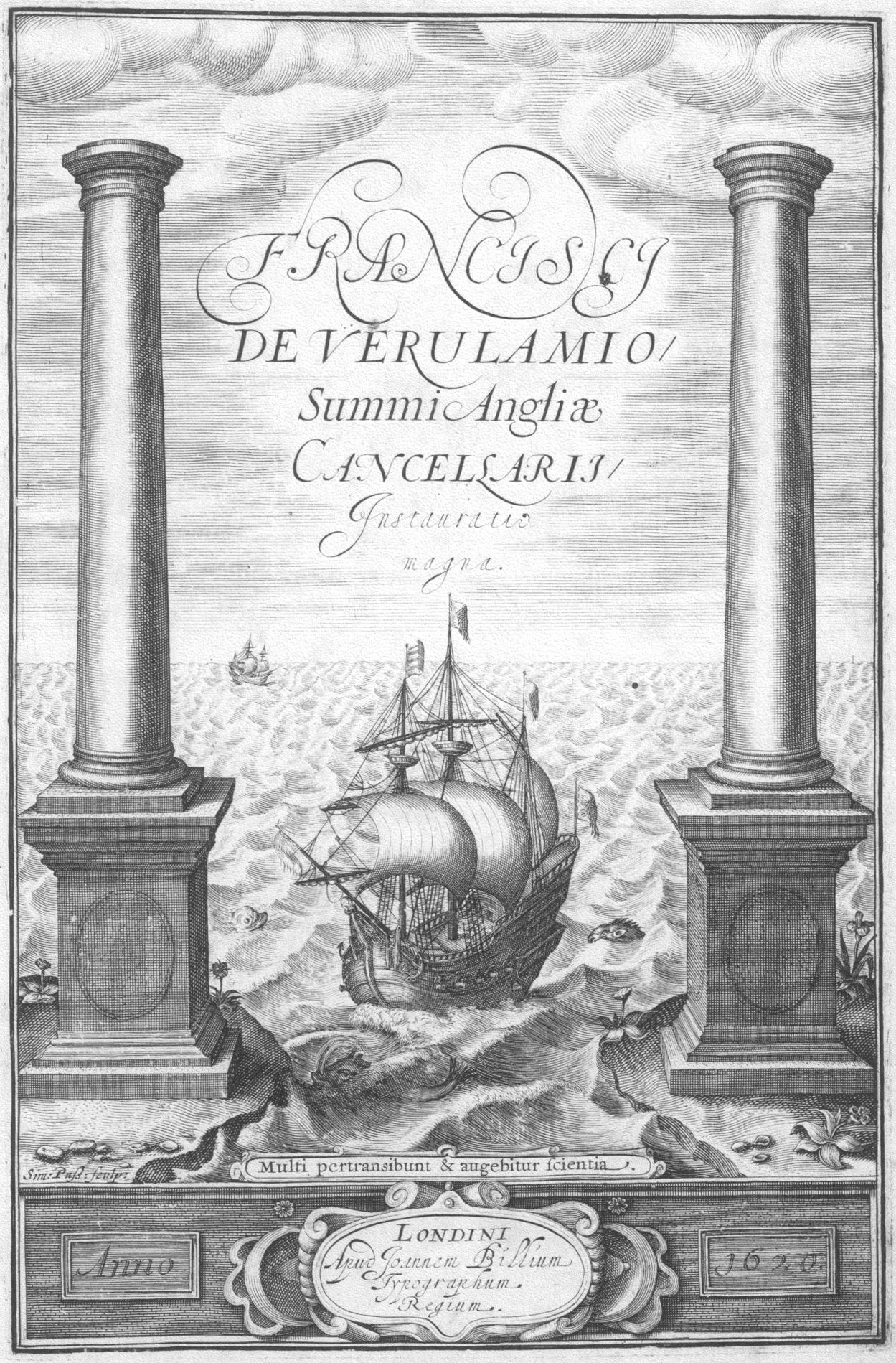
Title page of Instauratio Magna
Francis Bacon · 1620
The engraved title page of Bacon's 1620 work outlining his plan to reform natural philosophy, written by Bacon himself.
This is the title page of Bacon's own 1620 work laying out his program for reforming natural philosophy.
About this source
What it is
This is the engraved title page of Instauratio Magna, a major work by Francis Bacon published in 1620. The page names Bacon as 'Summi Angliae Cancellarii' (Lord Chancellor of England) and shows a ship sailing between two classical columns, printed in London.
Why it matters
This book set out Bacon's ambitious plan to rebuild human knowledge of the natural world on new foundations. The ship between the columns is a symbol of venturing beyond old limits, reflecting Bacon's belief that science should explore new ground much as sea voyages had opened new parts of the globe. It shows how Bacon saw himself as both statesman and philosopher of a new scientific age.
Look closer
- Why might Bacon have chosen a ship sailing past columns as his title-page image?
- What does listing his title as Lord Chancellor on a work of philosophy tell you about how he wanted to be seen?
- What does this image suggest about attitudes toward exploration and knowledge in this period?
This book is part of the curated material that grounds the AI version of Francis Bacon on Humy.ai — when students ask about related events, the AI can quote it and cite it.
More Francis Bacon sources
Meet the AI Francis Bacon →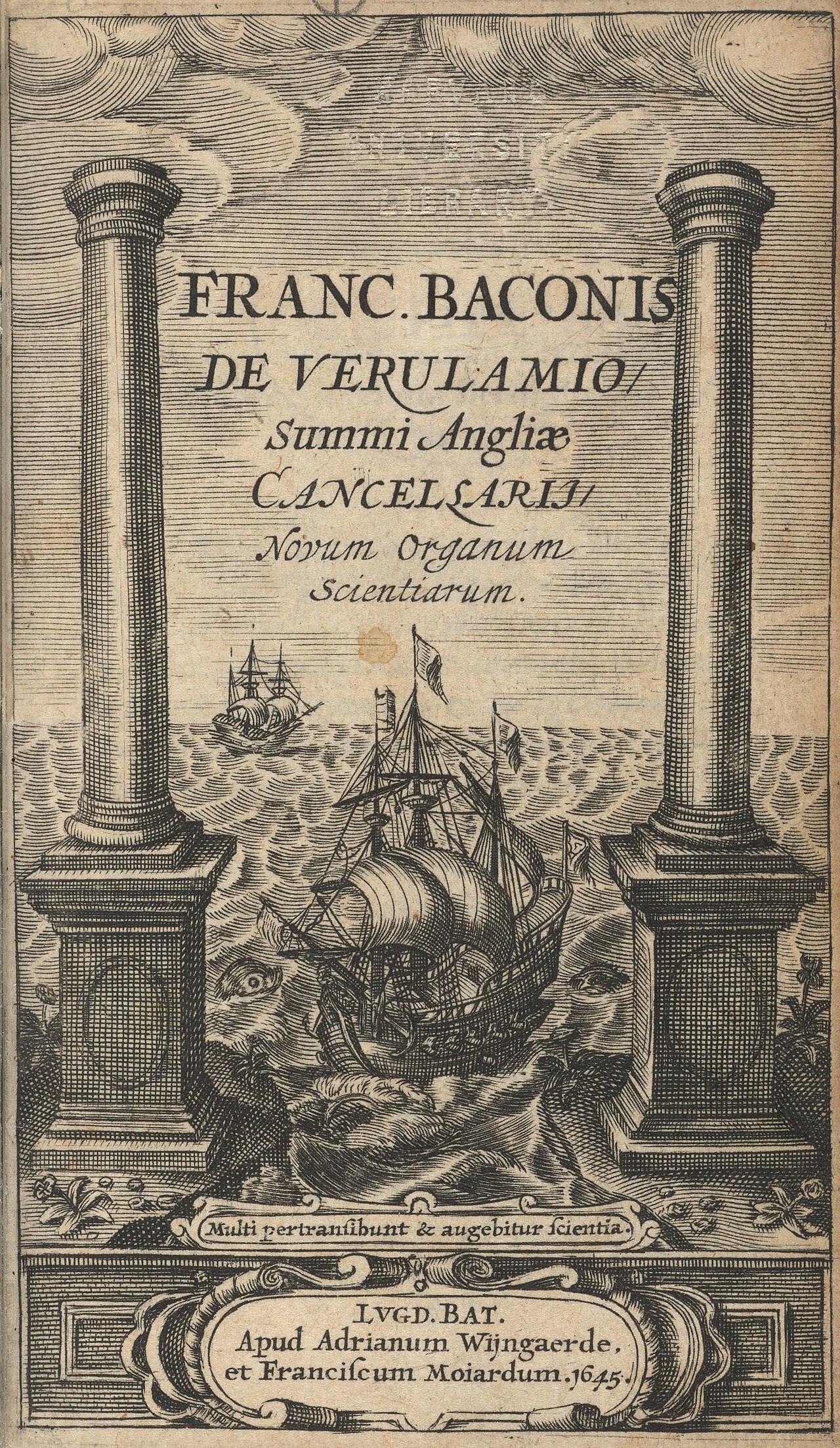 Book
Primary source
Novum Organum
Francis Bacon · 1620
 Painting
Secondary source
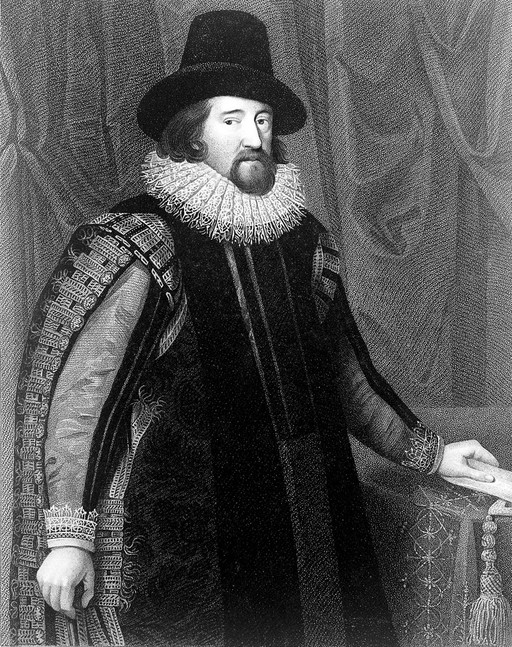
Portrait Engraving of Francis Bacon, Proof Impression
 Book
Primary source
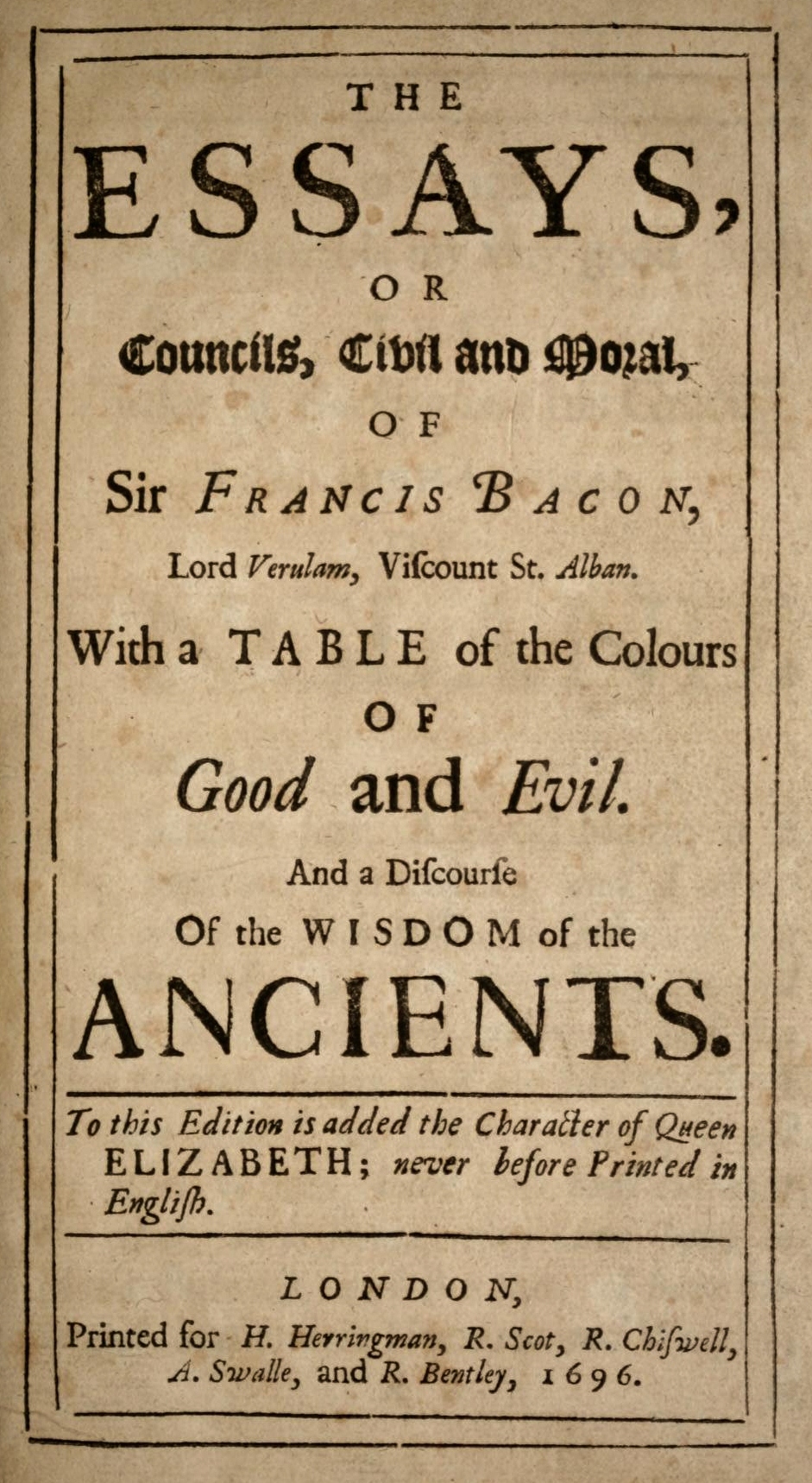
Essays
Francis Bacon · 1597
 Painting
Secondary source
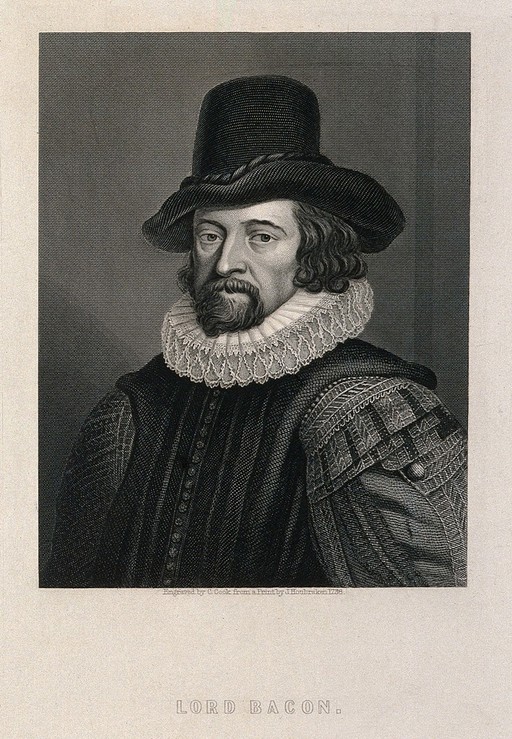
Francis Bacon, Engraving by C. Cook after Houbraken
C. Cook after Jacobus Houbraken · 1738
 Book
Primary source
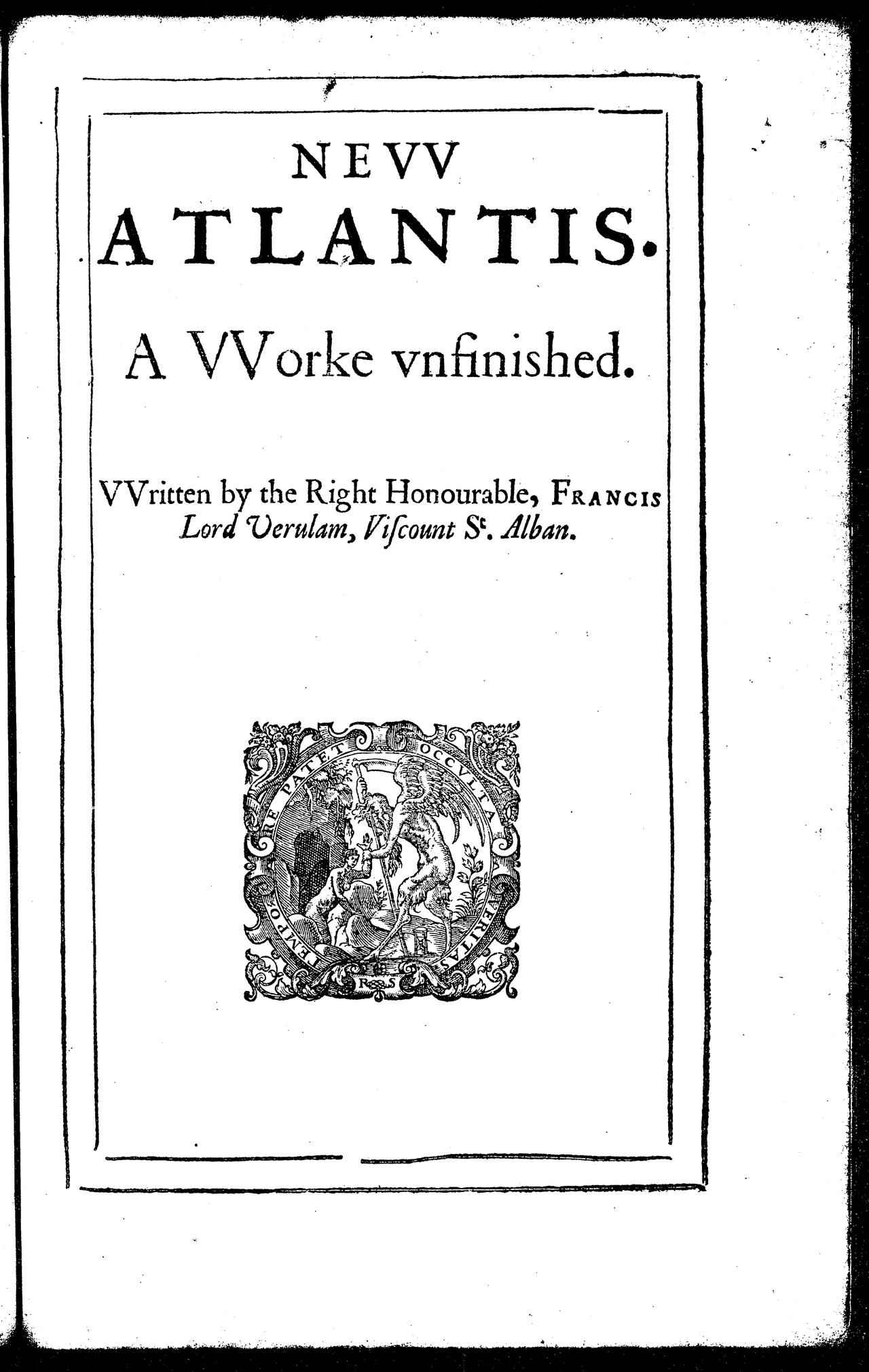
New Atlantis
Francis Bacon · 1627
Ready when you are
Start chatting with Francis Bacon now.
20 messages free · No credit card · Available in 50+ languages.