


Primary sourceBook1595
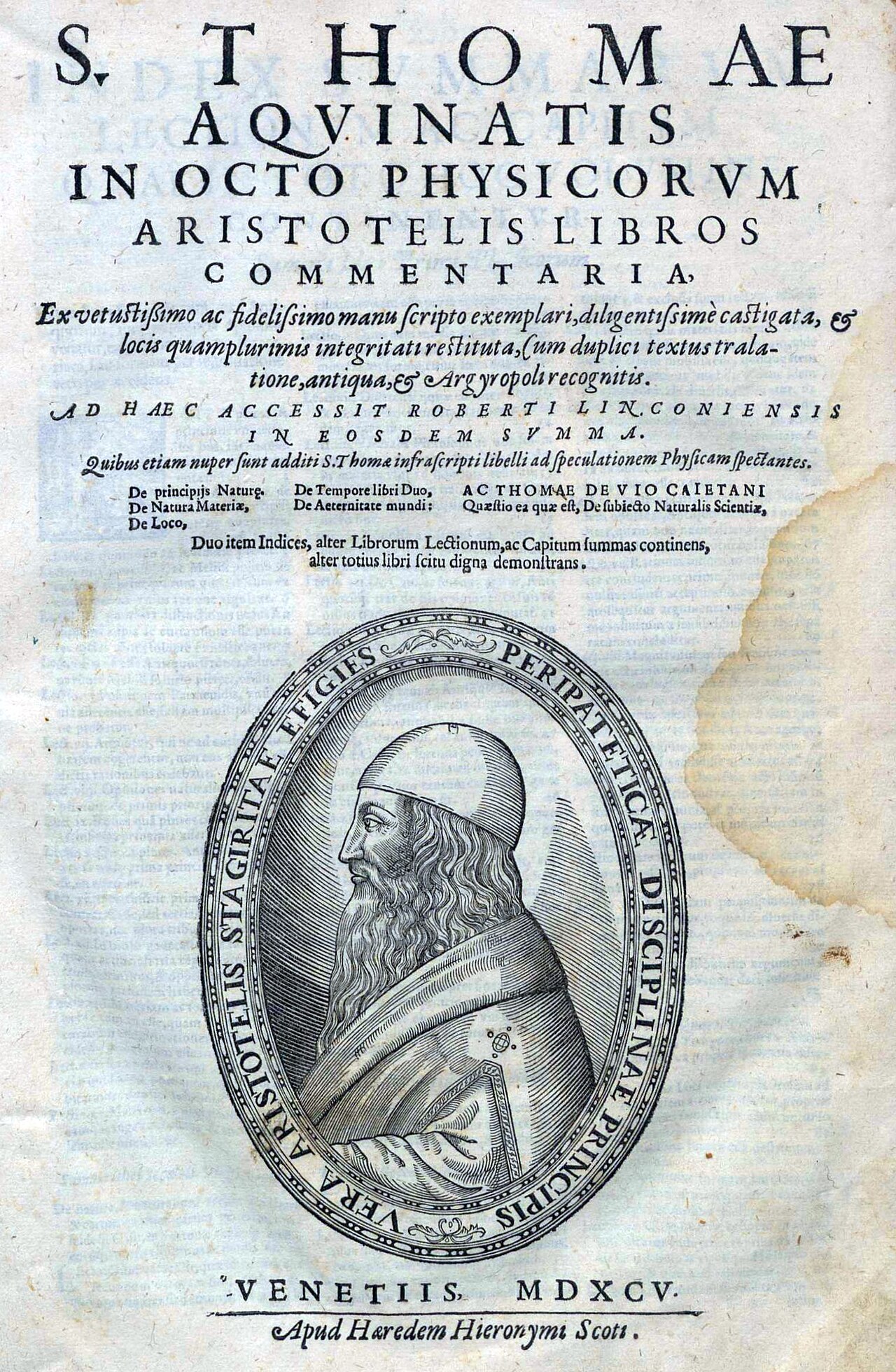
Title page of Super Physicam Aristotelis (1595 Venice edition)
Tommaso d'Aquino · 1595
The title page of a 1595 Venice printed edition of Thomas Aquinas's Latin commentary on Aristotle's Physics. It shows his Aristotelian scholarship in print.
Shows Aquinas's own Aristotle commentary in a 1595 Venice printing, a record of his scholarly work reaching readers in print.
About this source
What it is
This is the title page of a printed book from Venice, dated 1595, with the Latin title S. Thomae Aquinatis in octo Physicorum Aristotelis libros commentaria. The page mixes several typefaces and includes an engraved oval portrait of a bearded man in a cap, labeled as the true likeness of Aristotle. The book reproduces the commentary Thomas Aquinas wrote on Aristotle's Physics. He lived from 1225 to 1274, so this is a later printing of his text.
Why it matters
Aquinas is known for explaining Aristotle to Christian scholars of the Middle Ages. Printed editions like this one carried his explanations to readers long after his death. The title page shows how publishers presented the work: a portrait of the ancient philosopher placed above the name of the commentator who interpreted him.
Look closer
- What does the portrait of Aristotle on the title page suggest to readers about the book?
- Who chose the wording and layout of a title page, and why might a publisher want it to look learned?
- This edition was printed more than three centuries after Aquinas died. What does a later edition add to his text, and what might it leave out?
This book is part of the curated material that grounds the AI version of Saint Thomas Aquinas on Humy.ai — when students ask about related events, the AI can quote it and cite it.
More Saint Thomas Aquinas sources
Meet the AI Saint Thomas Aquinas →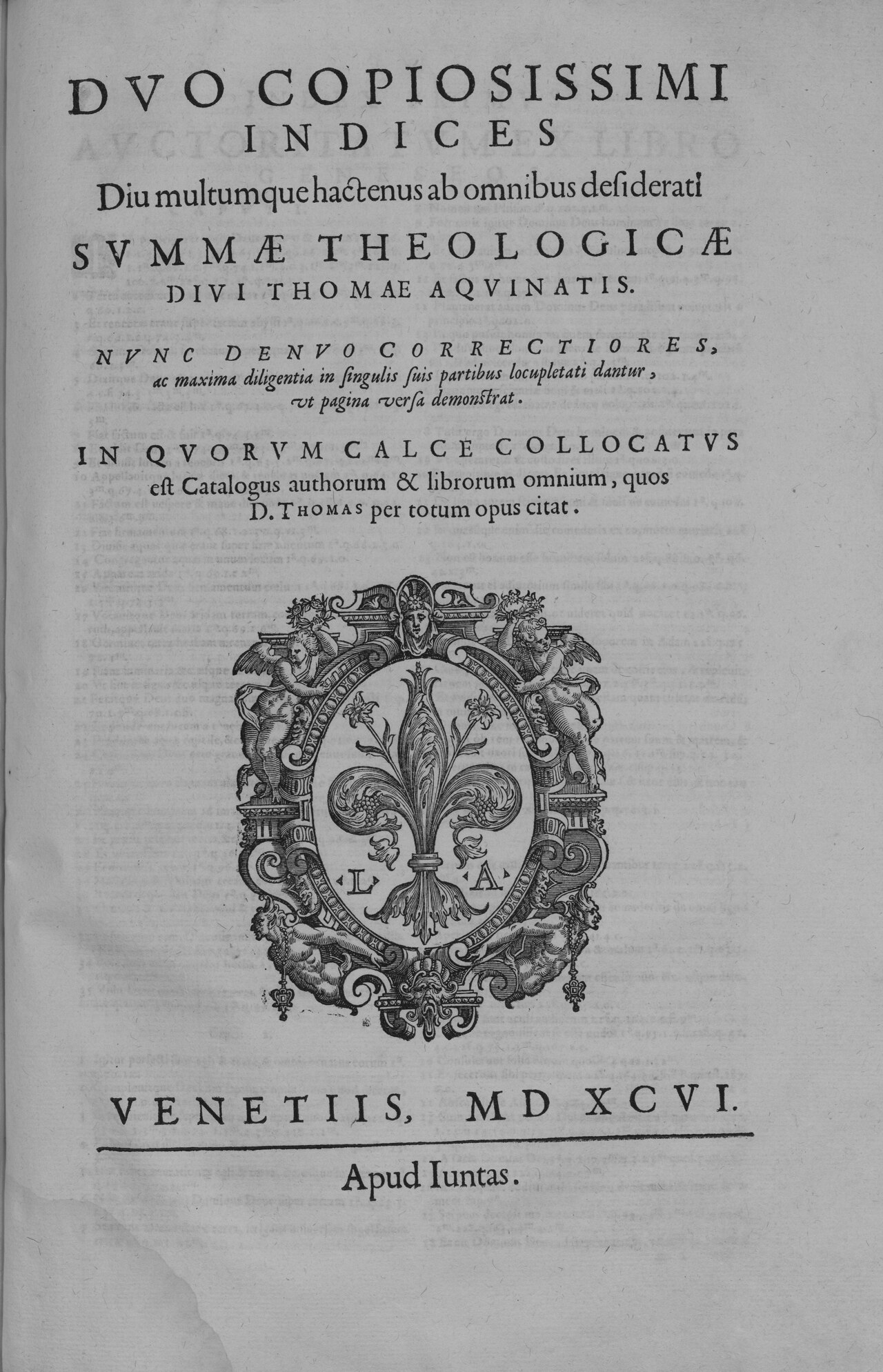 Book
Primary source
Summa Theologica
Thomas Aquinas · 1274
 Painting
Secondary source
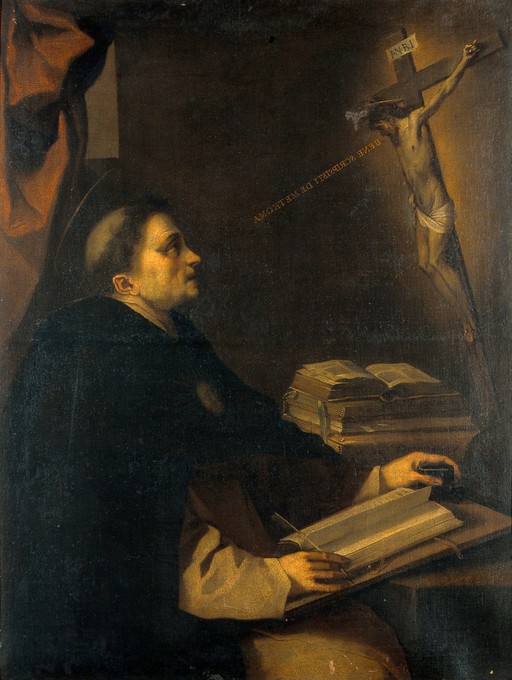
St Thomas Aquinas, 17th-century Italian oil painting
17th century
Primary source
Pange Lingua Gloriosi Corporis Mysterium
Thomas Aquinas · 1263
 Painting
Secondary source
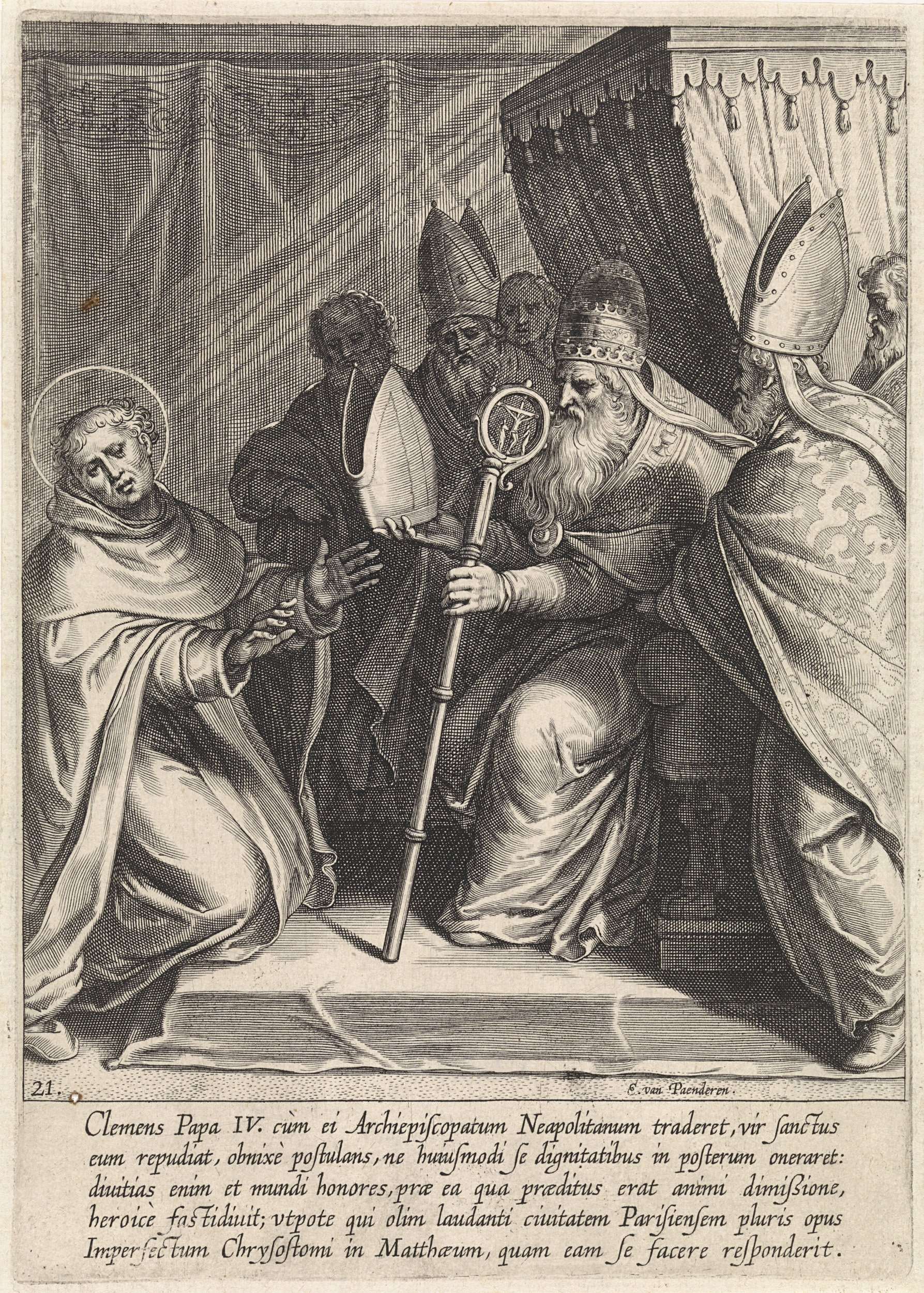
Thomas Aquinas Refuses the Archbishopric of Naples
1610
 Painting
Secondary source
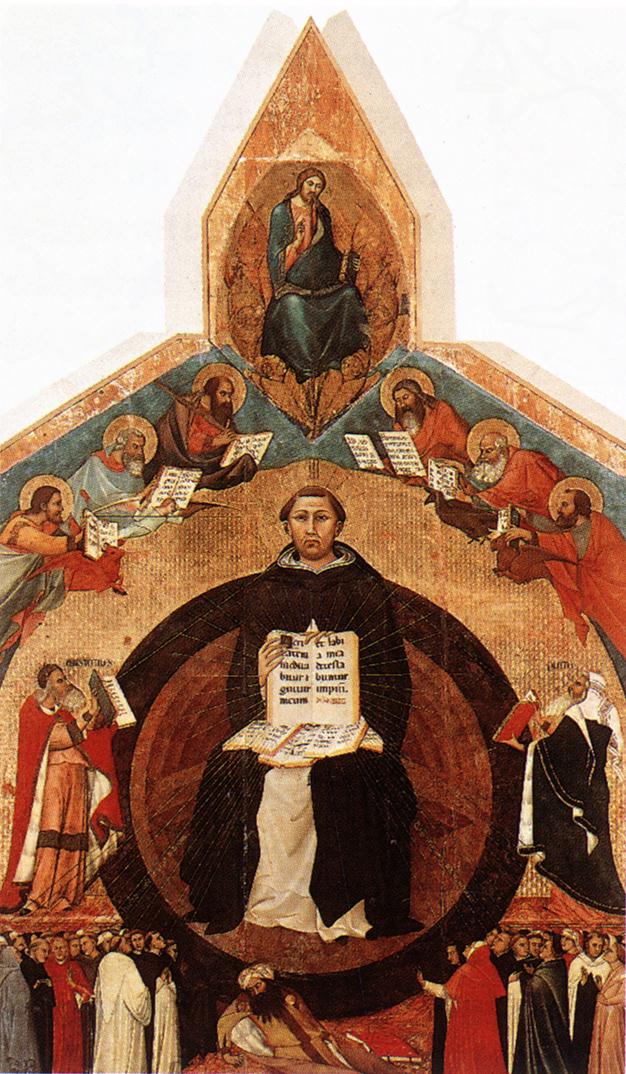
Triumph of Saint Thomas Aquinas
Lippo Memmi · 1340
Ready when you are
Start chatting with Saint Thomas Aquinas now.
20 messages free · No credit card · Available in 50+ languages.