


Primary sourceSpeech1794
To Kosciusko (Coleridge, 1794)
Samuel Taylor Coleridge · 1794
A 1794 sonnet by Samuel Taylor Coleridge mourning a reported defeat of Kościuszko, written while he was alive and active.
A contemporary British poem mourning Kościuszko's reported fall, showing his international reputation as a symbol of liberty.
About this source
What it is
This sonnet, titled "Effusion VIII" and later known as "To Kosciusko," was written in 1794 by the English poet Samuel Taylor Coleridge. It reacts to news of Kościuszko's fall in battle, imagining grief and the loss of hope for freedom.
Why it matters
Written during Kościuszko's own lifetime by a British contemporary, the poem shows how his fight for Polish independence was followed and admired abroad, becoming a symbol of liberty for sympathetic writers in other countries.
Look closer
- What words does Coleridge use to describe freedom and hope, and what do they suggest about his feelings toward Kościuszko's cause?
- Why might an English poet in 1794 care about events happening in Poland?
- How might this poem have been received by readers who did not know much about Poland's situation?
This speech is part of the curated material that grounds the AI version of Tadeusz Kościuszko on Humy.ai — when students ask about related events, the AI can quote it and cite it.
More Tadeusz Kościuszko sources
Meet the AI Tadeusz Kościuszko →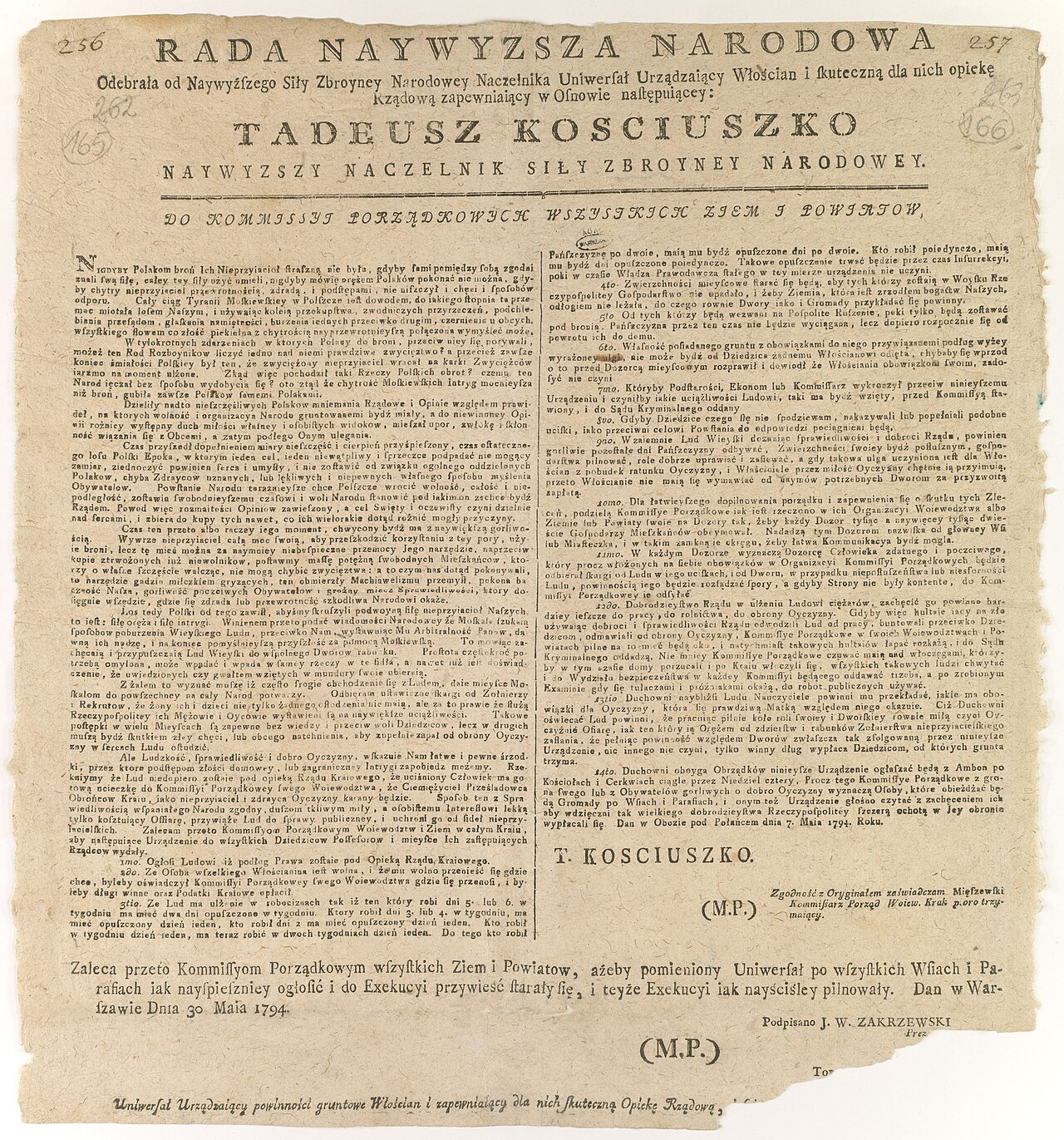 Document
Primary source
Proclamation of Połaniec
Tadeusz Kościuszko · 7 May 1794 (this printing 30 May 1794)
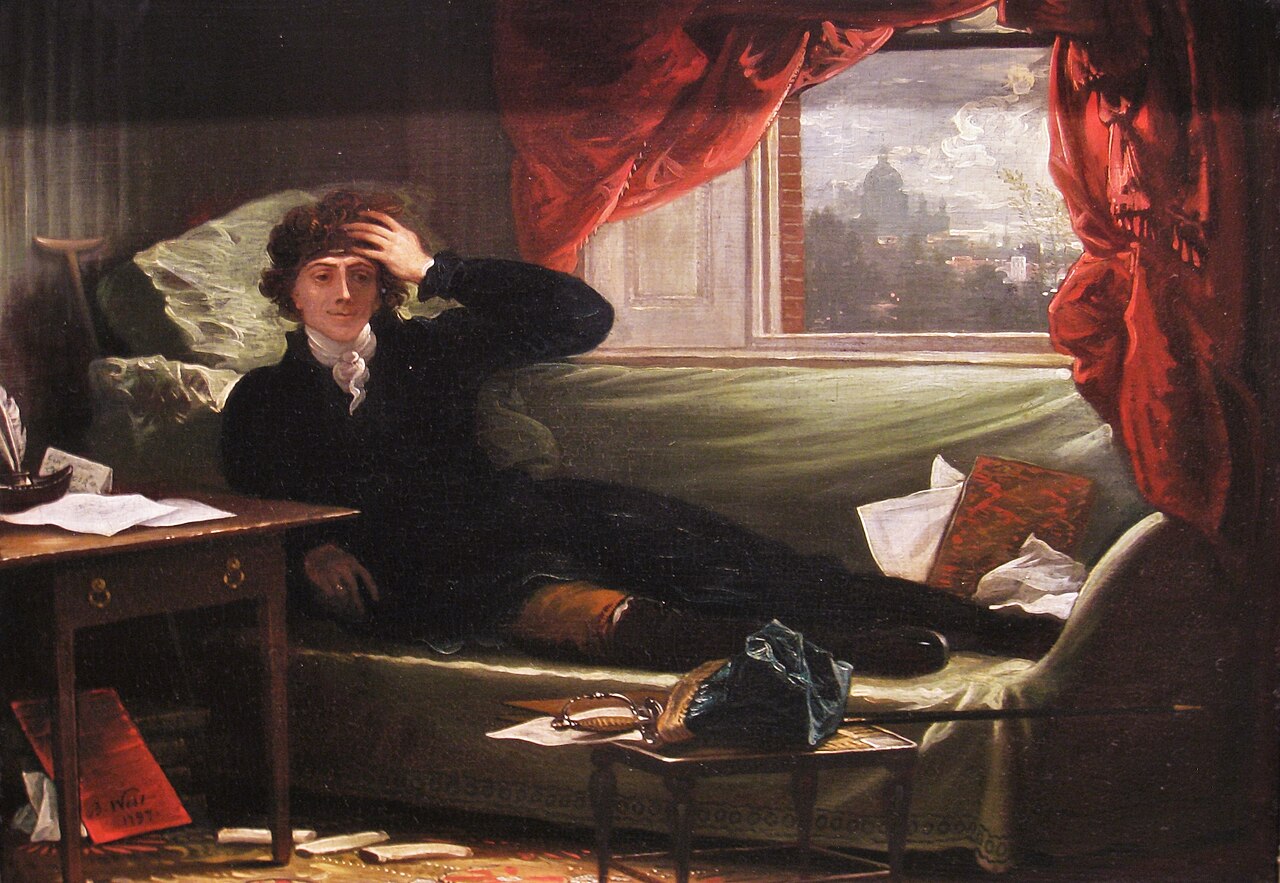 Painting
Primary source
General Thaddeus Kosciusko
Benjamin West · 1797
 Painting
Primary source
Portrait of Tadeusz Kościuszko
Józef Grassi · c. 1792
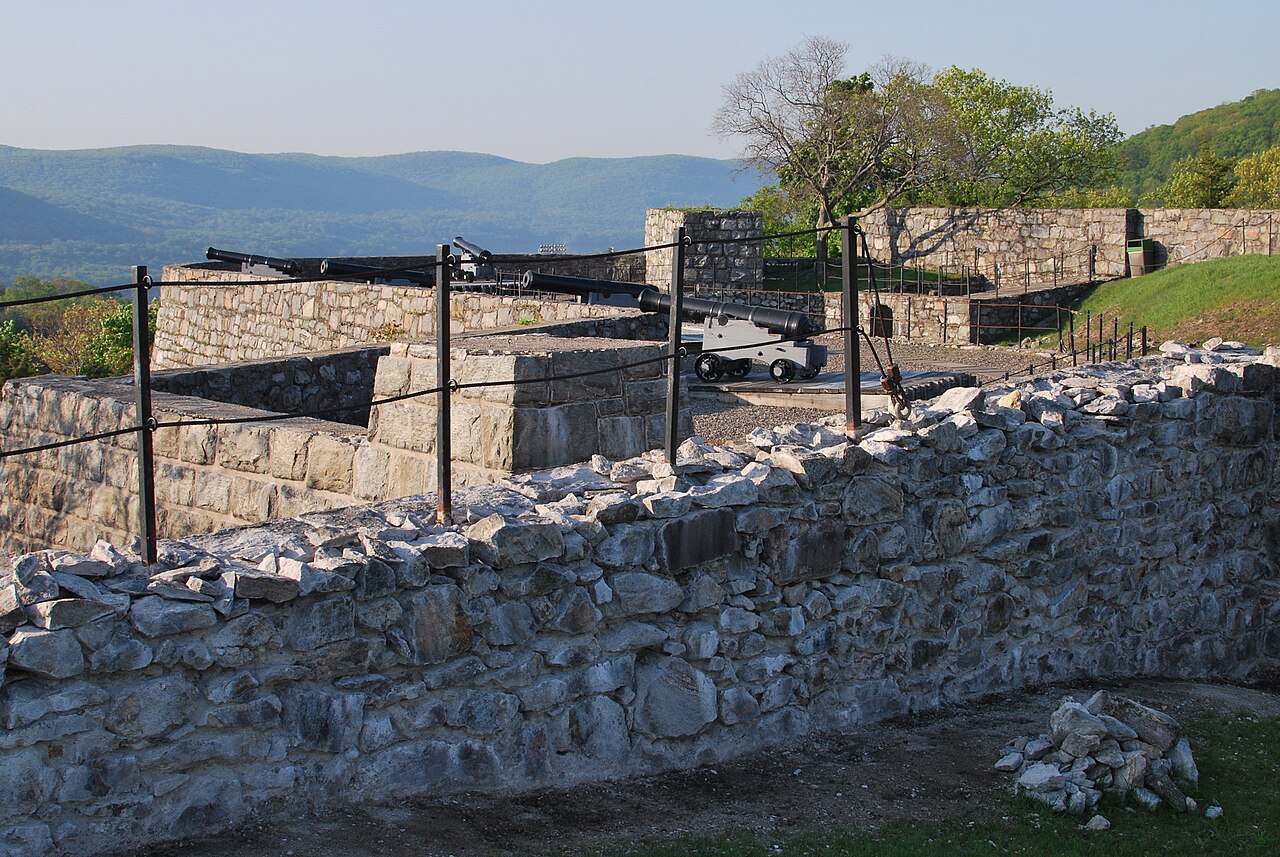 Artifact
Primary source
Fort Putnam
1778
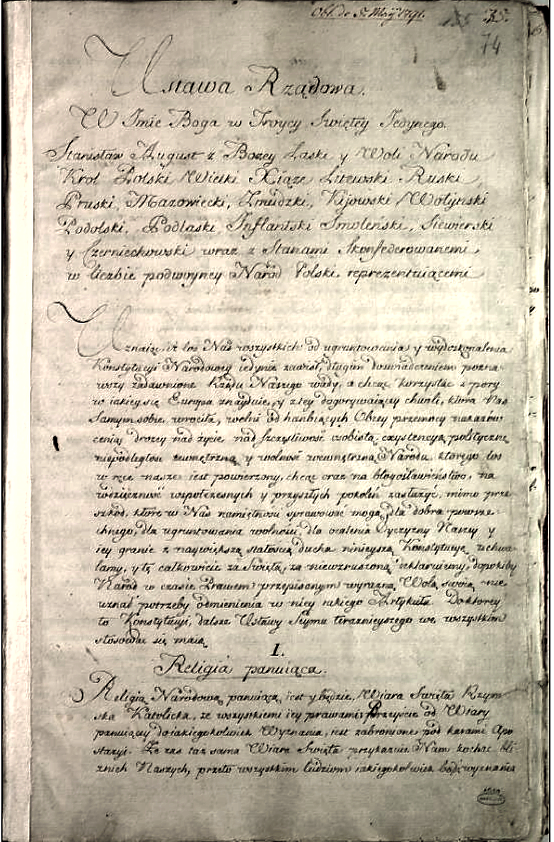 Document
Primary source
Constitution of May 3, 1791
3 May 1791
Ready when you are
Start chatting with Tadeusz Kościuszko now.
20 messages free · No credit card · Available in 50+ languages.