


Primary sourceArtifact
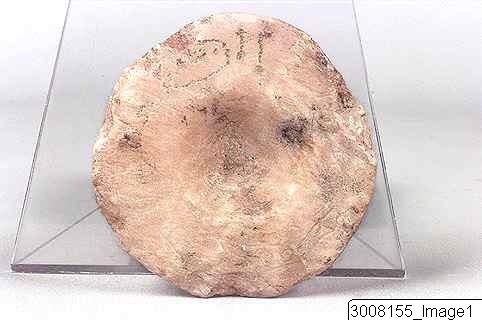
Toilette Dish Inscribed for Maatkare
A stone dish inscribed with Hatshepsut's throne name Maatkare, honoring her father Nebhepetre.
Inscribed with Hatshepsut's throne name Maatkare, linking her to her father Nebhepetre.
About this source
What it is
This is a stone dish, likely used for toiletry purposes, inscribed with Hatshepsut's throne name Maatkare. Scholarly references connect the inscription to her father Nebhepetre Mentuhotep. It is held by the Museum of Mediterranean and Near Eastern Antiquities in Sweden.
Why it matters
This object links Hatshepsut to her father and shows how royal family connections were recorded on everyday objects. Such inscriptions help historians trace relationships and legitimacy claims among Egyptian rulers.
Why it matters
Look closer
- Why might Hatshepsut want her father's name connected to her own on an object like this?
- What does the shallow, worn shape of the dish suggest about how it may have been used?
- What questions remain unanswered about the exact relationship recorded here?
This artifact is part of the curated material that grounds the AI version of Hatshepsut on Humy.ai — when students ask about related events, the AI can quote it and cite it.
More Hatshepsut sources
Meet the AI Hatshepsut →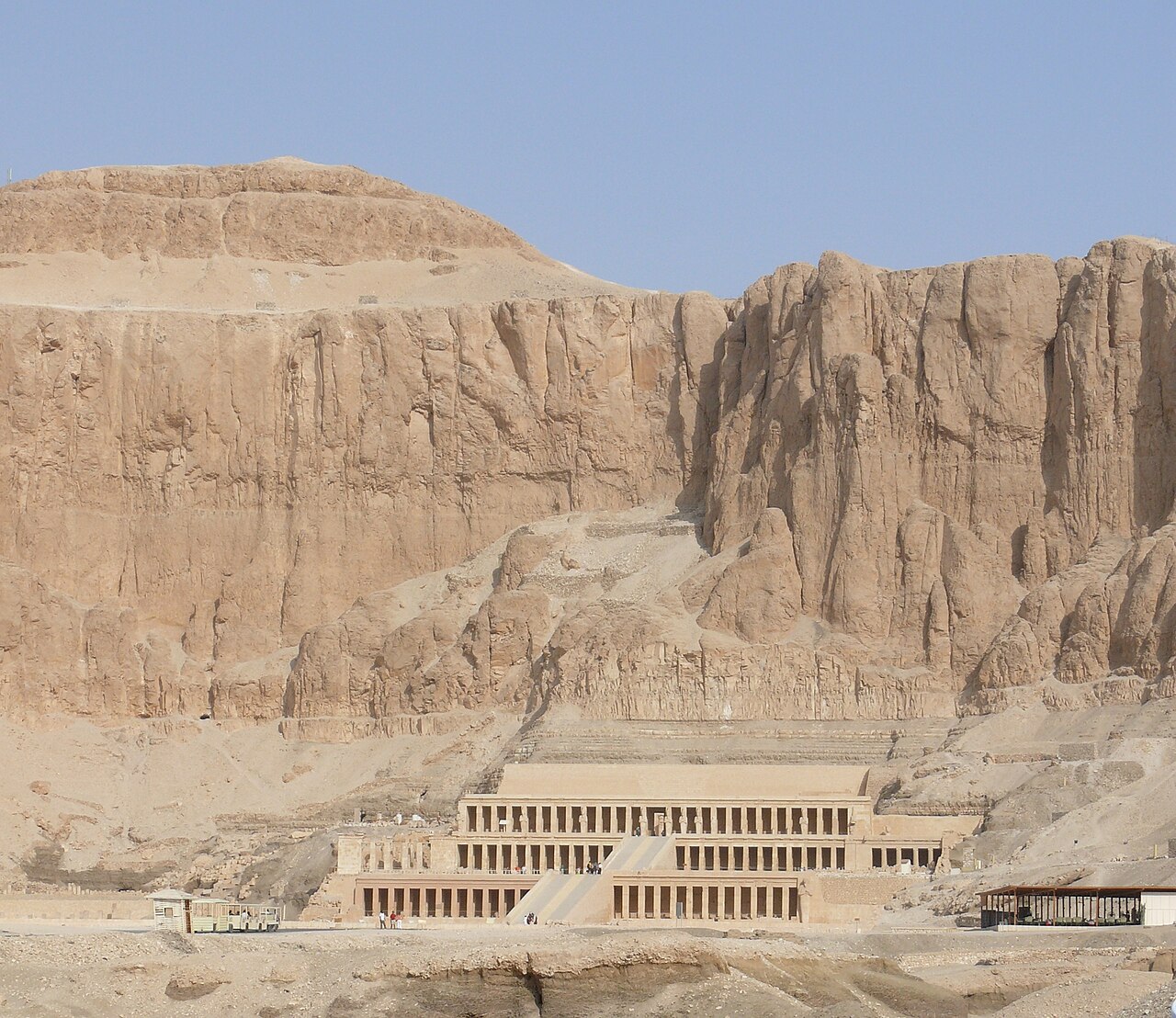 Artifact
Primary source
Mortuary Temple of Hatshepsut
Senenmut and/or Hapuseneb (attributed) · c. 1479–1458 BCE
 Photograph
Secondary source
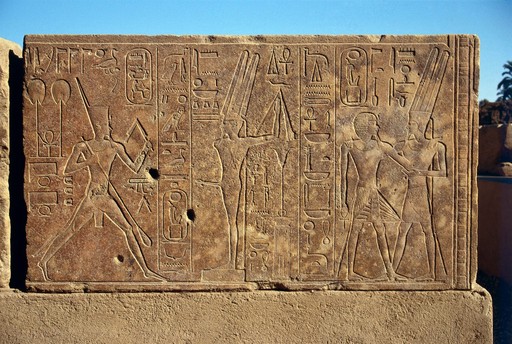
Hatshepsut Dancing Before Min, Karnak Relief
Carole Reeves · 1989
 Sculpture
Primary source
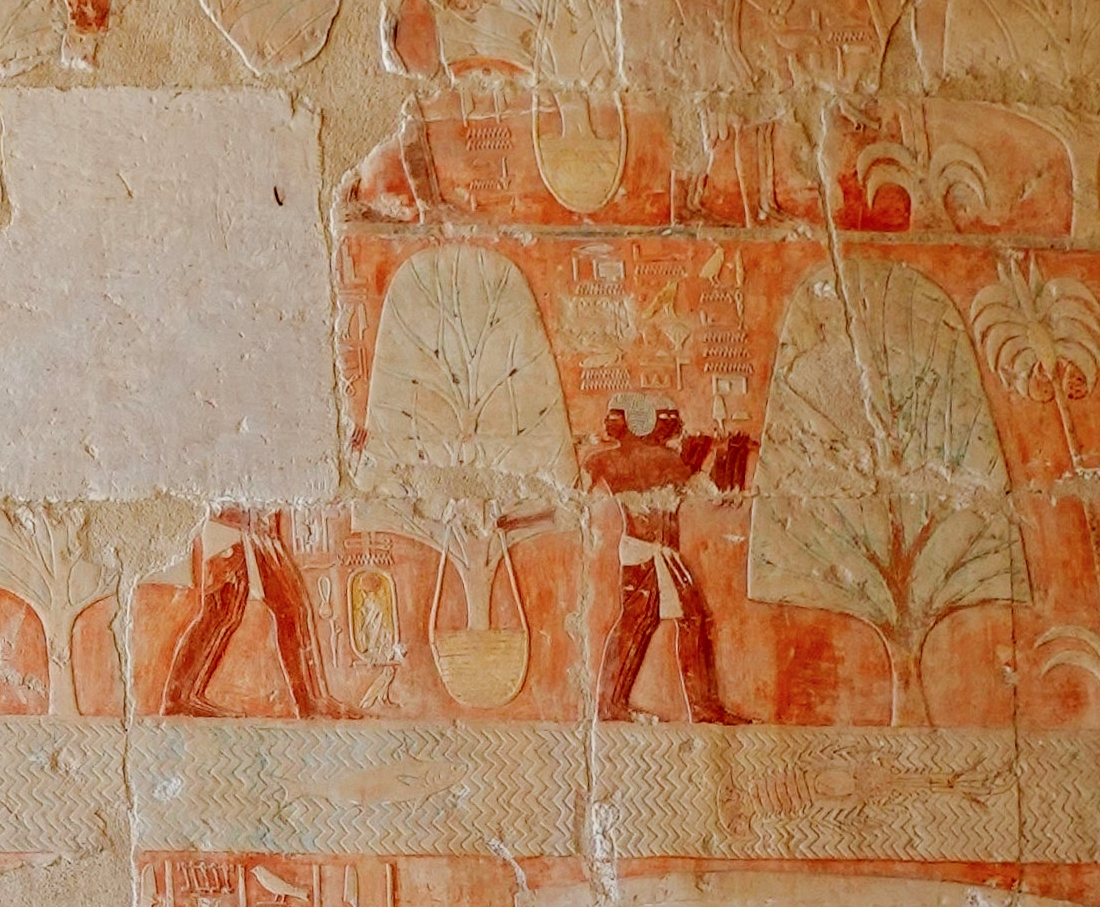
Punt Expedition Reliefs
Royal workshops of Hatshepsut · c. 1470 BCE
 Sculpture
Primary source
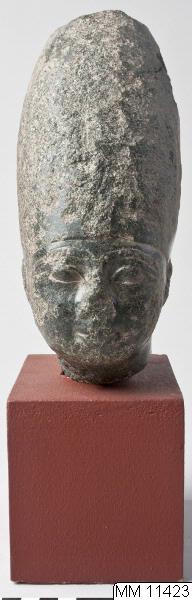
Sculpture Head Probably of Hatshepsut
 Sculpture
Primary source
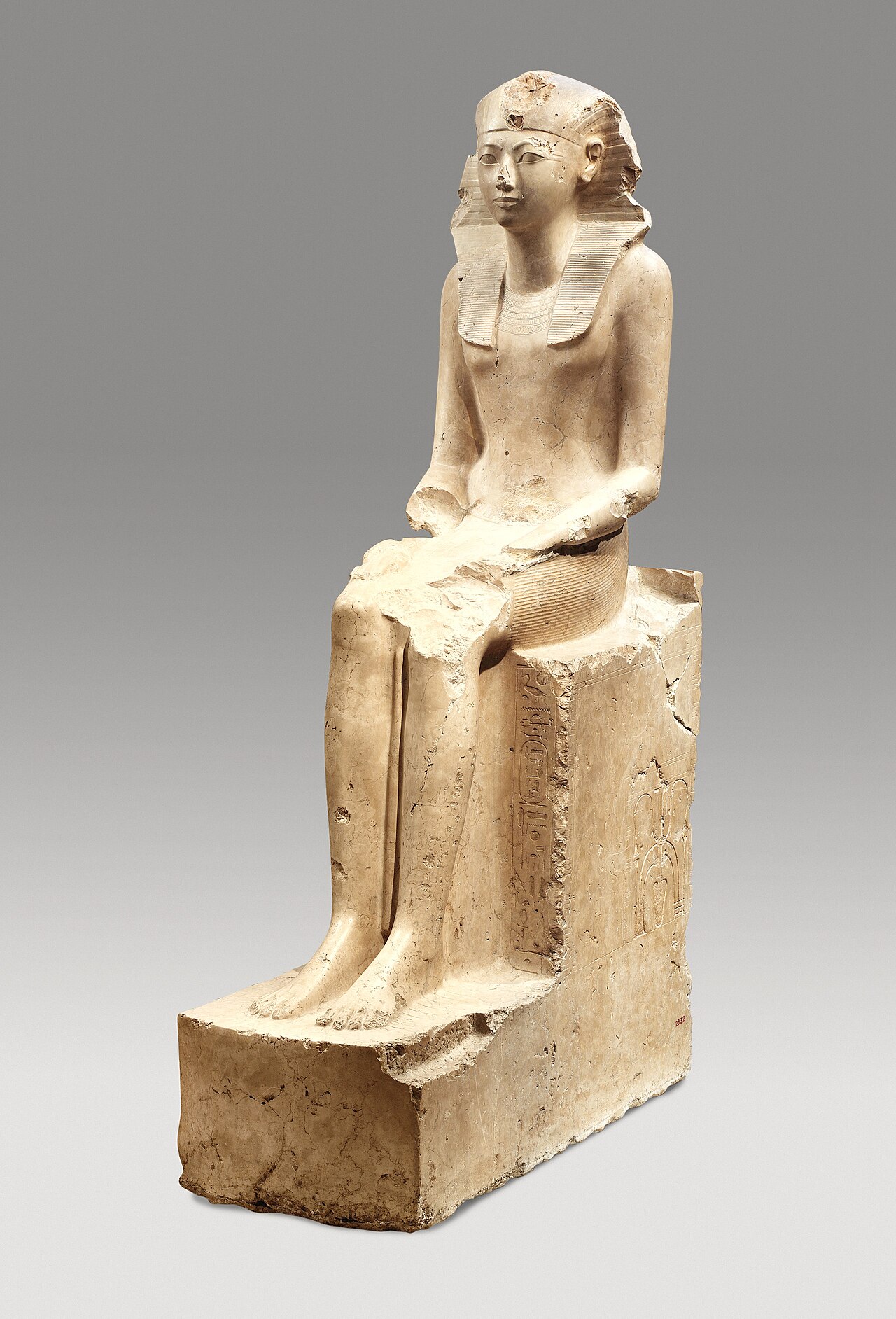
Seated Statue of Hatshepsut
c. 1466 BCE
Ready when you are
Start chatting with Hatshepsut now.
20 messages free · No credit card · Available in 50+ languages.