


Secondary sourcePhotograph24 July 2017
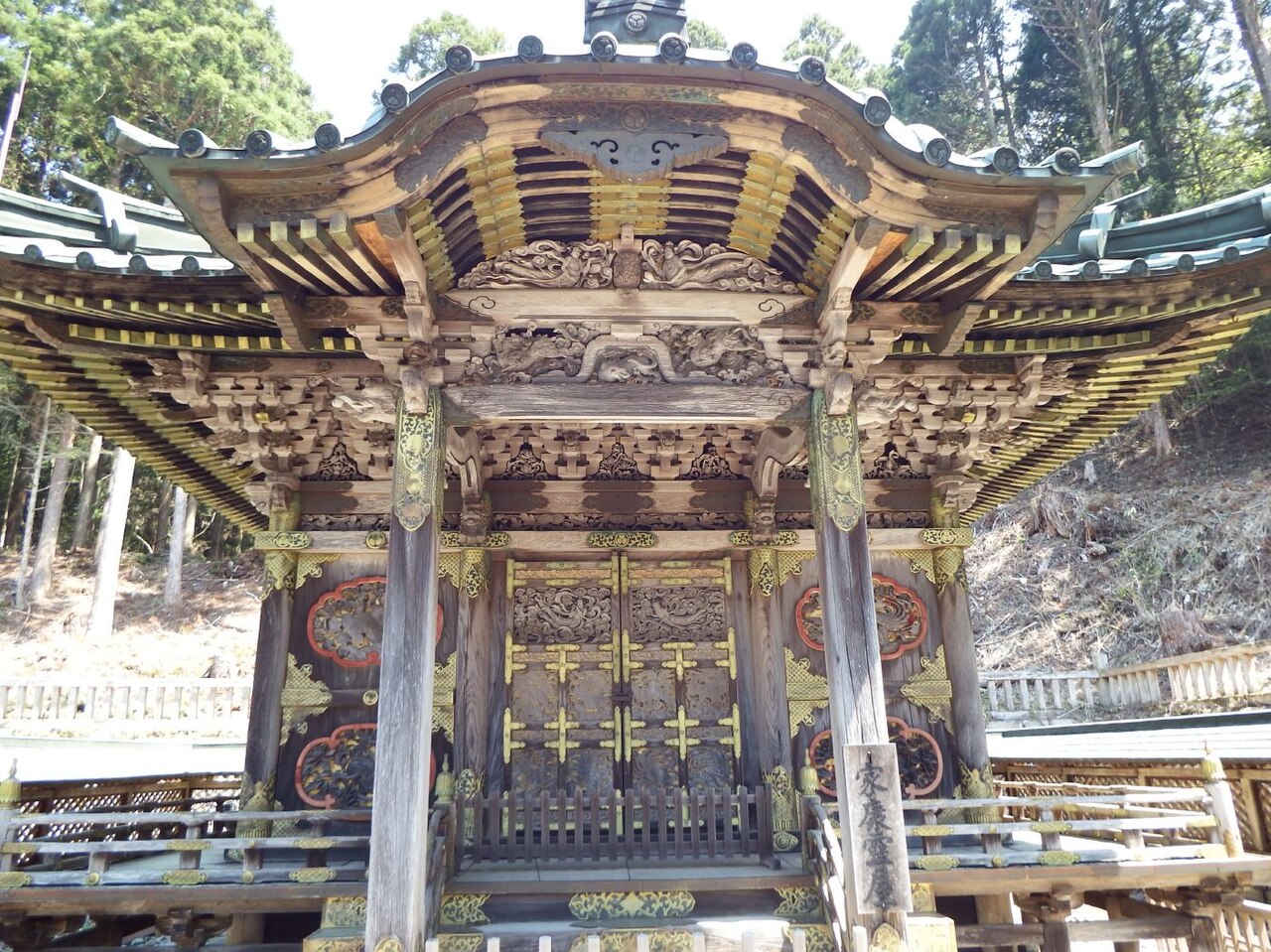
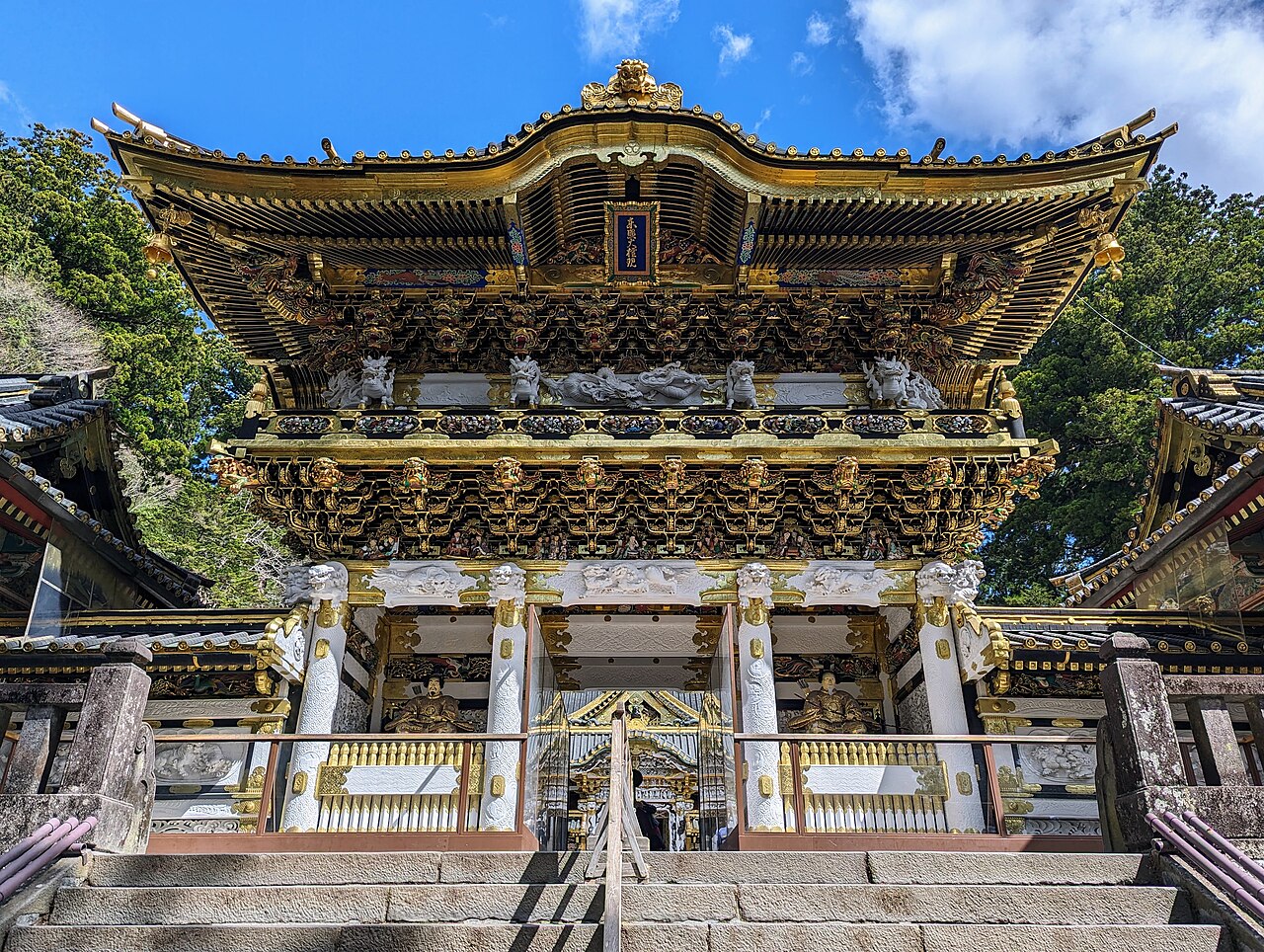
Tokugawa family mausoleum (Ieyasu), Mount Kōya
Dokudami · 24 July 2017
A 2017 photograph by Dokudami of a later memorial to Ieyasu at Mount Kōya, built well after his lifetime.
Shows a later Tokugawa family memorial honouring Ieyasu, so it reflects how his legacy was commemorated after his death.
About this source
What it is
This is a photograph taken on 24 July 2017 by Dokudami. It shows an ornate wooden gate with carved panels and gilded metal fittings, under a tiled roof with curved eaves. The Commons record names it as a Tokugawa family memorial to Ieyasu at Mount Kōya, and the image also shows cedar trees and a hillside behind it.
Why it matters
Ieyasu founded the Tokugawa shogunate, and his family later kept memorials to him. Mount Kōya is a major religious centre, so a family memorial there shows how the Tokugawa wanted their founder to be honoured. As a later monument, it reveals how his descendants and later visitors remembered him, rather than how he lived.
Look closer
- What do the carved panels and gilded fittings suggest about the message the memorial wants to send?
- Why would a family build a memorial in such a distant, sacred place?
- What can a monument built after a person's death tell us, and what can it not tell us?
This photograph is part of the curated material that grounds the AI version of Tokugawa Ieyasu on Humy.ai — when students ask about related events, the AI can quote it and cite it.
More Tokugawa Ieyasu sources
Browse all 94 →Primary source
Kinchū narabini Kuge Shohatto
Tokugawa Ieyasu · 1615
 Document
Primary source
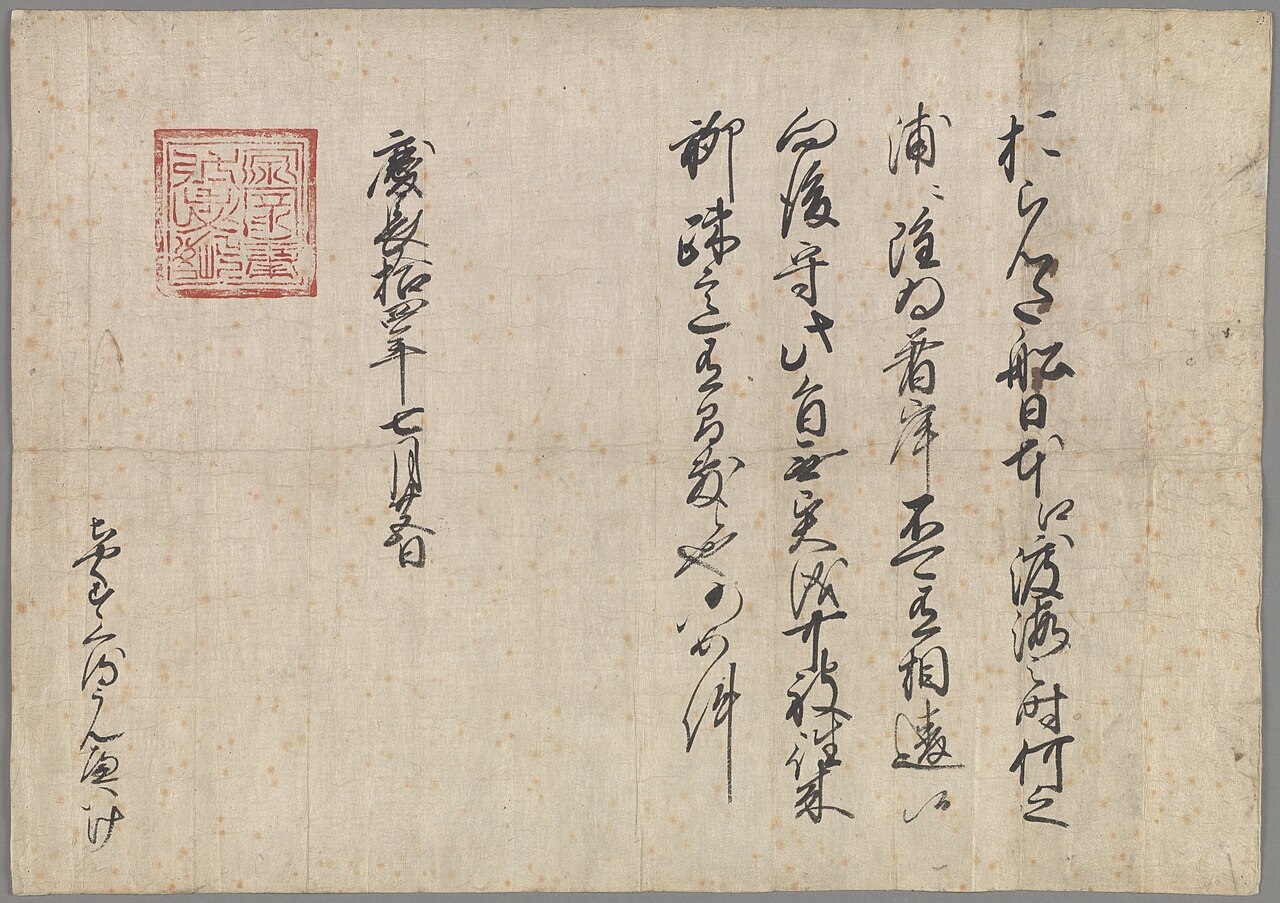
Trading Pass for Dutch Ships in Japan
Tokugawa Ieyasu · 24 August 1609
 Letter
Primary source
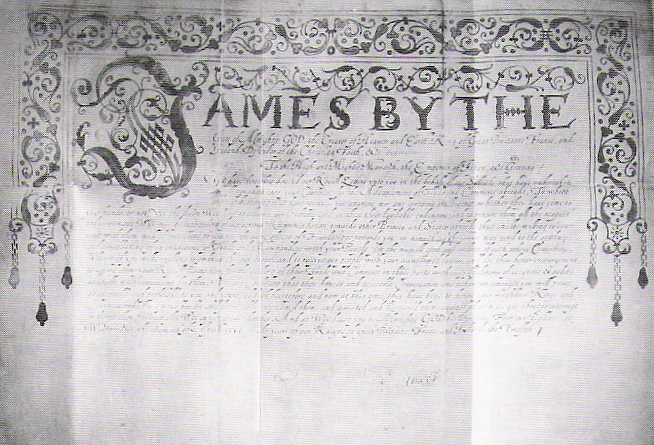
Letter of King James to Tokugawa Ieyasu
James VI and I · 1613
 Artifact
Secondary source
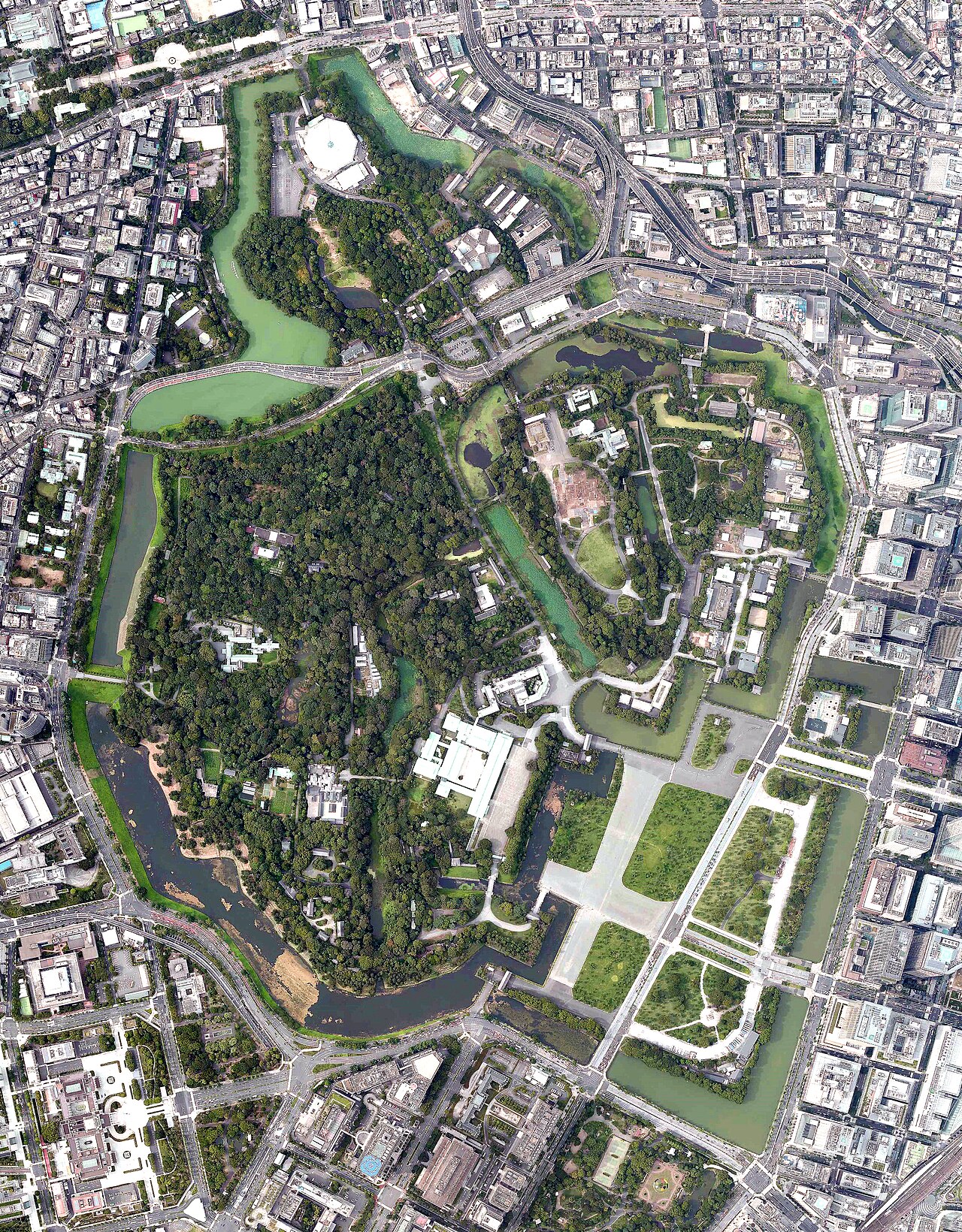
Edo Castle
Ōta Dōkan · 1457; expanded from 1590
Free account
Read every Tokugawa Ieyasu source
Sign up free →
Ready when you are
Start chatting with Tokugawa Ieyasu now.
20 messages free · No credit card · Available in 50+ languages.