


Secondary sourcePainting17th century
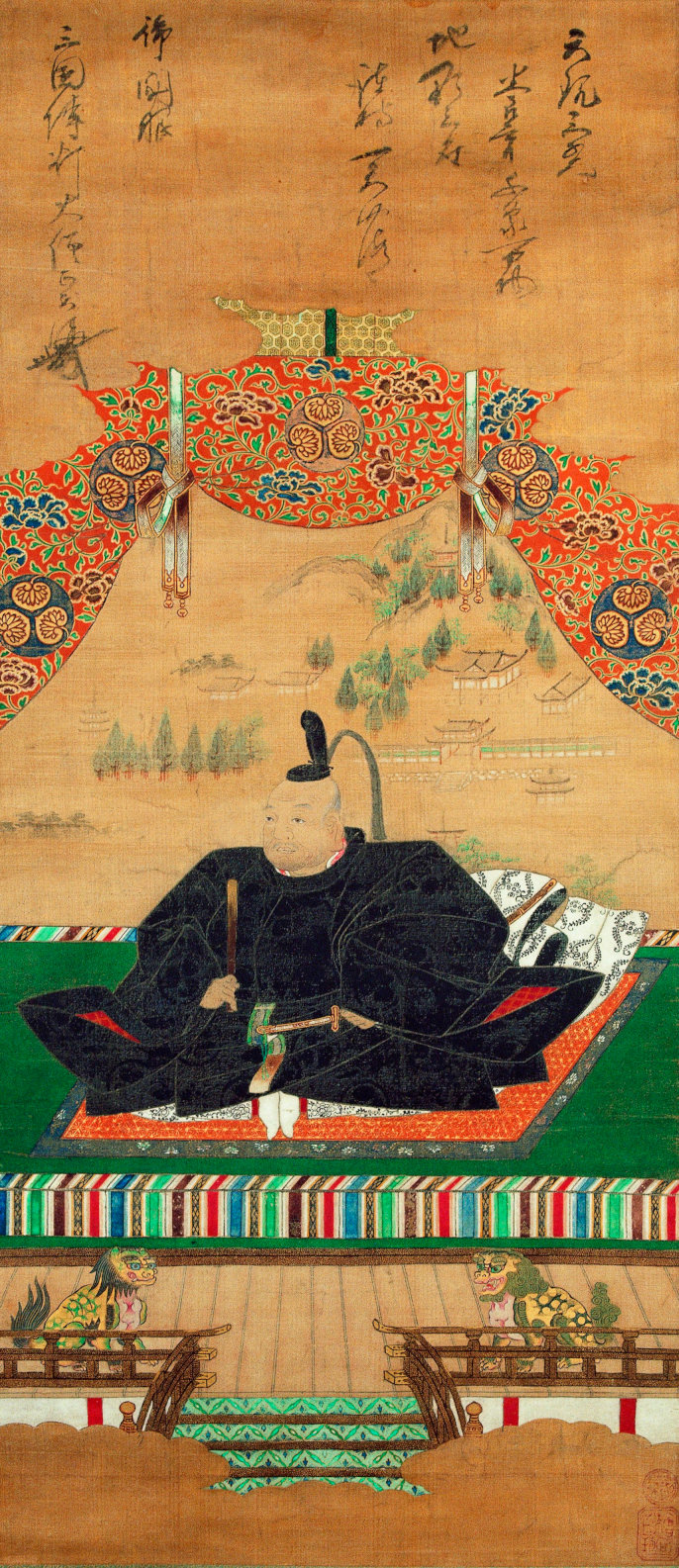
Tokugawa Ieyasu as Toshogu Daigongen, by Kimura Ryotaku
Kimura Ryotaku · 17th century
A 17th-century portrait of Ieyasu deified as Toshogu Daigongen, painted by Kimura Ryotaku, held by the Tokugawa Memorial Foundation.
Another posthumous deified portrait of Ieyasu, showing how his memory was preserved and venerated.
About this source
What it is
This 17th-century painting shows Tokugawa Ieyasu depicted as the deity Toshogu Daigongen. It was painted by the fourth-generation artist Kimura Ryotaku, with an inscription by the monk Tenkai. It is held by the Tokugawa Memorial Foundation.
Why it matters
This is one of several surviving portraits that show Ieyasu worshipped as a god after his death. The involvement of the monk Tenkai, who was closely tied to Ieyasu's religious legacy, shows how religious and political figures worked together to build the image of Ieyasu as a divine protector of the Tokugawa family.
Look closer
- How does this portrait compare to other paintings of Ieyasu as a deity?
- Why might a monk's inscription have been added to this painting?
- What purpose might such paintings have served for the Tokugawa family over generations?
This painting is part of the curated material that grounds the AI version of Tokugawa Ieyasu on Humy.ai — when students ask about related events, the AI can quote it and cite it.
More Tokugawa Ieyasu sources
Browse all 94 →Primary source
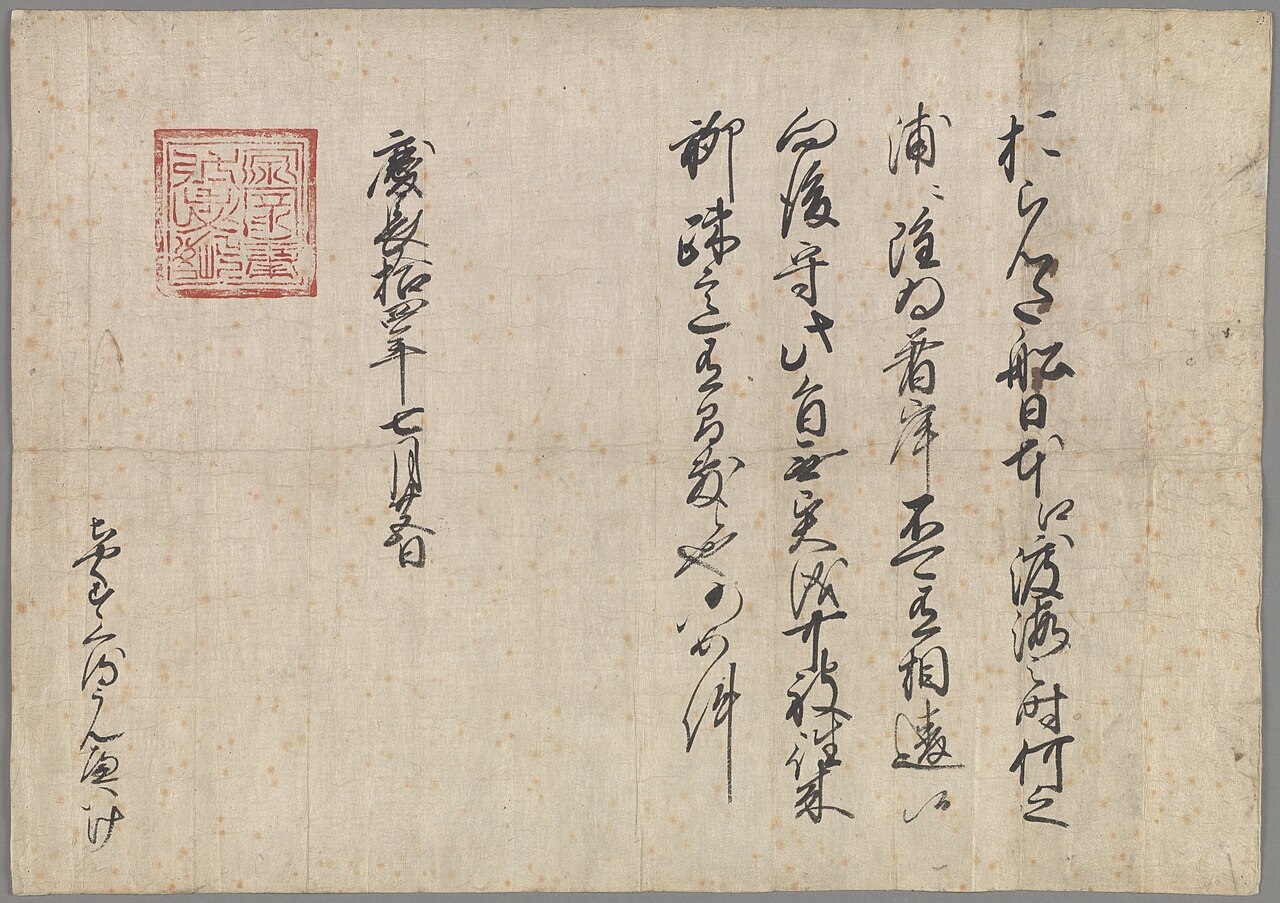
Kinchū narabini Kuge Shohatto
Tokugawa Ieyasu · 1615
 Document
Primary source
Trading Pass for Dutch Ships in Japan
Tokugawa Ieyasu · 24 August 1609
 Letter
Primary source
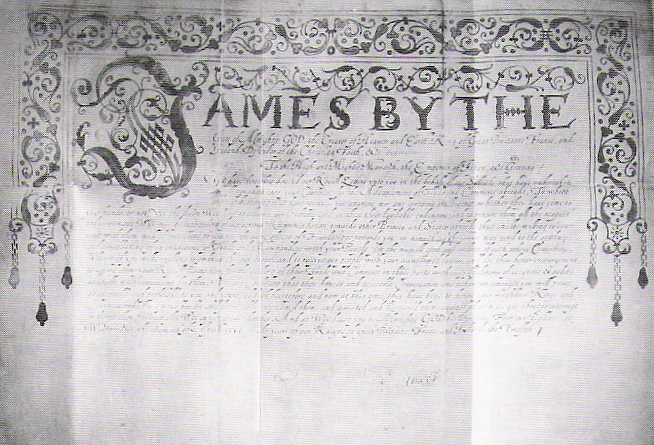
Letter of King James to Tokugawa Ieyasu
James VI and I · 1613
 Artifact
Secondary source
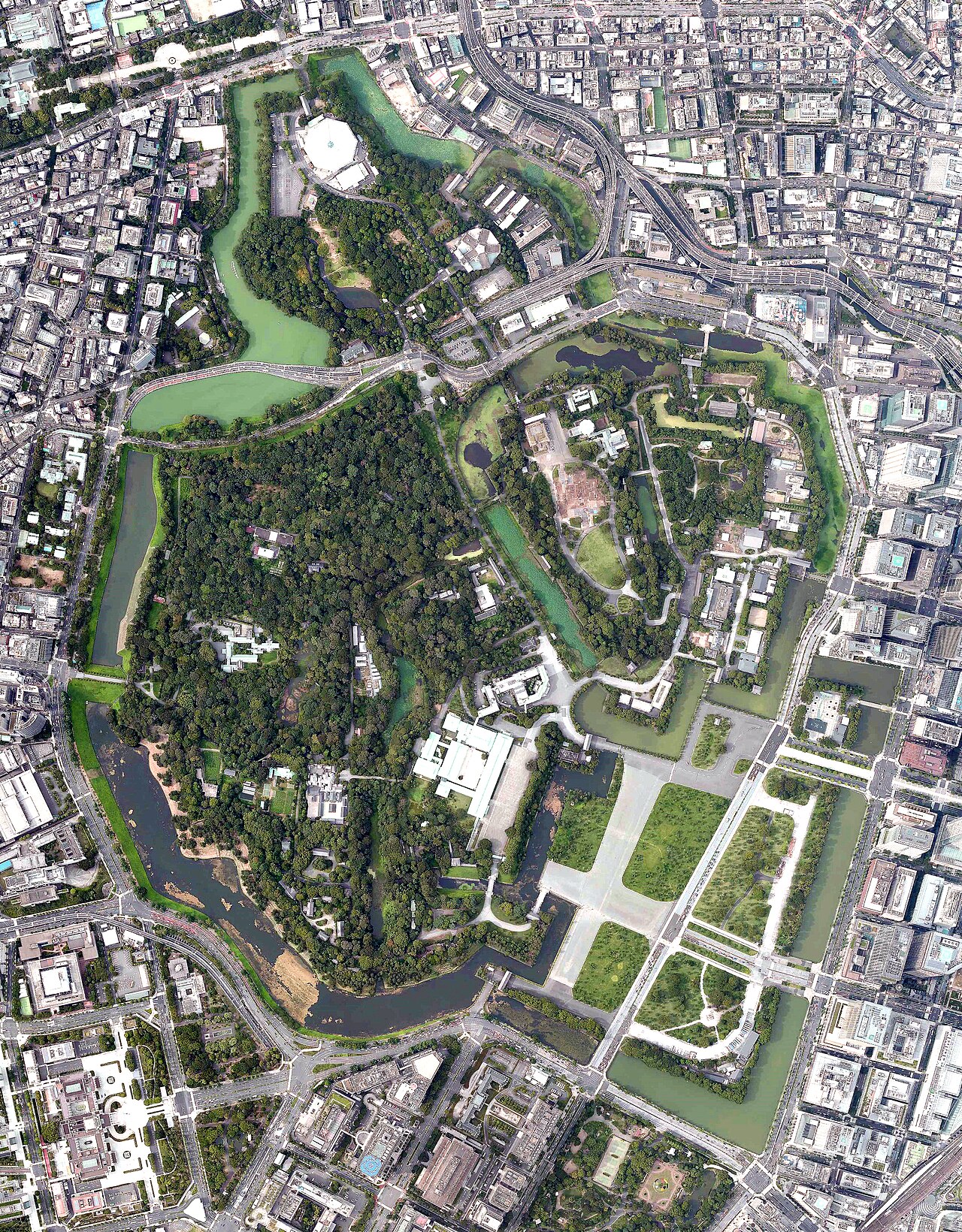
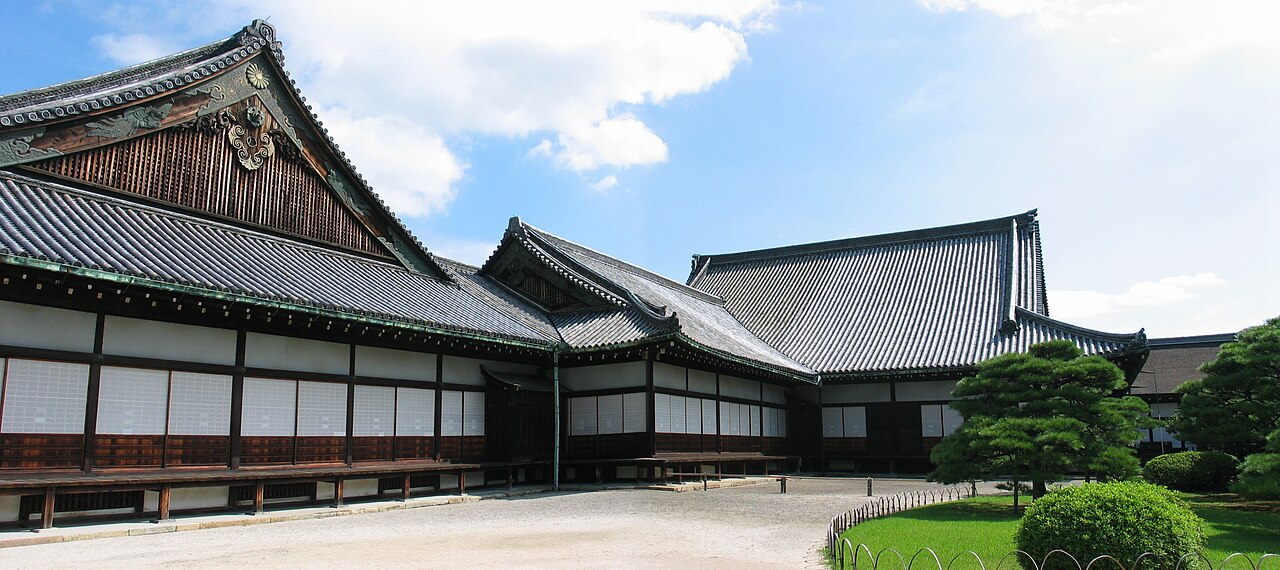
Edo Castle
Ōta Dōkan · 1457; expanded from 1590
Free account
Read every Tokugawa Ieyasu source
Sign up free →
Ready when you are
Start chatting with Tokugawa Ieyasu now.
20 messages free · No credit card · Available in 50+ languages.