


Secondary sourceArtifact
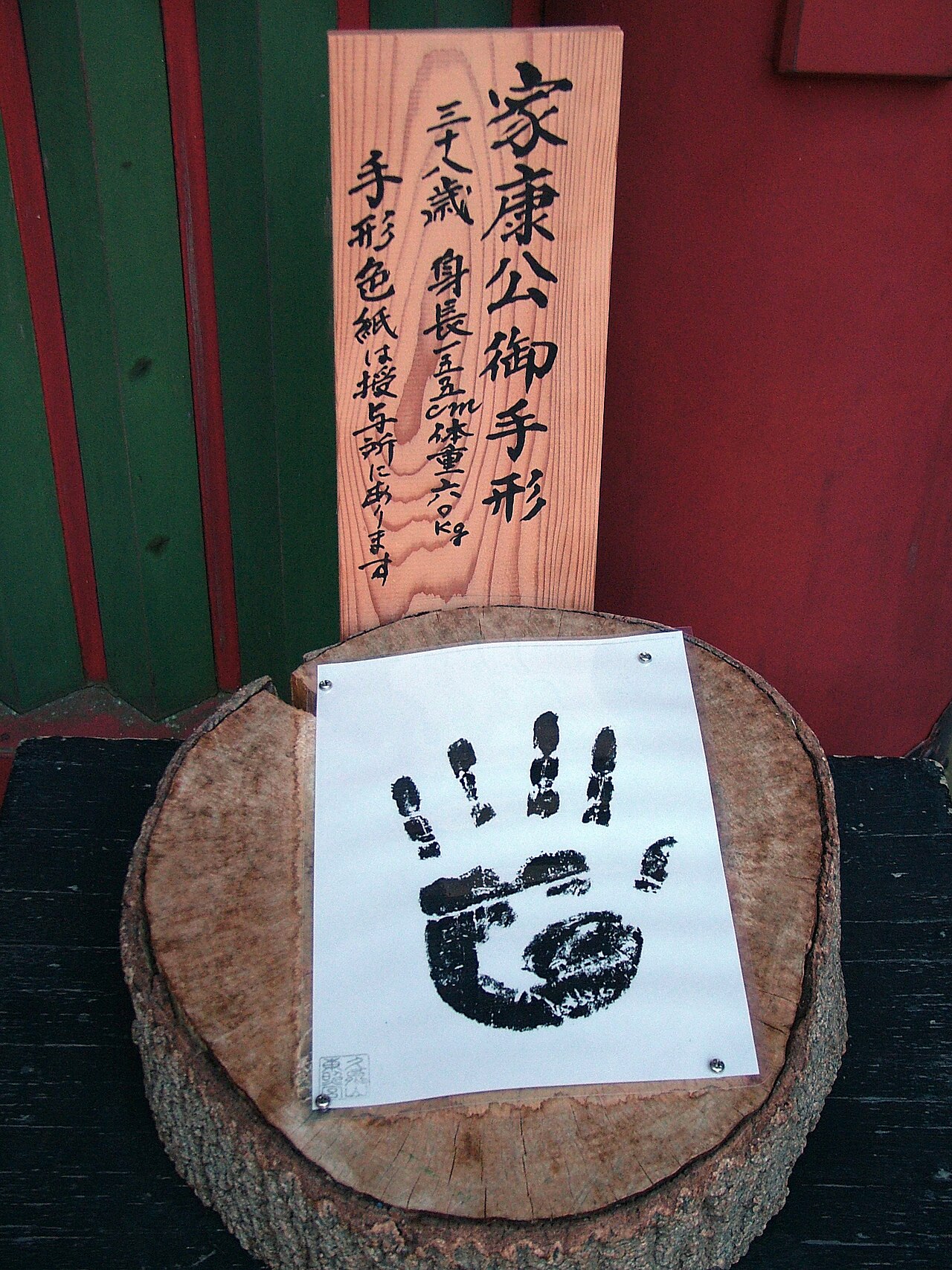
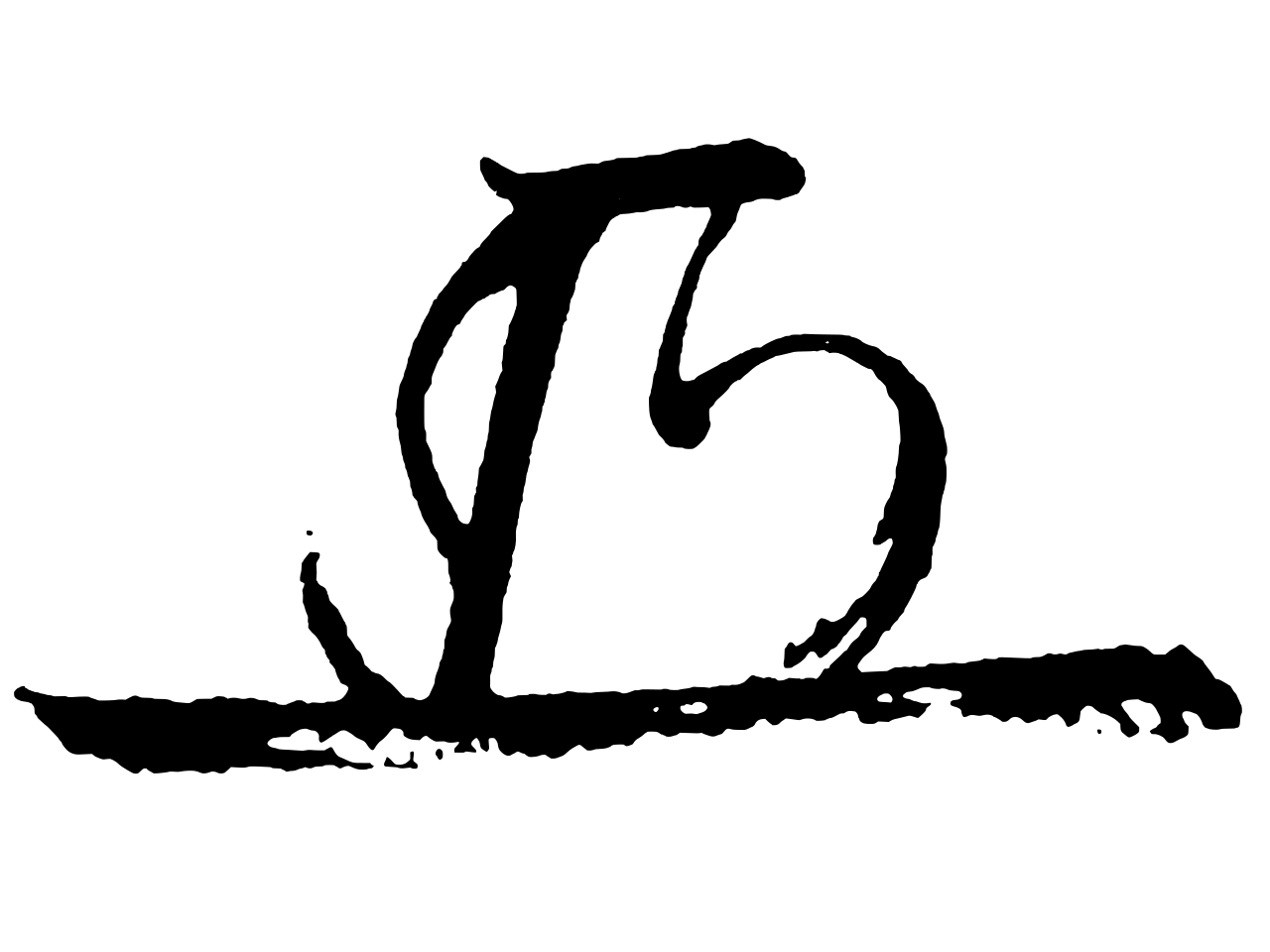
Tokugawa Ieyasu Handprint
A handprint preserved at Kunōzan Tōshō-gū and said to be Ieyasu's own, reflecting the reverence shown to him after death.
This relic, preserved at a shrine built in his honor, shows how Ieyasu was venerated after his death.
About this source
What it is
This is a black ink handprint on paper, mounted on a wooden log stump at Kunōzan Tōshō-gū, a shrine built to honor Tokugawa Ieyasu. A wooden plaque behind it records details identifying it as his.
Why it matters
After Ieyasu's death he was honored almost as a deity, and relics like this handprint show how his memory was preserved and venerated by later generations. It reflects how founders of long-lasting dynasties could become larger-than-life figures in death.
Look closer
- Why might a handprint be treasured as a relic of a powerful historical figure?
- What can the plaque's inscription tell us, and what can't it prove about the object's authenticity?
- How does this object show the difference between a person and the legend built around them?
This artifact is part of the curated material that grounds the AI version of Tokugawa Ieyasu on Humy.ai — when students ask about related events, the AI can quote it and cite it.
More Tokugawa Ieyasu sources
Browse all 94 →Primary source
Kinchū narabini Kuge Shohatto
Tokugawa Ieyasu · 1615
 Document
Primary source
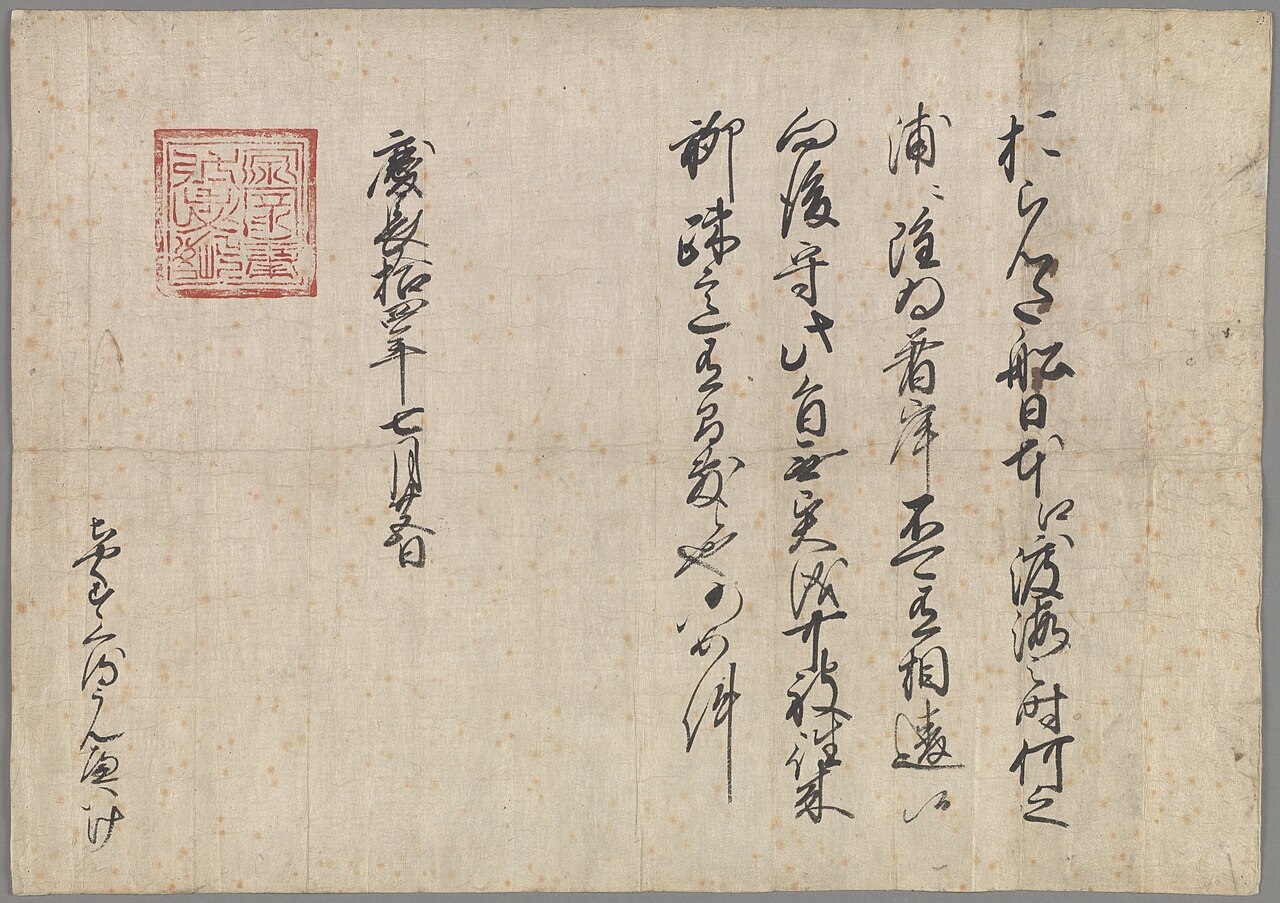
Trading Pass for Dutch Ships in Japan
Tokugawa Ieyasu · 24 August 1609
 Letter
Primary source
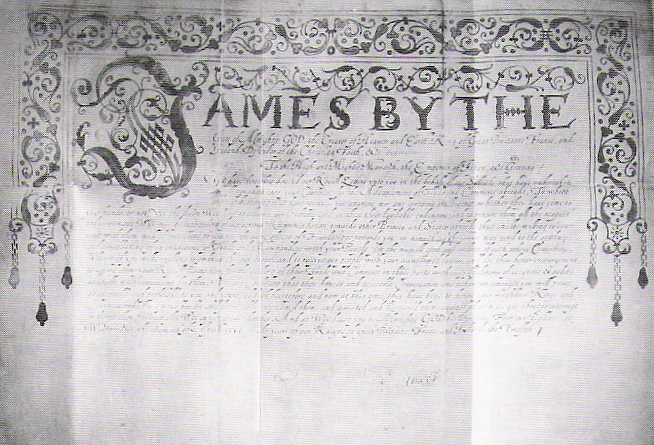
Letter of King James to Tokugawa Ieyasu
James VI and I · 1613
 Artifact
Secondary source
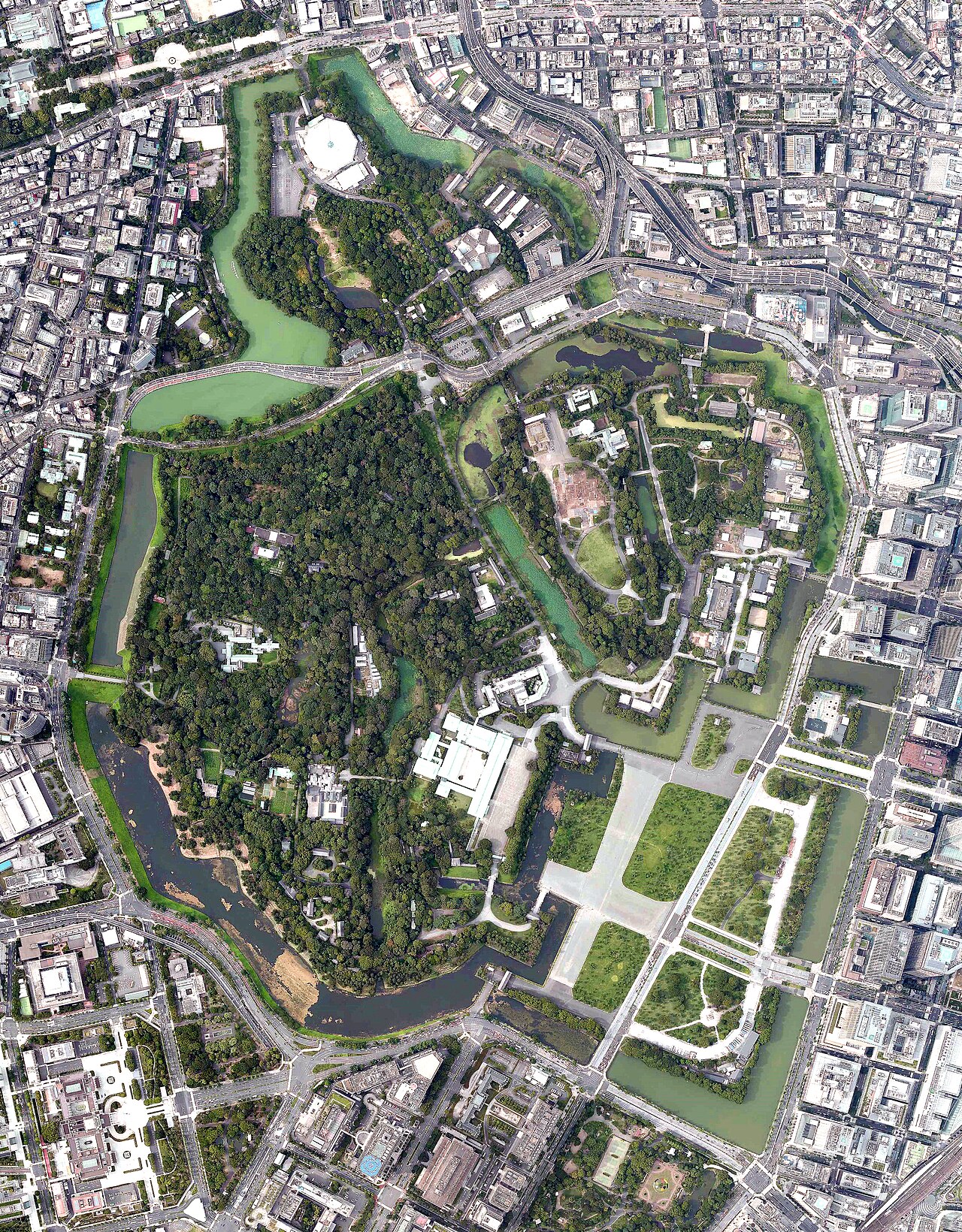
Edo Castle
Ōta Dōkan · 1457; expanded from 1590
Free account
Read every Tokugawa Ieyasu source
Sign up free →
Ready when you are
Start chatting with Tokugawa Ieyasu now.
20 messages free · No credit card · Available in 50+ languages.