


Primary sourceArtifact1573 or 1581 (made); presented 1611
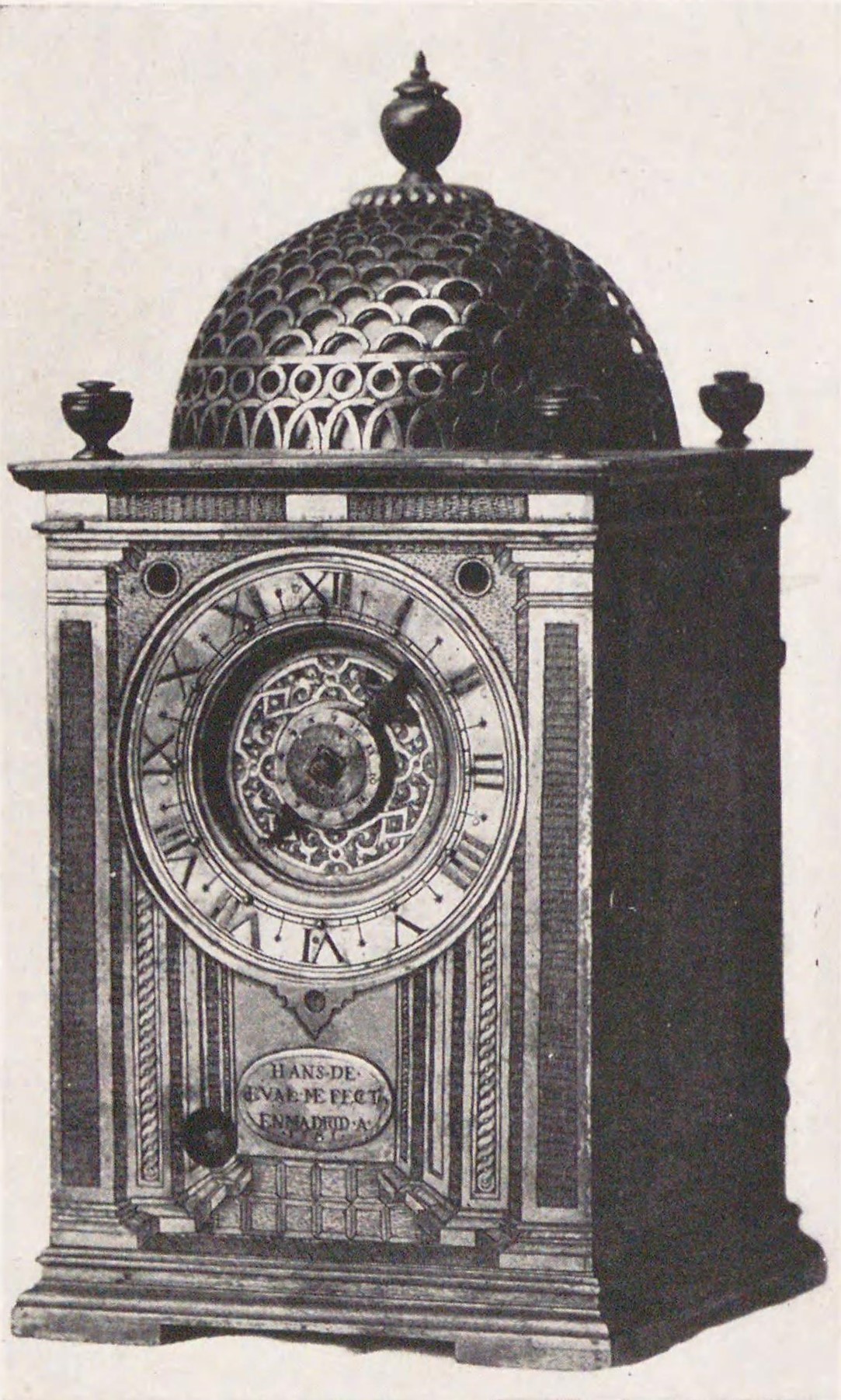
Tokugawa Ieyasu's Clock
Hans de Evalo (or Nicolaus de Troestenberch) · 1573 or 1581 (made); presented 1611
A gilt-bronze European clock given to Shogun Tokugawa Ieyasu by the King of Spain in 1611, now the oldest surviving clock in Japan.
This clock was a diplomatic gift received and treasured by Ieyasu, showing his contacts with the Spanish empire.
About this source
What it is
This is a gilt-bronze spring-loaded clock, made in Madrid in the late 16th century by a royal clockmaker. It was sent to Japan as a gift from King Philip III of Spain and the Viceroy of New Spain, delivered to Tokugawa Ieyasu in 1611. It is now kept at the Kunōzan Tōshō-gū Museum.
Why it matters
The clock is the oldest surviving clock in Japan and one of the few clocks of its era anywhere in the world with nearly all its original parts intact. It arrived after Japanese villagers rescued a shipwrecked Spanish crew, leading to diplomatic contact between Ieyasu and Spain. Ieyasu displayed it proudly but never used it to tell time, since it did not match the Japanese calendar.
Look closer
- Why might Ieyasu have kept the clock as a treasure rather than as a working timepiece?
- What does this gift tell us about trade and diplomacy between Japan and Spain in the early 1600s?
- Why has the clock survived almost unchanged for so long?
This artifact is part of the curated material that grounds the AI version of Tokugawa Ieyasu on Humy.ai — when students ask about related events, the AI can quote it and cite it.
More Tokugawa Ieyasu sources
Browse all 94 →Primary source
Kinchū narabini Kuge Shohatto
Tokugawa Ieyasu · 1615
 Document
Primary source
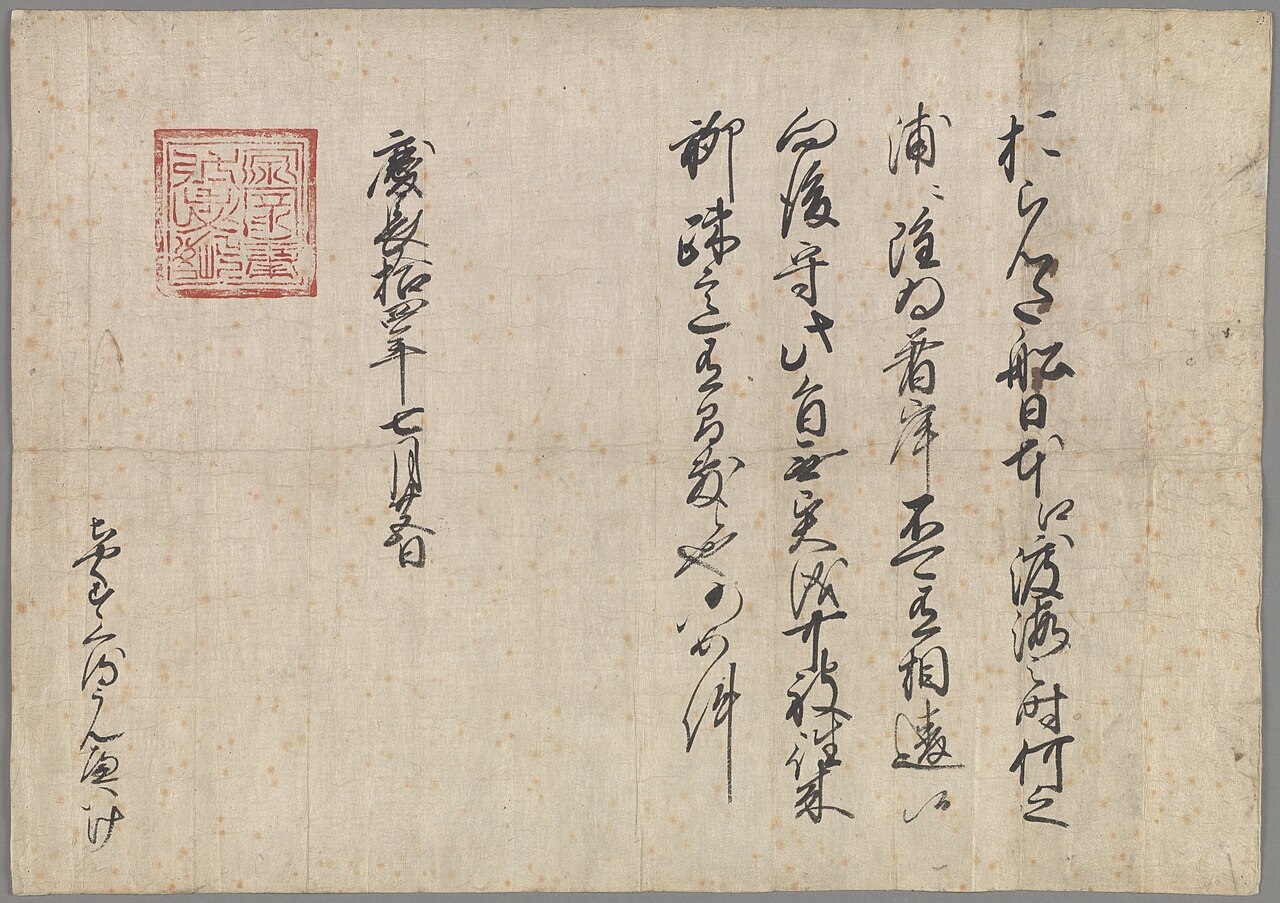
Trading Pass for Dutch Ships in Japan
Tokugawa Ieyasu · 24 August 1609
 Letter
Primary source
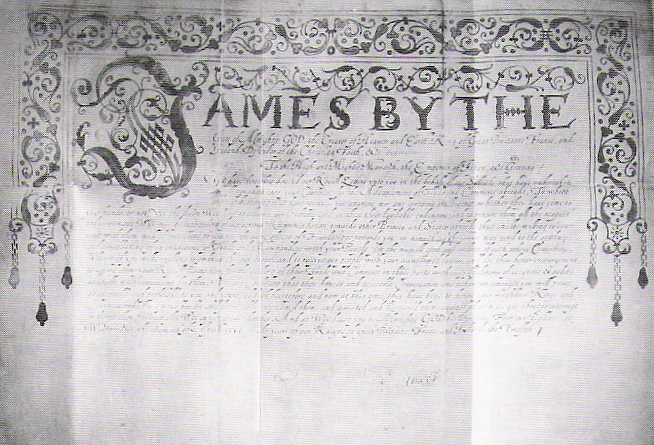
Letter of King James to Tokugawa Ieyasu
James VI and I · 1613
 Artifact
Secondary source
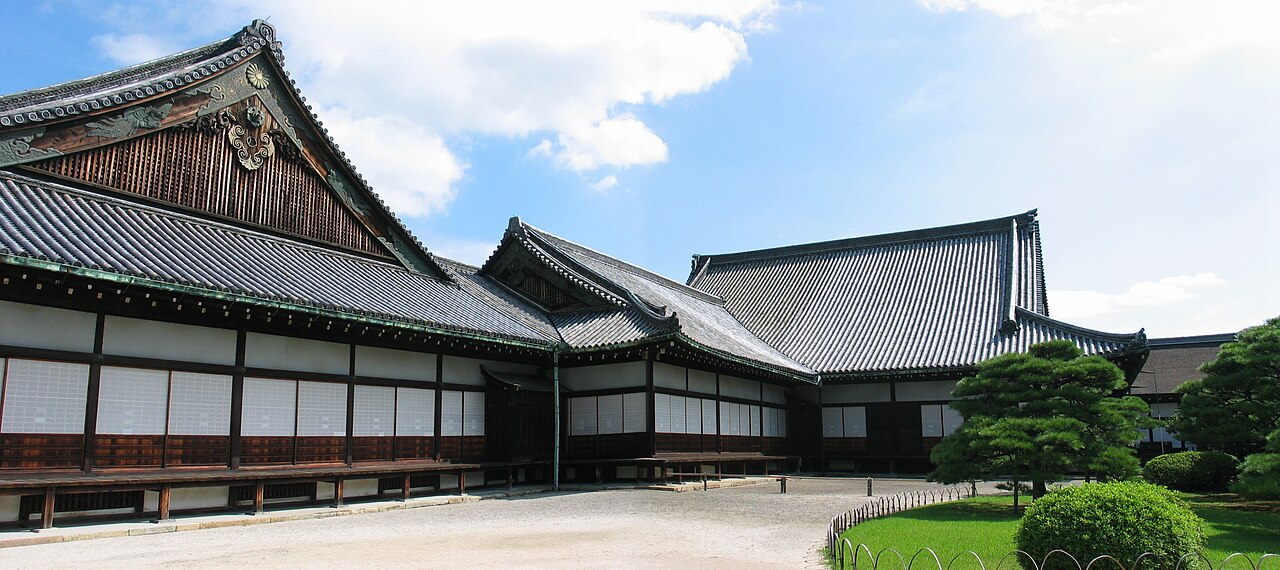
Edo Castle
Ōta Dōkan · 1457; expanded from 1590

Free account
Read every Tokugawa Ieyasu source
Sign up free →
Ready when you are
Start chatting with Tokugawa Ieyasu now.
20 messages free · No credit card · Available in 50+ languages.