


Primary sourcePainting1792
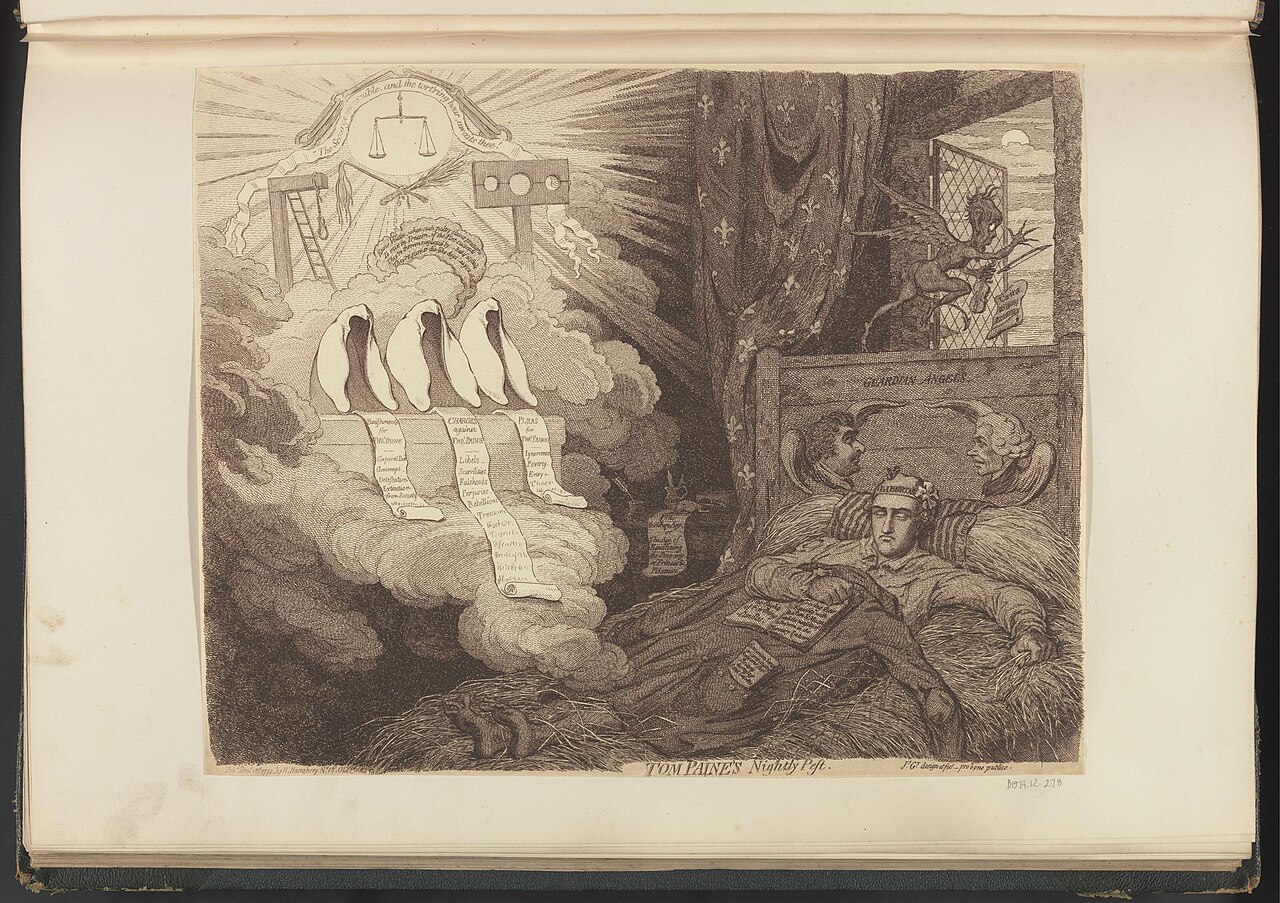
Tom Paine's Nightly Pest
James Gillray · 1792
A 1792 satirical etching by James Gillray showing Paine tormented in his sleep, reflecting British loyalist hostility to his writings.
This satirical print mocks Paine's guilt and fear over the backlash to Rights of Man, showing how Britain's establishment viewed him.
About this source
What it is
This is an etching made in 1792 by the English caricaturist James Gillray, held by the Library of Congress. It shows a sleeping man in bed beneath a canopy, with a devil at the window above him and a guardian angel and robed figures in the clouds holding a scale of justice.
Why it matters
The print mocks Thomas Paine, imagining him haunted by guilt or fear over the controversy caused by his book Rights of Man. It reflects the hostility of the British establishment toward Paine's radical ideas in 1792, a time when his writings were seen as dangerous to the government and social order.
Look closer
- What do the devil and the angel represent in this image?
- Why would a caricaturist want to show Paine suffering at night rather than arguing in public?
- What does this image tell you about how Paine was viewed by his opponents in Britain?
This painting is part of the curated material that grounds the AI version of Thomas Paine on Humy.ai — when students ask about related events, the AI can quote it and cite it.
More Thomas Paine sources
Meet the AI Thomas Paine →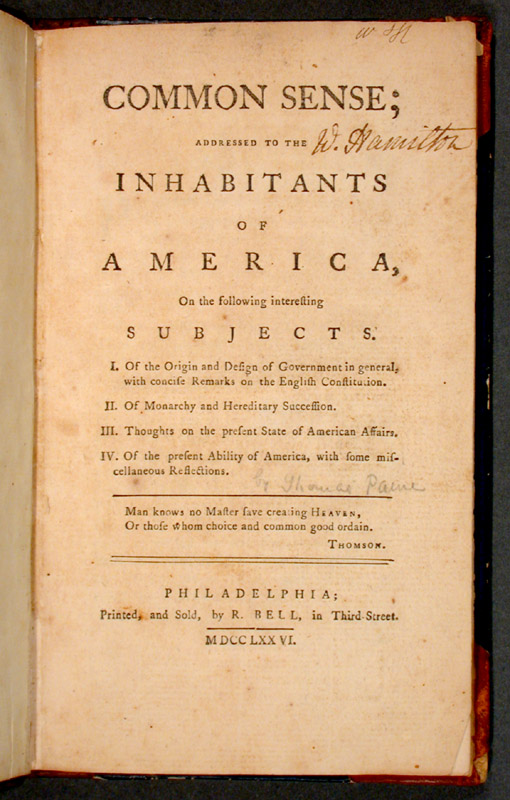 Book
Primary source
Common Sense
Thomas Paine · 10 January 1776
 Book
Primary source
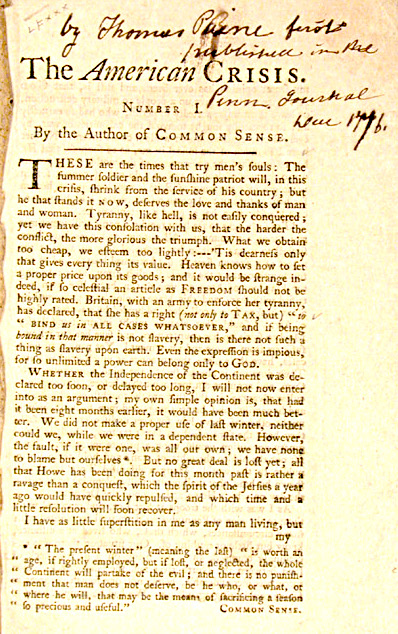
The American Crisis
Thomas Paine · 1776-1783
 Book
Primary source
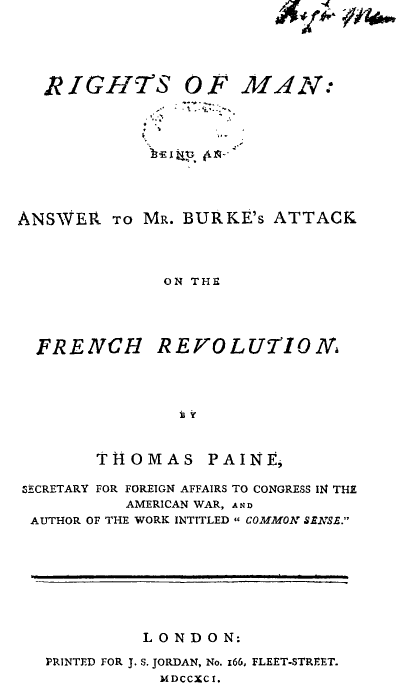
Rights of Man
Thomas Paine · 1791-1792
 Book
Primary source
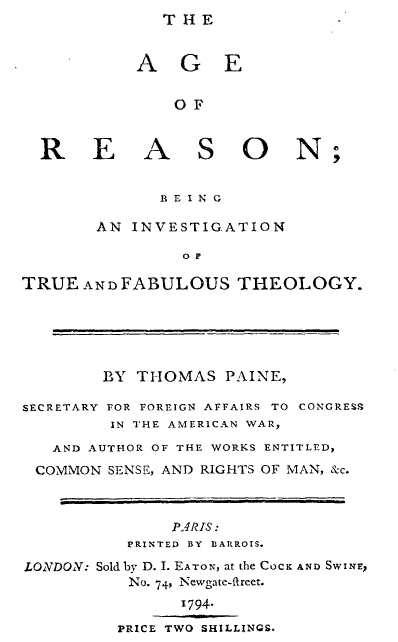
The Age of Reason
Thomas Paine · 1794-1807
 Document
Primary source
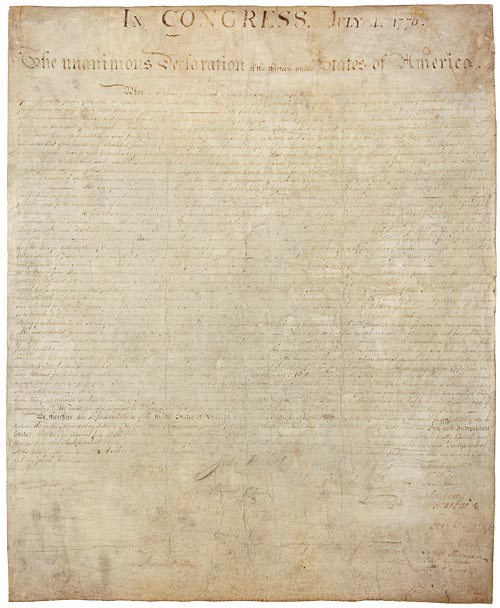
Declaration of Independence
Continental Congress (drafted by Thomas Jefferson) · 1776
Ready when you are
Start chatting with Thomas Paine now.
20 messages free · No credit card · Available in 50+ languages.