


Secondary sourceSculpture15th century
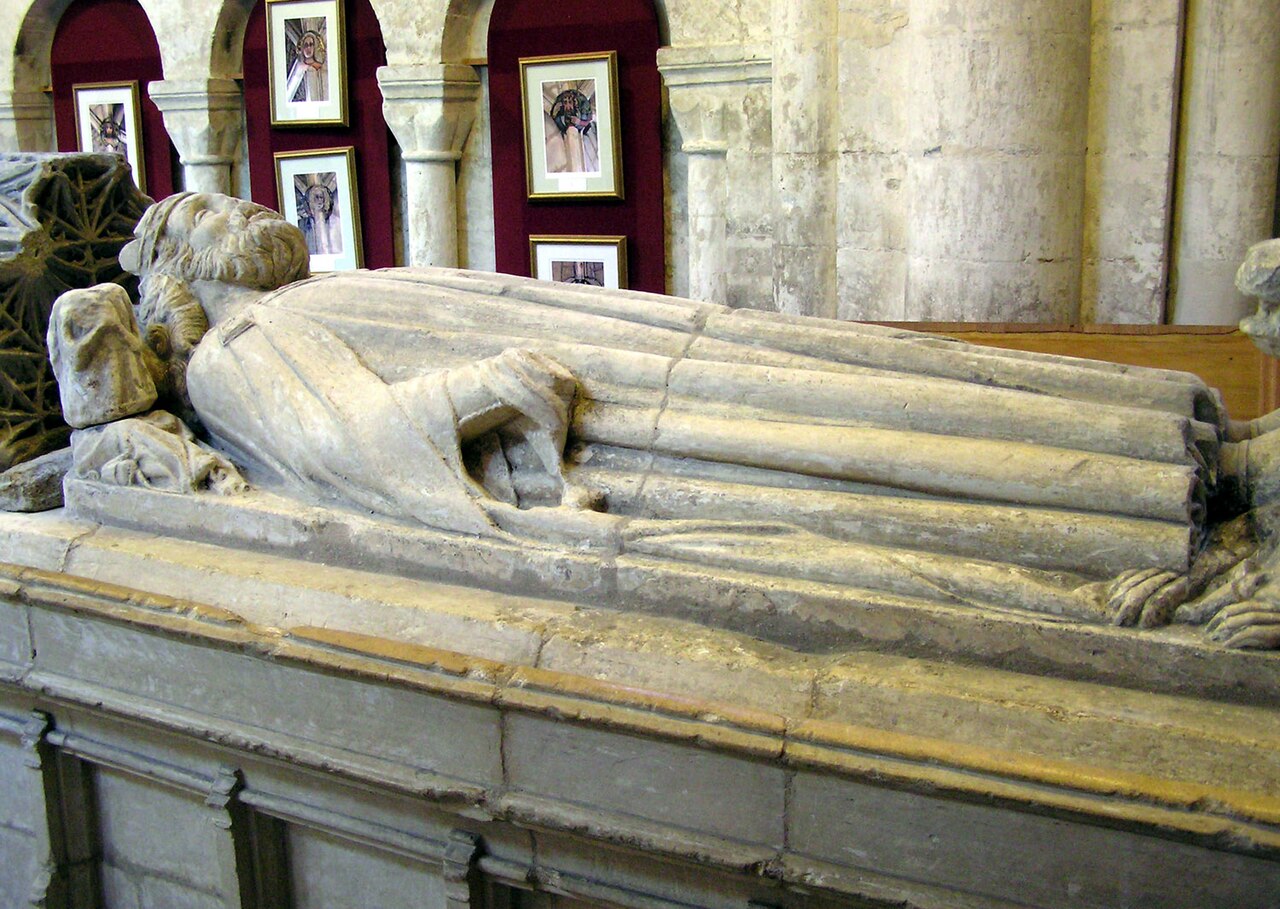
Tomb Effigy of King Æthelstan
15th century
A stone effigy on Æthelstan's tomb at Malmesbury Abbey, the burial place he chose, showing a crowned and bearded king.
This tomb effigy, often used as a visual stand-in for Æthelstan's portrait, marks his chosen burial place.
About this source
What it is
This photograph shows the stone effigy on Æthelstan's tomb at Malmesbury Abbey, carved in the 15th century, long after his death in 939. The figure is shown crowned, bearded, and robed, lying on a tomb chest.
Why it matters
Æthelstan chose to be buried at Malmesbury Abbey, and this tomb reflects how later medieval England remembered him as a founding king of a united England. Since it was made centuries after he lived, it tells us more about his later reputation than about his true appearance.
Look closer
- What symbols of kingship — crown, robes, posture — can you identify on the effigy?
- Why do you think this image is often used as a stand-in portrait of Æthelstan, even though no contemporary portrait survives?
- How might a tomb like this shape the way people today imagine a king who lived over a thousand years ago?
This sculpture is part of the curated material that grounds the AI version of Aethelstan on Humy.ai — when students ask about related events, the AI can quote it and cite it.
More Aethelstan sources
Meet the AI Aethelstan →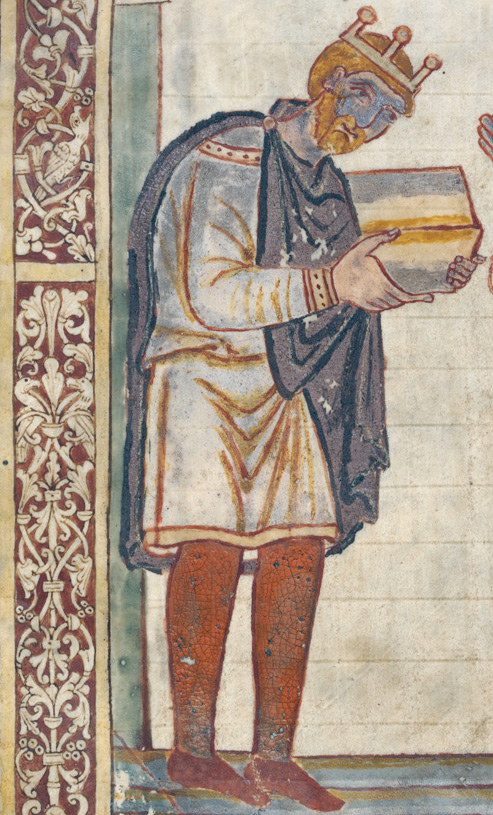 Painting
Primary source
Æthelstan Presenting a Book to St Cuthbert
c. 934
 Document
Primary source
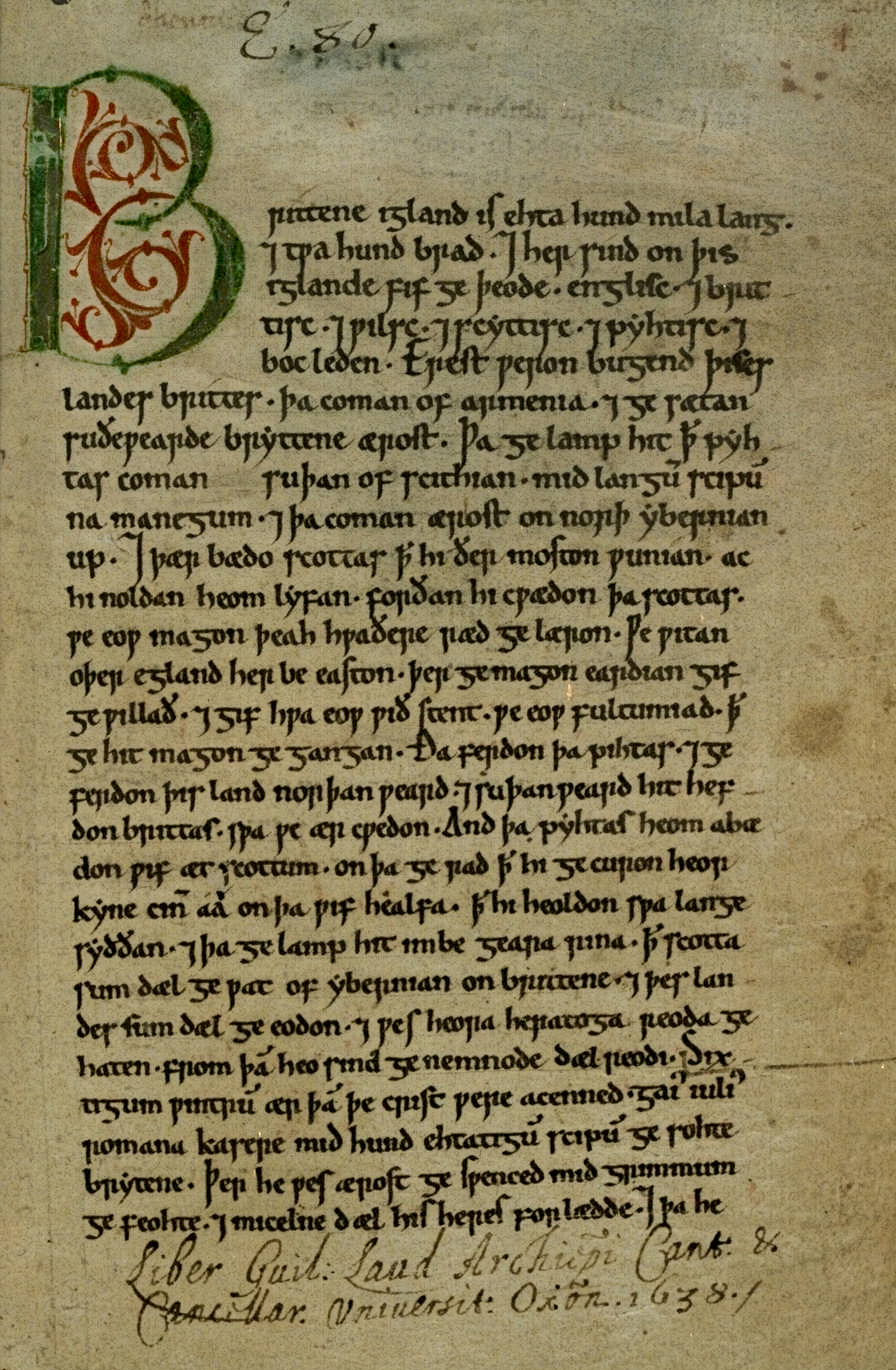
Anglo-Saxon Chronicle
c. 890 (Common Stock)
 Document
Secondary source
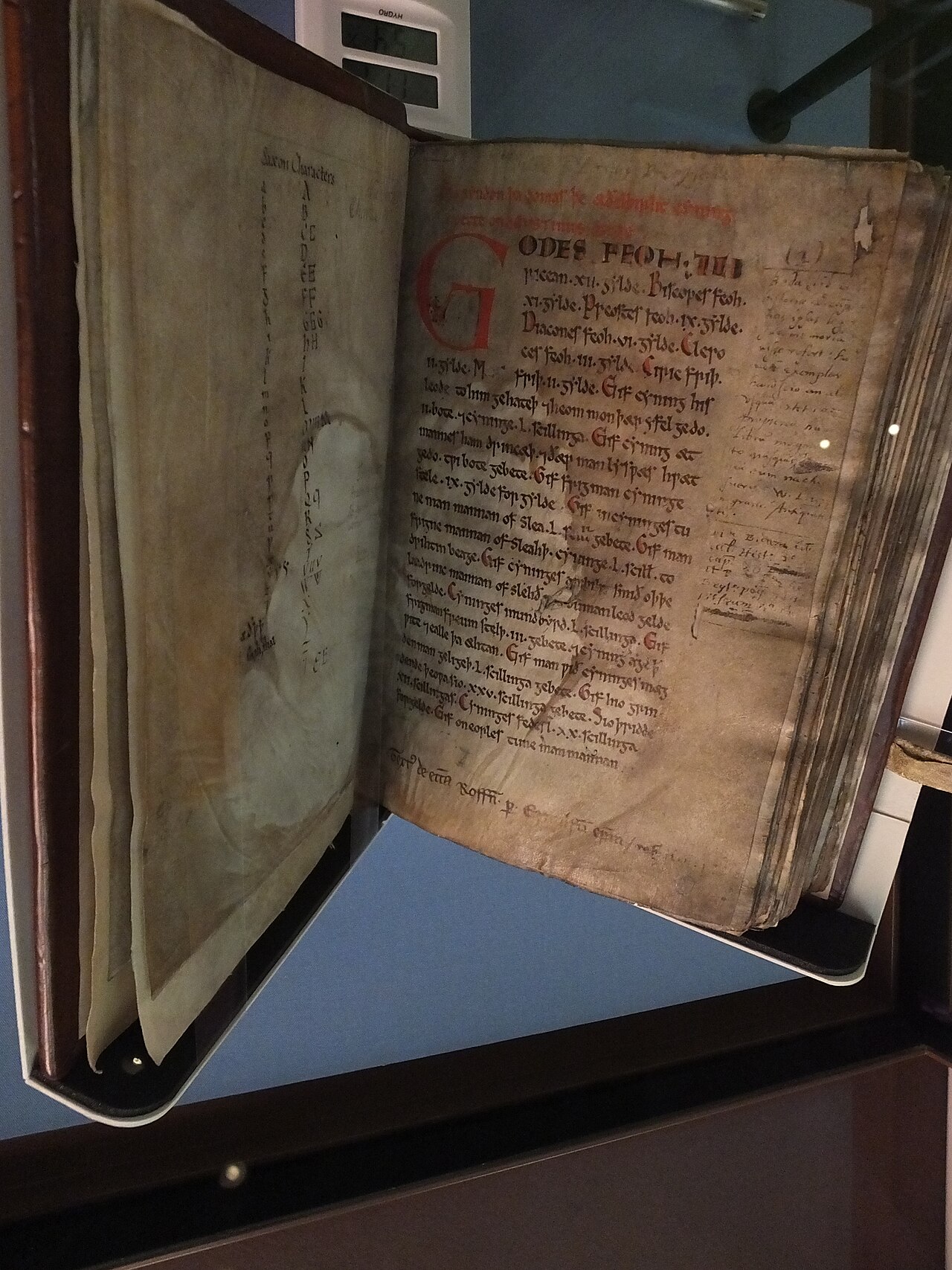
Textus Roffensis
c. 1300 (this copy; text 1122-1124)
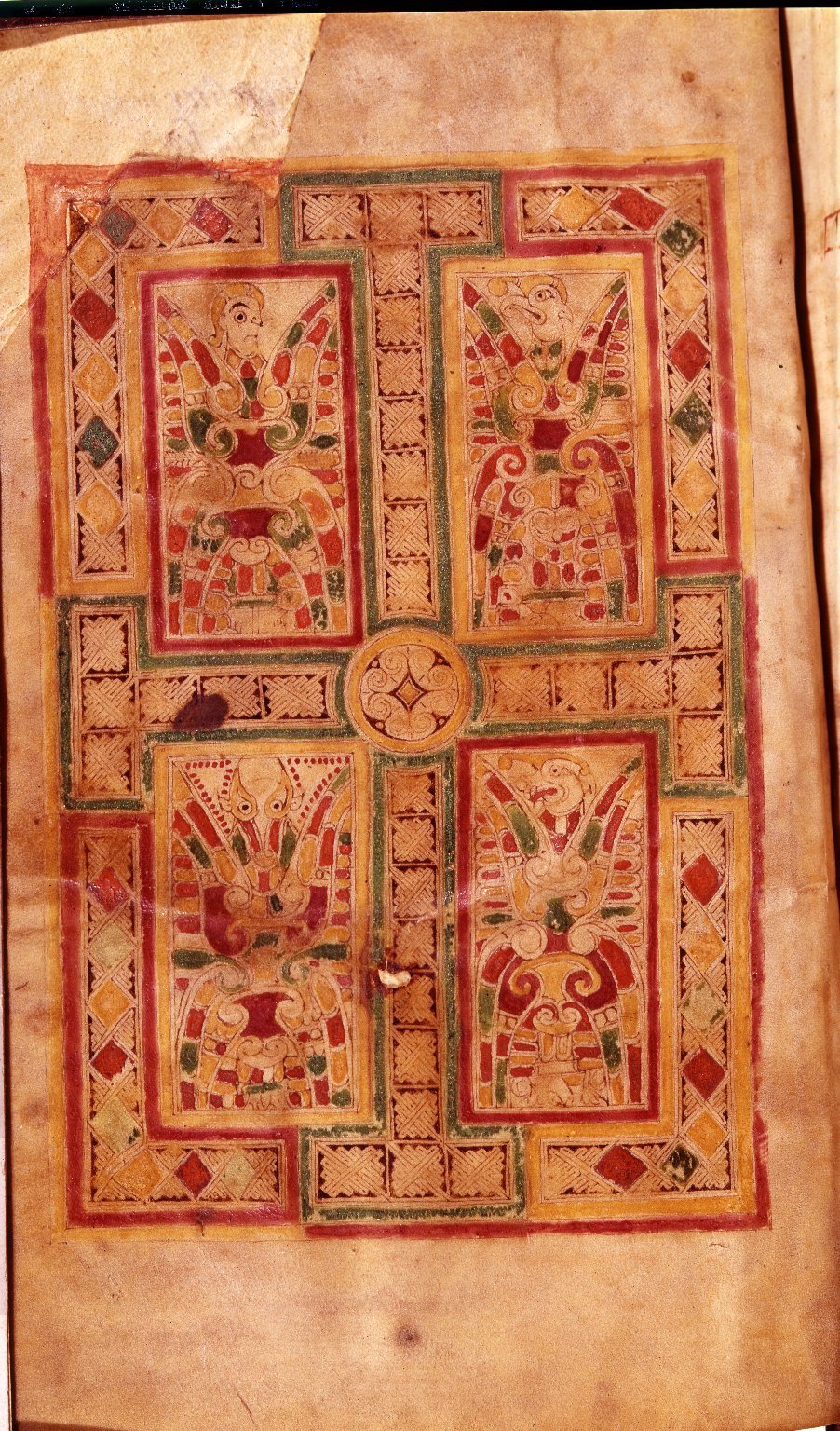 Book
Primary source
Mac Durnan Gospels
9th-10th century
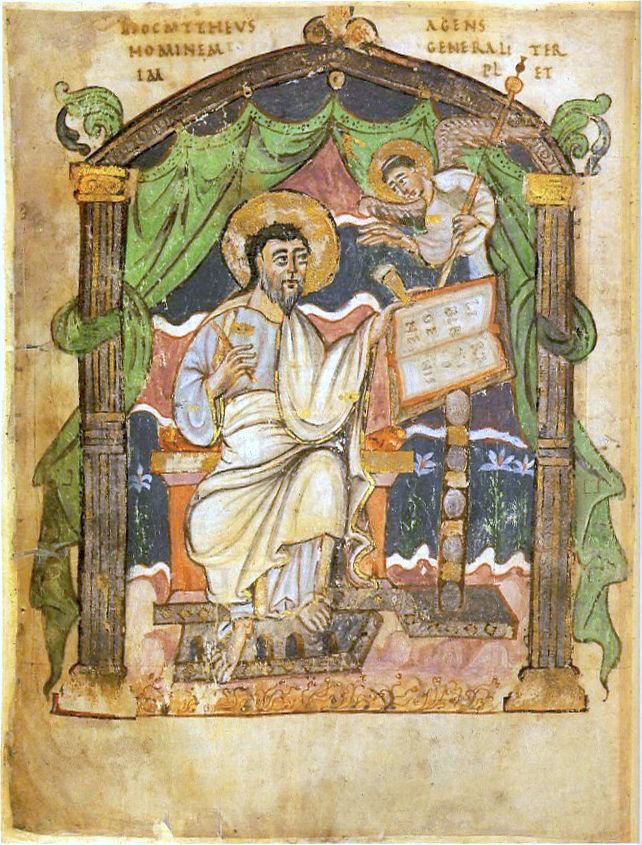 Book
Primary source
Coronation Gospels of Æthelstan
late 9th or early 10th century
Ready when you are
Start chatting with Aethelstan now.
20 messages free · No credit card · Available in 50+ languages.