


Primary sourceArtifact
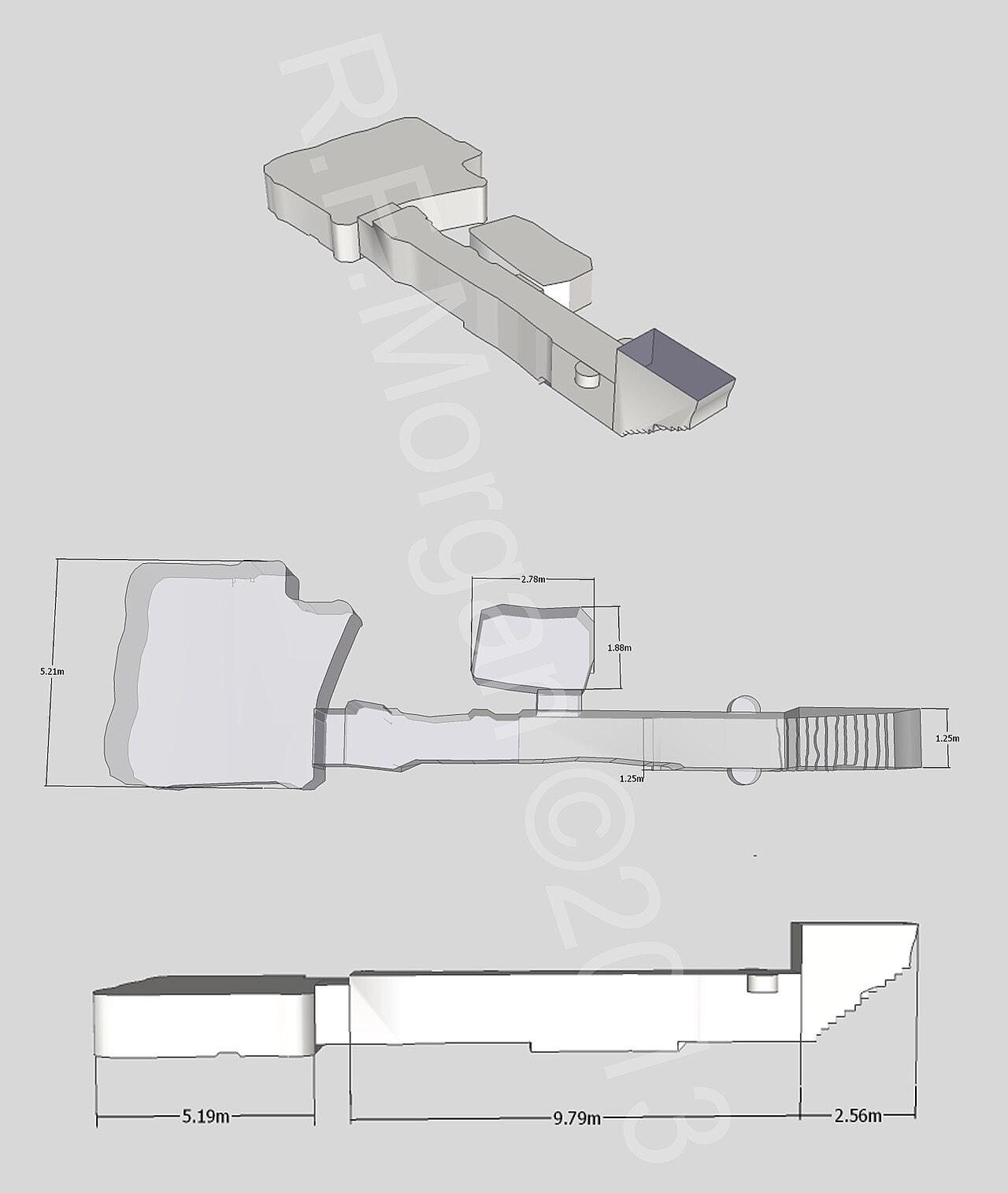
Tomb KV60
A small tomb in the Valley of the Kings where a female mummy, possibly Hatshepsut, was discovered.
This tomb held the mummy some scholars identify as Hatshepsut herself, central to debates about her fate.
About this source
What it is
KV60 is a small, plain tomb in the Valley of the Kings. It was discovered by Howard Carter in 1903 and re-excavated by Donald P. Ryan in 1989. Inside were two female mummies, one of which some Egyptologists, including Elizabeth Thomas and Zahi Hawass, identify as Hatshepsut.
Why it matters
The uncertain identity of the mummy found here is central to the story of Hatshepsut's afterlife and to a 2007 identification effort. The tomb's ransacked state and the attempt to link a mummy to Hatshepsut show how archaeologists piece together evidence long after a pharaoh's death, and how incomplete records from early excavations can create lasting mysteries.
Look closer
- What kinds of evidence would archaeologists need to prove a mummy's identity?
- Why might the tomb's ransacked condition make identification harder?
- What does the debate over this mummy show about the limits of ancient evidence?
This artifact is part of the curated material that grounds the AI version of Hatshepsut on Humy.ai — when students ask about related events, the AI can quote it and cite it.
More Hatshepsut sources
Meet the AI Hatshepsut →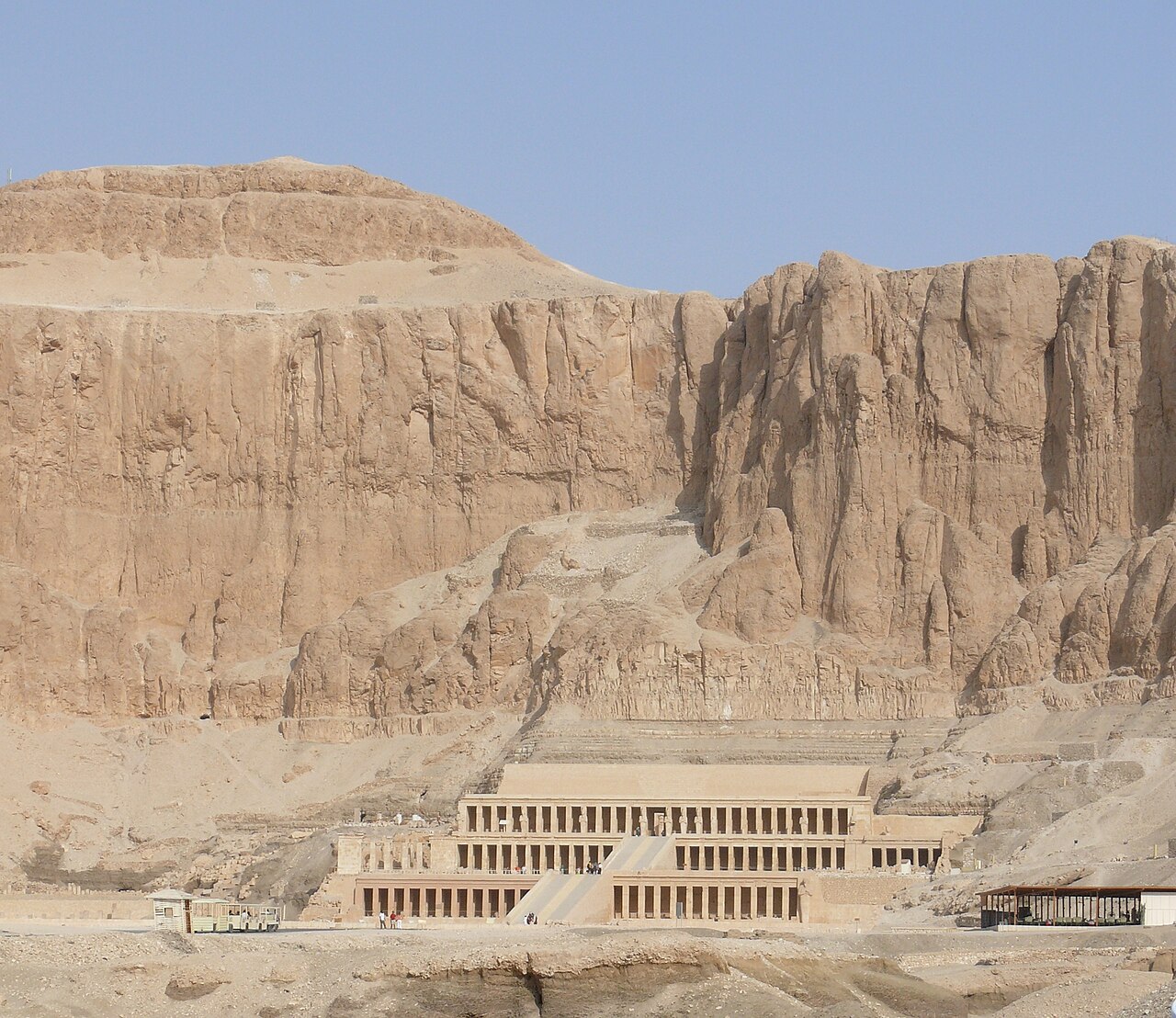 Artifact
Primary source
Mortuary Temple of Hatshepsut
Senenmut and/or Hapuseneb (attributed) · c. 1479–1458 BCE
 Photograph
Secondary source
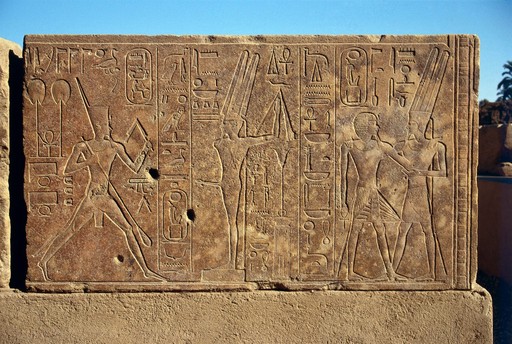
Hatshepsut Dancing Before Min, Karnak Relief
Carole Reeves · 1989
 Sculpture
Primary source
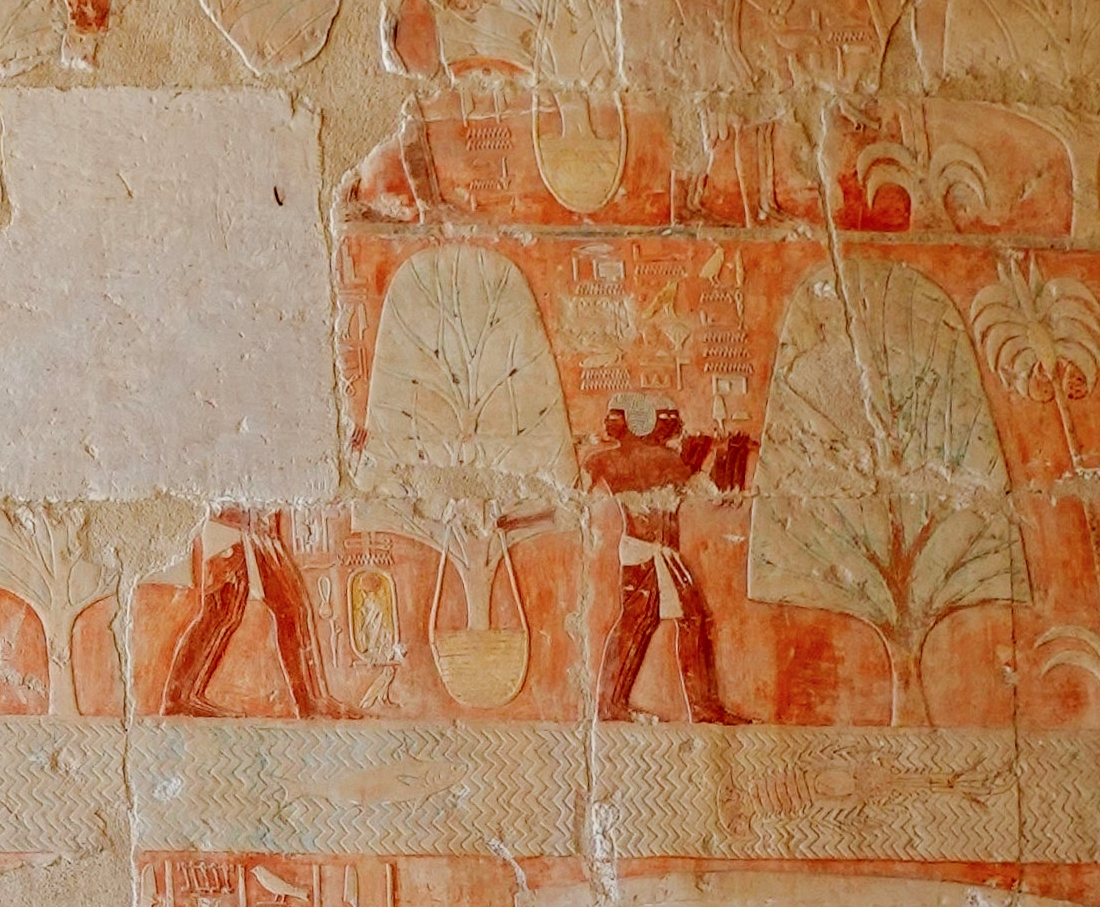
Punt Expedition Reliefs
Royal workshops of Hatshepsut · c. 1470 BCE
 Sculpture
Primary source
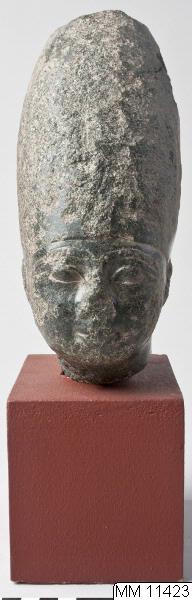
Sculpture Head Probably of Hatshepsut
 Sculpture
Primary source
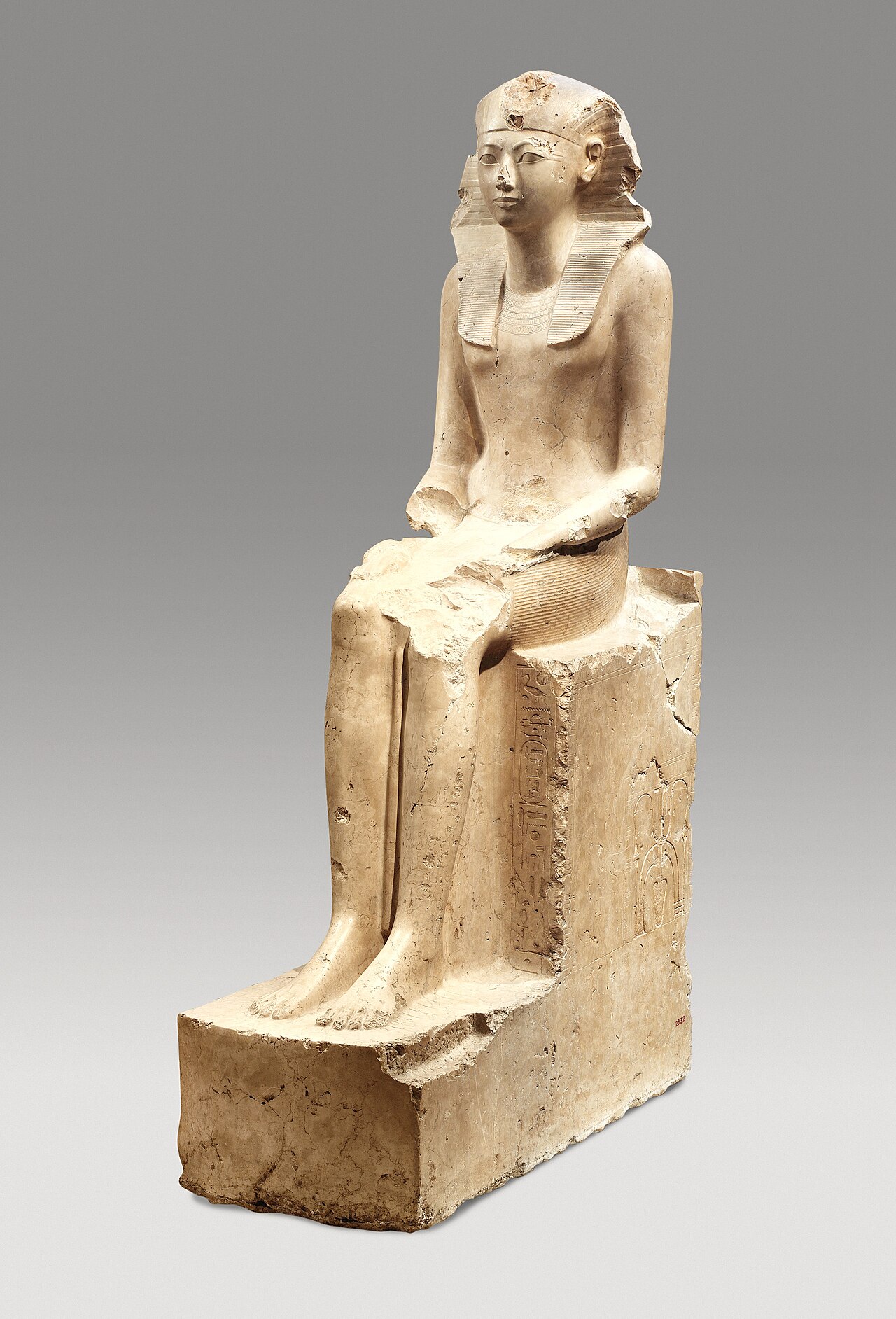
Seated Statue of Hatshepsut
c. 1466 BCE
Ready when you are
Start chatting with Hatshepsut now.
20 messages free · No credit card · Available in 50+ languages.