


Secondary sourceArtifactend of 15th century
Tomb of Askia
end of 15th century
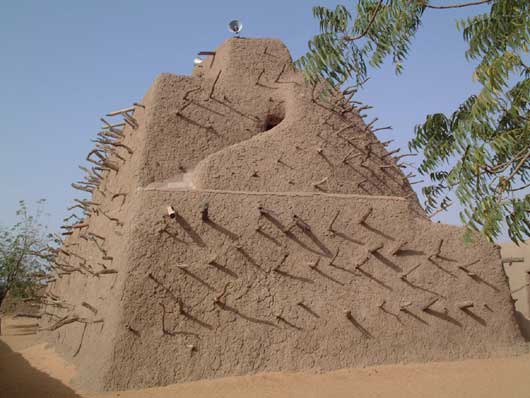
A pyramidal mud-brick monument in Gao built for Askia Muhammad, the ruler who overthrew Sonni Ali's dynasty.
Built for Askia Muhammad, the usurper who overthrew Sonni Ali's dynasty and founded a new ruling line.
About this source
What it is
The Tomb of Askia in Gao, Mali, is believed to be the burial place of Askia Muhammad I, built at the end of the 15th century. It is a large pyramidal structure made with mud and wood reportedly brought back from Mecca, and includes mosques, a cemetery, and an assembly ground.
Why it matters
Askia Muhammad seized power from Sonni Ali's son and successor, ending the Sonni dynasty and founding the Askia dynasty. This tomb is a monument to the new, more orthodox Islamic rule that replaced Sonni Ali's line, and its scale shows how firmly Askia Muhammad established his authority and legacy over the empire Sonni Ali had built.
Look closer
- Why might Askia Muhammad have wanted such a large and lasting monument built for himself?
- What does the building's materials and construction tell us about Songhay connections to the wider Islamic world?
- How does this monument help us understand the change of power after Sonni Ali's death?
This artifact is part of the curated material that grounds the AI version of Sunni Ali on Humy.ai — when students ask about related events, the AI can quote it and cite it.
More Sunni Ali sources
Meet the AI Sunni Ali →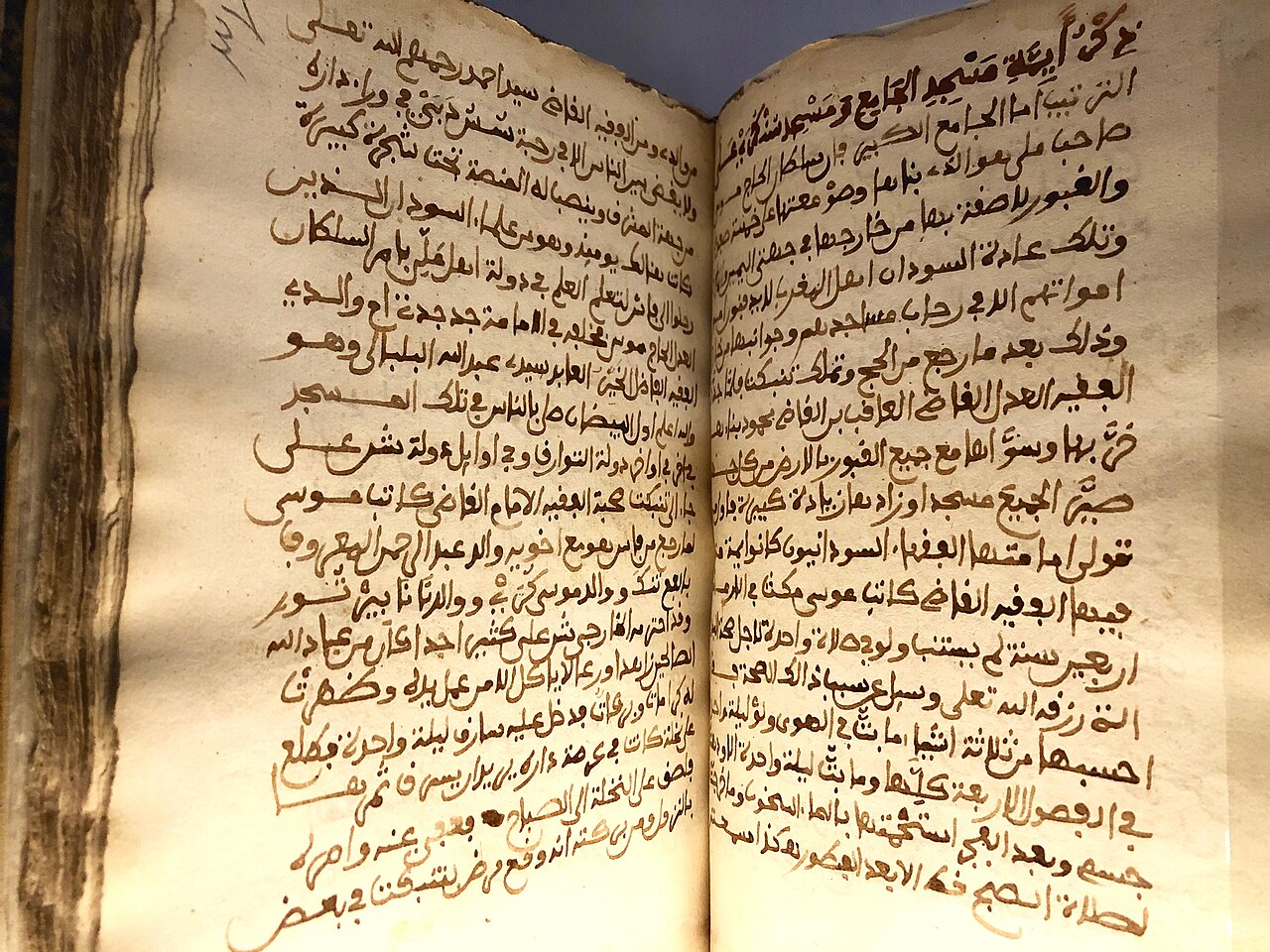 Book
Secondary source
Tarikh al-Sudan
Abderrahmane Es Saâdi · c. 1655
 Book
Secondary source
Description of Africa
Leo Africanus · 1526 (published 1550)
 Artifact
Secondary source
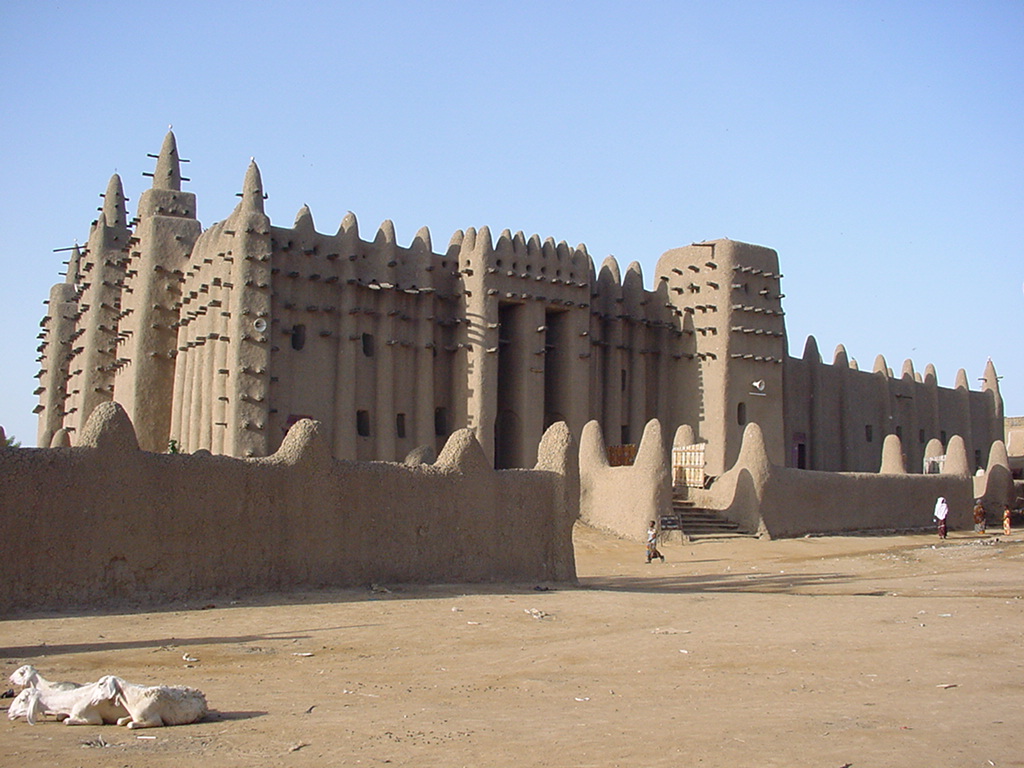
Great Mosque of Djenné
Ismaila Traoré · 1906-1907 (present structure)
 Artifact
Secondary source
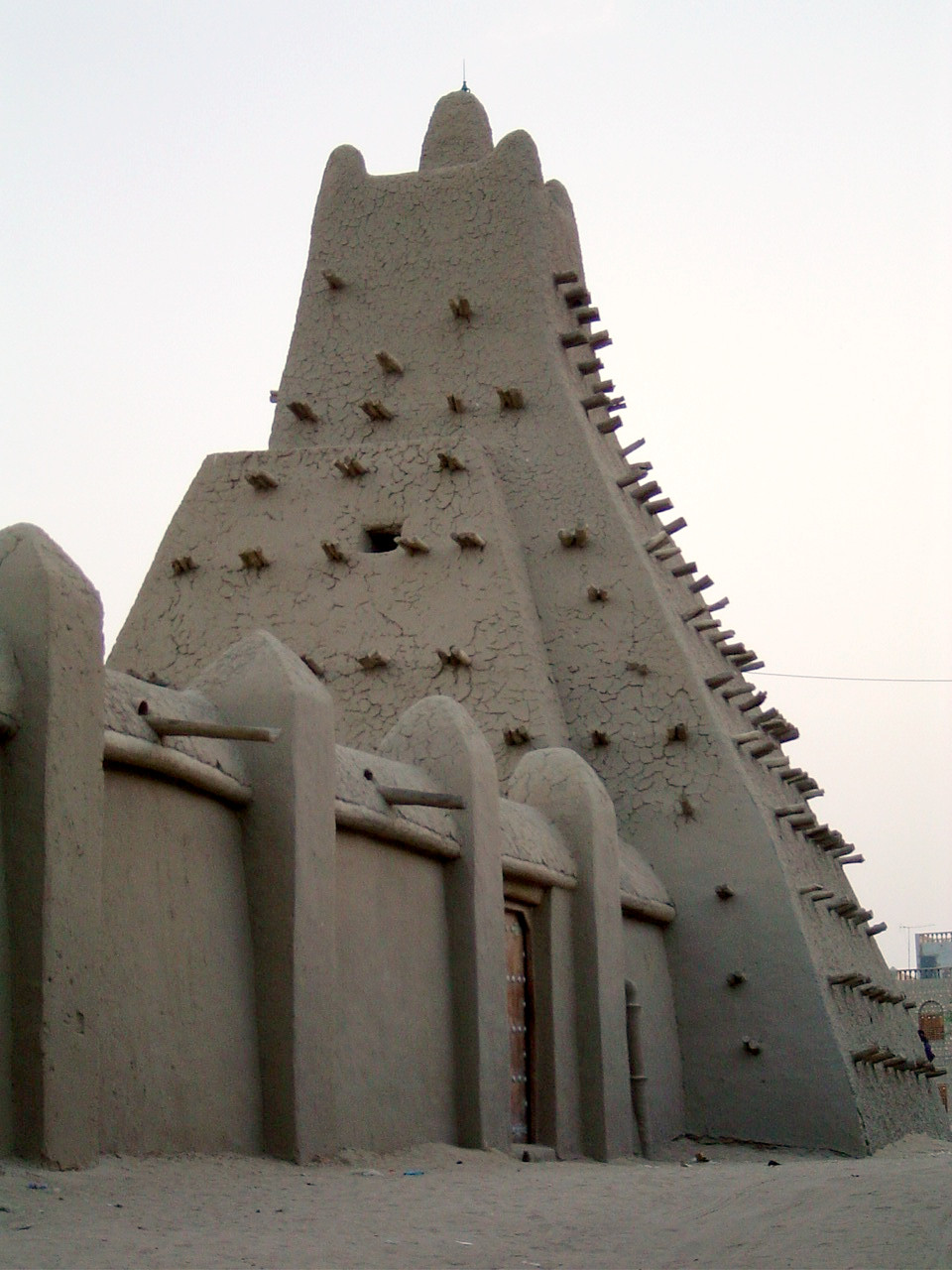
Sankoré Madrasa
14th-15th century
 Artifact
Secondary source
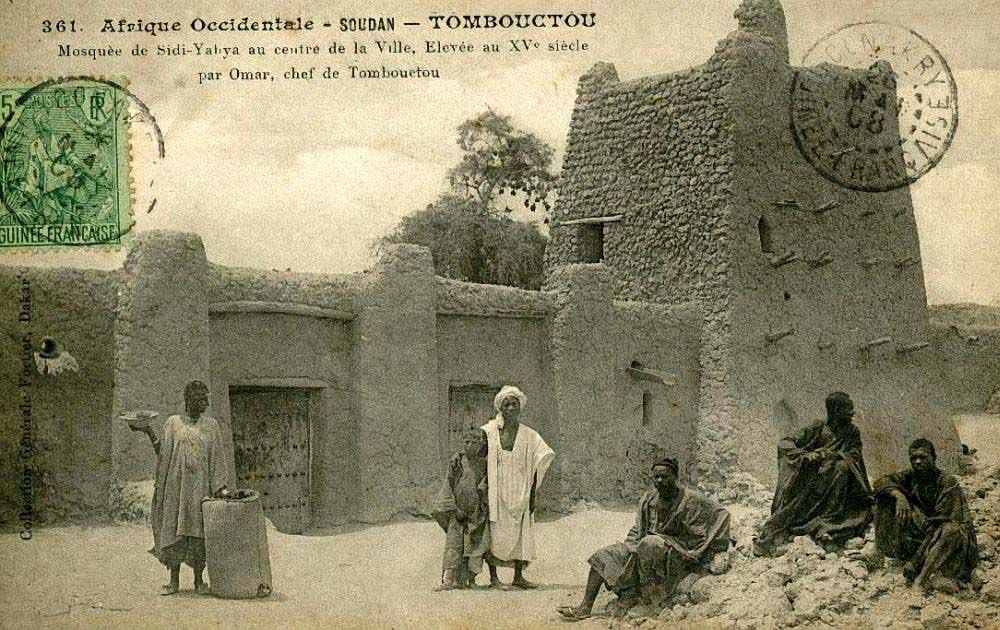
Sidi Yahya Mosque
c. 1400-1440
Ready when you are
Start chatting with Sunni Ali now.
20 messages free · No credit card · Available in 50+ languages.