


Secondary sourceArtifact1906-1907 (present structure)
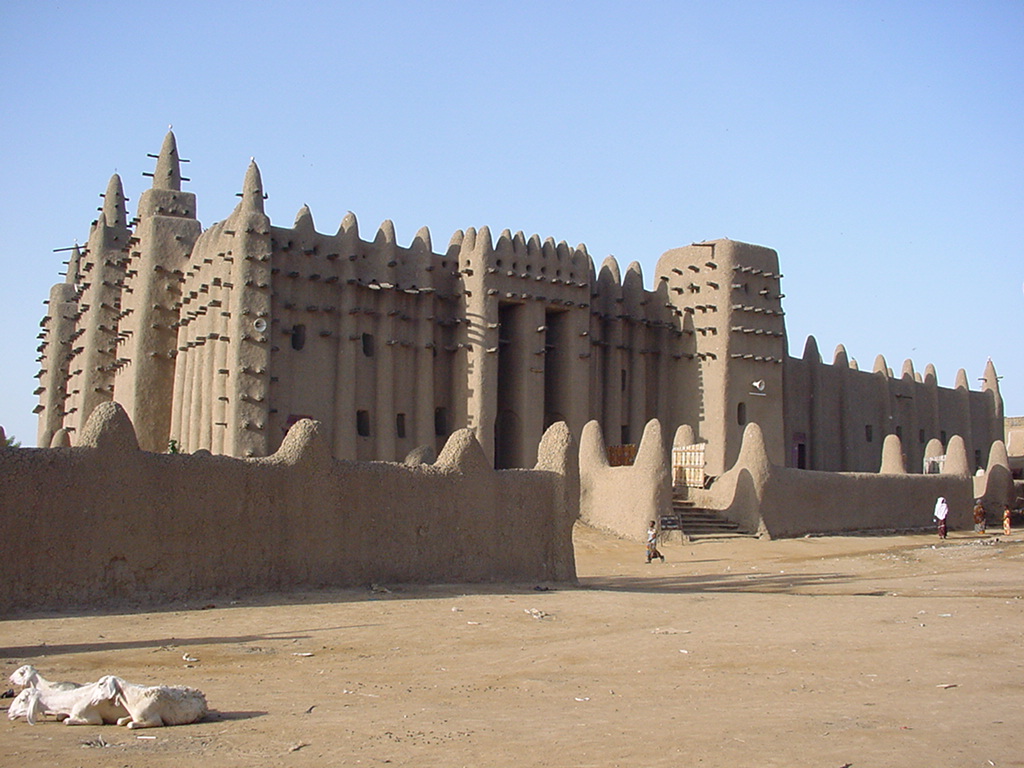
Great Mosque of Djenné
Ismaila Traoré · 1906-1907 (present structure)
The largest mud-brick building in the world, standing on the site of a much older mosque in a major trading city of Mansa Musa's empire.
This mosque in a trading city of Musa's empire reflects the mud-brick building tradition his own mosque projects drew on.
About this source
What it is
The Great Mosque of Djenné, Mali, is the largest adobe building in the world. A mosque first stood on this site perhaps as early as the 13th century, but the structure seen today dates from a 1907 rebuilding. It sits in the Inland Niger Delta city of Djenné, a UNESCO World Heritage Site.
Why it matters
Djenné was a major trading town within the Mali Empire that Mansa Musa ruled, and the Sudano-Sahelian mud-brick building style seen here is the same tradition his own mosque-building projects, including in Timbuktu, drew on. The mosque's long history of destruction and rebuilding, recorded by chroniclers and French explorers, shows how much of the medieval original has been lost.
Look closer
- Why might it matter that the current building is a 1907 reconstruction rather than the medieval original?
- What clues in the building's materials and shape connect it to the same tradition as Musa's mosque-building?
- What was lost when the earlier mosques on this site were destroyed and rebuilt?
This artifact is part of the curated material that grounds the AI version of Mansa Musa and Sunni Ali on Humy.ai — when students ask about related events, the AI can quote it and cite it.
More Mansa Musa sources
Meet the AI Mansa Musa →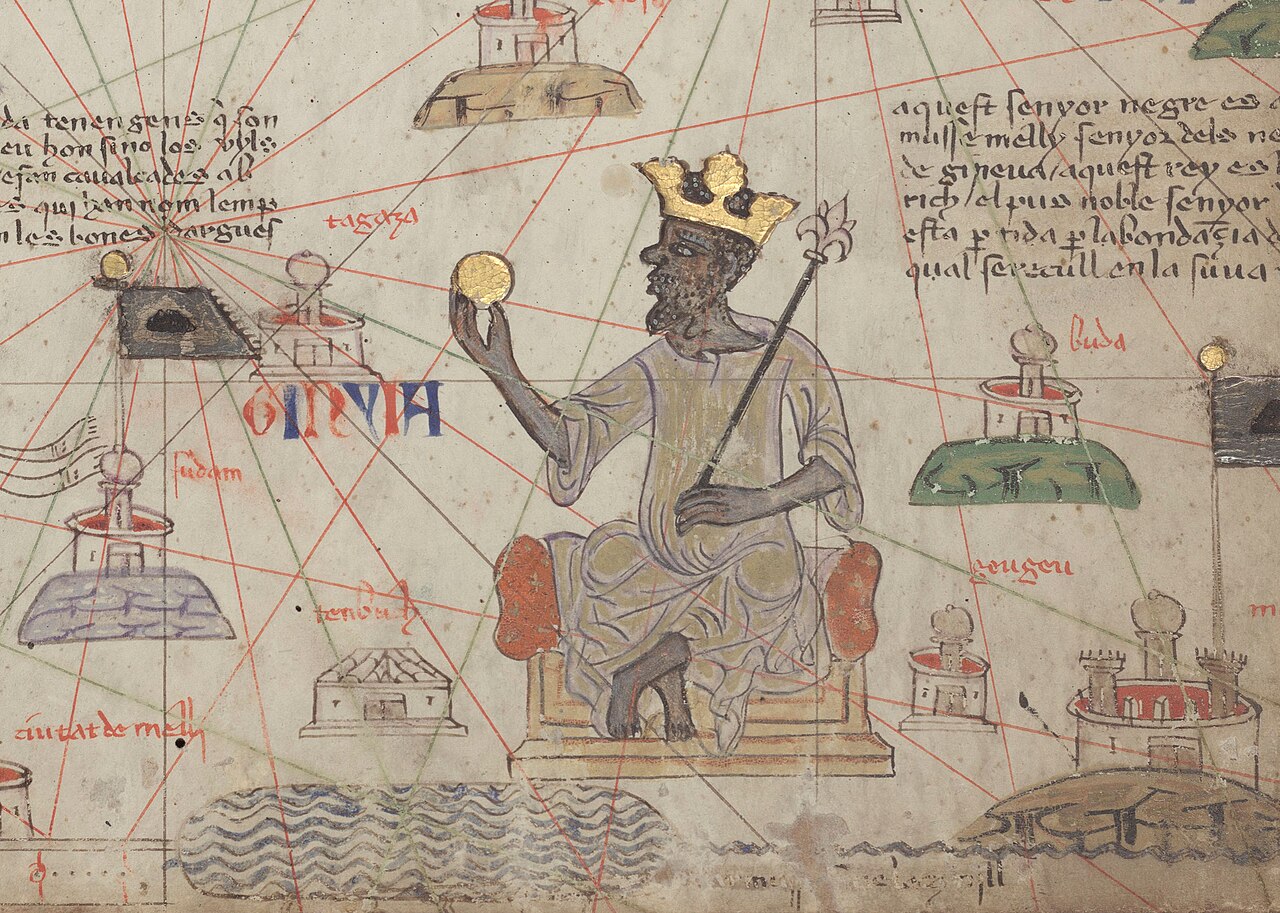 Painting
Secondary source
Catalan Atlas: Mansa Musa Enthroned
Abraham Cresques (attributed) · 1375
 Book
Secondary source
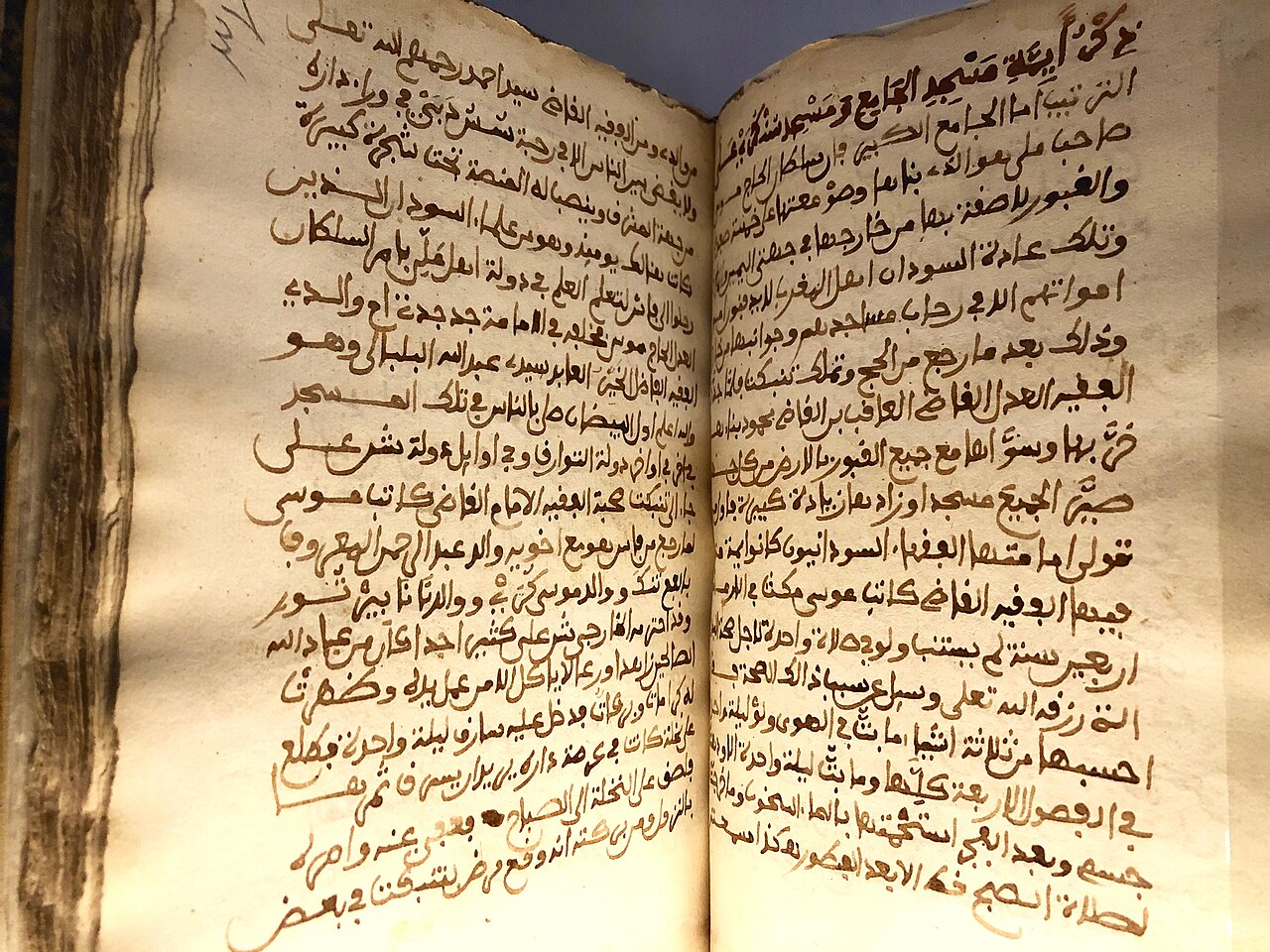
Tarikh al-Sudan
Abderrahmane Es Saâdi · c. 1655
 Artifact
Secondary source
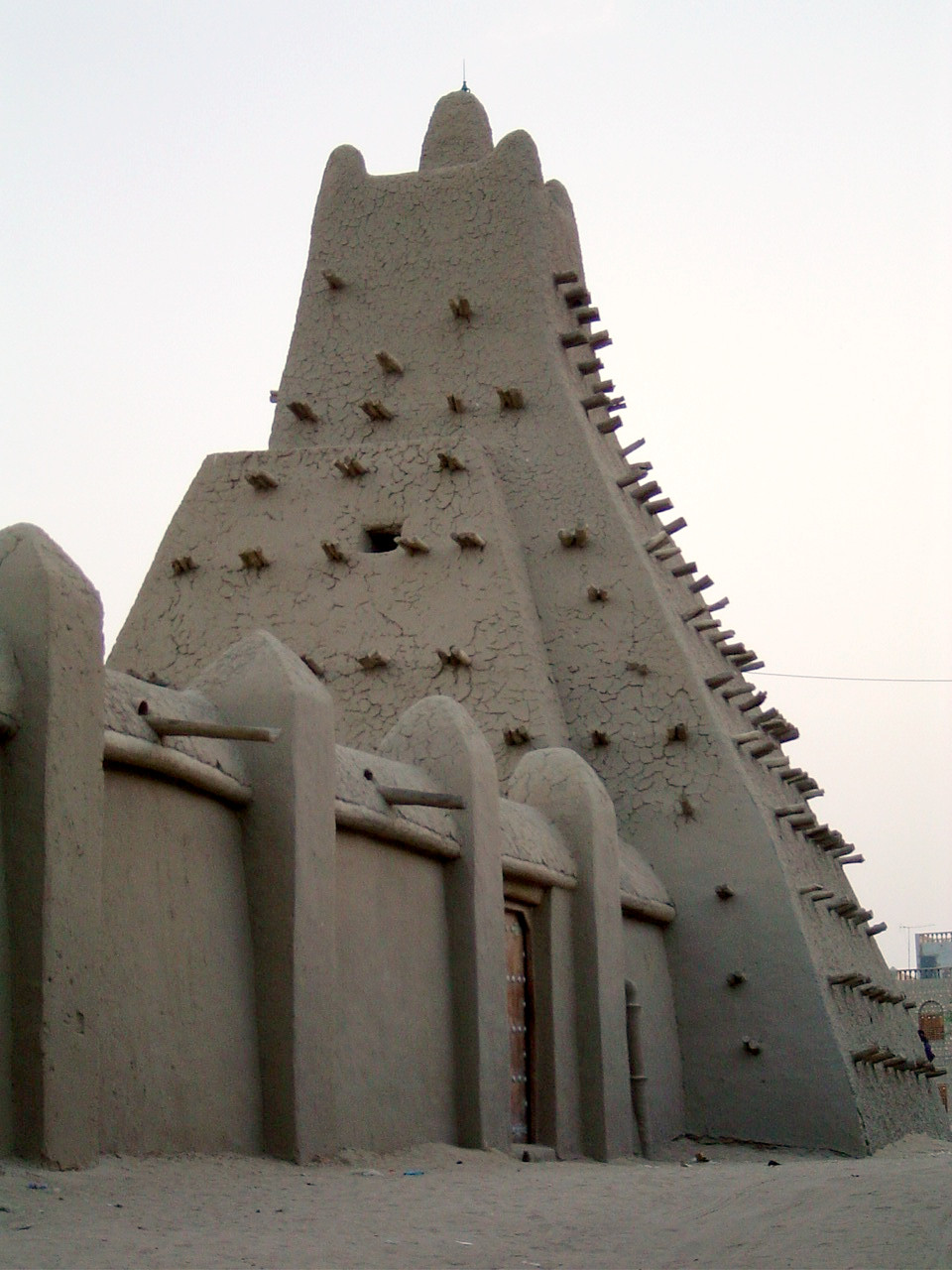
Sankoré Madrasa
14th-15th century
 Painting
Primary source
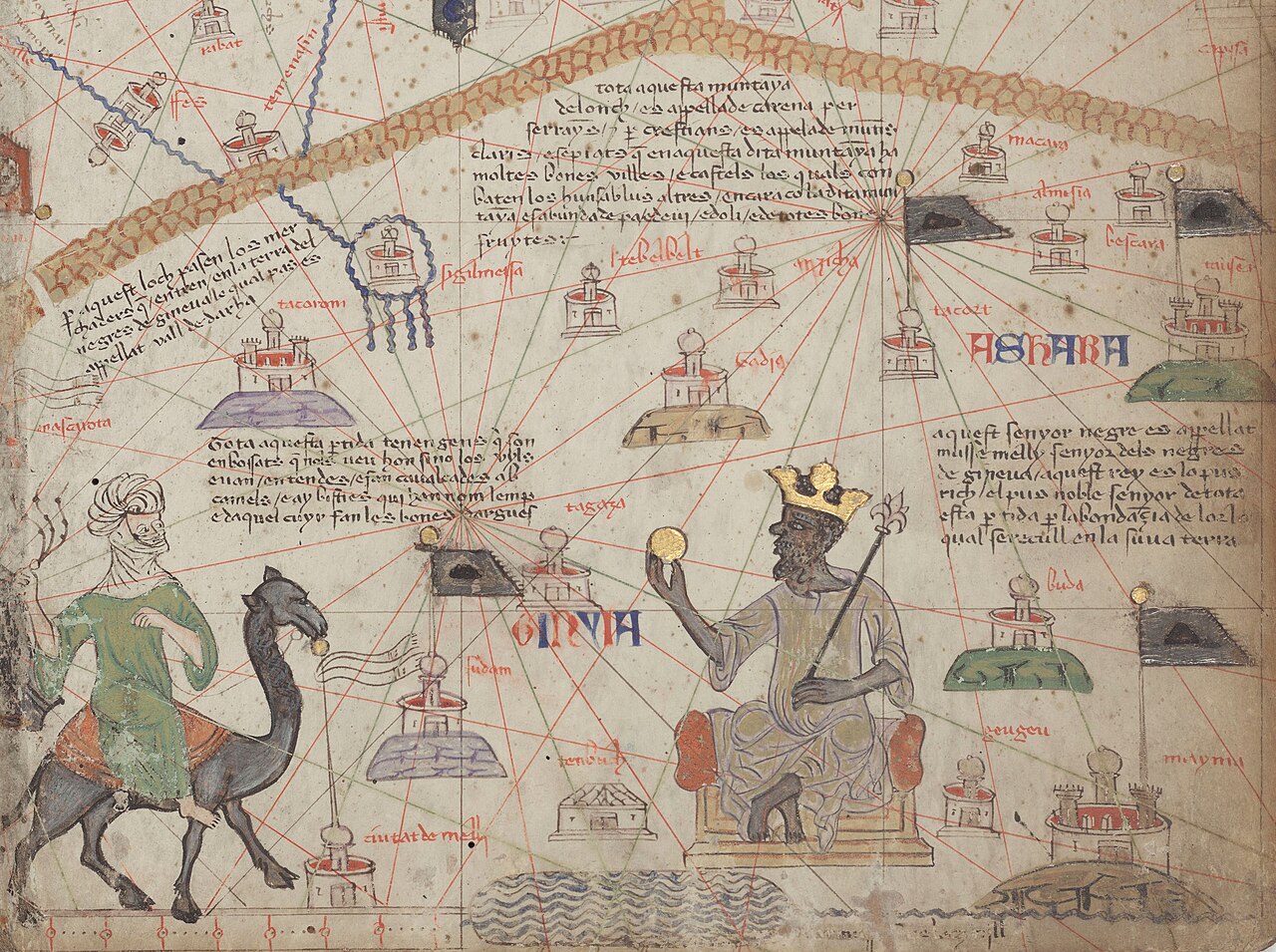
Catalan Atlas, Sheet 6: Western Sahara
Abraham Cresques · 1375
 Artifact
Secondary source
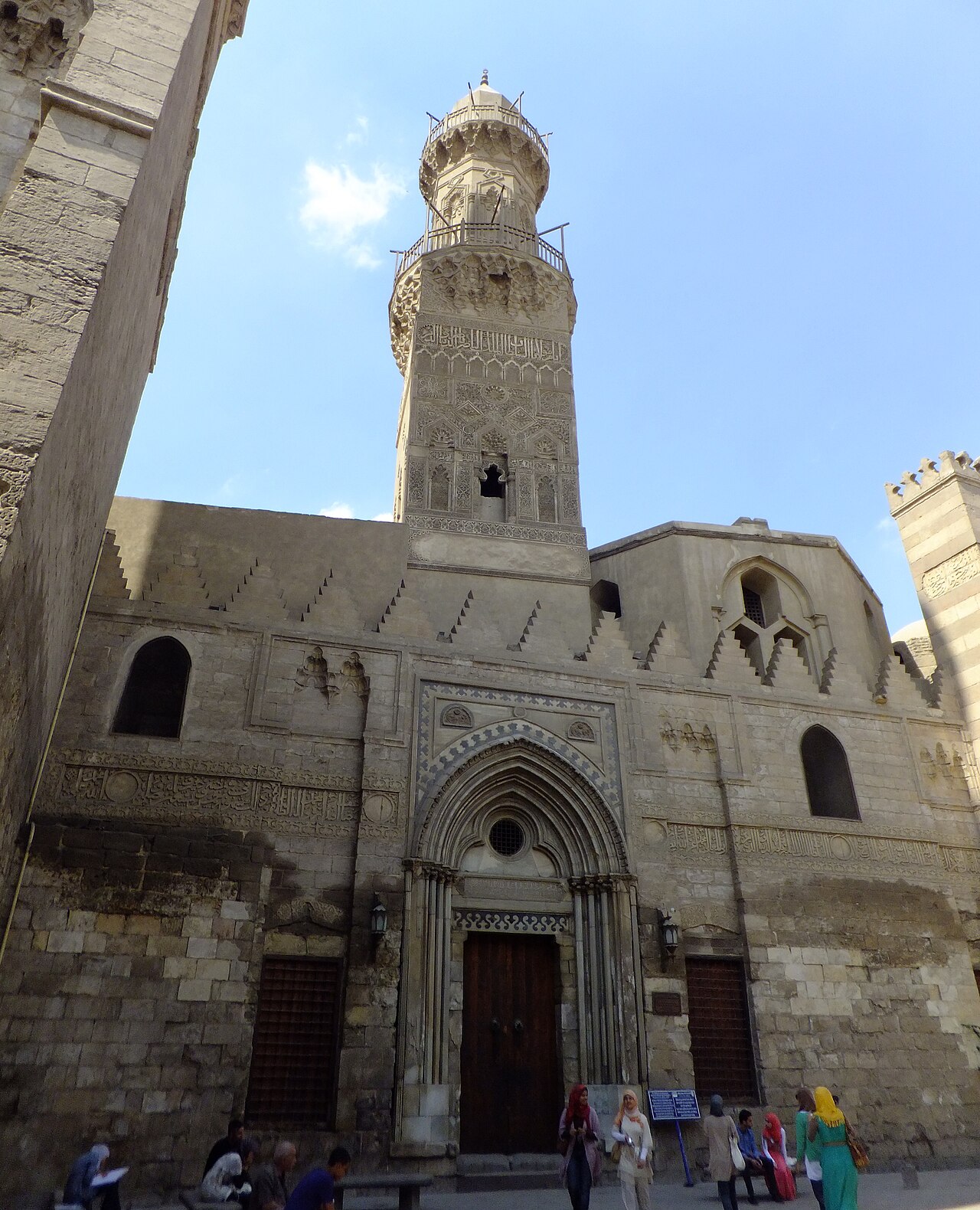
Madrasa of Al-Nasir Muhammad
1303
Ready when you are
Start chatting with Mansa Musa now.
20 messages free · No credit card · Available in 50+ languages.