


Secondary sourceArtifact14th-15th century
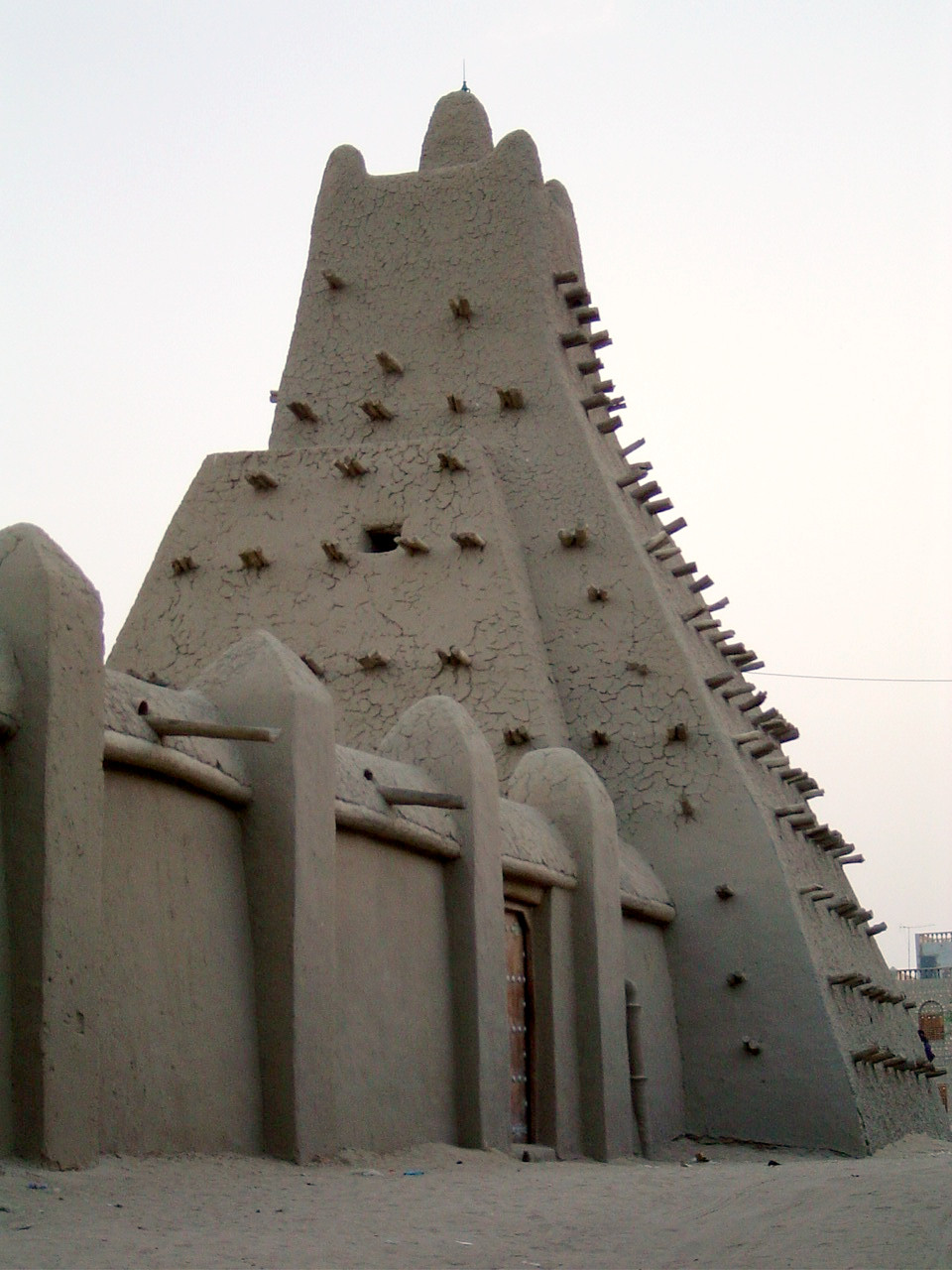
Sankoré Madrasa
14th-15th century
A Timbuktu mosque and center of learning in the Mali Empire world that Ibn Battuta crossed on his West African journey of 1352–1353.
Ibn Battuta visited Timbuktu in 1352 during his West African journey, before Sankoré's later rise as a center of learning.
About this source
What it is
The Sankoré Madrasa is a mosque in Timbuktu, Mali, that grew into a major centre of Islamic learning under the Mali and Songhai empires. It is built in the Sudano-Sahelian mud-brick style.
Why it matters
When Ibn Battuta visited Timbuktu in 1352, he noted the Sanhaja Berbers living there but said nothing yet about Islamic scholarship, which only flourished a century later. His account is an early written record of the city before its golden age as a hub of Islamic manuscripts and scholars.
Look closer
- Why might Ibn Battuta have missed mentioning the learning culture that later made Timbuktu famous?
- What does the mud-brick architecture tell you about local building traditions compared to mosques elsewhere on his route?
- How can a traveller's silence on a topic still be useful evidence to historians?
This artifact is part of the curated material that grounds the AI version of Ibn Battuta, Mansa Musa and Sunni Ali on Humy.ai — when students ask about related events, the AI can quote it and cite it.
More Ibn Battuta sources
Meet the AI Ibn Battuta →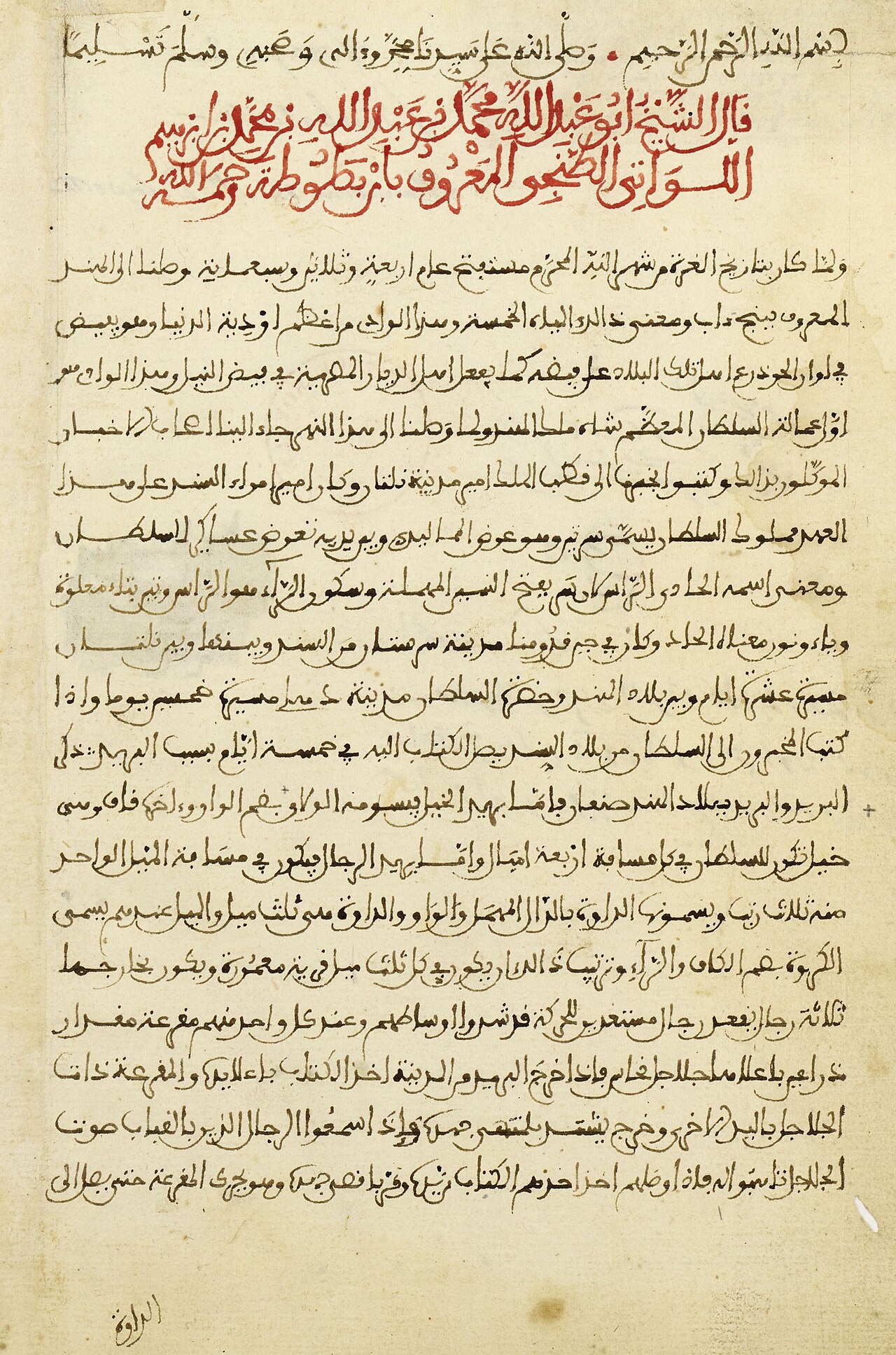 Book
Primary source
The Rihla
Ibn Battuta · 1354-1356
 Book
Primary source
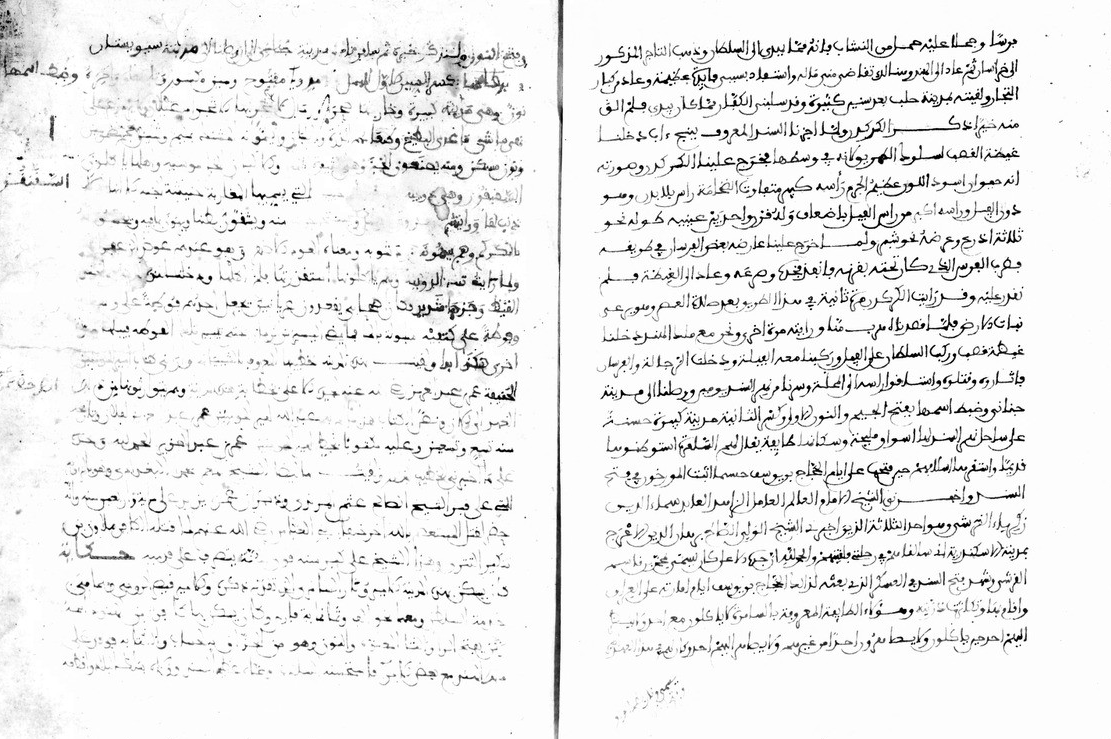
Manuscript of the Rihla by Ibn Juzayy
Ibn Juzayy · 14th century
 Artifact
Secondary source
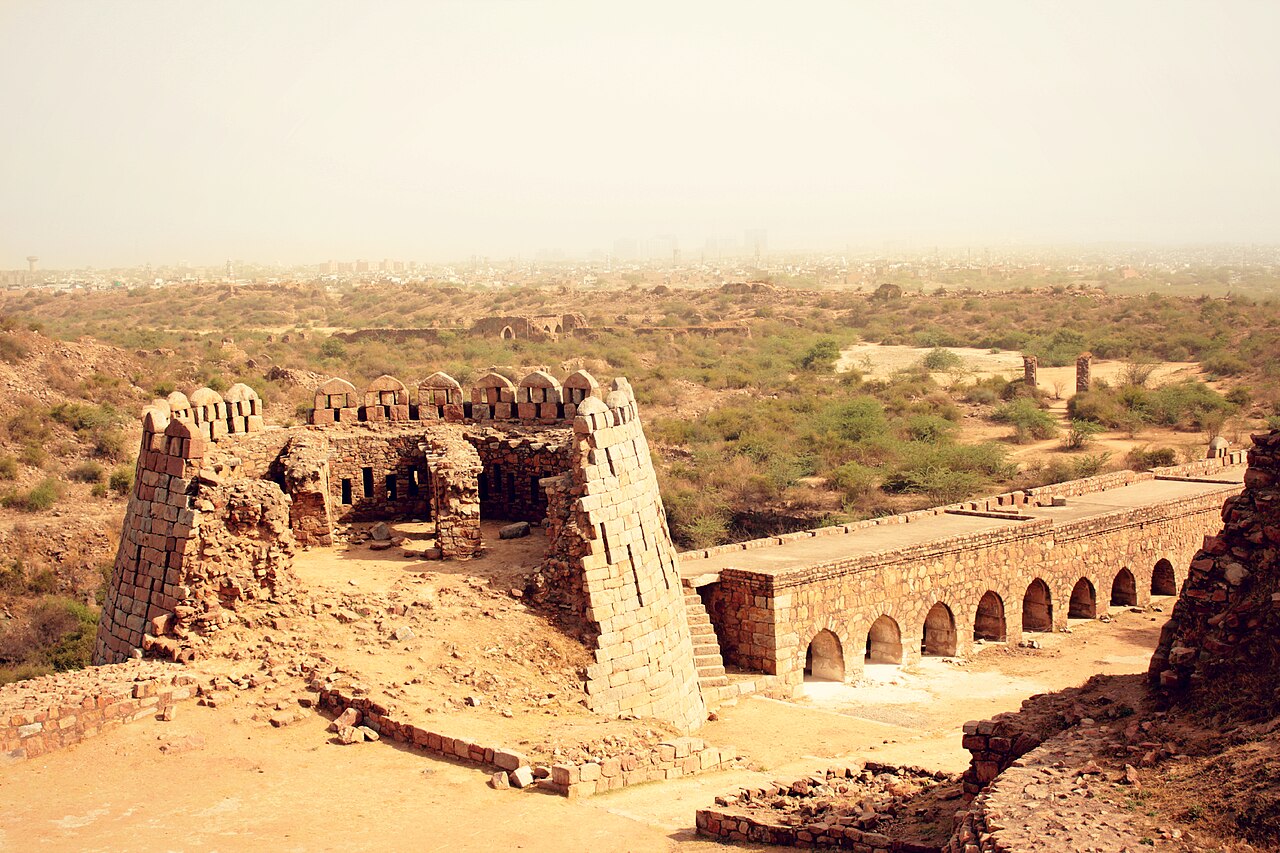
Tughlaqabad Fort
Ghiyath al-Din Tughluq · 1321
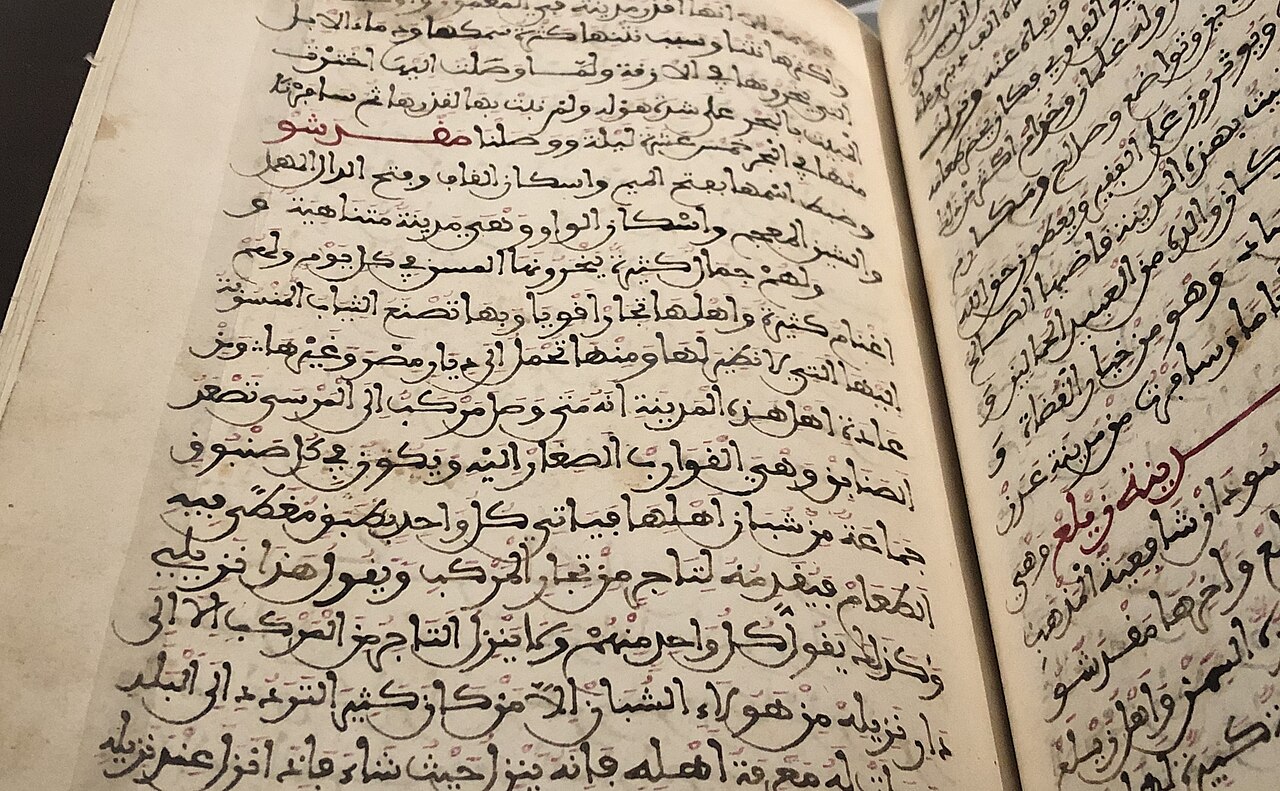 Book
Secondary source
Manuscript copy of the Rihla (1484)
Ibn Juzayy · 1484
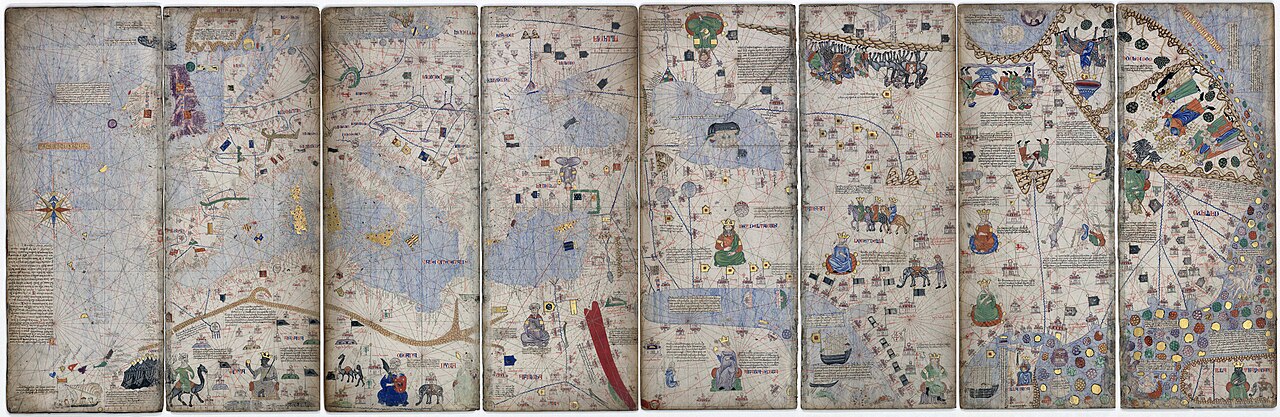 Painting
Primary source
Catalan Atlas
Cresques Abraham · c. 1375
Ready when you are
Start chatting with Ibn Battuta now.
20 messages free · No credit card · Available in 50+ languages.